Green Mandarin Orange Zest
Green Mandarin Orange Zest captures the fresh, unripe essence of young citrus. Pressed from immature mandarin fruits, this oil carries a sharper, more herbaceous character than its mature counterpart, delivering a distinctly green brightness that lifts and energizes fragrance compositions.
Character
How it smells
The fresh, green spirit of unripe citrus.
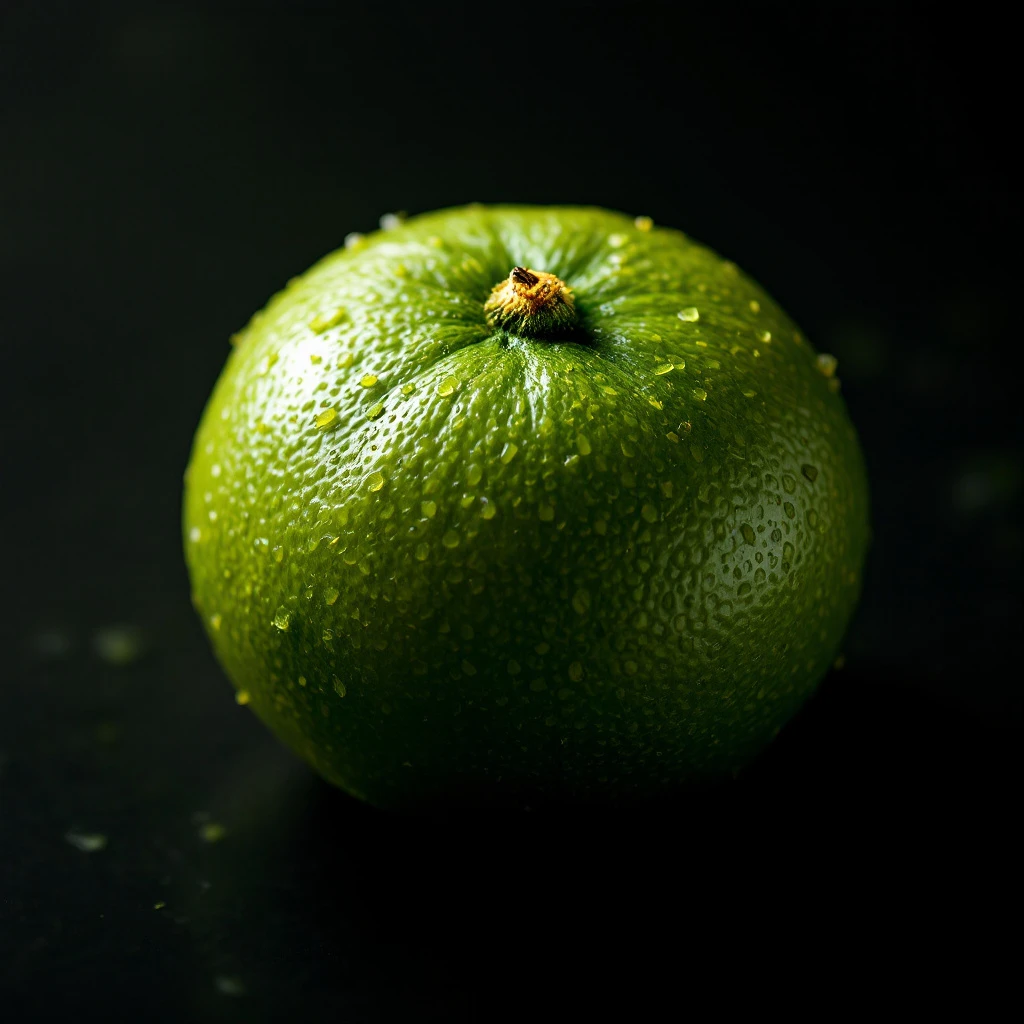
Green mandarin oil comes from immature fruits and displays a deep green color, unlike the pale yellow oil pressed from ripe mandarins.






Origin
China
Mandarins trace their roots to China more than 4,000 years ago, with the first written records appearing around 1170 BC in the region now known as Yunnan. Ancient Chinese cultivators prized the fruit for its sweet flesh and aromatic peel, using both in culinary and medicinal applications.
The species name reticulata refers to the distinctive net-like pattern visible in the fruit's outer rind. Chinese traders carried the citrus westward along the Silk Road, though the fruit reached European markets only in the early 19th century.
Italian and Spanish growers quickly adopted cultivation in Mediterranean groves, drawn to the fruit's hardiness and distinctive flavor. Today, mandarin production exceeds 33 million tonnes annually, with the finest green oil still sourced from regions that honor centuries-old cultivation practices.
Wears it best
Fragrances featuring Green Mandarin Orange Zest
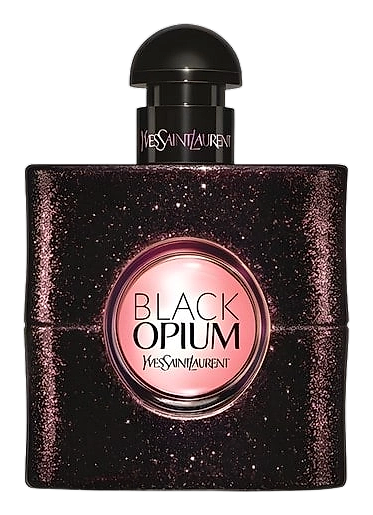
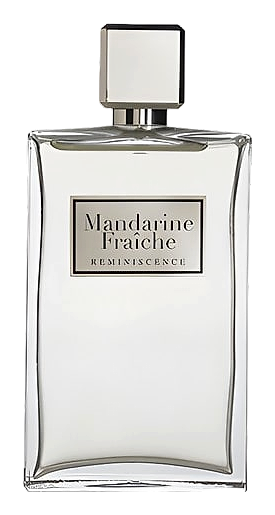

Brands
Brands known for Green Mandarin Orange Zest
Good to know
Questions, answered
The essentials on Green Mandarin Orange Zest in perfumery: how it smells, where it comes from, and how it behaves on skin.
What does green mandarin orange zest smell like?
Green mandarin orange zest has a fresh, citrusy scent with distinct green and herbaceous qualities. The aroma is sharper and more bitter than ripe mandarin, offering bright top notes with an almost leafy, unripe fruit character that adds crispness to fragrances.
How is green mandarin oil different from regular mandarin oil?
Green mandarin oil comes from unripe, immature fruits harvested before full maturity, while regular mandarin oil is pressed from fully ripe fruits. This timing produces a darker green oil with higher concentrations of sharp, bitter compounds and a more complex green character.
What gives green mandarin its distinctive green scent?
The unripe fruit state preserves volatile compounds like gamma-terpinene that contribute grassy, herbaceous notes. These natural chemicals create the characteristic green quality that distinguishes the oil from mature citrus expressions.
Where does green mandarin originate?
Green mandarin originates in China, where mandarin oranges have grown for over 4,000 years. The species Citrus reticulata first appeared in the Yunnan-Guizhou region before spreading along ancient trade routes.
What fragrance families pair well with green mandarin?
Green mandarin works well in citrus, floral, and aromatic compositions. It adds brightness to hesperidic accords, provides contrast in marine fragrances, and lends freshness to green or chypre structures.
Does green mandarin oil change over time?
Green mandarin oil can oxidize and mature in storage, with oxidation shifting its scent toward sweeter, rounder characteristics. Properly stored oil retains its fresh, green qualities for several years.
What role does green mandarin play in perfumery?
Perfumers use green mandarin as a top note to inject immediate freshness and brightness into a fragrance. Its crisp, sparkling quality also serves as a modifier that prevents other citrus notes from feeling too sweet or heavy.
Why is green mandarin considered significant in perfumery history?
Mandarin oranges appear in Chinese texts from 1170 BC, making them one of the oldest cultivated citrus fruits used in fragrance. The distinction between ripe and unripe expressions reflects centuries of refinement in understanding citrus aromatic potential.