
The Story
Why it exists.
The beginning
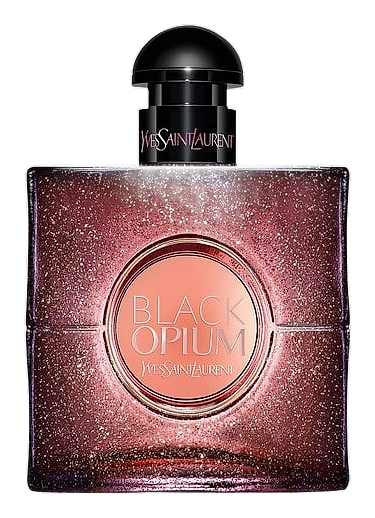
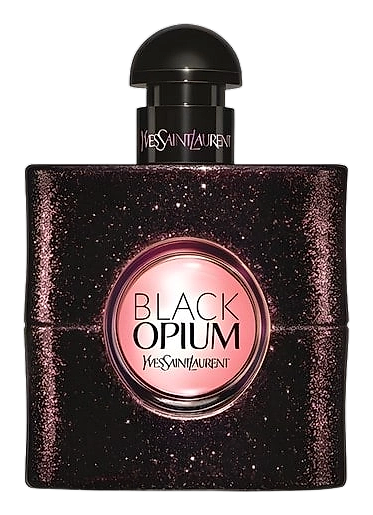
After the Black Opium EDP launched in 2014 to significant attention, YSL returned one year later with a different kind of proposition. The EDT variant was designed not as a replacement but as a counterpoint, a way to reach the woman who wanted the Opium identity but in a register that felt more morning-appropriate, more electric, more open. Where the EDP leaned into warm vanilla depth and amber shadows, the 2015 EDT took the same founding ingredient, coffee, and gave it a greener, more luminous field to work in. The brief was straightforward: keep the signature, change the atmosphere. The result is a fragrance that wears the same name but occupies genuinely different territory.
The choice to lead with green mandarin and blackcurrant instead of vanilla was deliberate. These materials create a tart, almost sparkling quality in the opening that makes the coffee note read differently, less midnight, more 4pm in a sunlit cafe. Jasmine tea adds a delicate, slightly bitter floral layer that bridges the gap between the bright top and the warmer base, giving the heart a texture that feels more like a breath than a statement. White musk at the base does quiet work: it extends the drydown without overpowering, keeping the entire composition in that moderate sillage range that makes Black Opium EDT versatile rather than demanding.
The evolution
The opening lands sharp and tart, blackcurrant and green mandarin zing against the skin like electricity finding ground. The citrus doesn't linger politely; it announces, then steps back. Within twenty minutes, the pear sweetness softens the tartness into something rounder, and the coffee begins to emerge, not the bold espresso jolt of the EDP, but a lighter, airier roast, almost like coffee breath on warm skin rather than coffee grounds in a jar. The orange blossom and jasmine tea arrive together in the heart, adding a delicate floral layer that feels almost transparent. This is the fragrance's most graceful phase. Three to four hours in, the white musk and white woods settle into the skin like the warmth left behind in a room after someone's just left. The coffee doesn't disappear, it deepens, softens, becomes the quiet thing that lingers on fabric and skin long after the initial brightness has gone. On most skin, expect six to eight hours of presence, intimate and close, the kind of sillage that requires someone to lean in.
Cultural impact
Black Opium arrived in the mid-2010s at a moment when the perfume industry was recalibrating around sweetness, accessibility, and social-media visibility. The EDP version had established coffee as a viable mainstream note in women's fragrance, a territory previously dominated by men's scents. The EDT extended that conversation by proving the note could be worn in broader contexts: daytime, office environments, warmer seasons. Its positioning as a versatile counterpoint to the bolder EDP made it a practical entry point for women curious about the Opium identity but hesitant about its heavier sibling. The fragrance's popularity on social platforms reflects this accessibility, bright, wearable, easy to photograph, easy to describe, easy to recommend.