Green Geranium
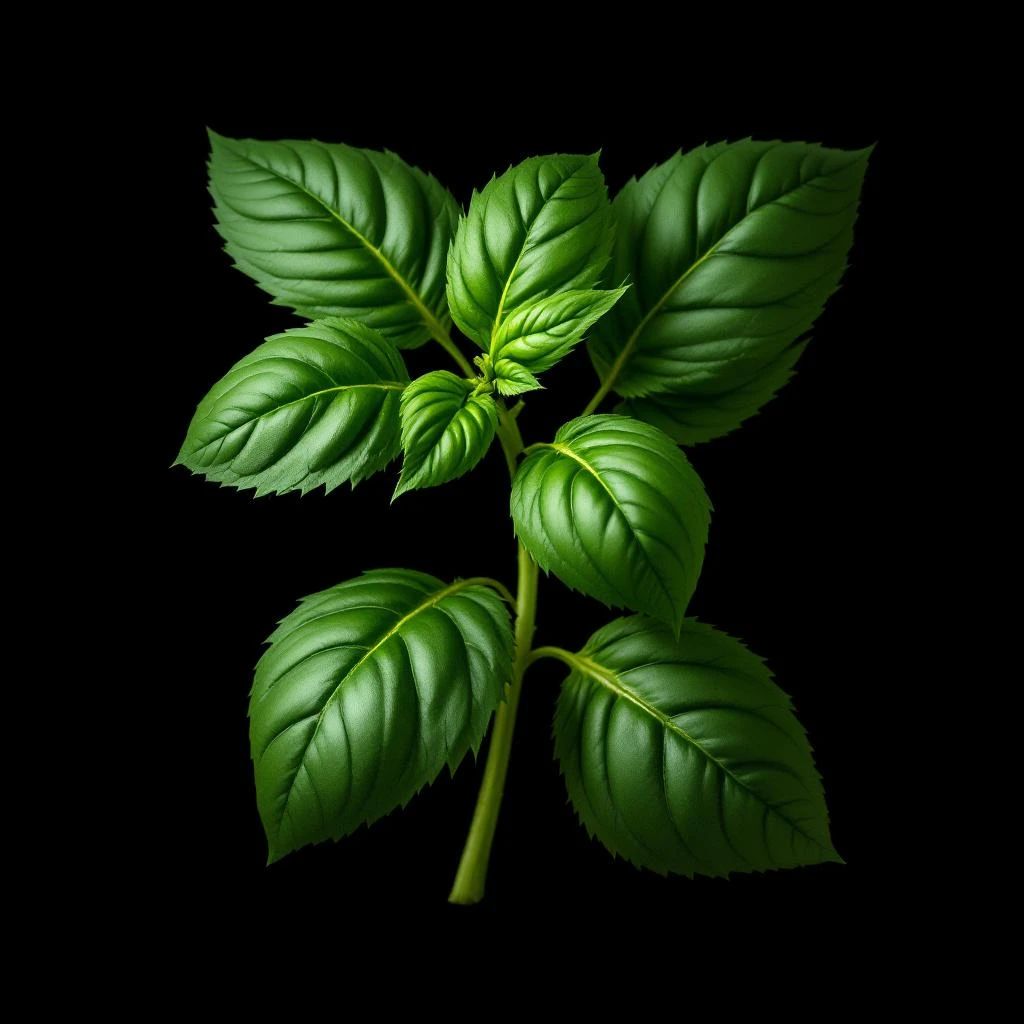
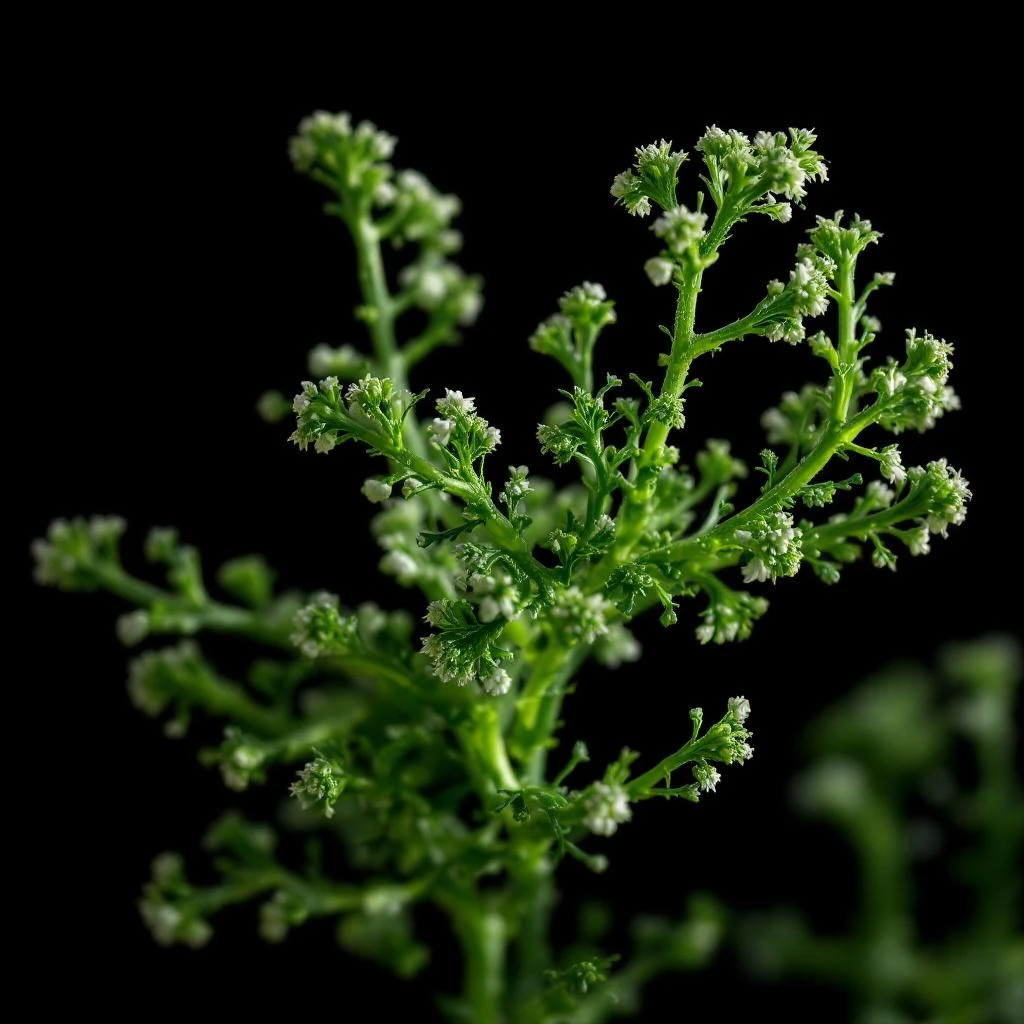
Crush a velvety geranium leaf and discover why perfumers have treasured this green-rosy note for over a century. Native to South Africa, Pelargonium graveolens yields its fragrance from glandular hairs on the leaves, not the flowers, producing a complex oil that bridges herbaceous vitality and floral softness.
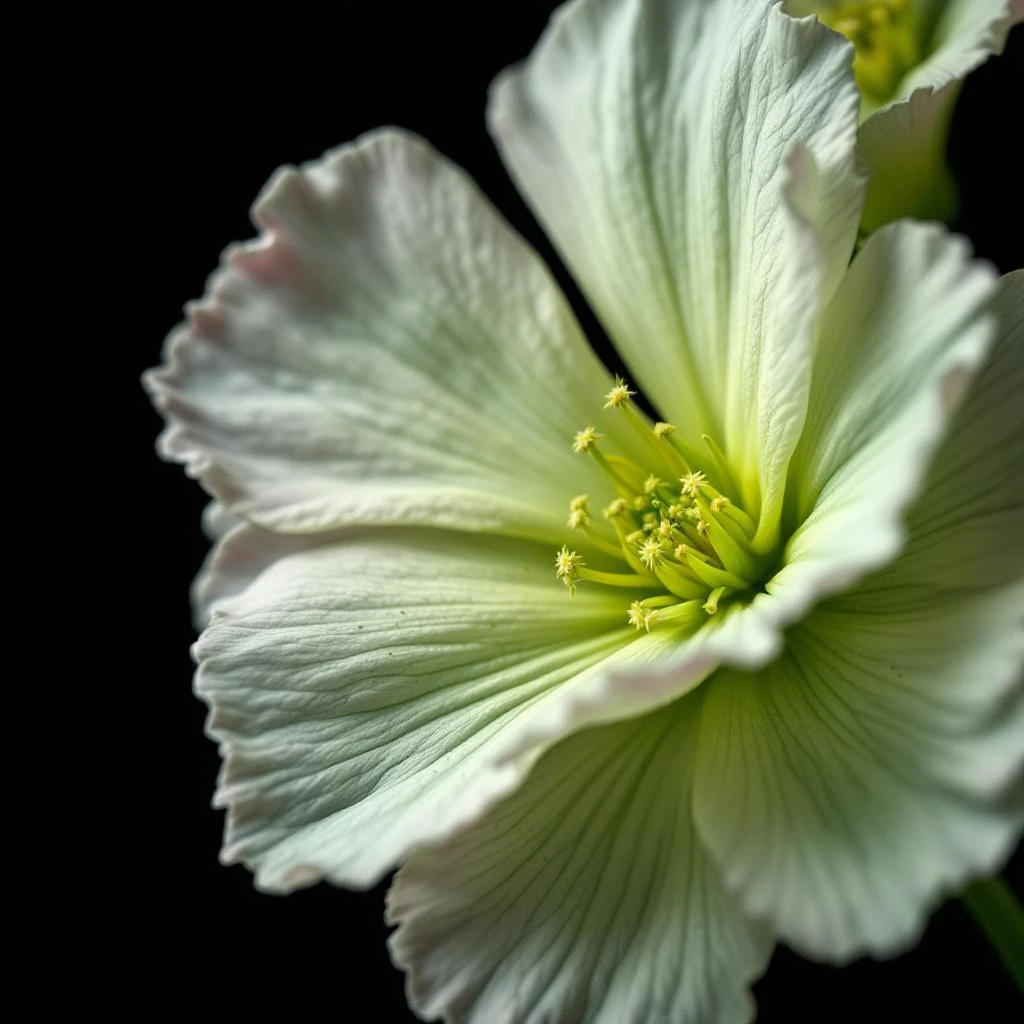
Character
How it smells
Rose and mint meet in a leaf. The green geranium defies simple description.
The plant's name derives from the Greek word for crane, referencing the seed pod's bill-like shape. The flowers themselves carry no scent.



Origin
South Africa
Pelargonium arrived in Europe in the 17th century, carried from its native South Africa by Dutch traders. French perfumers in Grasse first distilled it into essential oil in the 1880s, seeking an affordable alternative to expensive rose otto. The plant quickly became central to Mediterranean fragrance traditions.
Egyptian plantations along the Nile Delta now produce most of the world's geranium oil, though Réunion Island's Bourbon geranium remains the most prized variety. Traditional healers used geranium as a tonic and antiseptic long before perfumers discovered its aromatic potential. The Greek name geranos means crane, a reference to the seed pod's resemblance to a bird's bill.
Despite bearing the name geranium, the scented pelargoniums used in perfumery are botanically distinct from the hardy wild geraniums found in European woodlands. Colonial cultivation in North Africa during the 19th century expanded supply, cementing geranium's role in modern perfumery.
Wears it best
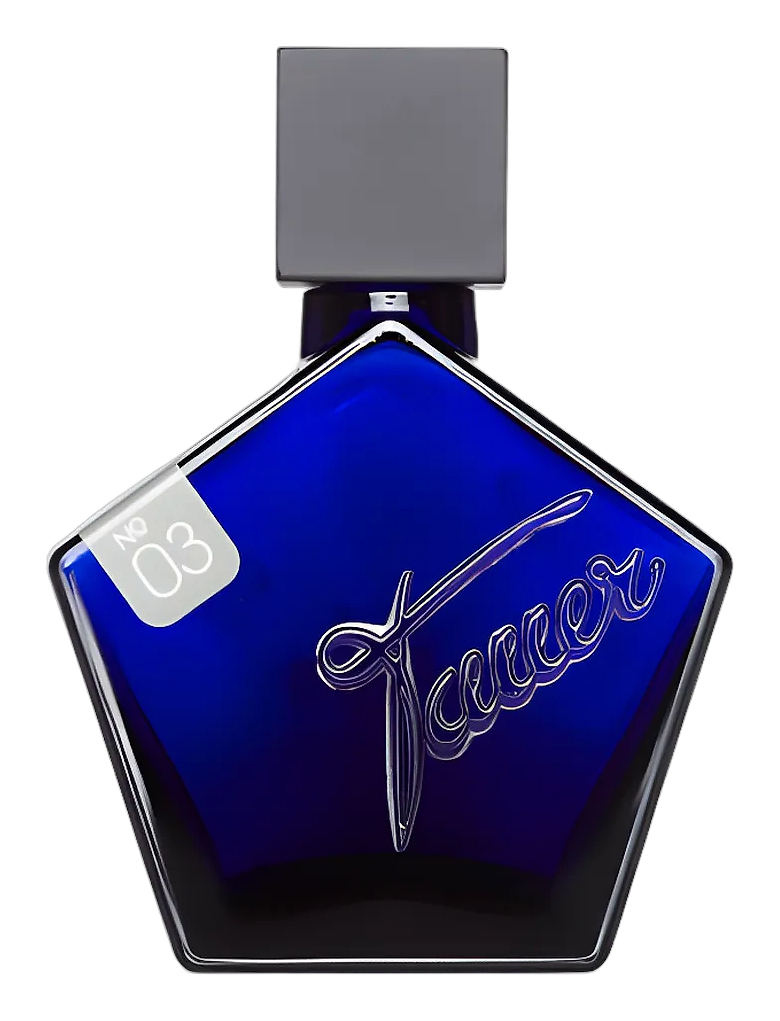
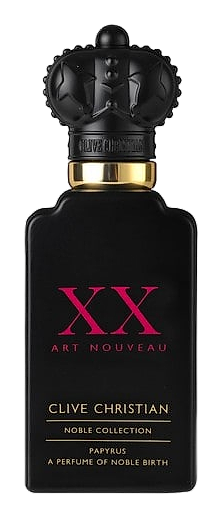
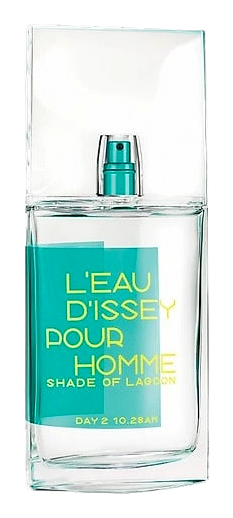
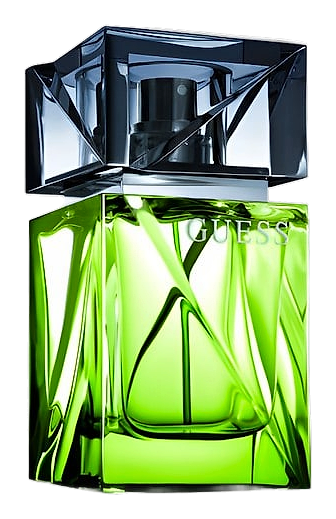
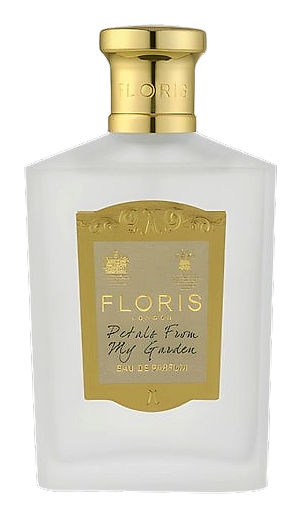
Fragrances featuring Green Geranium
Brands
Brands known for Green Geranium
Good to know
Questions, answered
The essentials on Green Geranium in perfumery: how it smells, where it comes from, and how it behaves on skin.
What does green geranium smell like?
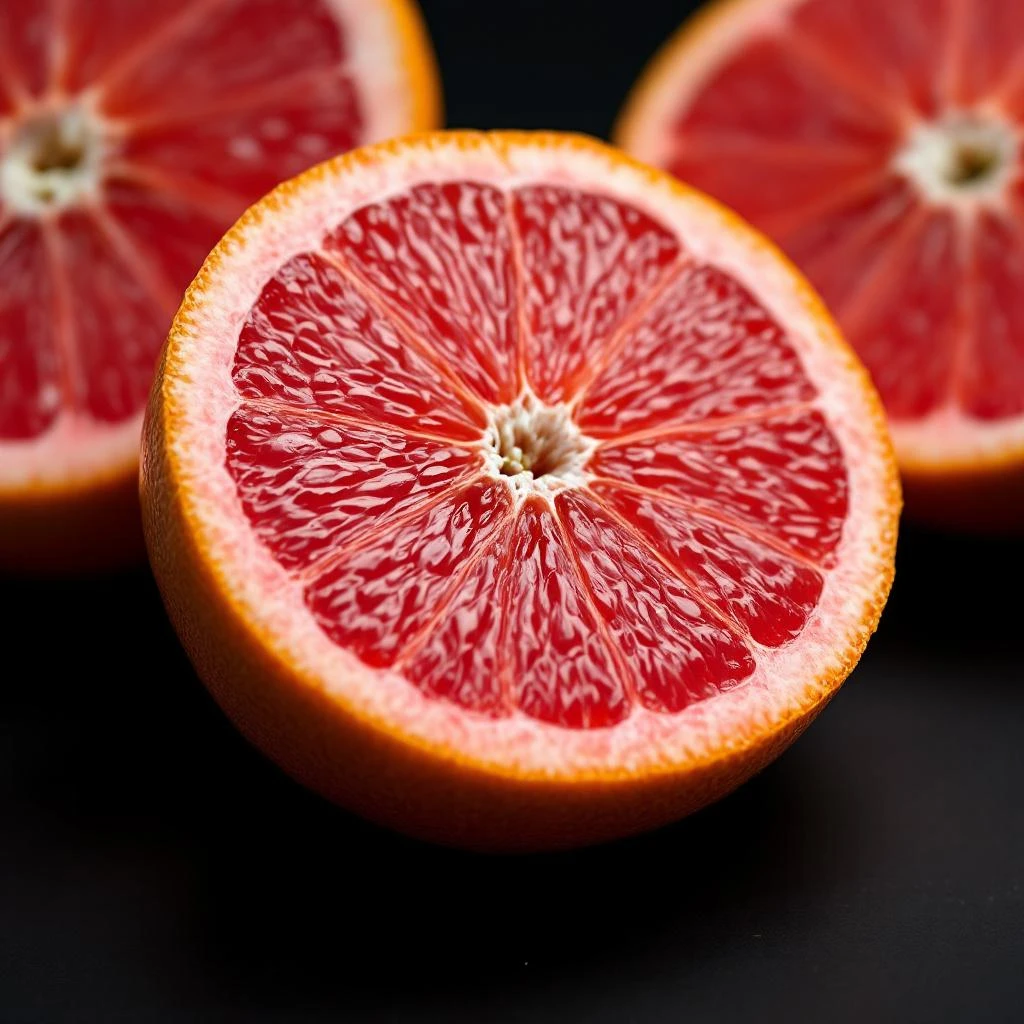
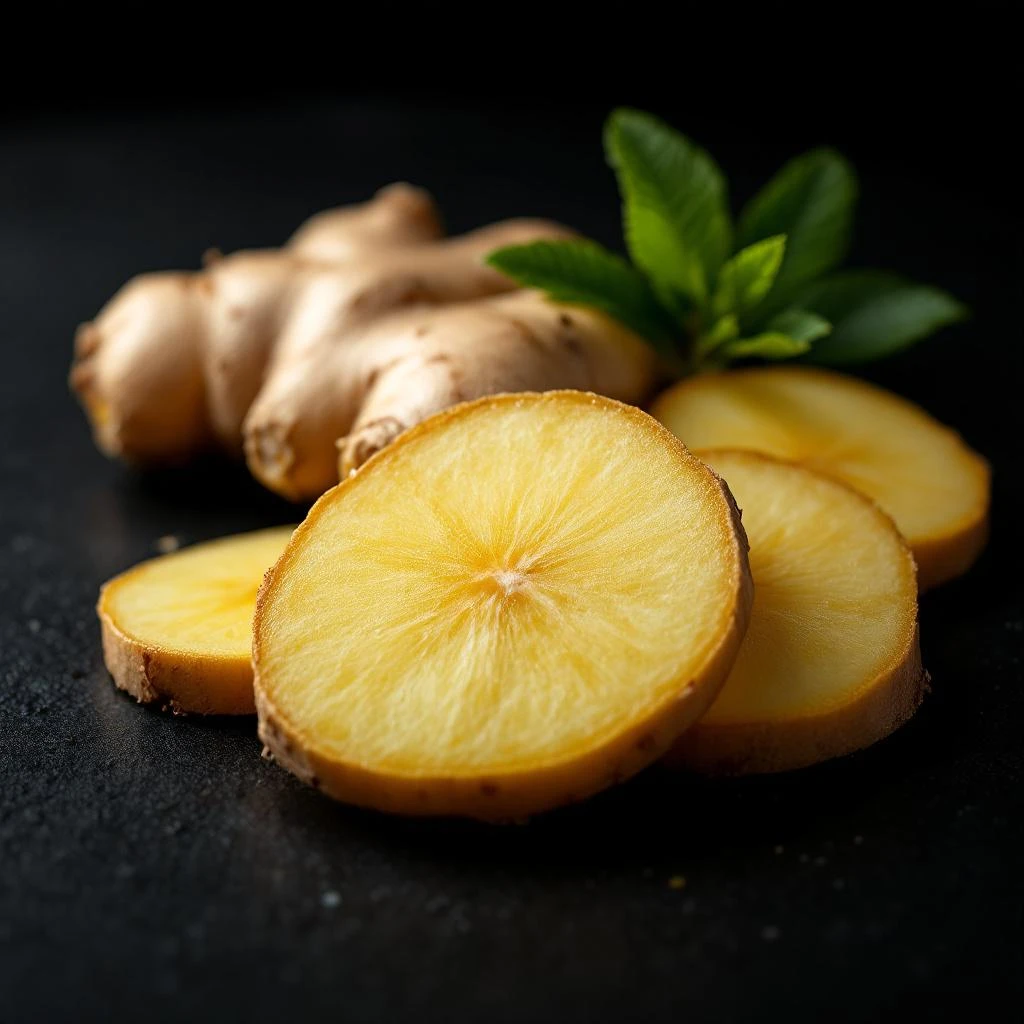
Geranium smells like rose intertwined with fresh mint, grounded by lemony brightness and a peppery edge. Its green-rosy profile offers both floral sweetness and herbal crispness.
Is geranium from the flower or the leaves?
The fragrance comes from the leaves and stems, not the flowers. Crushing a leaf releases the aromatic oils from tiny glandular hairs coating the surface.
What is the main producing region for geranium oil?
Egypt produces most of the world's supply, primarily from plantations along the Nile Delta. Réunion Island's Bourbon variety commands premium pricing for its superior rosy character.
How does geranium function in perfume compositions?
Perfumers use geranium predominantly as a heart note (appearing in 5,319 fragrances), where its green-rosy clarity balances heavier florals and grounds citrus top notes.
Which geranium varieties are used in perfumery?
Pelargonium graveolens, known as rose geranium, dominates commercial production. The Lemon Fancy variety provides citrusy accents and is often blended for complexity.
Why is geranium considered a rose alternative?
Citronellol, the dominant molecule in geranium oil, creates a rosy-lemony signature. This allows perfumers to introduce rose-like warmth at a fraction of rose otto's cost.
Can geranium oil be synthesized artificially?
Natural geranium oil contains citronellol and geraniol, both of which can be synthesized. However, natural oil retains complex undertones that laboratory versions struggle to replicate fully.
What gives geranium its minty character?
Geraniol contributes honeyed warmth while mentholated facets provide cooling freshness. These natural compounds create geranium's signature balance of sweet and sharp.




