Lime Juice
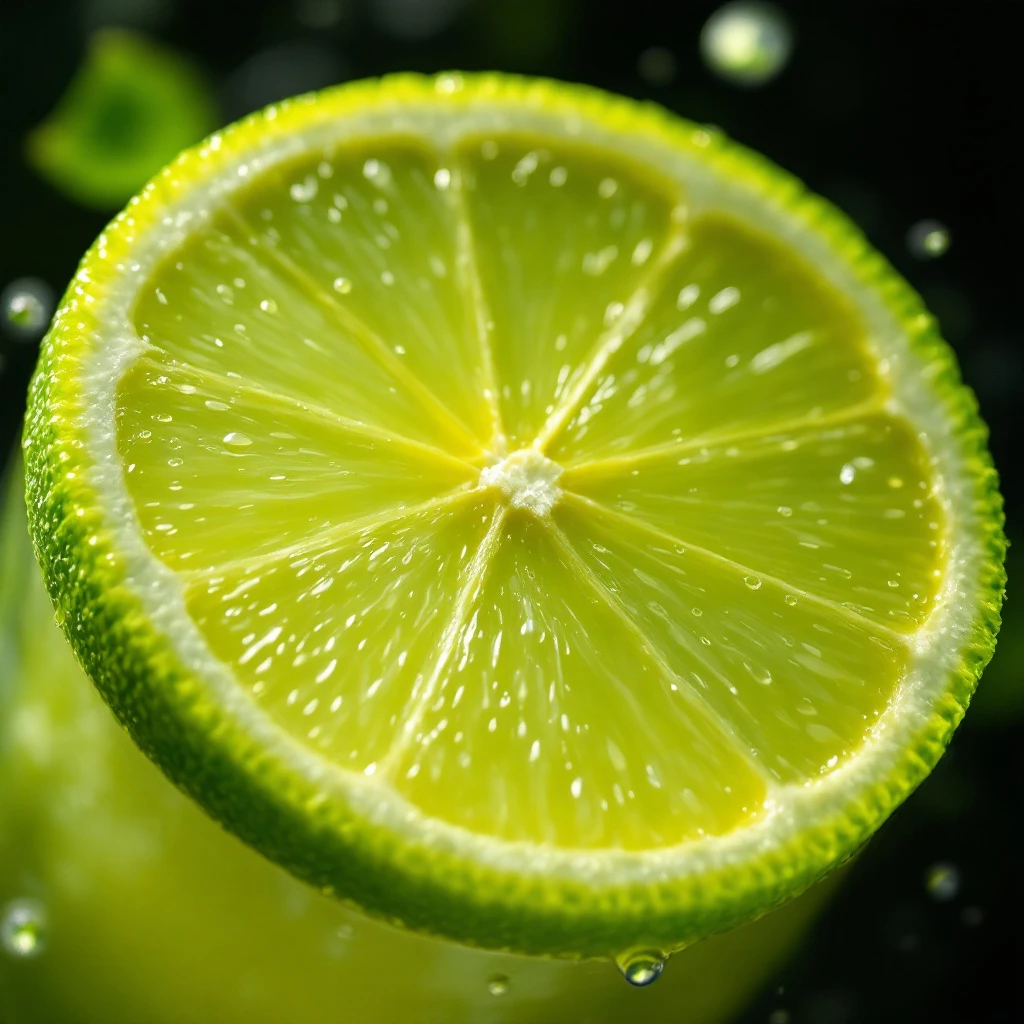
Lime Juice delivers an electrifying burst of citrus brightness to fragrance compositions. This ingredient captures the sharp, sun-drenched essence of freshly squeezed citrus, providing an immediate jolt of energy that awakens every blend it enters. A staple of modern perfumery, it transforms even the most subtle fragrance into a vibrant sensory experience.
Character
How it smells
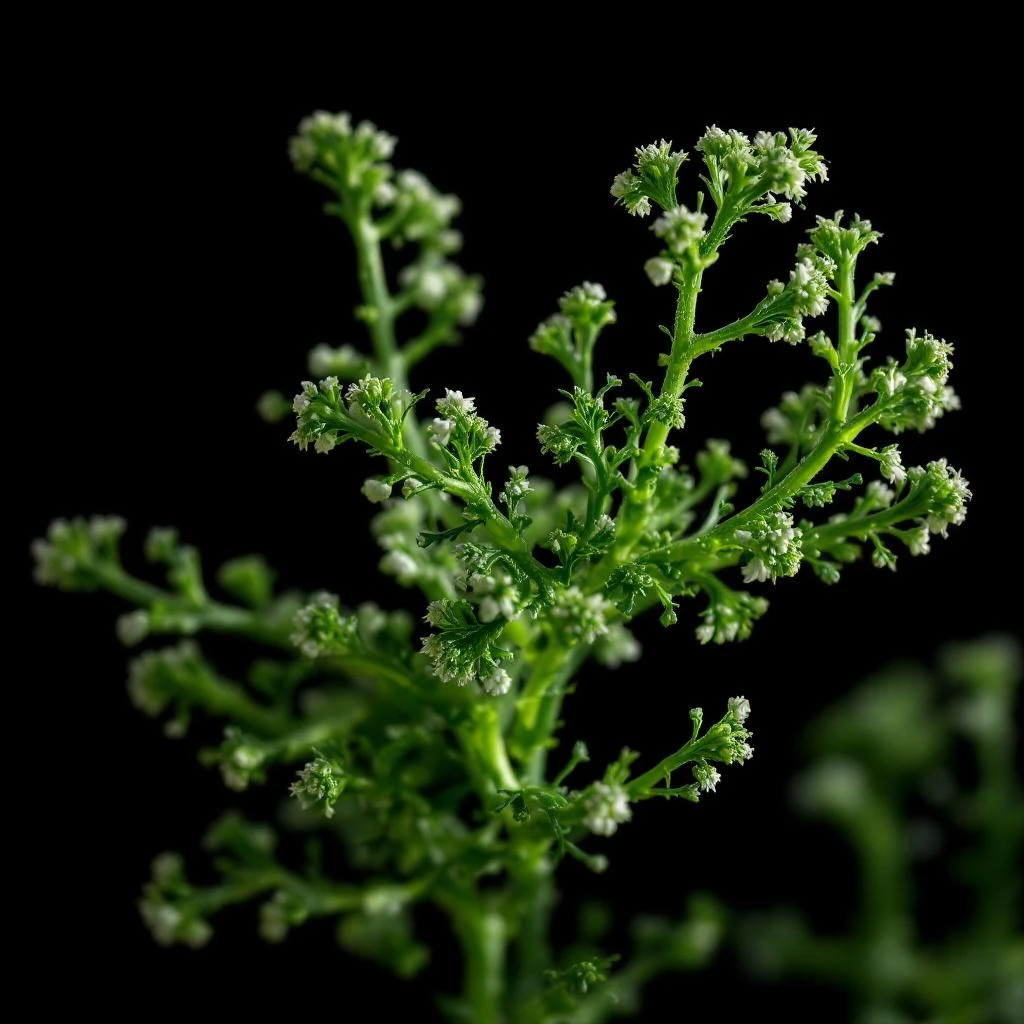
Fresh citrus that energizes every composition.
Persian limes, also called Tahitian limes, produce the most aromatic peel oil and dominate the fragrance industry worldwide.





Origin
Mexico
Lime originates from Southeast Asia and spread along ancient trade routes to the Mediterranean and beyond. The fruit traveled westward through Persian and Arab traders, reaching Europe by the 12th century. European colonists carried lime trees to their territories during the Age of Exploration, establishing cultivation in the Caribbean and Americas.
Mexico emerged as one of the largest producers of Persian limes, becoming central to global fragrance supply. While lemons dominated Mediterranean perfumery, lime found its niche in New World toiletries and fragrances. By the 19th century, both citrus oils became essential materials as the fragrance industry professionalized.
Today, Mexican cold-pressed lime oil remains the benchmark for quality in fine perfumery, and lime juice notes appear consistently in fresh, aquatic, and citrus fragrance families.
Wears it best
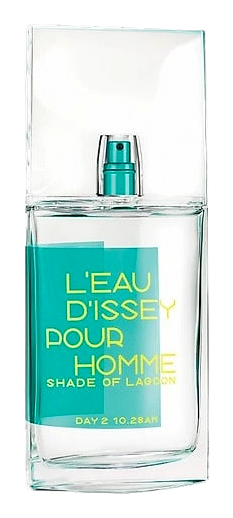
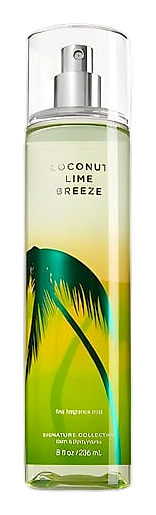
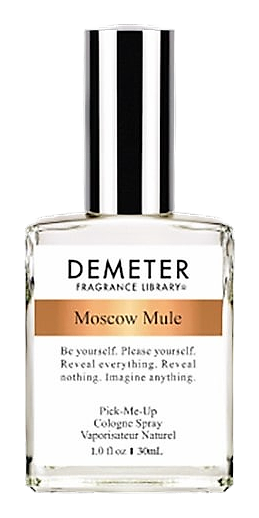
Fragrances featuring Lime Juice
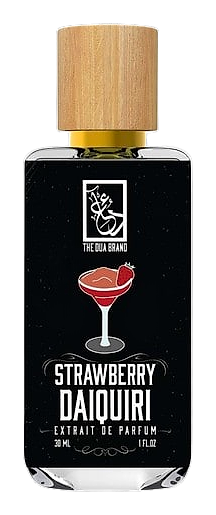
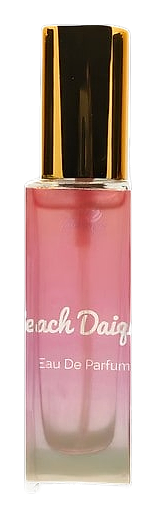
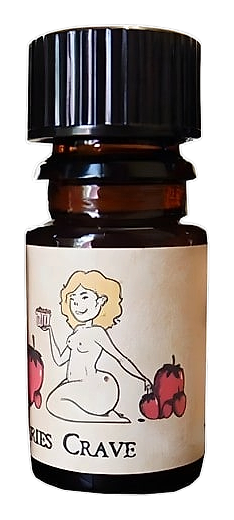
Brands
Brands known for Lime Juice
Good to know
Questions, answered
The essentials on Lime Juice in perfumery: how it smells, where it comes from, and how it behaves on skin.
What is lime juice in perfumery and is it actually from the juice?
Lime juice as a fragrance note refers to lime essential oil, not the fruit juice itself. Perfumers extract aromatic compounds from the lime peel through cold pressing. The juice is too sour and watery for perfumery use. The cold-pressed peel oil captures the fresh, citrusy scent associated with a freshly peeled lime.
How does cold-pressed lime oil differ from distilled lime oil?
Cold-pressed lime oil retains a fresh, vibrant scent with bright citrus and slightly floral notes. Steam distillation produces oil with a sharper, more terpeney, medicinal character. Cold-pressed oil is preferred in fine perfumery for its superior freshness, while distilled oil appears mainly in functional fragrances.
What fragrance families use lime juice notes?
Lime juice appears across fresh, citrus, aromatic, green, chypre, and fougère fragrance families. It is particularly common in fresh and aquatic compositions. Lime pairs well with mint, basil, white florals, and marine accords. The note is prevalent in both masculine and feminine fragrances, especially in summer and sport categories.
How long does lime juice scent last on skin?
Lime juice functions as a top note with moderate longevity. The scent typically lasts 15 to 30 minutes on skin, depending on concentration and formulation. The more volatile terpenes fade first, leaving delicate citrus esters. Fragrance houses often pair lime with longer-lasting heart and base notes to extend its fresh impression.
Does the origin of lime affect fragrance quality?
Origin significantly impacts lime oil quality and scent profile. Mexican cold-pressed lime oil is considered the industry standard, known for its bright, floral-citrus character. Brazilian lime oil tends toward a zestier, sharper scent. Indian lime oil often has more terpeney qualities typical of distilled oil. Quality varies by producer and processing methods.
What aromatic compounds give lime juice its scent?
Lime juice oil contains limonene as its primary component, typically 40 to 70 percent of the oil composition. Citral, a combination of geranial and neral, provides the characteristic fresh lemon-lime nuance. Alpha-pinene and beta-pinene add sharp, citrusy top notes. The precise balance of these compounds determines whether the oil reads as fresh, sweet, or tart.
Is natural lime juice better than synthetic for perfumery?
Natural lime juice oil remains the preferred choice in fine perfumery. Cold-pressed natural lime oil offers a complex, multi-dimensional scent that synthetic reproductions struggle to match. Synthetic lime compounds exist and perform adequately in functional fragrances, but they lack the subtle floral and aromatic nuances of natural oil. Most luxury fragrances specify natural lime oil on their ingredient decks.
Can lime juice be combined with other citrus notes?
Lime juice harmonizes exceptionally well with other citrus materials. Bergamot, lemon, grapefruit, and neroli create bright, complex citrus compositions. It also pairs beautifully with mint, basil, and other green herbs. In oriental fragrances, lime adds unexpected freshness to warm, spicy bases. Marine and ozonic accords amplify its clean, aquatic character.