Greek Mastic
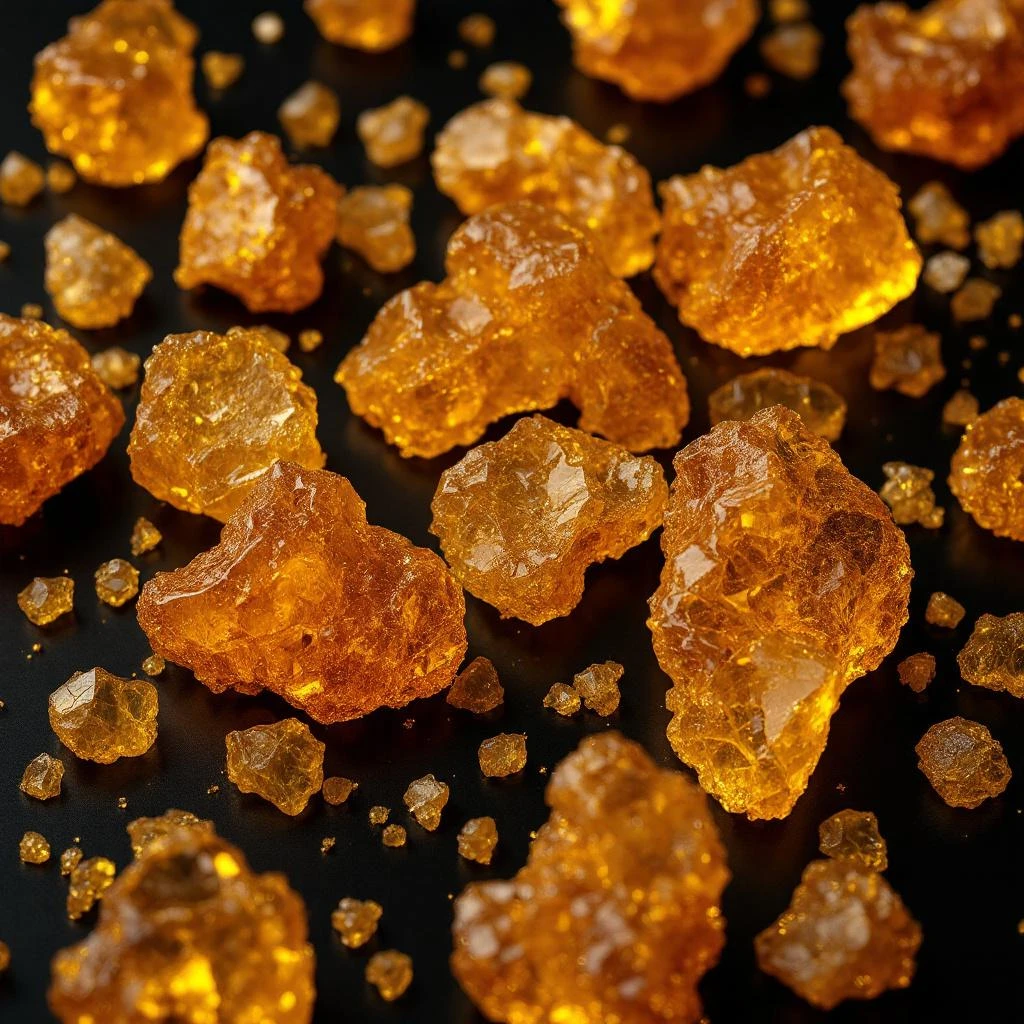
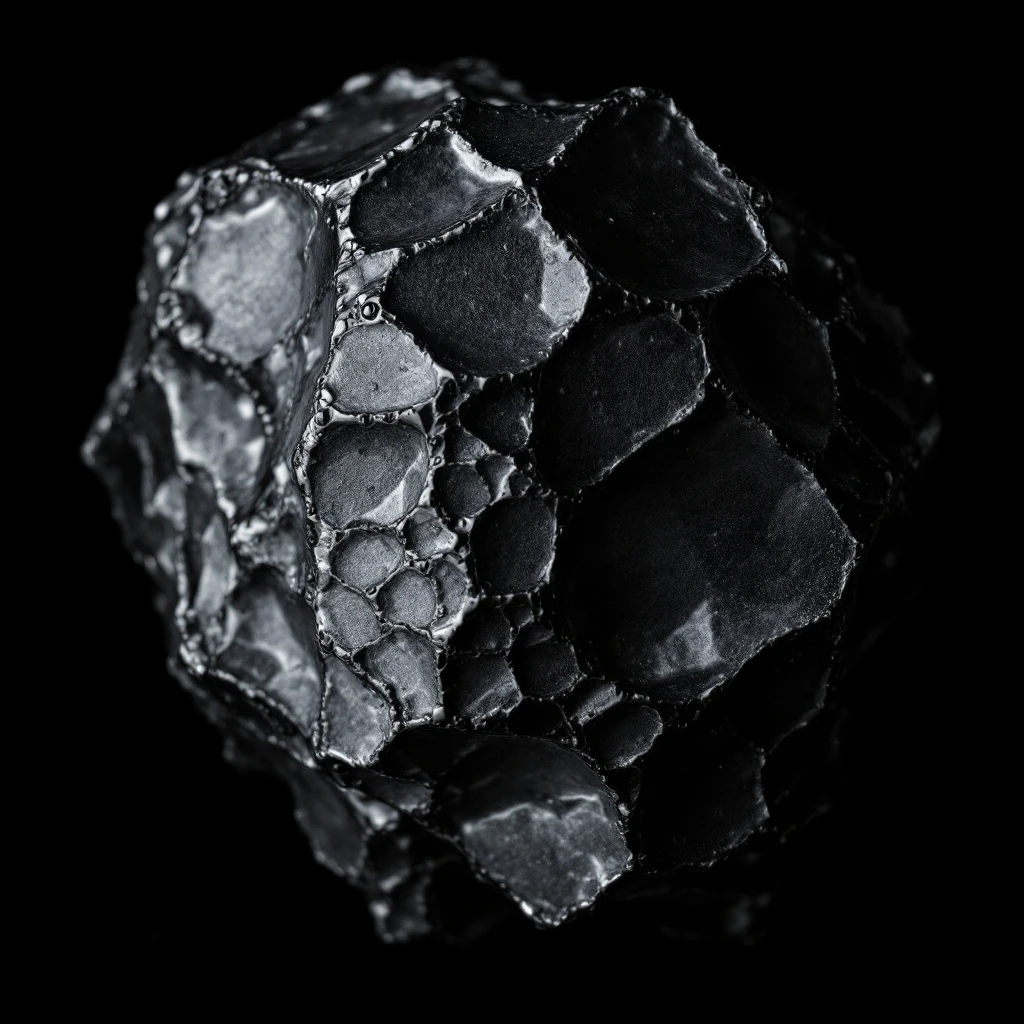
Greek Mastic is a precious resin harvested from the mastic tree on the sun-drenched island of Chios. Its aromatic profile is resinous, balsamic, and faintly citrusy, with a distinctive pine-like freshness that has captivated perfumers for millennia.
Character
How it smells
Ancient resin. Mediterranean soul.
The word 'mastic' derives from the Greek 'mastíkē', meaning 'to chew' - ancient physicians prescribed chewing the resin for oral hygiene.






Origin
Greece
Mastic has perfumed human civilization for at least 2,500 years. Ancient Greek physicians documented its medicinal uses extensively. Archaeological evidence from Bronze Age Pylos reveals mastic was central to prehistoric perfumery.
Under Ottoman rule, Chios held a monopoly on mastic production, and the resin was reportedly reserved as a royal tribute. The aromatic material traveled via ancient trade routes, influencing fragrance traditions across the Mediterranean and Middle East. Today, perfumers value mastic for its complex scent: fresh coniferous top notes layered over warm, balsamic depths with subtle citrus undertones.
The ingredient remains irreplaceable in creating Mediterranean-inspired and oriental fragrance compositions.
Wears it best
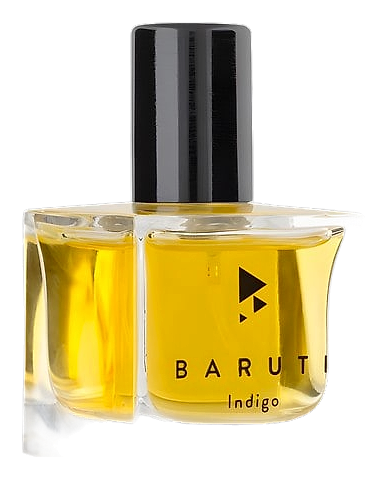
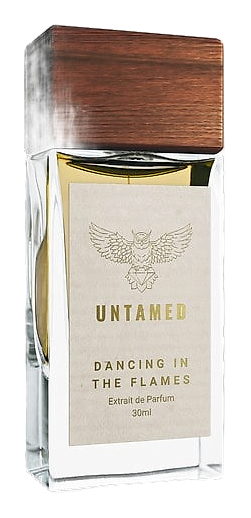
Fragrances featuring Greek Mastic
Good to know
Questions, answered
The essentials on Greek Mastic in perfumery: how it smells, where it comes from, and how it behaves on skin.
What does Greek mastic smell like?
Greek mastic offers a fresh, coniferous aroma with balsamic warmth and subtle citrus undertones. Think pine needles meets frankincense with a clean, resinous character that adds both brightness and depth to fragrances.
Where does authentic mastic resin come from?
Authentic mastic originates exclusively from Chios, Greece. The southern region of this Aegean island produces nearly all the world's supply due to unique volcanic limestone soil conditions that no other region can replicate.
How is mastic resin harvested?
Producers tap Pistacia lentiscus trees by making shallow bark incisions. The resin forms crystalline droplets called 'tears' over several weeks. Workers collect these by hand, then sun-dry the resin before processing into perfumery materials.
Is mastic used in modern perfumery?
Yes. Mastic absolute and essential oil appear in many fragrances, particularly Mediterranean-inspired and oriental compositions. Perfumers use it as both a fixative and a distinctive aromatic component in aromatic, chypre, and woody fragrance families.
Why is Chios mastic unique?
Chios produces the only true mastic due to specific microclimate conditions. The island's volcanic limestone soil, Mediterranean heat, and Aegean humidity create a resin with a complex aromatic profile that cannot be successfully cultivated elsewhere.
What is the history of mastic in perfumery?
Mastic has been used since at least 500 BCE. Ancient Greek perfumers incorporated it into their formulations. Archaeological finds at Bronze Age Pylos confirm its role in prehistoric fragrance production, making it one of the oldest continuously used perfume ingredients.
Does mastic have any traditional medicinal uses?
Greek physicians documented mastic as medicine for 2,500 years. Traditional applications included digestive remedies, oral hygiene, and wound healing. The resin was commonly chewed to freshen breath and clean teeth.
What fragrance families pair well with mastic?
Mastic pairs excellently with citrus, lavender, rosemary, and other Mediterranean herbs. It also complements resins like frankincense and myrrh, as well as woody notes including cedar and sandalwood. It works across aromatic, chypre, and oriental fragrance structures.