
The Story
Why it exists.
The beginning
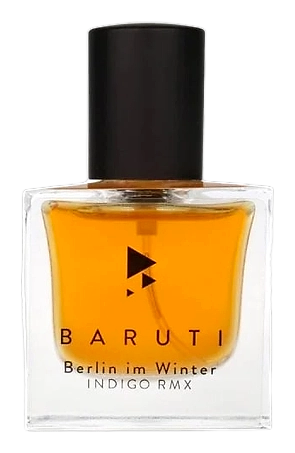
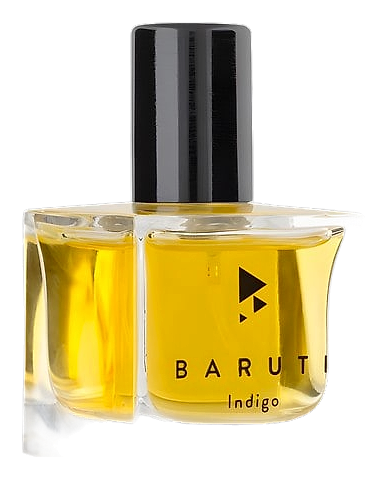
The Mediterranean island of Chios is where mastiha resin has been harvested for over a thousand years, a tradition Baruti honors in Indigo. Mastic opens the composition with a cool, resinous snap that feels simultaneously fresh and ancient. Hyacinth brings a green, floral lift that keeps the opening from settling into pure density, while rose adds a subtle sweetness that threads through the heart. Frankincense builds gradually, lending a smoky, sacred quality that deepens the aromatic landscape. Cedar and sandalwood anchor the base with their complementary woods: cedar sharp and dry, sandalwood creamy and warm. Noud provides a delicate musky structure while amber adds a touch of warmth that rounds everything inward.
The interplay between mastic's cool resin and frankincense's smoky warmth creates a compelling tension in Indigo. Neither dominates outright; instead they circle each other in a slow dance that evolves over the first hour. The green floral notes, hyacinth especially, act as mediators between these two poles, softening edges without erasing them. Cedar's arrival in the heart phase brings a dry, almost pencil-shaving clarity that cuts through the resinous richness, while rose adds a fleeting sweetness that prevents the composition from becoming too austere.
The evolution
Indigo announces itself with a cool, resinous bite from mastic that immediately sets it apart from typical fresh fragrances. This opening doesn't apologize for its intensity, it arrives sharp and stays sharp for the first fifteen to twenty minutes. The mastic reads as both fresh and slightly medicinal, a quality derived from the actual mastiha resin rather than any synthetic approximation. Gradually, the green floral notes emerge: hyacinth adds a watery, slightly green lift while rose introduces a subtle sweetness that tempers the resin's intensity. The frankincense builds slowly in the background, its smoky, incense-like quality adding depth without overwhelming. By the time cedar arrives, the composition has already undergone several subtle shifts, each note taking its turn at prominence.
Cultural impact
Indigo arrives in a market saturated with safe, mass-appealing aquatic fragrances, offering something substantively different. Its resinous-woody character positions it as an alternative for wearers tired of the same marine and citrus combinations that dominate the category. The use of mastic resin, a relatively rare material, gives it an aromatic signature that stands apart from more common fragrance families. Rather than competing on projection or longevity claims, Indigo relies on its distinctive olfactory profile to attract a specific audience: those who appreciate complexity and are willing to let a fragrance unfold over time.