Greek Fennel
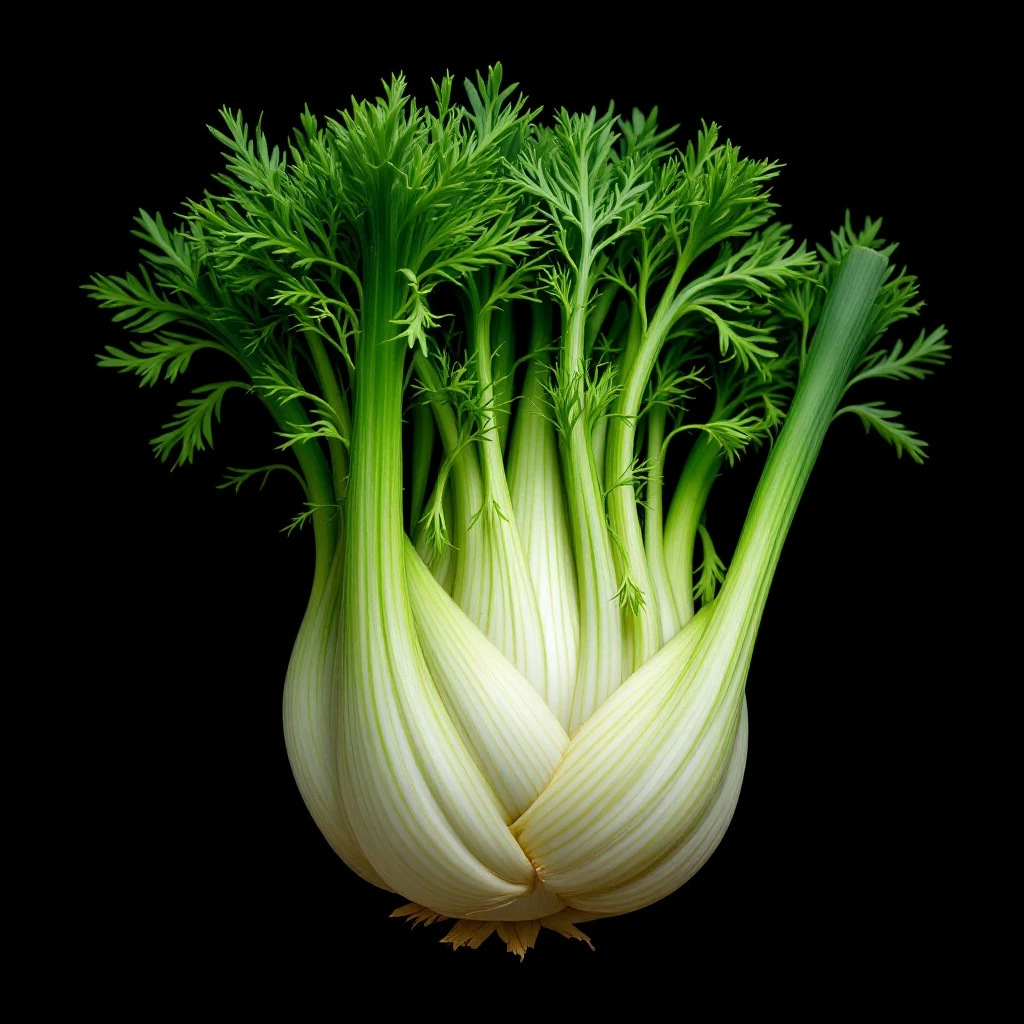
Greek fennel (Foeniculum vulgare) yields a warm, aromatic essential oil from its sun-ripened seeds, capturing the sun-drenched herbal spirit of the Mediterranean. Its sweet, licorice-like character has perfumed preparations since antiquity.
Character
How it smells
The ancient Greeks' aromatic herb, distilled into liquid sunshine.
The same compound that gives fennel its characteristic aroma, anethole, is also found in anise and star anise, creating a shared family of scents across unrelated plants.







Origin
Greece
Fennel held sacred status among ancient Greeks, who burned it as incense and incorporated it into ceremonial preparations. The earliest perfume factory ever discovered sits in Pyrgos, Cyprus, built around 2000 BCE, demonstrating that Mediterranean civilizations had already mastered botanical extraction by that era. Greek physicians documented fennel in medicinal preparations, establishing its dual role in fragrance and healing traditions.
This knowledge spread through Roman and Arab periods of refinement, though the Greeks can take credit for creating the first liquid perfume. Today, Greek fennel continues this ancient lineage, cultivated in the same region where perfumery began.
Wears it best
Fragrances featuring Greek Fennel
Brands
Brands known for Greek Fennel
Good to know
Questions, answered
The essentials on Greek Fennel in perfumery: how it smells, where it comes from, and how it behaves on skin.
What does Greek fennel essential oil smell like?
Greek fennel oil has a warm, sweet, licorice-like aroma with herbaceous undertones. The scent is softer and more nuanced than anise, with a pleasant anethole character that blends well with other aromatics.
Which part of the fennel plant is used for perfumery?
The seeds are the primary source for essential oil extraction. Seed oil typically yields 1.0 to 5.0 percent essential oil through steam distillation, with the highest quality oil coming from properly dried, mature seeds.
What is the main aromatic compound in fennel oil?
Trans-anethole comprises 70 to 90 percent of fennel essential oil, responsible for its characteristic sweet, licorice-like aroma. This compound is shared with anise and star anise, creating a recognizable scent family.
How is Greek fennel oil extracted?
Steam distillation of dried fennel seeds is the standard extraction method. Steam passes through the dried seeds, carrying volatile compounds into a condenser where they separate from the water, yielding the essential oil.
Is Greek fennel oil natural or synthetic?
Greek fennel oil is 100 percent natural, extracted from Foeniculum vulgare seeds grown in Greece. The Mediterranean climate contributes to the distinctive character of Greek-origin fennel.
What other ingredients does fennel oil pair well with in perfumery?
Fennel oil complements citrus, floral, and woody materials. It works particularly well with bergamot, lavender, rose, sandalwood, and cedar, adding depth and herbal complexity to fragrance compositions.
Does fennel oil have any traditional uses beyond perfumery?
Fennel has been used in traditional medicine and culinary applications for centuries. Ancient Greek physicians documented its digestive properties, and it remains popular in Mediterranean cuisine and herbal preparations.
What gives Greek fennel its distinctive character?
The Mediterranean growing conditions in Greece produce fennel with exceptional seed quality and aromatic complexity. Greek fennel specifically refers to varieties cultivated in this region, where fennel has been grown since antiquity.