Grass Tree
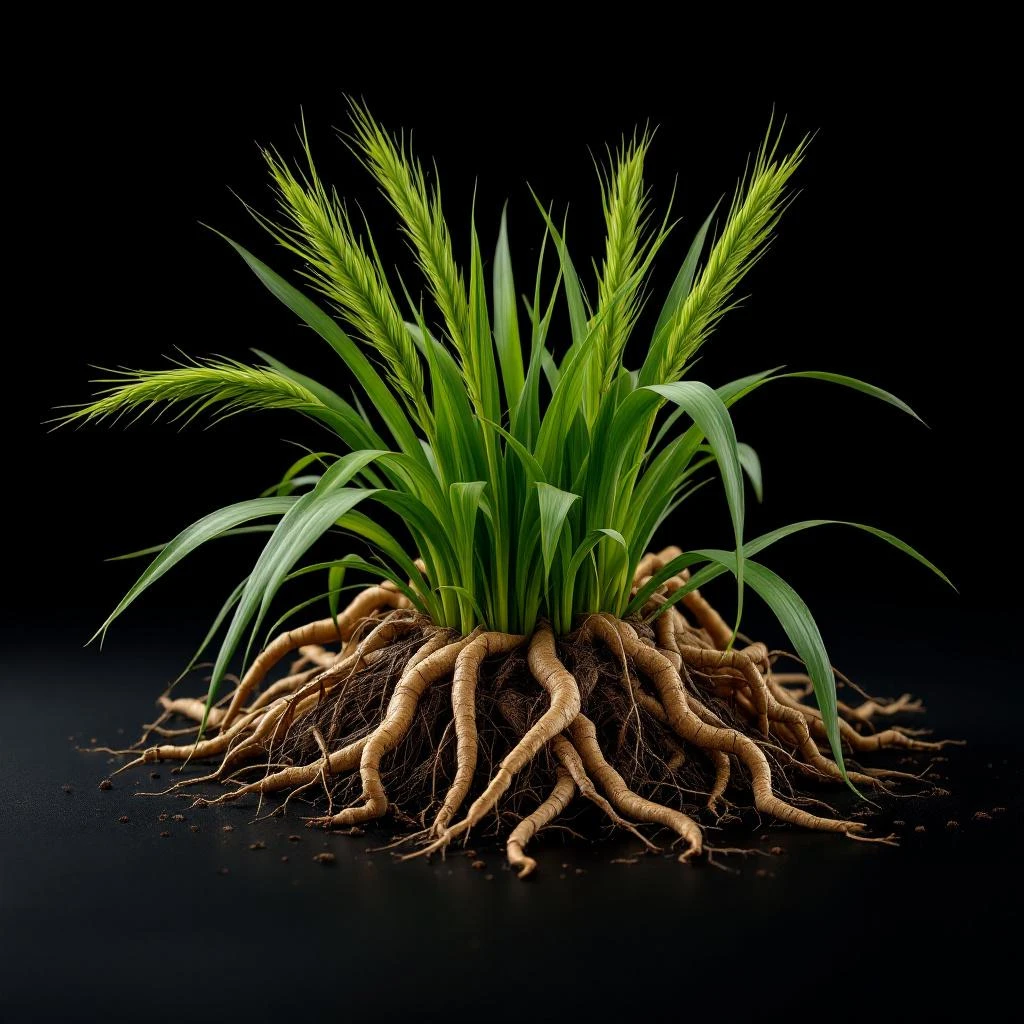
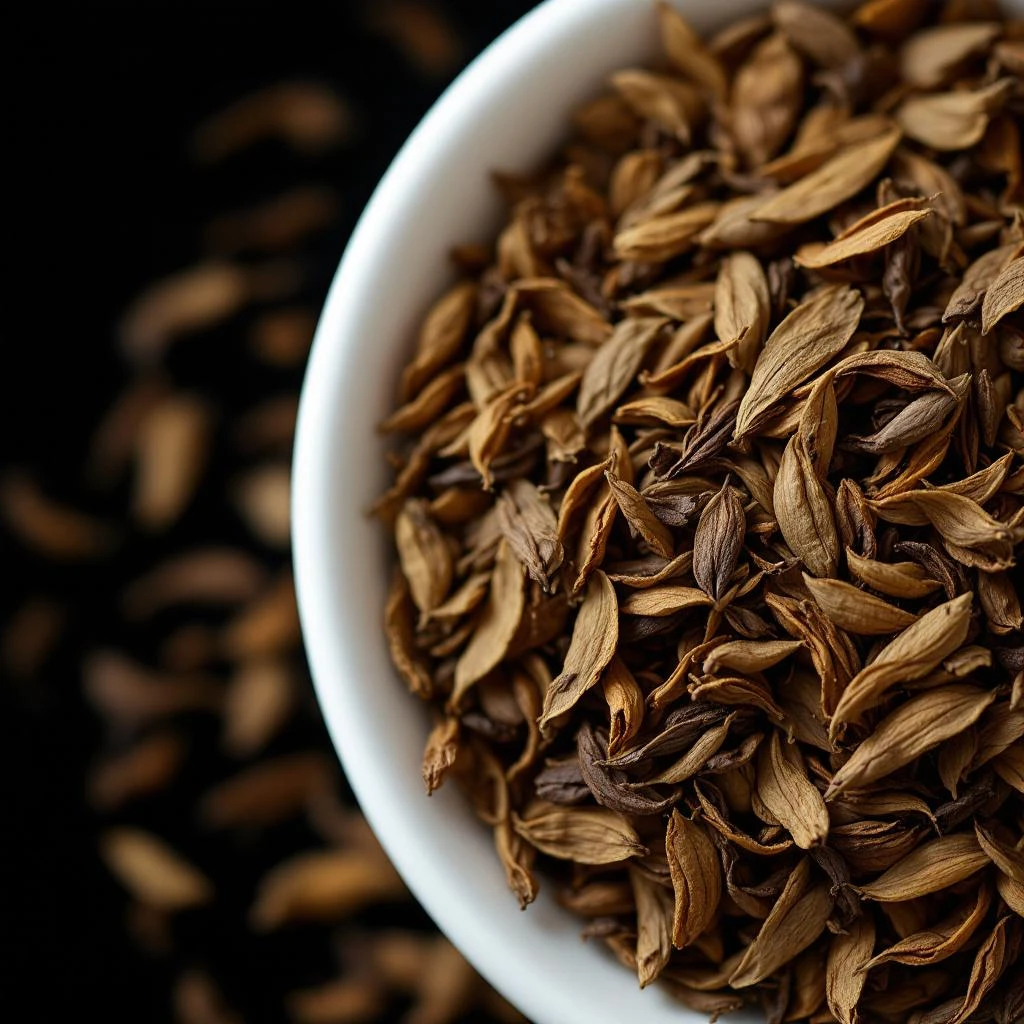
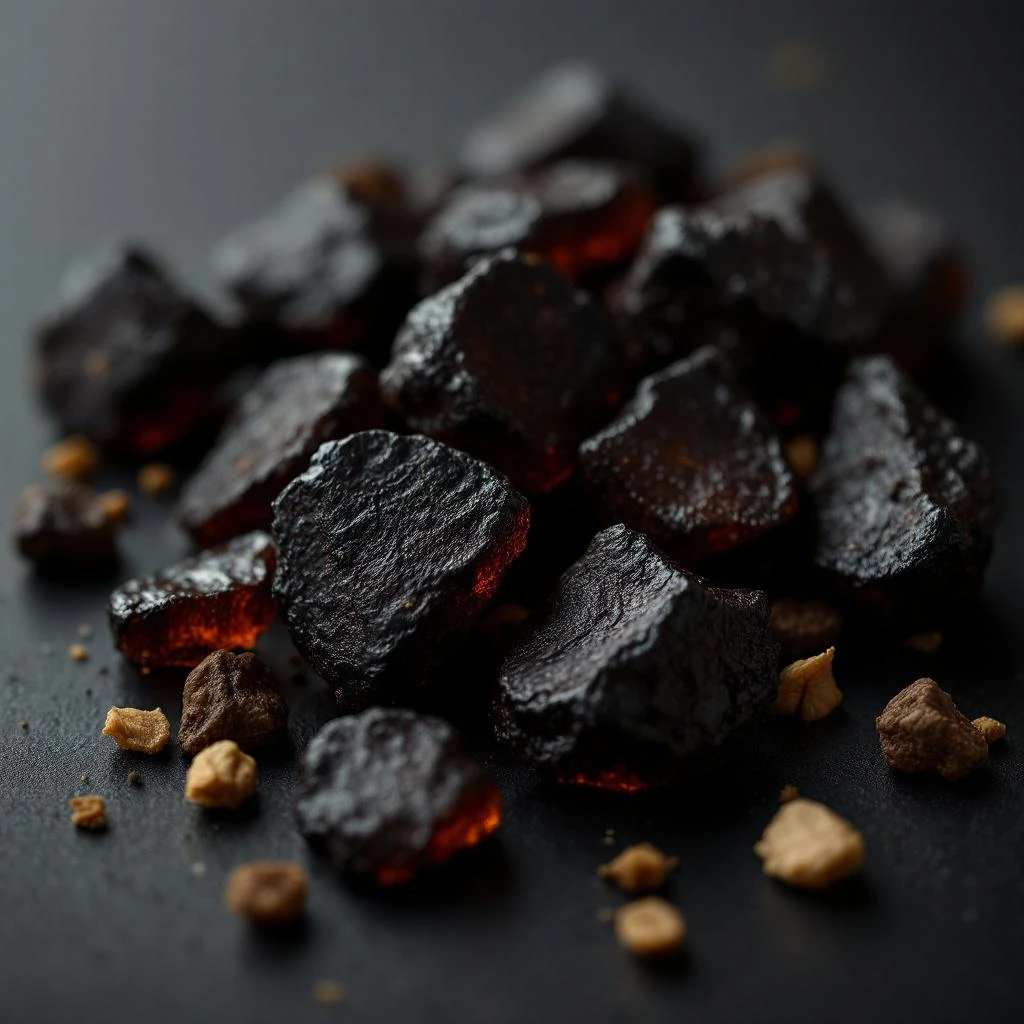
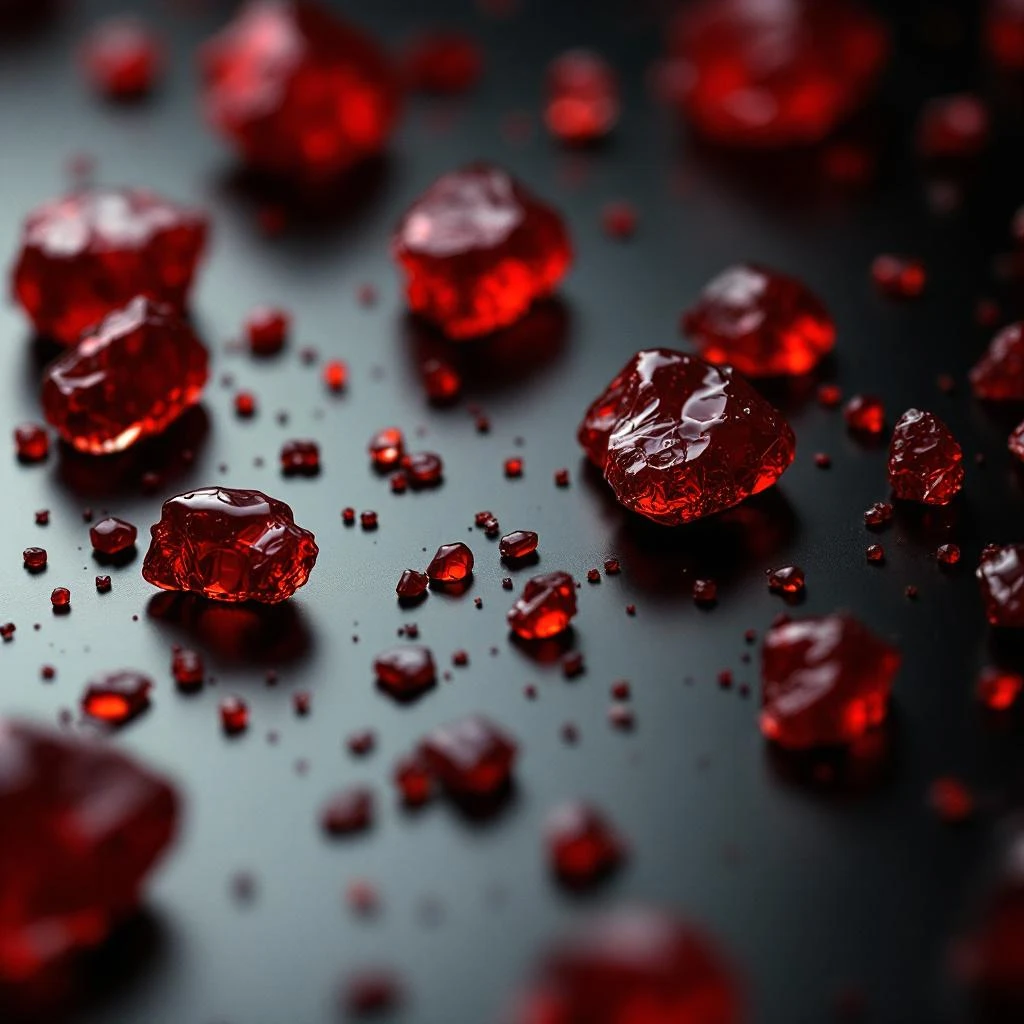
Grass tree resin captures the ancient soul of the Australian outback in a warm, smoky, balsamic essence that has perfumed blends for centuries.
Character
How it smells
Ancient resin from the Australian outback with warm, smoky warmth
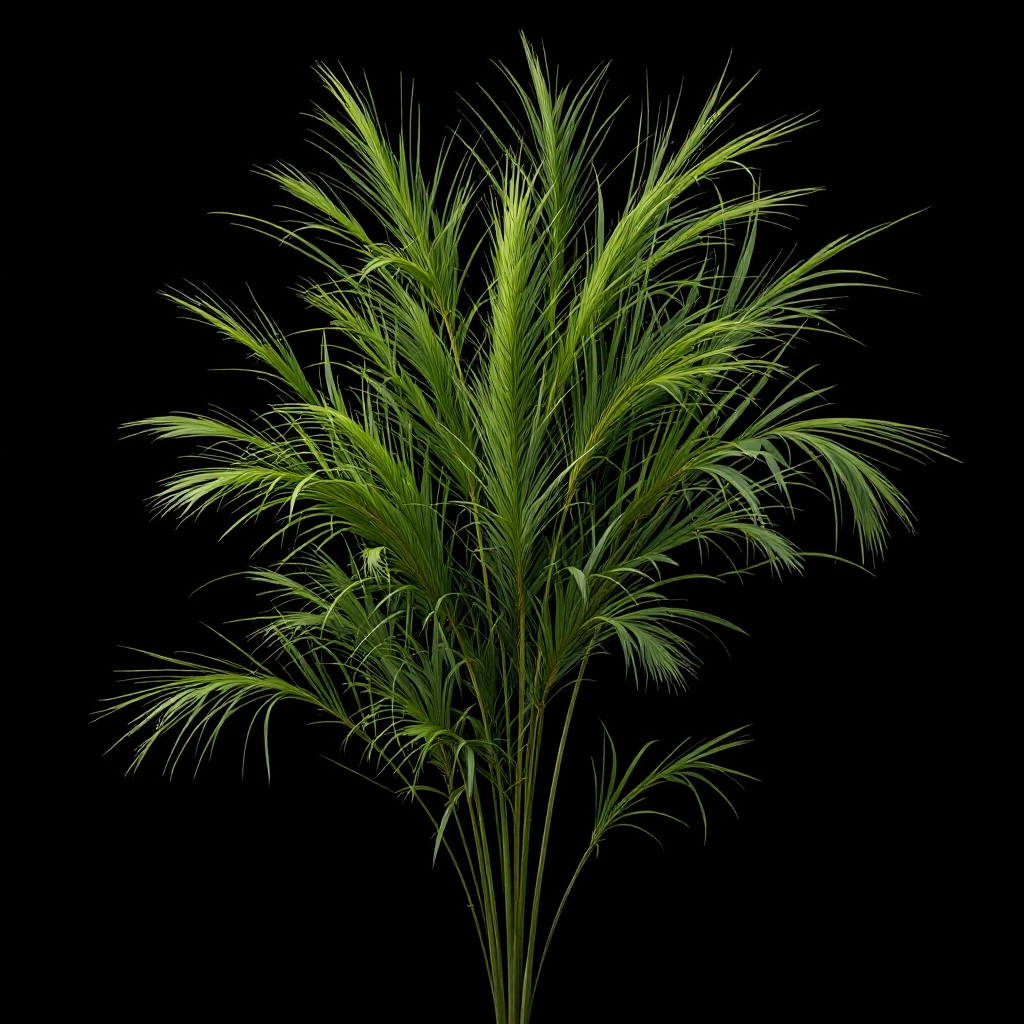
Grass trees grow so slowly that some specimens are estimated to be over 1,000 years old, earning them the nickname 'living fossils.'


Origin
Australia
Australian Aboriginal peoples have used grass tree resin for thousands of years, employing it as an adhesive, sealant, and fragrant component in ceremonial practices. The resin held deep cultural significance, often used in torch-making and traditional medicine. When European settlers arrived in the 18th and 19th centuries, they observed these traditional uses and began exploring the material for commercial applications.
By the early 20th century, grass tree resin had found its way into the burgeoning perfume industry, valued for its ability to add depth and a unique smoky-balsamic quality to fragrance compositions. Today, it remains a relatively rare ingredient, used sparingly by perfumers seeking to introduce an unmistakably ancient, earthy character into their formulations.
Wears it best
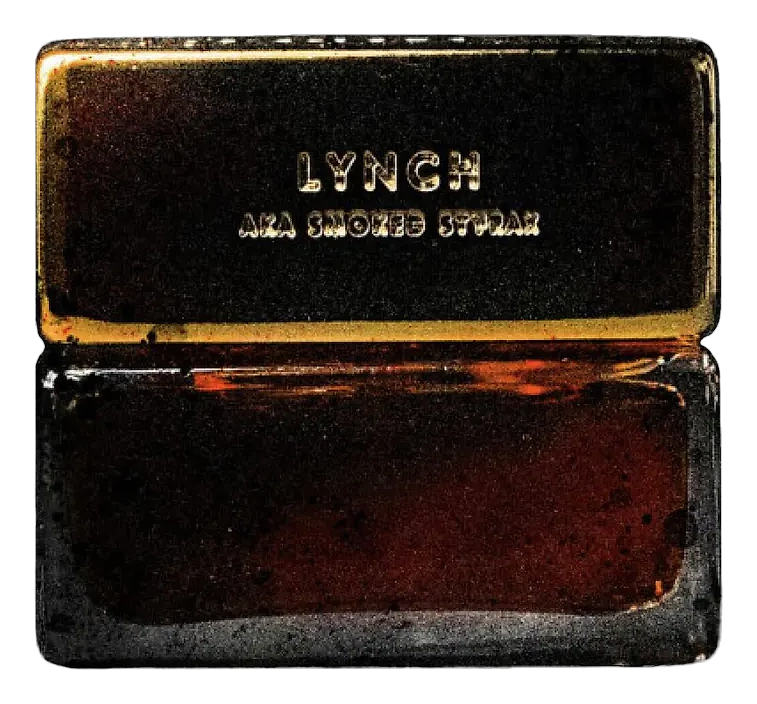
Fragrances featuring Grass Tree
Brands
Brands known for Grass Tree
Good to know
Questions, answered
The essentials on Grass Tree in perfumery: how it smells, where it comes from, and how it behaves on skin.
What does grass tree smell like?
Grass tree resin offers a warm, smoky aroma with sweet balsamic undertones and hints of honey. It adds earthy depth to fragrances and works well as a base note that lingers on the skin.
Where does grass tree originate from?
Grass tree (Xanthorrhoea) grows natively across Australia, particularly in the southwestern regions. These slow-growing plants have thrived in Australian landscapes for thousands of years.
How is grass tree resin harvested?
Harvesters carefully collect resin from the stem base and leaf bases of mature plants. The material is then processed using solvent extraction, which separates the aromatic compounds from waxes and impurities.
Why is grass tree considered rare in perfumery?
Grass tree grows extremely slowly, with some specimens living over 1,000 years. Sustainable harvesting practices limit supply, making this ingredient uncommon and valued among natural raw materials.
What fragrances pair well with grass tree?
Grass tree works alongside woody materials like sandalwood and cedar, resinous ingredients such as frankincense, and smoky accords. It also complements amber and vanilla directions.
Has grass tree been used historically in perfumery?
Aboriginal Australians used grass tree resin for millennia before European settlers introduced it to Western perfumery in the early 20th century. Its smoky-balsamic quality has since featured in niche fragrance formulations.
Is grass tree resin sustainable?
Ethical producers harvest from cultivated plantations or wild stands using careful methods that allow plants to regenerate. Buying from certified sources helps ensure sustainable supply chains.
How long does grass tree last in a fragrance?
As a resinous base note, grass tree contributes to fragrance longevity on skin for six to eight hours. Its molecules bind well to skin chemistry, creating a lingering warm, smoky dry-down.