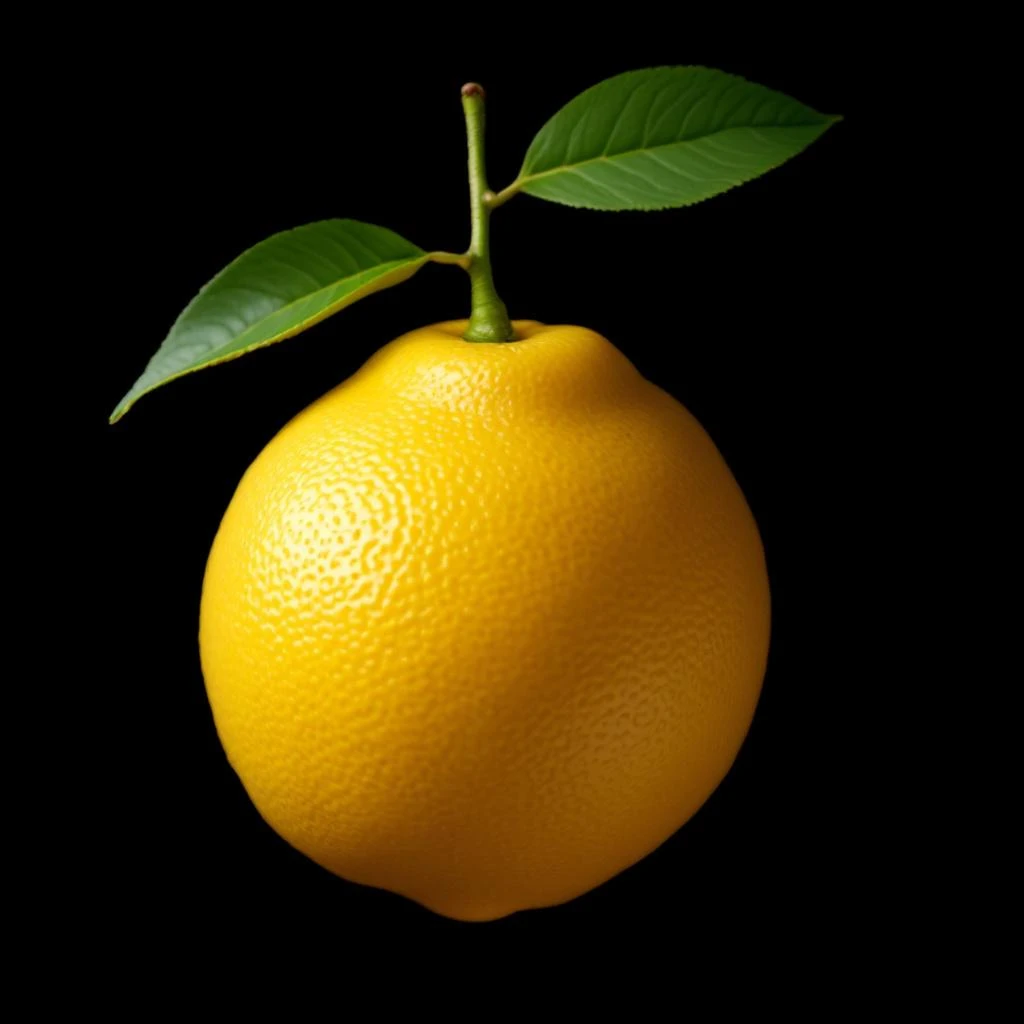
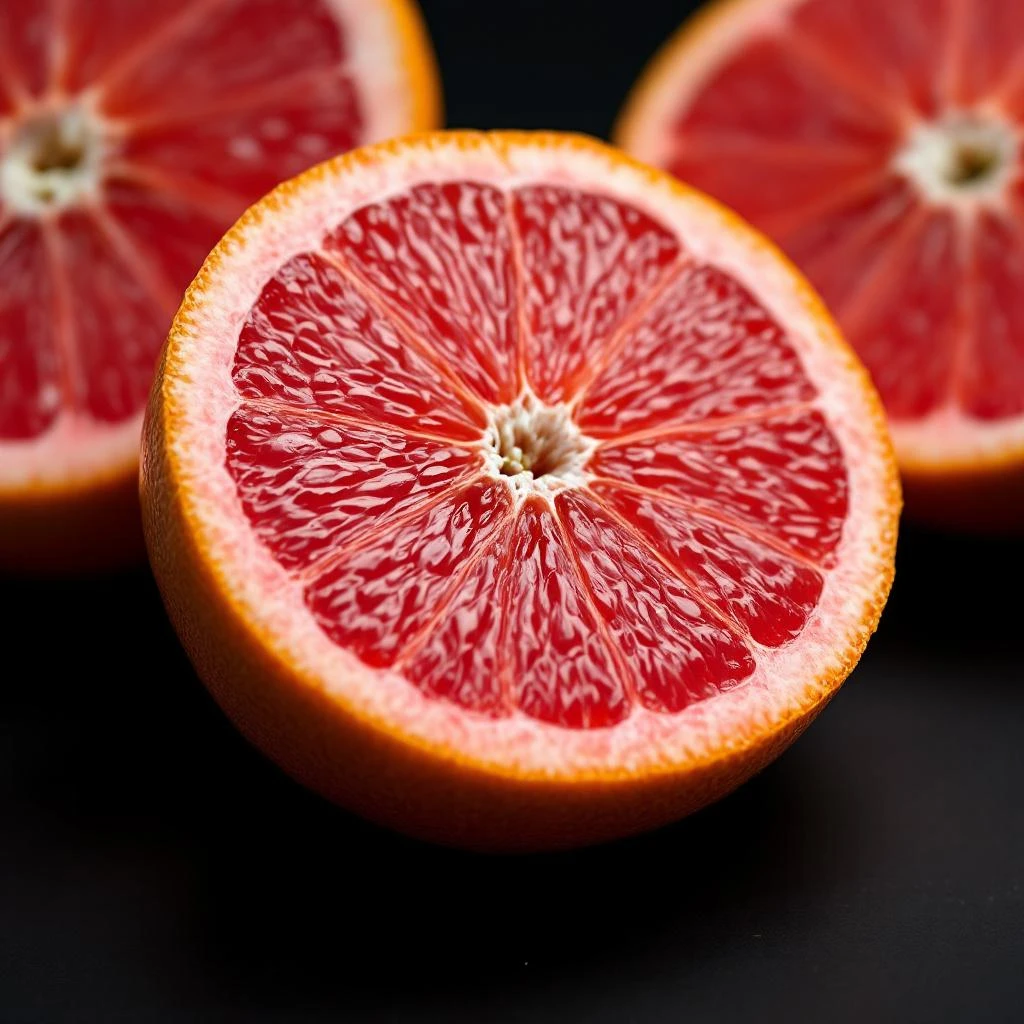
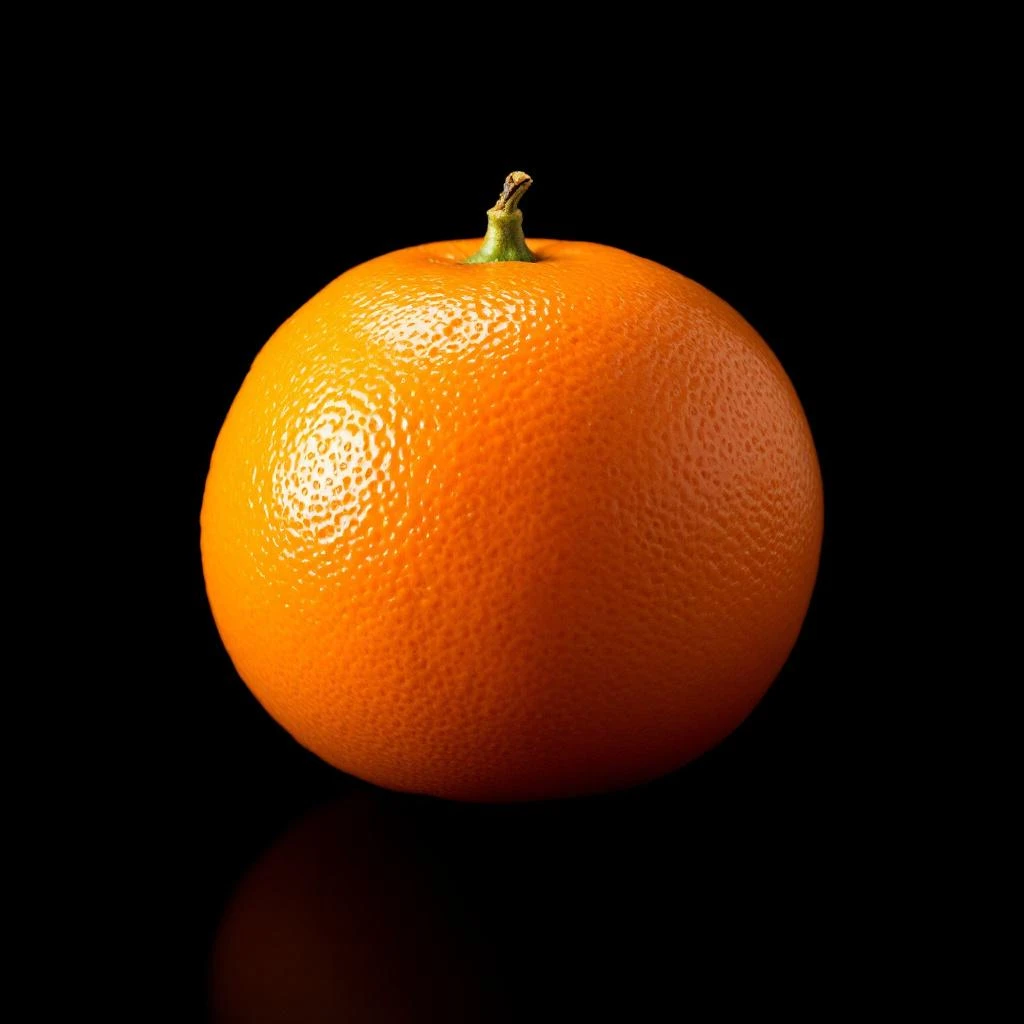
Grapefruit Tree
Grapefruit essential oil injects a burst of morning light into perfumery. First produced commercially in 1930s Florida, this citrus heavyweight now defines countless modern top notes with its unmistakable sparkle.
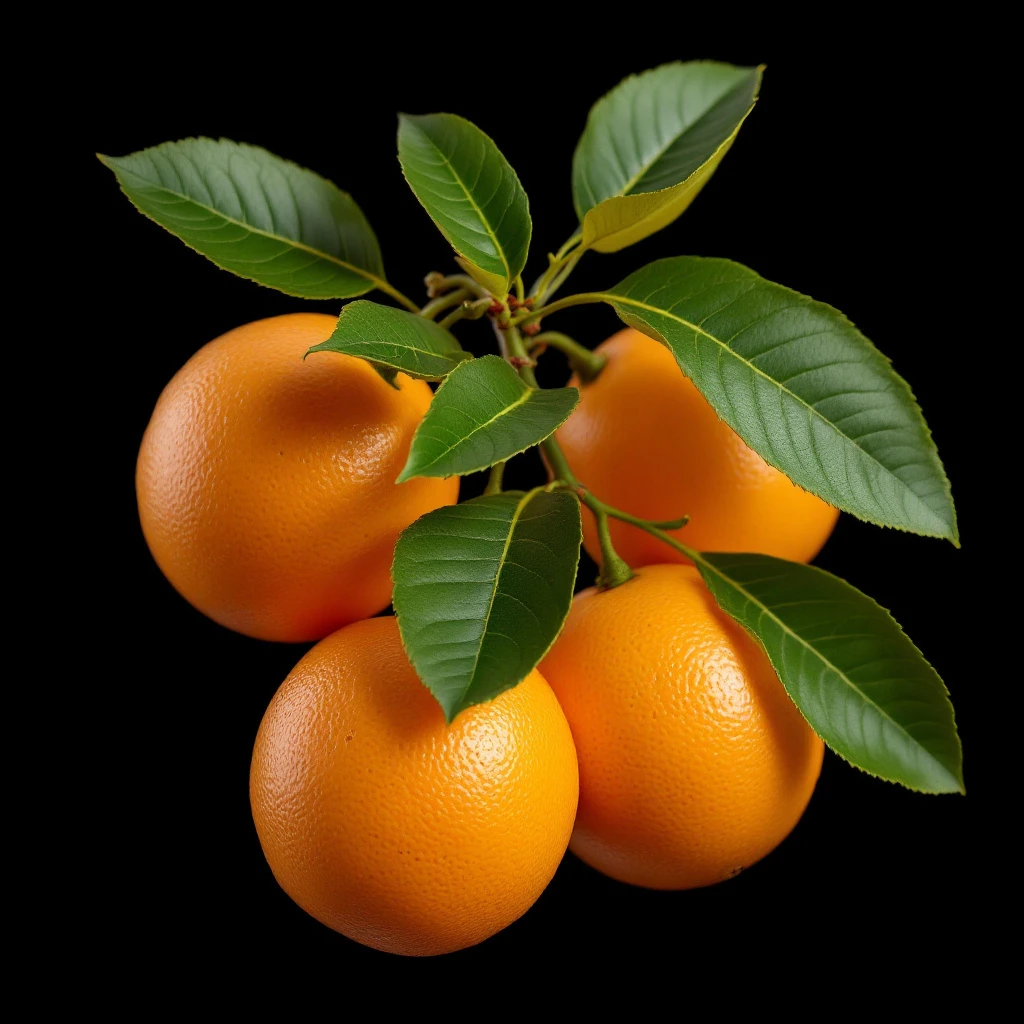
Character
How it smells
Bright citrus, instant clarity.
It takes roughly 1,000 kg of peels to yield just 3-5 kg of essential oil.






Origin
United States
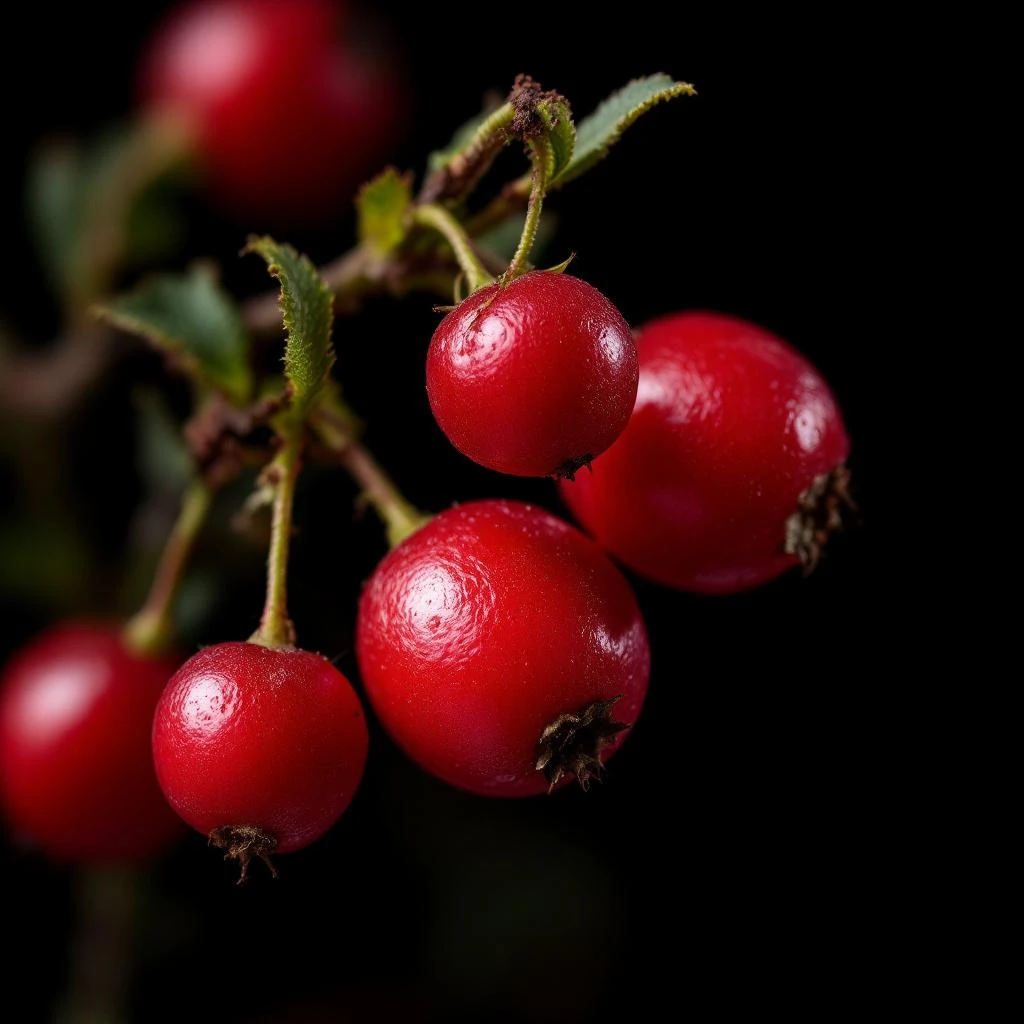
Grapefruit originated in the Caribbean as a natural hybrid of sweet orange and pomelo, first documented on Barbados in the 1750s. The fruit spread through the West Indies and reached Florida by the early 1800s. Commercial cultivation expanded worldwide through the 19th century, though the fruit remained primarily a food crop.
The pivotal moment arrived in 1933 when Florida's citrus industry, devastated by freezes and oversupply in the fresh fruit market, pivoted to essential oil production. This move transformed grapefruit from agricultural commodity to perfumery ingredient, with the zest proving far more valuable than the fruit itself. The timing aligned perfectly with advances in synthetic aroma chemistry from the late 1800s, allowing perfumers to pair natural citrus oils with lab-created materials.
Grapefruit oil enabled a new generation of fragrances built around bright, sparkling top notes rather than heavy floral or oriental bases. Today, grapefruit remains one of the most recognizable citrus notes in perfumery, with Florida still producing the majority of world supply alongside expanding cultivation in Texas, California, Israel, and South Africa.
Wears it best
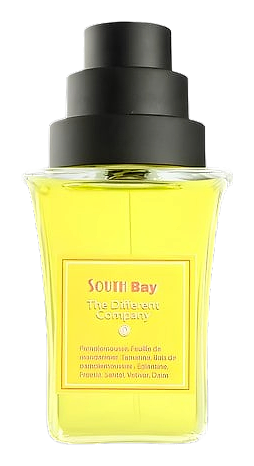
Fragrances featuring Grapefruit Tree

Brands
Brands known for Grapefruit Tree
Good to know
Questions, answered
The essentials on Grapefruit Tree in perfumery: how it smells, where it comes from, and how it behaves on skin.
Why is grapefruit oil so popular in perfumery?
Grapefruit oil dominates top notes because its bright, tangy character creates immediate freshness. The scent signals cleanliness and energy, making it a staple in modern fragrances designed to feel light and contemporary.
How is grapefruit oil extracted from the fruit?
Cold expression mechanically ruptures oil glands in the peel. Machines prick and roll whole fruit over rotating cylinders, then press to separate aromatic oil from juice. Heat-free processing preserves volatile compounds responsible for the characteristic fresh scent.
What distinguishes natural grapefruit oil from synthetic versions?
Natural oil contains hundreds of微量 compounds creating complex, nuanced scent that shifts slightly between batches. Synthetics like Nootkatone reproduce the dominant aroma but lack the subtle variation and depth found in cold-pressed oil.
Does grapefruit oil smell the same across different seasons?
No. Natural grapefruit oil varies by harvest timing and growing conditions. Weather, soil, and ripeness at harvest all influence the final aromatic profile, giving each batch a unique character that perfumers carefully select.
What fragrance families pair well with grapefruit oil?
Grapefruit complements almost every lighter fragrance family. It pairs naturally with other citruses, florals like neroli and jasmine, herbs such as rosemary and basil, and light woods like cedar. It also brightens heavier compositions.
Can grapefruit oil cause skin reactions?
Like most citrus oils, grapefruit oil contains furanocoumarins that increase photosensitivity. IFRA restricts concentration in skin products. Cold-pressed versions used in fine perfumery undergo careful quality control to manage these compounds.
Is the juice or the peel used for grapefruit fragrance?
Only the peel produces the essential oil. The zest contains specialized oil glands absent in the flesh. Juice and zest share the fruit but differ dramatically in aromatic applications and extraction methods.
Why did commercial grapefruit oil production begin in Florida?
A devastating 1894-95 freeze pushed Florida citrus growers to diversify beyond fresh fruit sales. By 1933, commercial oil production emerged as a profitable alternative, establishing infrastructure that still dominates global supply.