Golden Osmanthus
Golden Osmanthus delivers one of perfumery's most coveted apricot-floral signatures—rare, precious, and anchored in centuries of Chinese tradition.
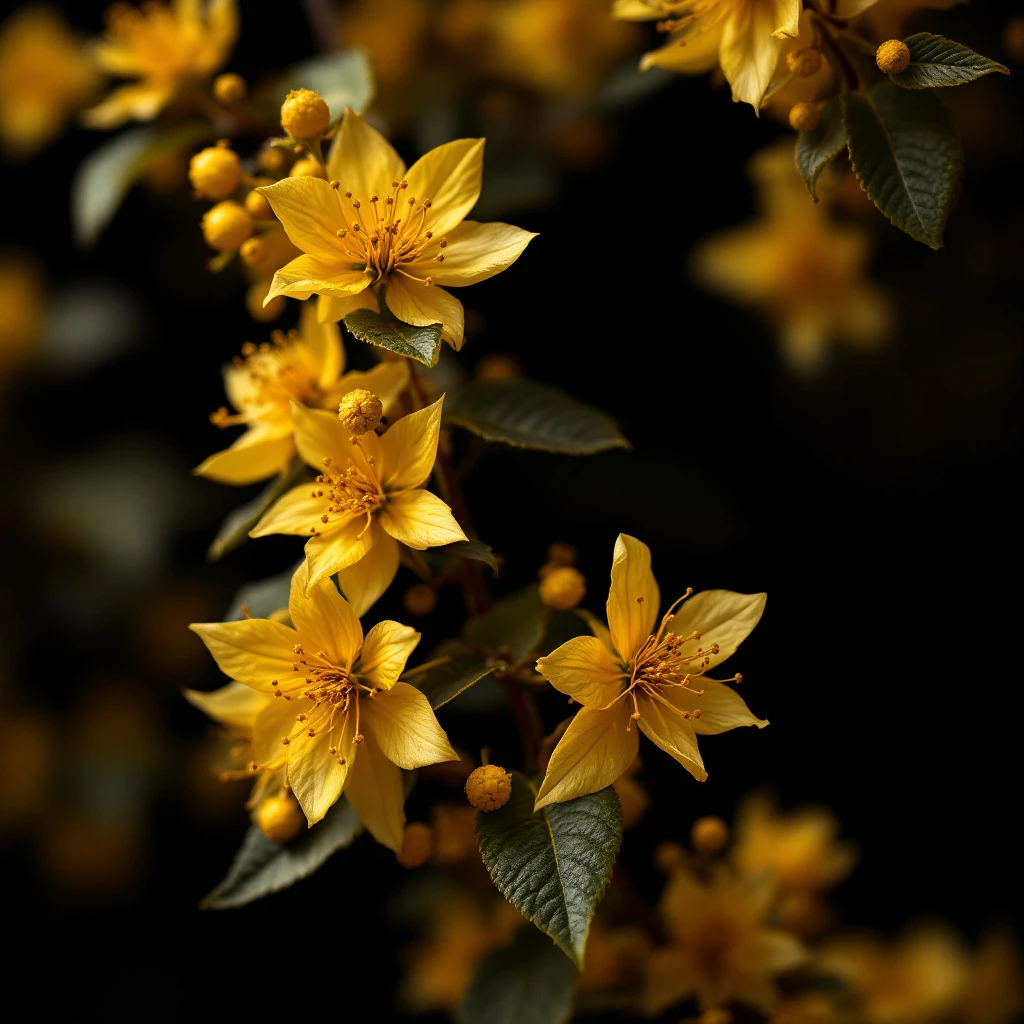
Character
How it smells
Perfumery's rare apricot-gold treasure from Southern China.
The word osmanthus means 'fragrant flower' in Greek, yet this East Asian bloom has never been successfully cultivated for perfume production outside China.


Origin
China
Osmanthus has been cultivated in China for over 2,500 years, primarily in the humid subtropical regions between Guilin and Yangzhou along the ancient Grand Canal. Chinese perfumers historically prized this flower for four essential qualities: thickness, clarity, longevity, and reach—describing its scent as something that envelops, resonates, and lingers far beyond the initial impression. The flower became integral to traditional medicine, tea ceremony, and seasonal celebrations, with osmanthus-flavored tea remaining a cornerstone of Chinese hospitality for centuries.
Hangzhou adopted osmanthus as its city flower, honoring the ancient groves that still blanket the surrounding hillsides. European perfumers first encountered the ingredient through colonial trade routes, but the delicate bloom resisted all attempts at cultivation outside its native terroir. Today, China remains the sole commercial producer of osmanthus concrete, making this golden flower one of the most geographically restricted ingredients in modern perfumery.
Its scarcity and cultural significance have elevated it from traditional botanical to symbol of East Asian floral artistry.
Wears it best
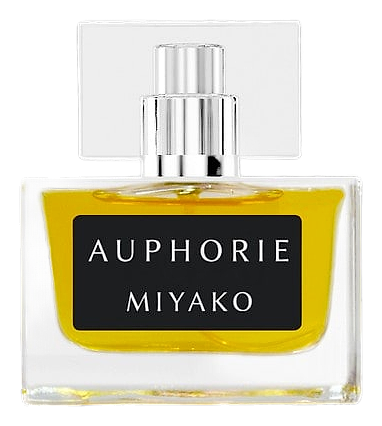
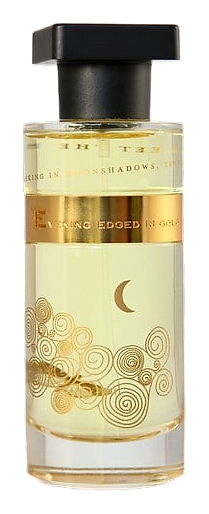
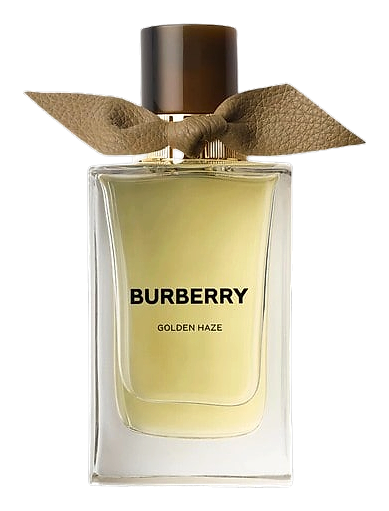
Fragrances featuring Golden Osmanthus
Good to know
Questions, answered
The essentials on Golden Osmanthus in perfumery: how it smells, where it comes from, and how it behaves on skin.
What does Golden Osmanthus smell like?
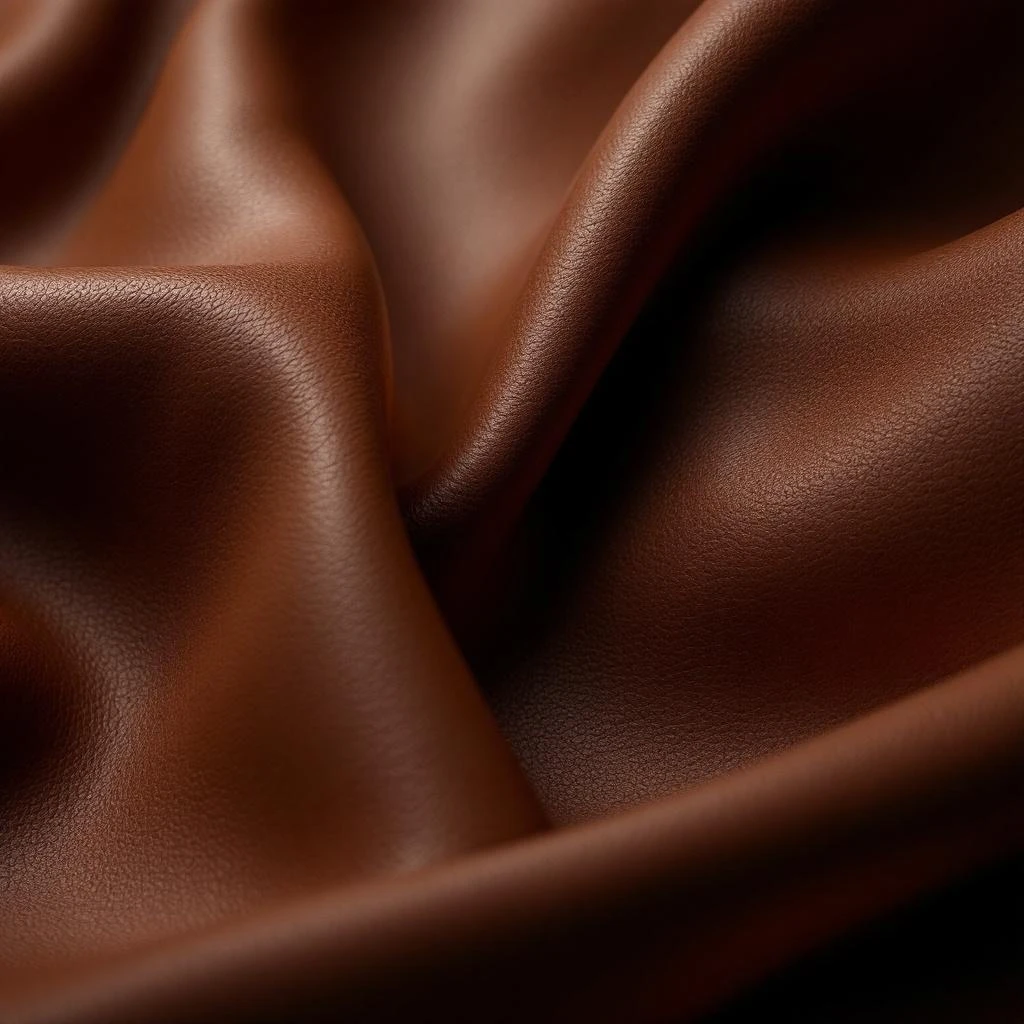
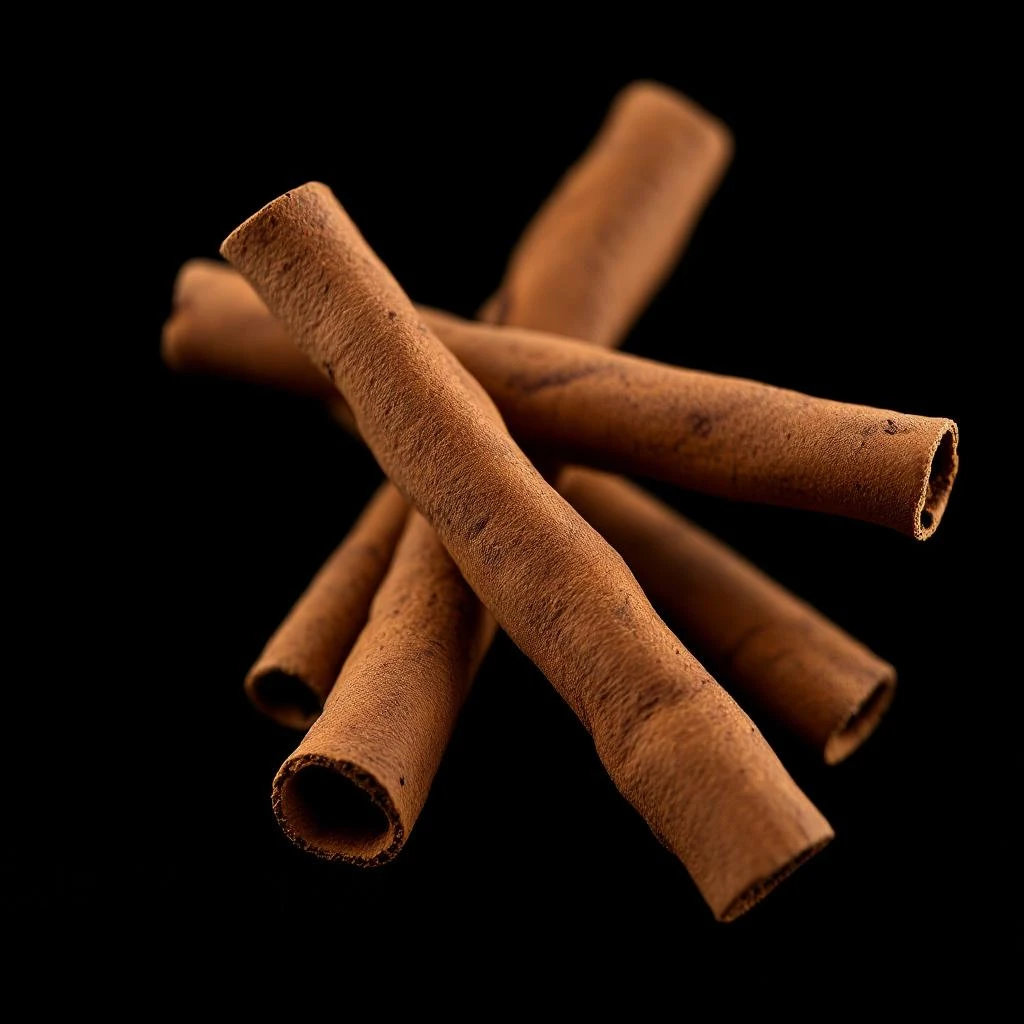
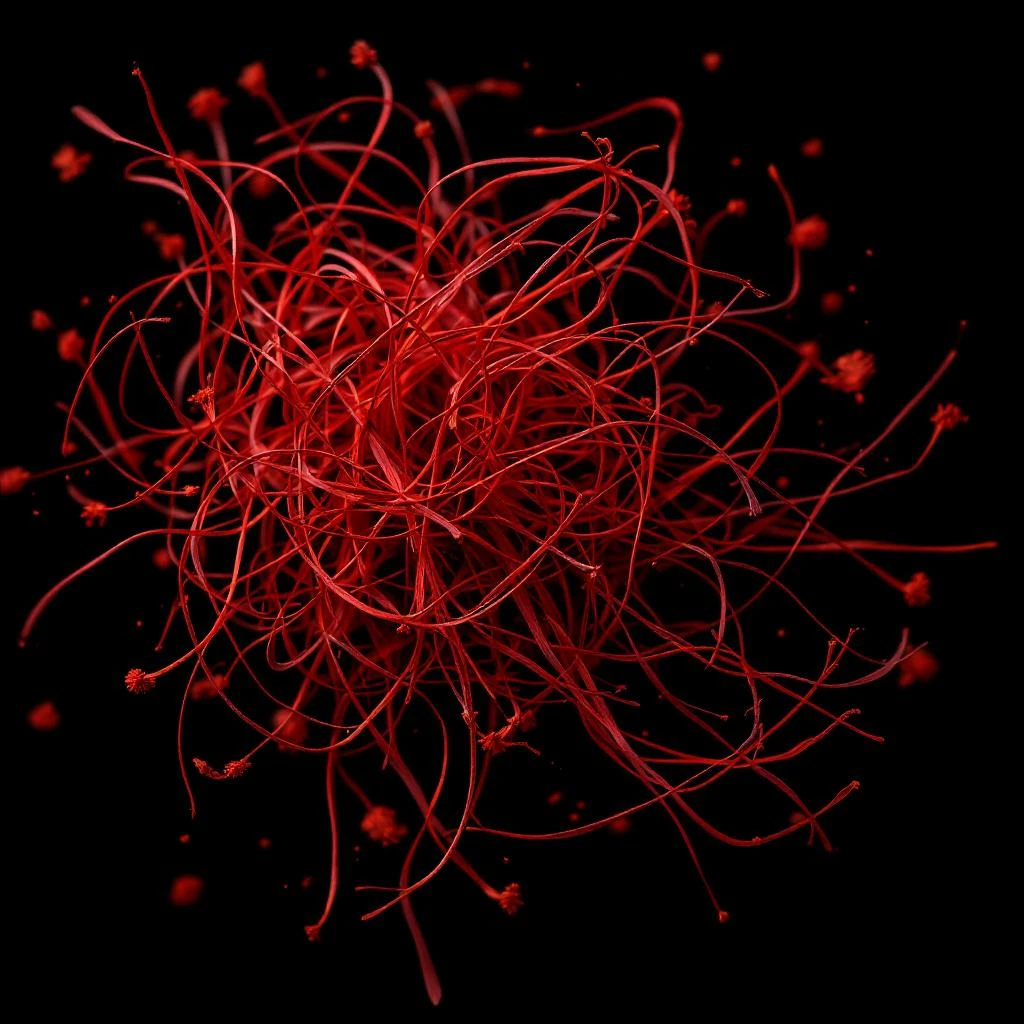
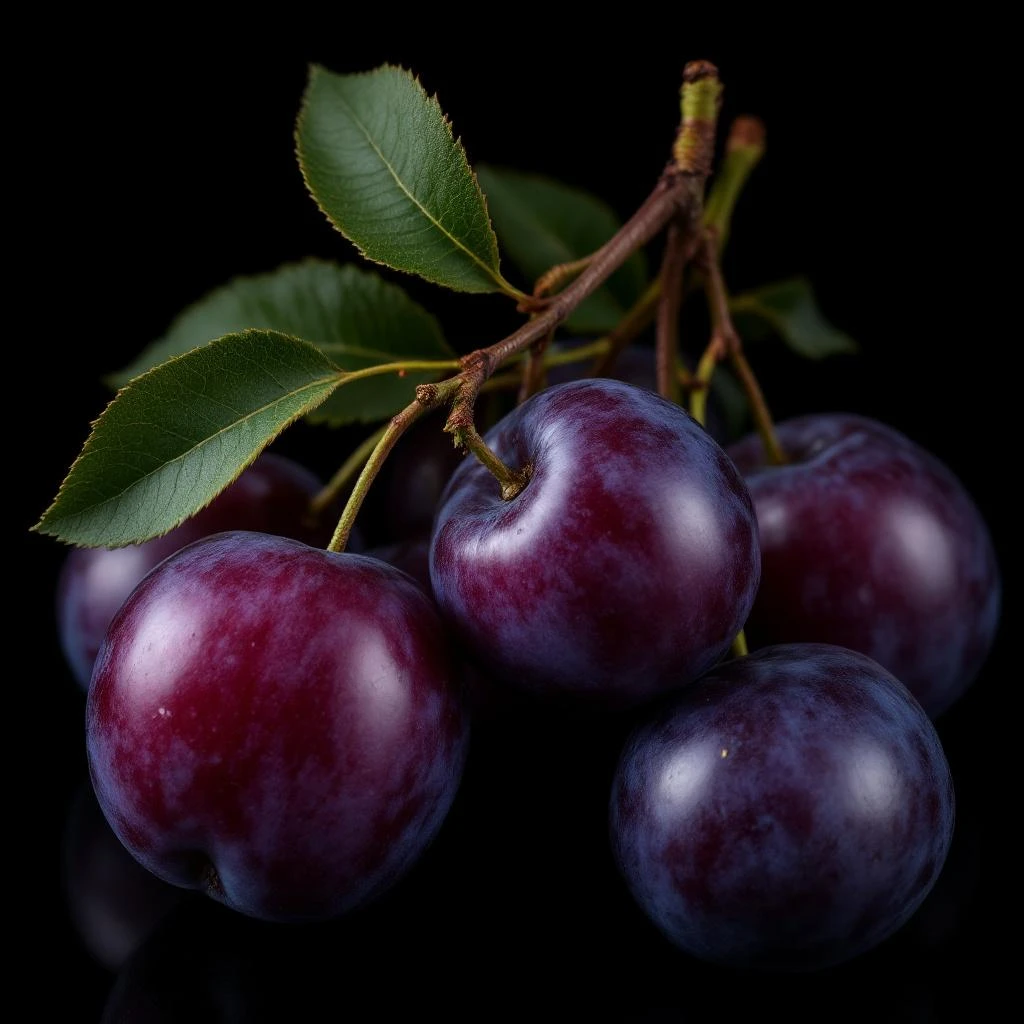
Golden Osmanthus smells like ripe apricot wrapped in soft suede with a lingering tea-like warmth. Its fruity-floral character sets it apart from conventional florals.
Why is osmanthus so expensive?
Approximately one ton of osmanthus blossoms yields only one kilogram of concrete. Combined with a two-to-three-week annual harvest window and China holding a production monopoly, scarcity drives value.
Where does osmanthus grow?
Osmanthus thrives in Southern China between Guilin and Yangzhou, where humid subtropical climates and fertile soils create ideal growing conditions for the Guilin-Yangzhou corridor.
How is osmanthus extracted for perfume?
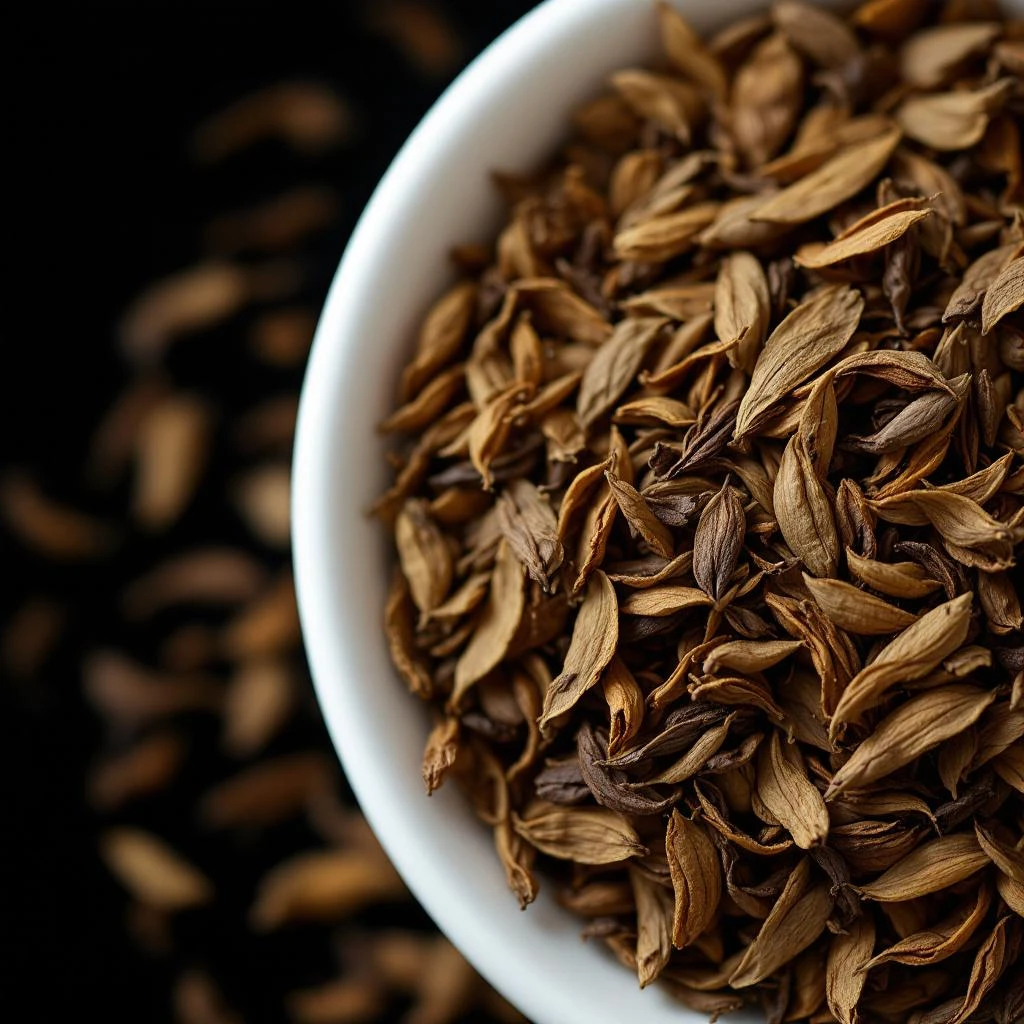
Fresh osmanthus flowers undergo solvent extraction to produce concrete, which is then processed into absolute. The golden-orange flower varieties yield the highest quantities of usable fragrance material.
What colors of osmanthus are used in perfumery?
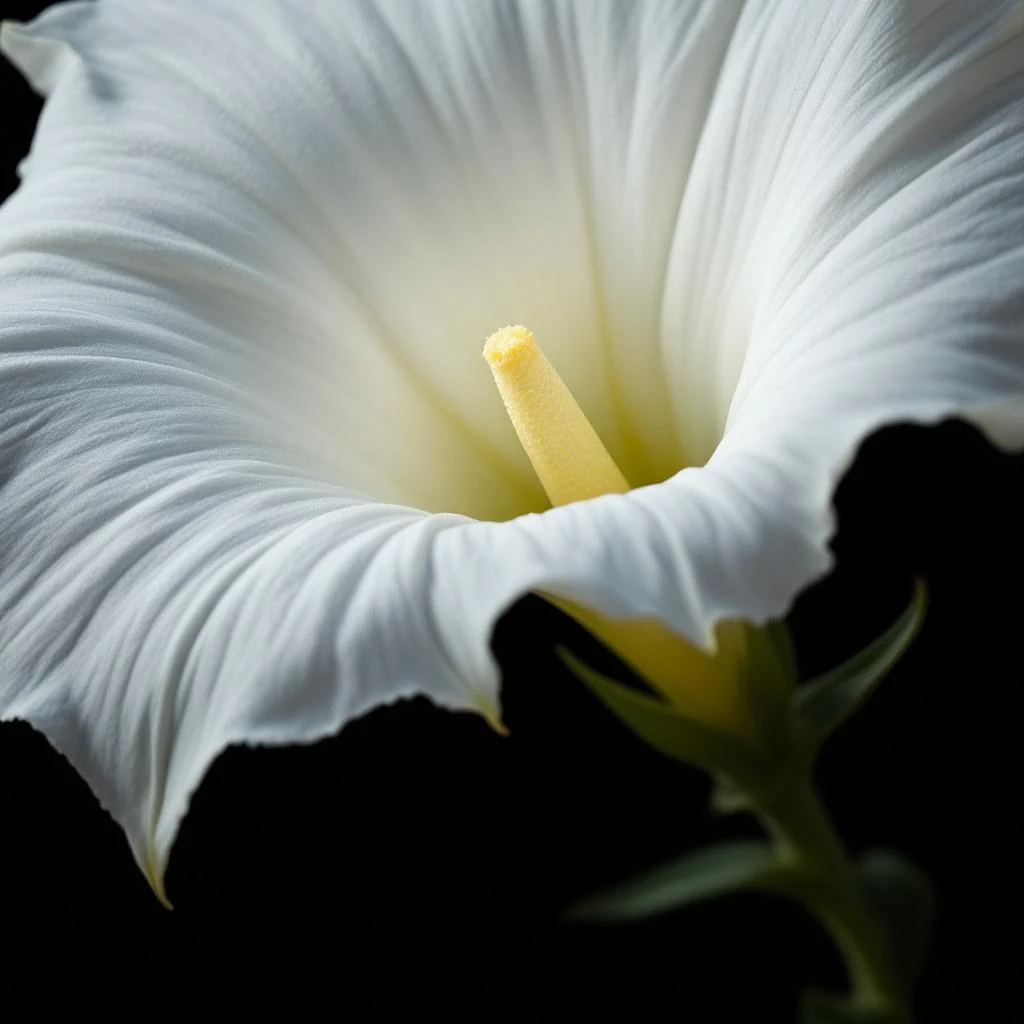
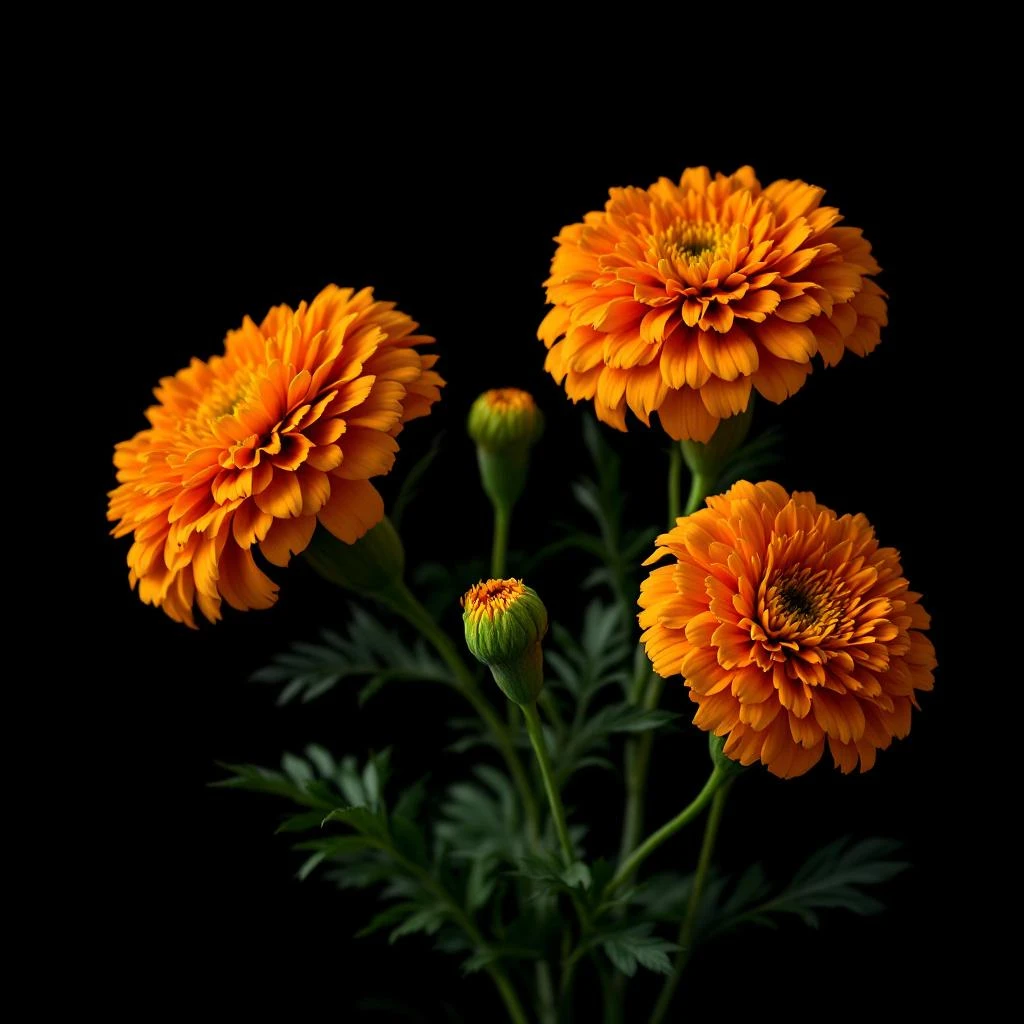
Only golden-orange osmanthus flowers are used commercially. Silver-white varieties produce insufficient fragrance material for extraction despite their visual appeal in gardens.
How long has osmanthus been used in perfumery?
Chinese traditional perfumery and medicine have utilized osmanthus for over 2,500 years, making it one of the oldest continuously used fragrant botanicals in human history.
Can osmanthus be cultivated outside China?
All commercial cultivation remains in China. Despite numerous international attempts, osmanthus has never successfully established productive perfume-grade crops outside its native terroir.
What pairs well with osmanthus in fragrance?
Osmanthus harmonizes with woody notes like sandalwood and vetiver, other florals such as jasmine and rose, and contrast beautifully with leather and amber materials.





