Glazed Pear
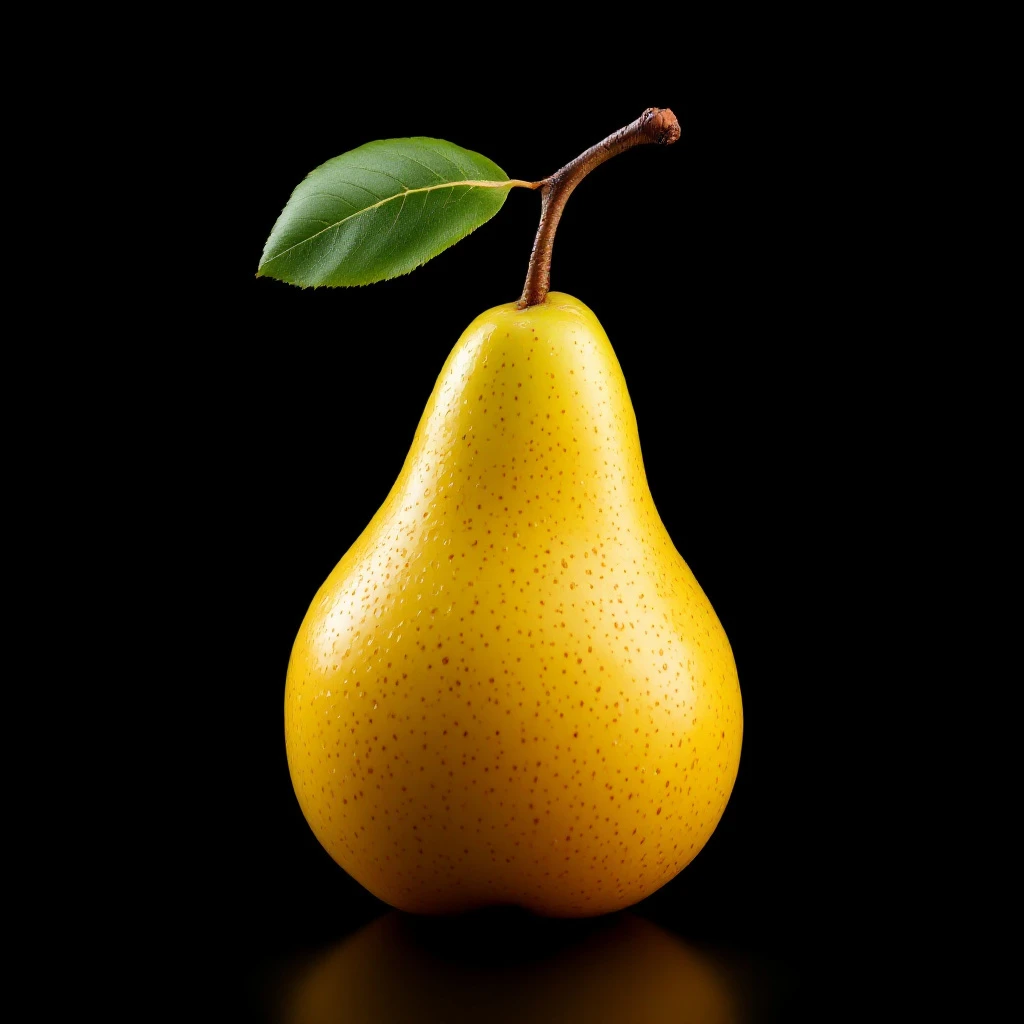
A confectioner's dream made molecular. Glazed pear captures the syrupy sweetness of caramelized fruit, a modern accord born from ester chemistry rather than orchard harvests.
Character
How it smells
Caramelized fruit, bottled.
Natural pear essence is notoriously fragile and evaporates quickly, so perfumers rely on synthetic esters like ethyl (2E,4Z)-2,4-decadienoate to recreate its aroma.




Origin
France
Pears have appeared in culinary and medicinal preparations for over three thousand years, but their role in perfumery is remarkably recent. Until the late twentieth century, recreating a convincing pear scent was nearly impossible because the responsible aroma molecules existed in such tiny concentrations and proved too fragile for traditional extraction.
The breakthrough came with advances in ester chemistry during the 1990s, when researchers identified and synthesized the specific compounds responsible for the fruit's characteristic scent. Ethyl (2E,4Z)-2,4-decadienoate emerged as the star molecule, a compound present at mere parts-per-billion levels in real fruit yet capable of delivering an unmistakably pear-like impression at higher concentrations.
This discovery coincided with the gourmand fragrance trend, when perfumers like Thierry Mugler had already demonstrated audiences craved edible, dessert-like compositions. Glazed pear as a concept crystallized in the 2000s, when niche and mainstream houses alike embraced the accord for its ability to add juicy sweetness without the medicinal sharpness of older fruit bases.
Wears it best
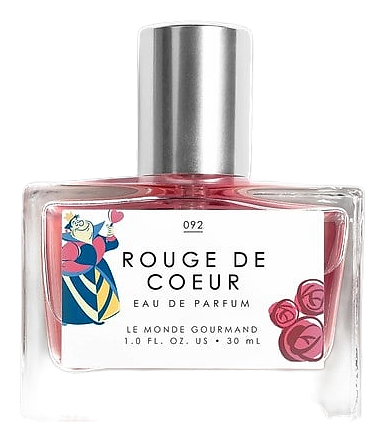
Fragrances featuring Glazed Pear
Brands
Brands known for Glazed Pear
Good to know
Questions, answered
The essentials on Glazed Pear in perfumery: how it smells, where it comes from, and how it behaves on skin.
Is glazed pear a natural or synthetic fragrance ingredient?
Glazed pear is almost always synthetic. Natural pear oil is too delicate to extract at commercial scale, so perfumers build the scent using specific ester molecules developed through late twentieth-century chemistry.
What does glazed pear smell like in perfume?
It smells like caramelized or candied fruit, syrupy and sweet with a juicy, almost candy-like character. The effect suggests pears simmered in sugar rather than freshly picked from a tree.
Which chemical compound creates the pear scent?
Ethyl (2E,4Z)-2,4-decadienoate is the primary aroma compound responsible. It occurs naturally in Bartlett pears at trace levels and can be synthesized to deliver a concentrated pear impression.
When did pear first appear in perfumery?
Pear became a viable perfumery ingredient in the late twentieth century. Prior to advances in ester chemistry, recreating a realistic pear aroma was technically impossible for commercial fragrance.
What fragrance families feature glazed pear?
Glazed pear belongs primarily to the gourmand family. It also appears in fruity floral compositions where its sweetness softens white-flower heart notes like jasmine or orange blossom.
Why can't perfumers extract natural pear oil easily?
Pears contain extremely low concentrations of volatile aromatic compounds, and those present degrade quickly when exposed to heat. Traditional steam distillation destroys the delicate fruit character entirely.
How is a glazed pear accord constructed?
Perfumers blend ethyl decadienoate with sweet lactones, vanillin, and caramelizing agents like maltol. This layering produces the candied, syrupy effect rather than a fresh orchard-fruit impression.
Does glazed pear smell like real pears?
Not exactly. The glazed descriptor signals a caramelized, candy-like interpretation. For a fresher pear effect, perfumers use greener esters and leafy accords alongside the base fruit molecule.





