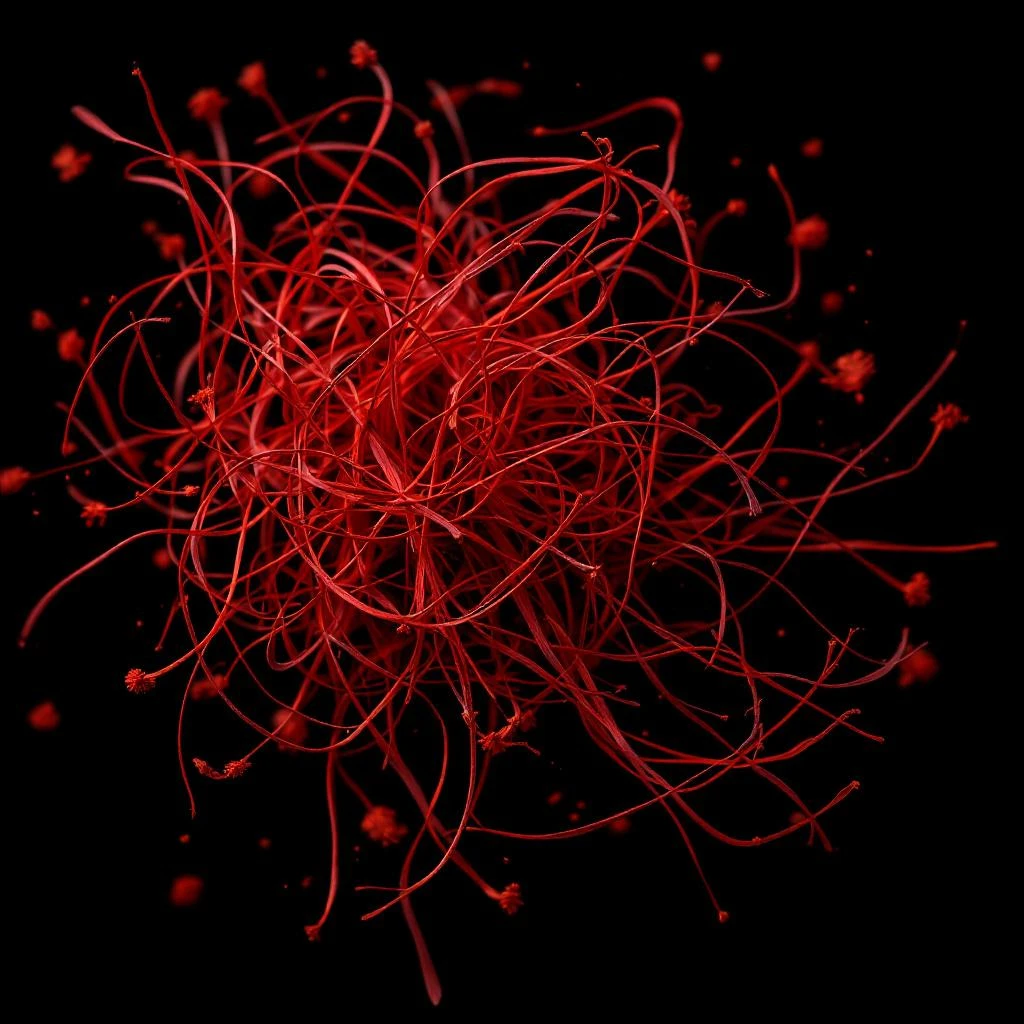
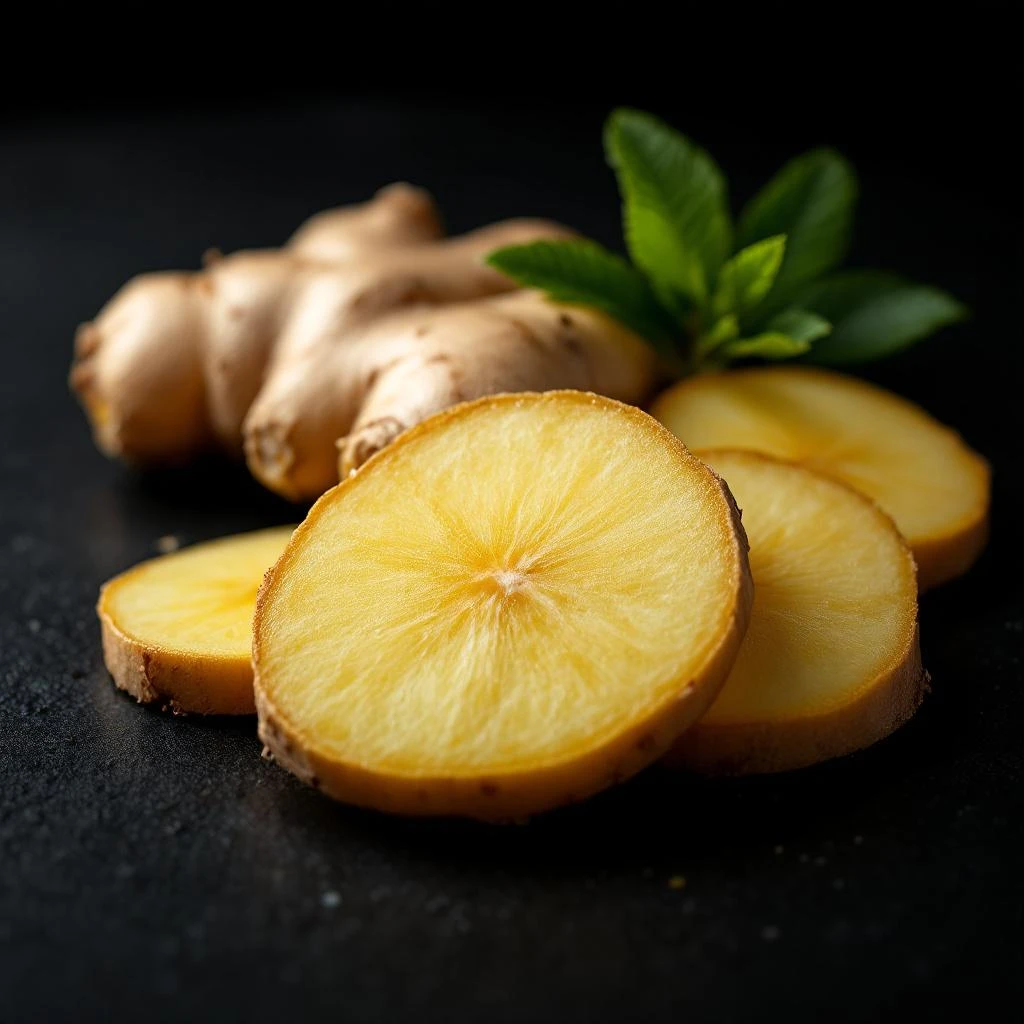
Ginger Peel
Bright citrus-fresh peel with a clean, peppery snap, lending perfume compositions a polished lift and lively texture.
Character
How it smells
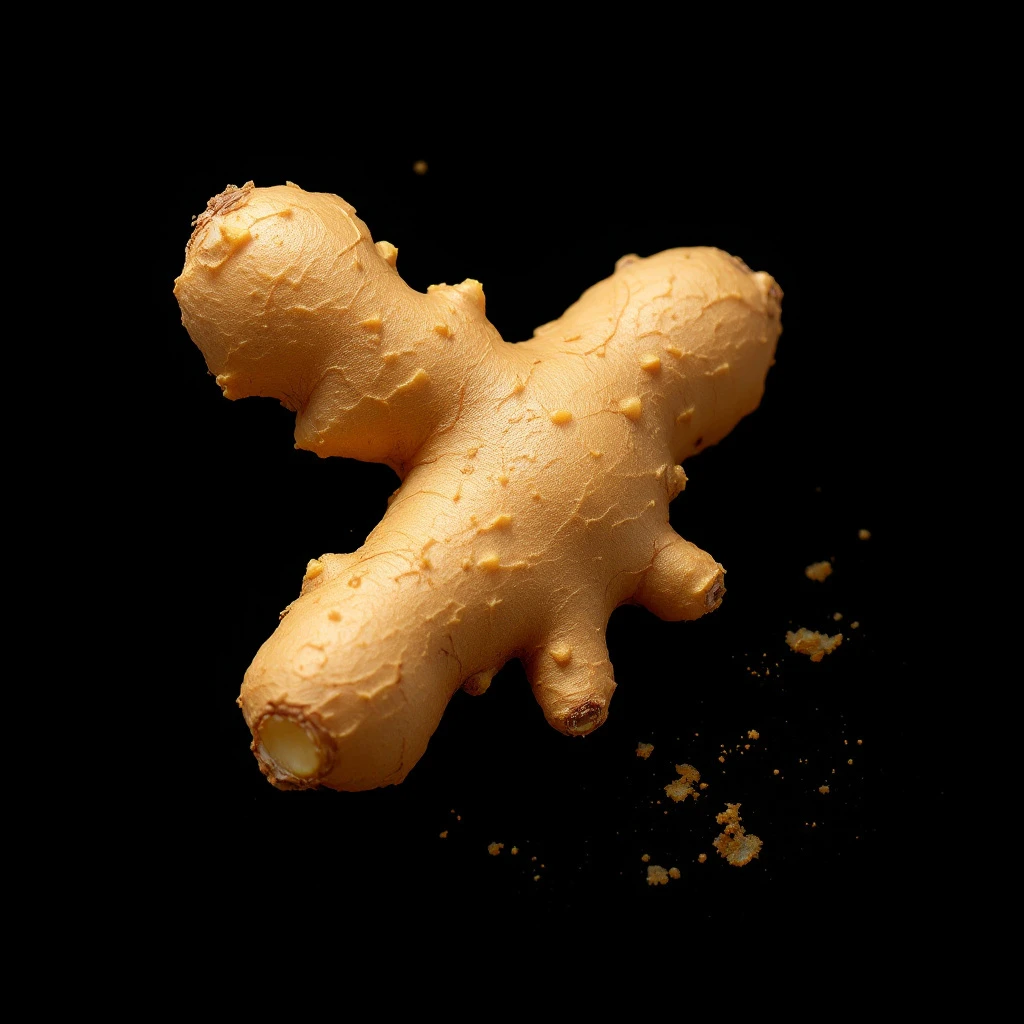
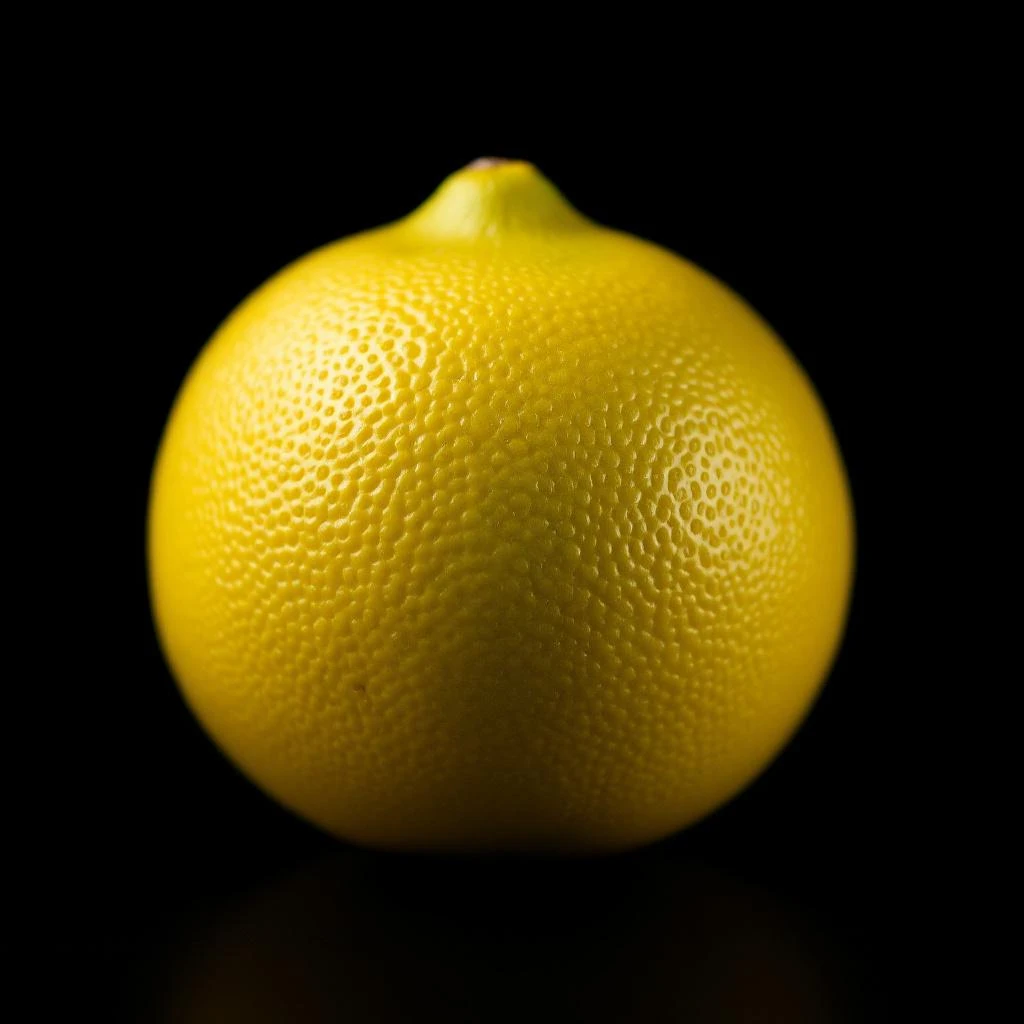
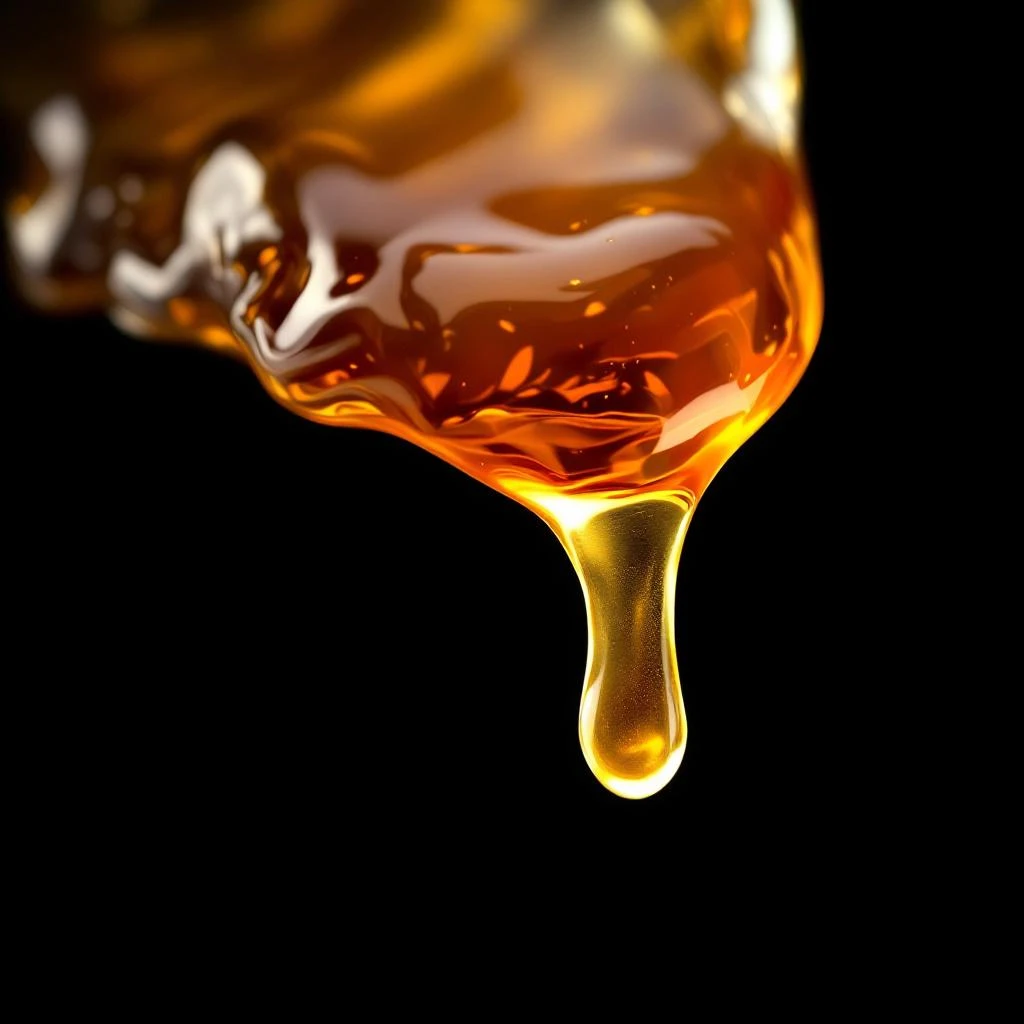
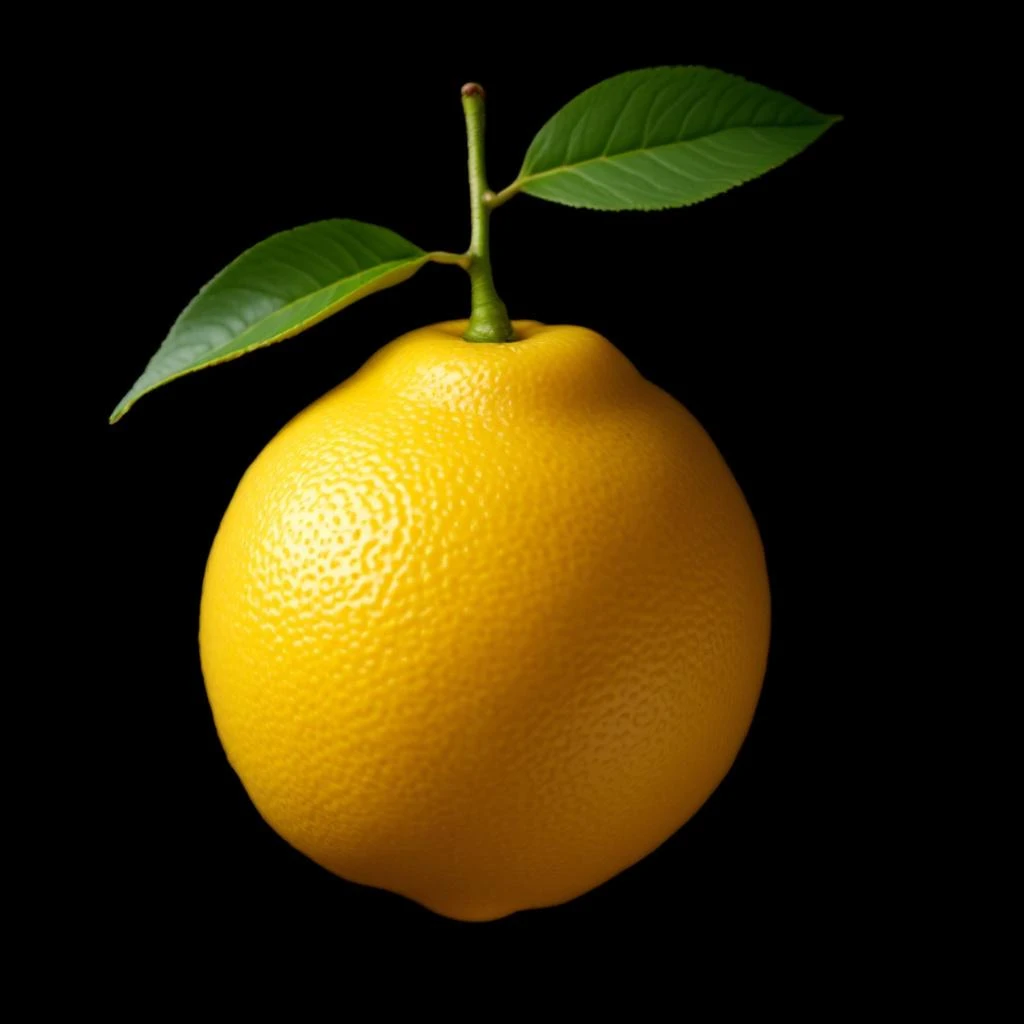
Zesty peel, sharpened by ginger's warmth.
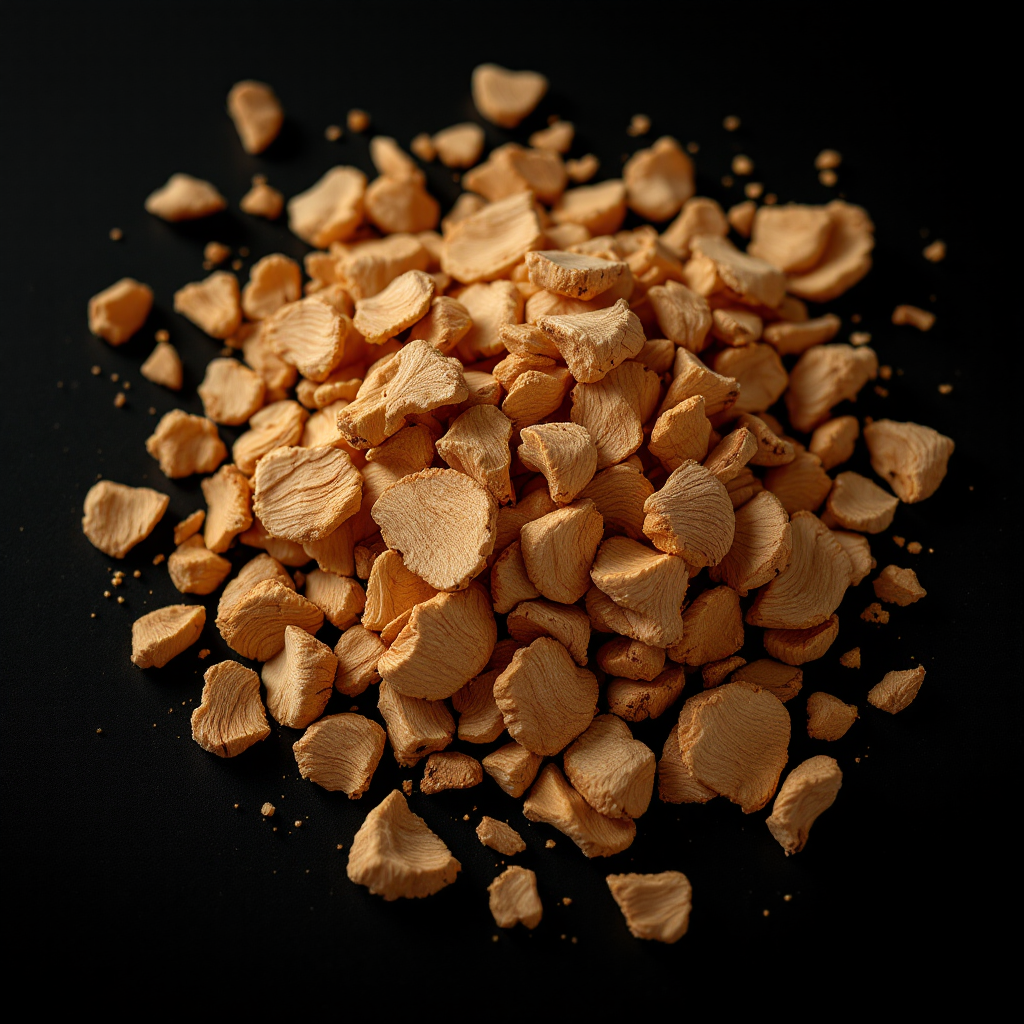
Ginger is an underground rhizome, but its peel offers a distinctly citrus-like aromatic profile separate from the root.


Origin
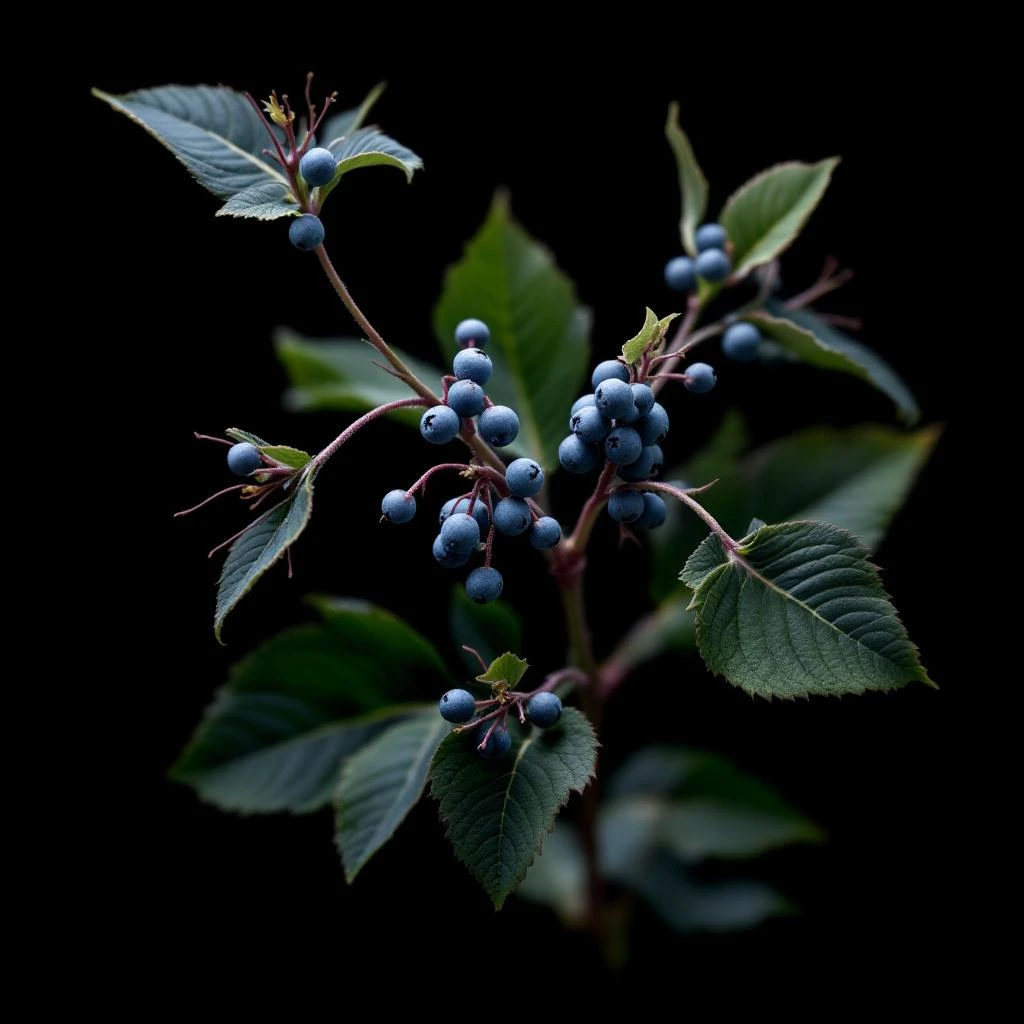
Indonesia
Ginger has been used in Asia for thousands of years, both as a spice and a material associated with food, medicine, and aromatic preparations. The plant is native to maritime Southeast Asia, where its cultivation and exchange formed part of long-distance trade networks. Ginger later reached South Asia, the Middle East, and Europe, where it became a valued ingredient in culinary and medicinal traditions.
Its use in perfumery developed alongside advances in distillation and the extraction of aromatic plant materials. While the rhizome is the most familiar part, ginger peel also carries recognizable aromatic character through its essential oil and other volatile constituents. In modern fragrance, ginger peel is valued less for the deep warmth of ginger root and more for its fresh, citrus-like surface.
It gives compositions a bright opening accent, especially useful in blends seeking clarity, lift, and a controlled degree of spice.
Wears it best
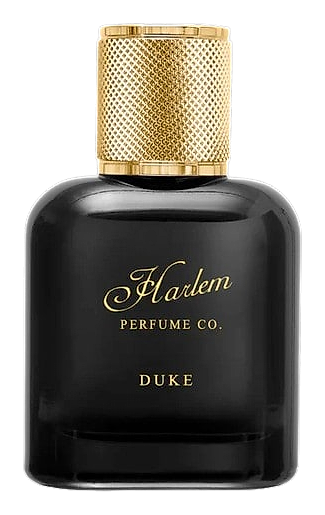
Fragrances featuring Ginger Peel
Brands
Brands known for Ginger Peel
Good to know
Questions, answered
The essentials on Ginger Peel in perfumery: how it smells, where it comes from, and how it behaves on skin.
What does ginger peel smell like in perfume?
Ginger peel contributes a bright, citrus-like aroma with fresh, peppery, and lightly spicy facets. It is usually perceived as a lively top note rather than the warm, earthy character associated with ginger root.
Is ginger peel the same as ginger root oil?
No. Ginger peel comes from the rhizome's outer skin, while ginger root oil is generally extracted from the whole rhizome or its internal tissue. The two materials share a plant origin but can show different aromatic profiles.
How is ginger peel extracted for perfumery?
Natural ginger peel ingredients may be produced by steam distillation or solvent extraction. The method affects which volatile and semi-volatile compounds are captured, influencing the final material's freshness, spice, and breadth.
Where does ginger originate?
Ginger is native to maritime Southeast Asia, with Indonesia representing a major production region. Its cultivation and trade later spread across South Asia and beyond.
What part of the ginger plant is used for ginger peel oil?
Perfume makers use the outer peel of the ginger rhizome, which is the underground stem rather than a true root. This skin contains its own aromatic composition, distinct from the inner rhizome.
Does ginger peel smell citrusy?
Yes. Its peel often presents a fresh, zesty, citrus-like character, balanced by peppery and spicy notes. That combination makes it useful for adding brightness and a clean edge to a fragrance.
Is ginger peel a top, middle, or base note?
Ginger peel is most commonly used as a top-note material because its fresh, bright character is noticed early in a composition. It may also support transition notes when blended with warmer or more textured ingredients.
Why is ginger peel used in modern perfume?
Modern perfumers use ginger peel to introduce lift, citrus freshness, and mild peppery contrast. It can sharpen a composition without relying on the deeper, more earthy profile typical of ginger root.