Georgia Peach
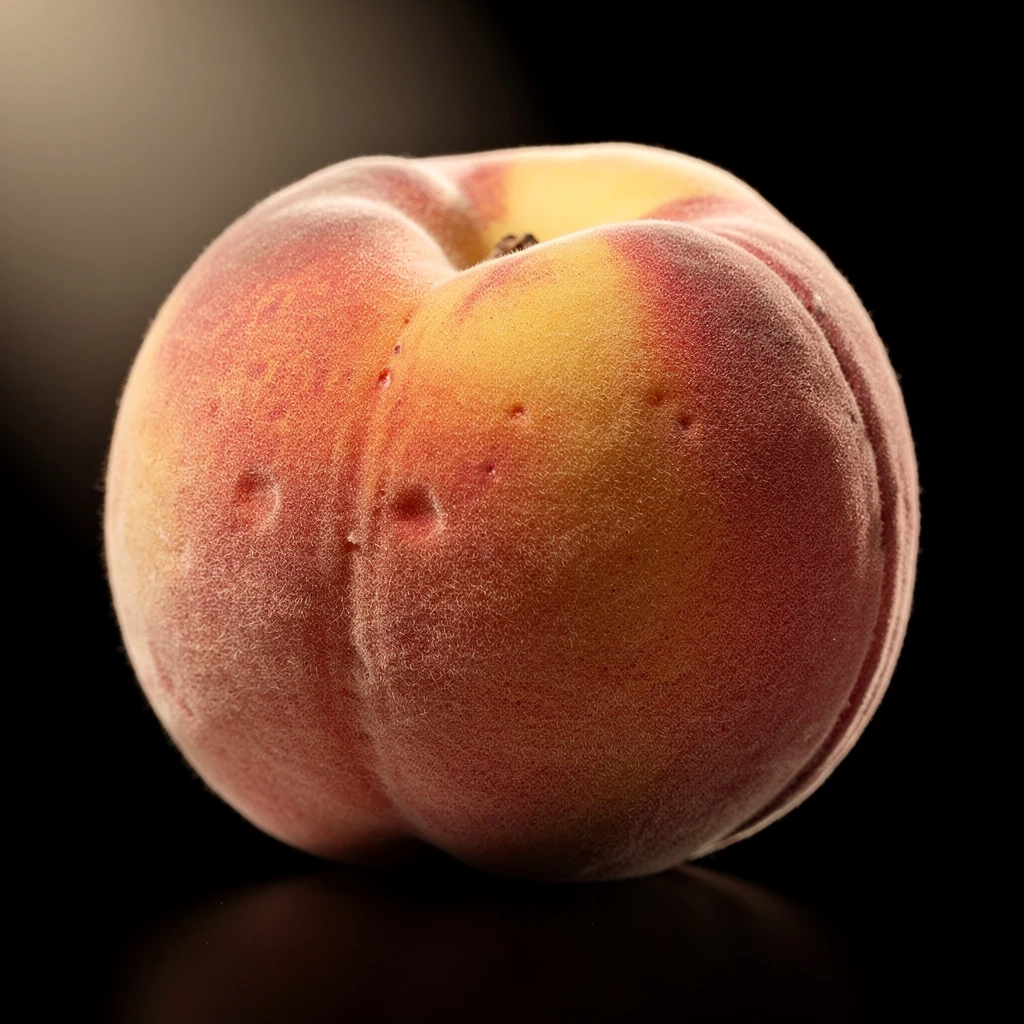
Ripe Georgia peaches captured in their prime: sun-warmed skin, velvety flesh, and the nectar-sweet juice that made this fruit legendary. A tribute to American perfumery's most beloved stone fruit and the sun-drenched orchards that defined a state's agricultural identity.
Character
How it smells
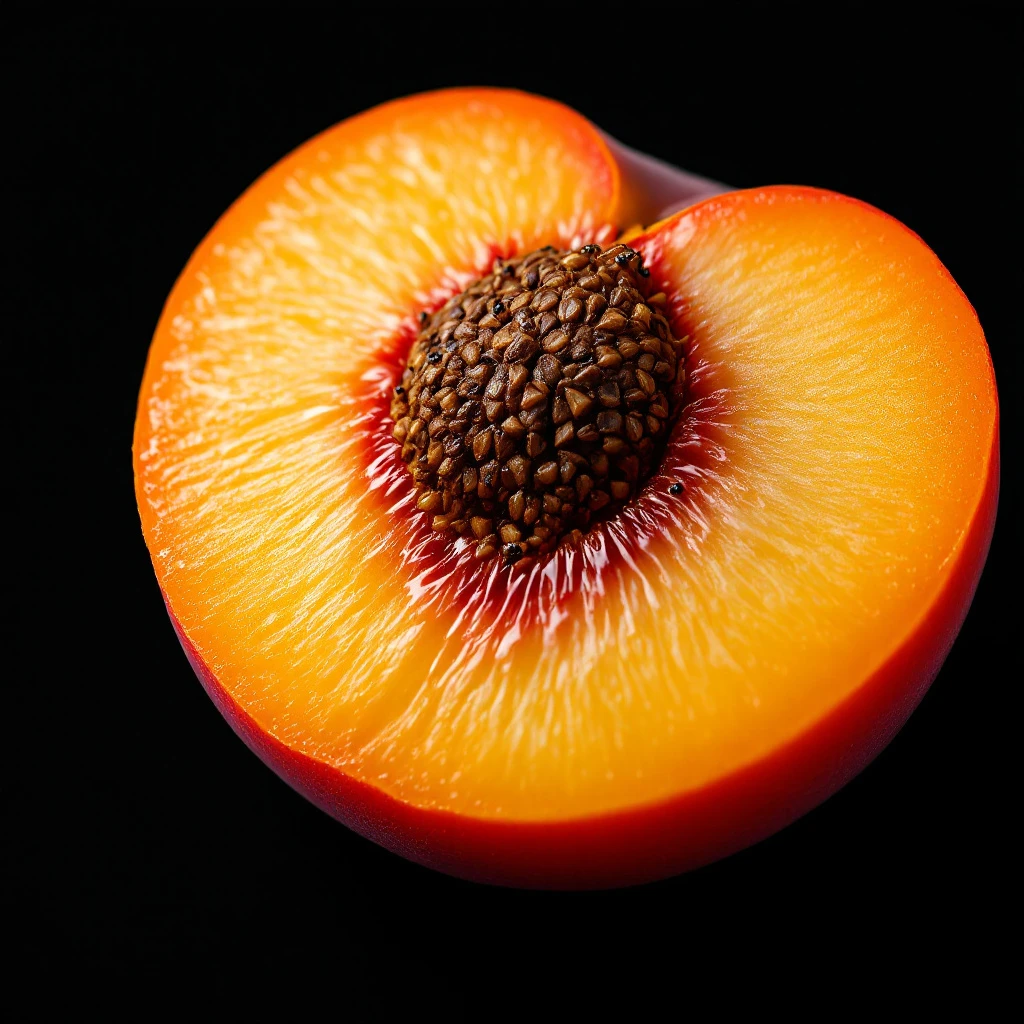
Summer's most iconic stone fruit, reborn in scent
Peaches belong to the rose family, sharing botanical heritage with almonds and roses. Their fuzzy skin contains natural wax that protects the fruit from moisture loss and pests.







Origin
United States
The Cherokee Nation cultivated peaches in Georgia long before European settlement, establishing an early connection between this fruit and the land. By 1851, Raphael Moses of Columbus had begun marketing peaches commercially, becoming one of the first to recognize the crop's agricultural potential. When I. C.
Plant imported superior budded varieties from China in 1857, Georgia farmers gained access to more reliable stone fruits suited to the regional climate. The true revolution came in 1875 when Samuel H. Rumph developed the Elberta peach, a variety sturdy enough to survive unrefrigerated shipment. That single breakthrough enabled Georgia to build a peach industry that defined the state's agricultural identity.
Peaches themselves trace their origins to Northwest China, spreading along trade routes to Persia and eventually Europe before reaching the Americas. Jacques Guerlain recognized the fruit's olfactory potential in 1919, creating one of perfumery's first successful fruity accords by combining natural and synthetic materials.
Wears it best
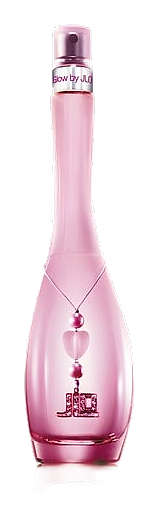
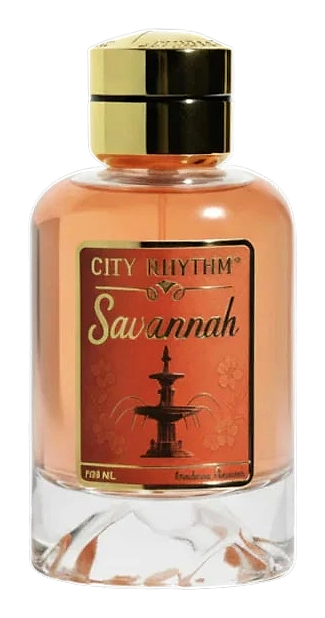
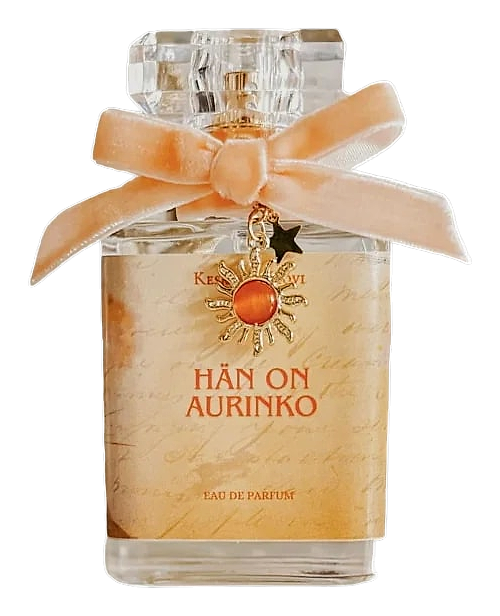
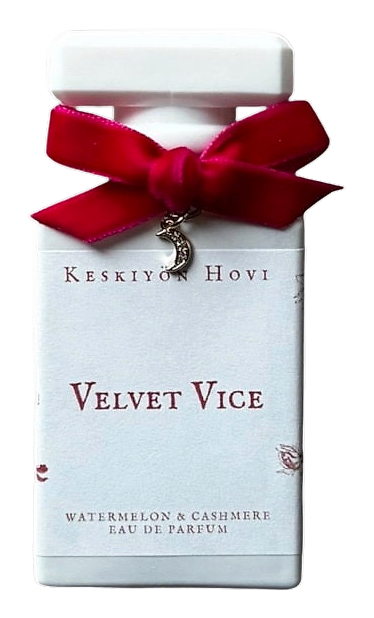
Fragrances featuring Georgia Peach

Brands
Brands known for Georgia Peach
Good to know
Questions, answered
The essentials on Georgia Peach in perfumery: how it smells, where it comes from, and how it behaves on skin.
What does Georgia Peach smell like?
Georgia Peach opens with the juicy sweetness of just-bitten flesh, followed by velvety skin notes and a subtle floral character from the blossoms. The scent evokes warm summer afternoons in orchards with a creaminess that lingers pleasantly on the skin.
Is Georgia Peach a natural or synthetic ingredient?
Modern Georgia Peach fragrance relies on synthetic reconstruction. Natural peach essence proves too volatile and expensive for commercial use. Perfumers use gamma-decalactone and related lactones to create a consistent, concentrated peach character that mirrors the fresh fruit.
What compounds create peach's signature aroma?
Gamma-decalactone provides the primary sweet, creamy peach note. Aldehydes add brightness and lift. Additional lactones contribute depth and the characteristic velvety quality. These synthetic materials accurately replicate peach's natural scent profile at a fraction of natural extraction costs.
When did peach become a major perfumery ingredient?
Jacques Guerlain introduced one of perfumery's first peach accords in 1919, blending natural and synthetic materials. This pioneering approach established fruity notes as a legitimate fragrance family. Modern peach reconstruction developed later as synthetic chemistry advanced.
Why do peach fragrances sometimes fail in soap?
Peach lactones break down in alkaline soap formulations, releasing minimal scent. This explains why fresh peach fragrance often vanishes during saponification. Soap makers select more stable peach bases or increase concentration to compensate for this degradation.
What products use Georgia Peach fragrance?
Georgia Peach appears across candles, cosmetics, body care, and fine fragrances. The warm, inviting character suits summer collections and fruity-floral perfumes. It pairs beautifully with jasmine, rose, and bergamot in feminine scents.
Can peach scent be extracted directly from the fruit?
Natural peach contains thousands of volatile compounds, making direct extraction impractical and prohibitively expensive. Synthetic reconstruction using gamma-decalactone and related lactones produces a more concentrated, stable aroma than attempting to bottle fresh peach.
What fragrance families pair well with Georgia Peach?
Georgia Peach works in fruity, floral, and chypre compositions. It blends naturally with jasmine, rose, and citrus for women's fragrances. Pairings with sandalwood, vanilla, and amber create warm, inviting unisex and masculine scents.