Gamma-undecalactone
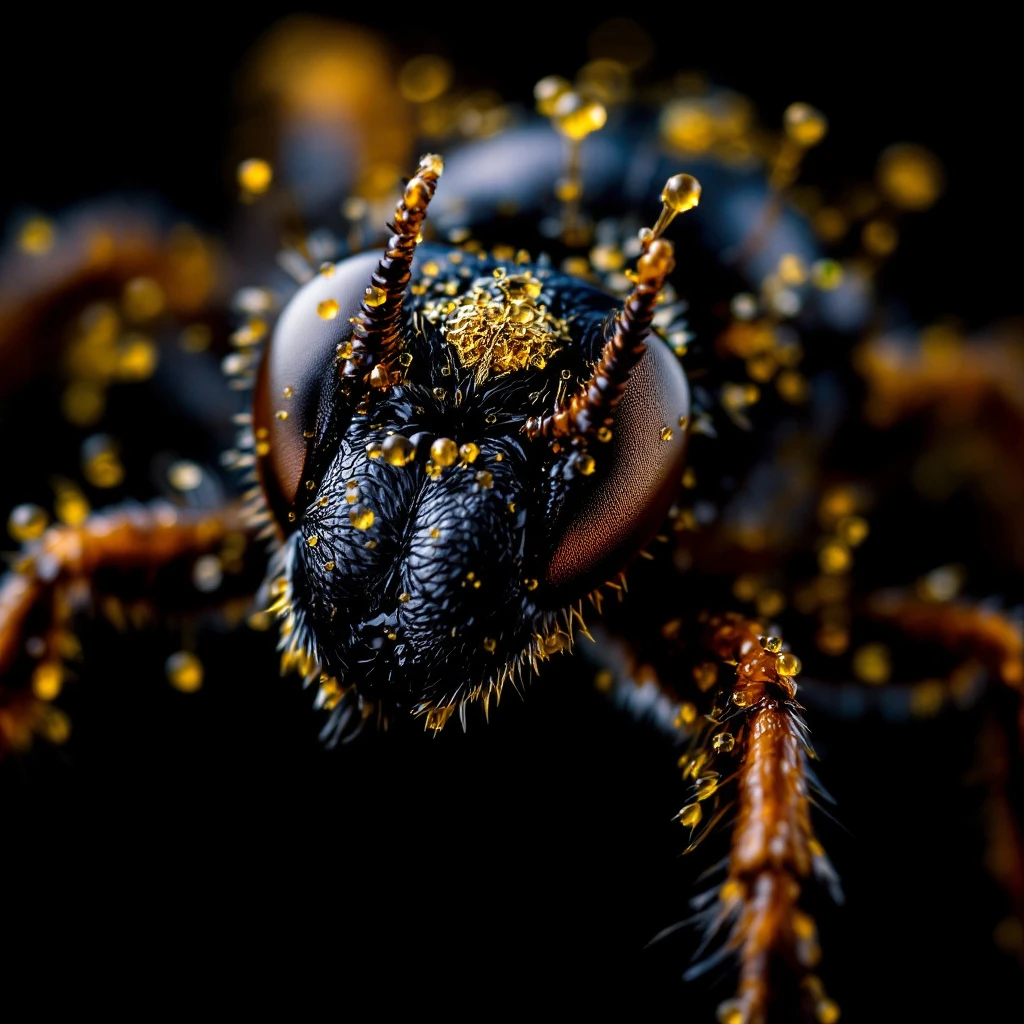
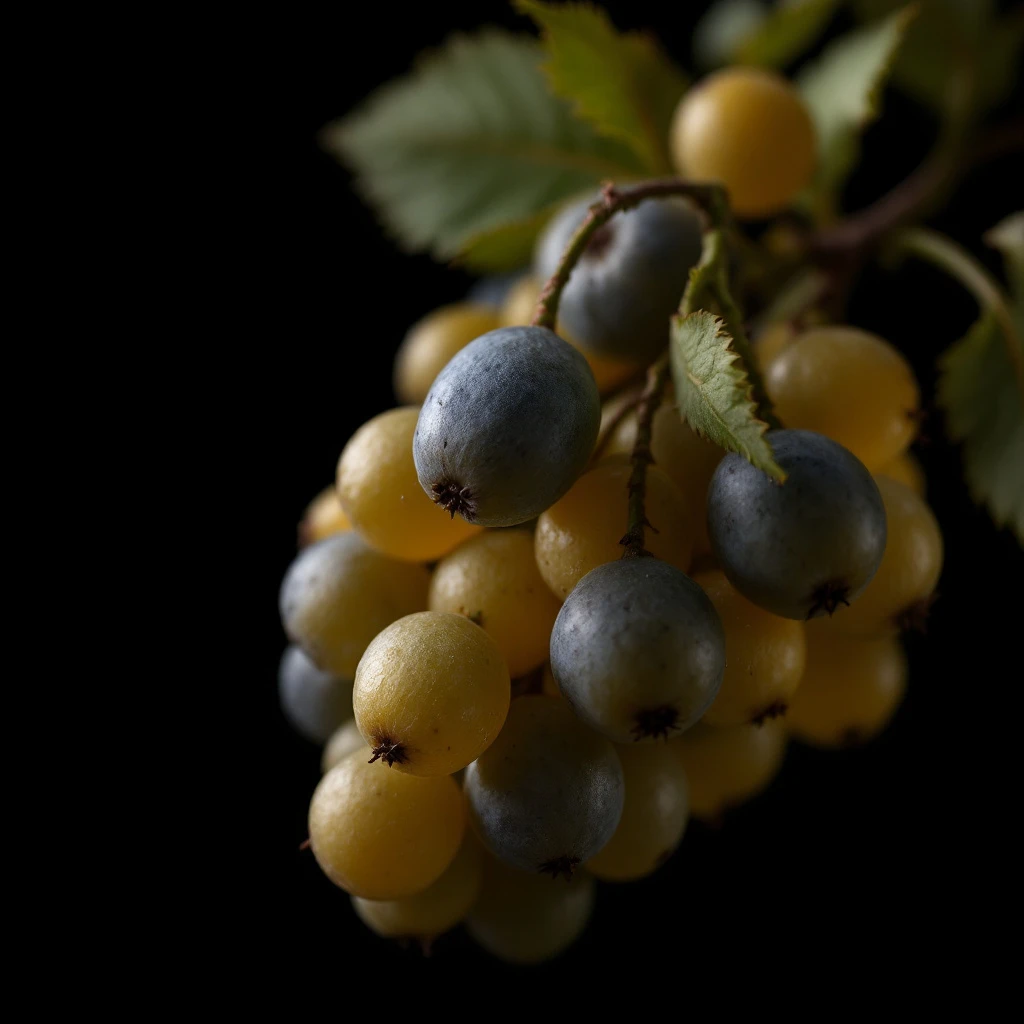
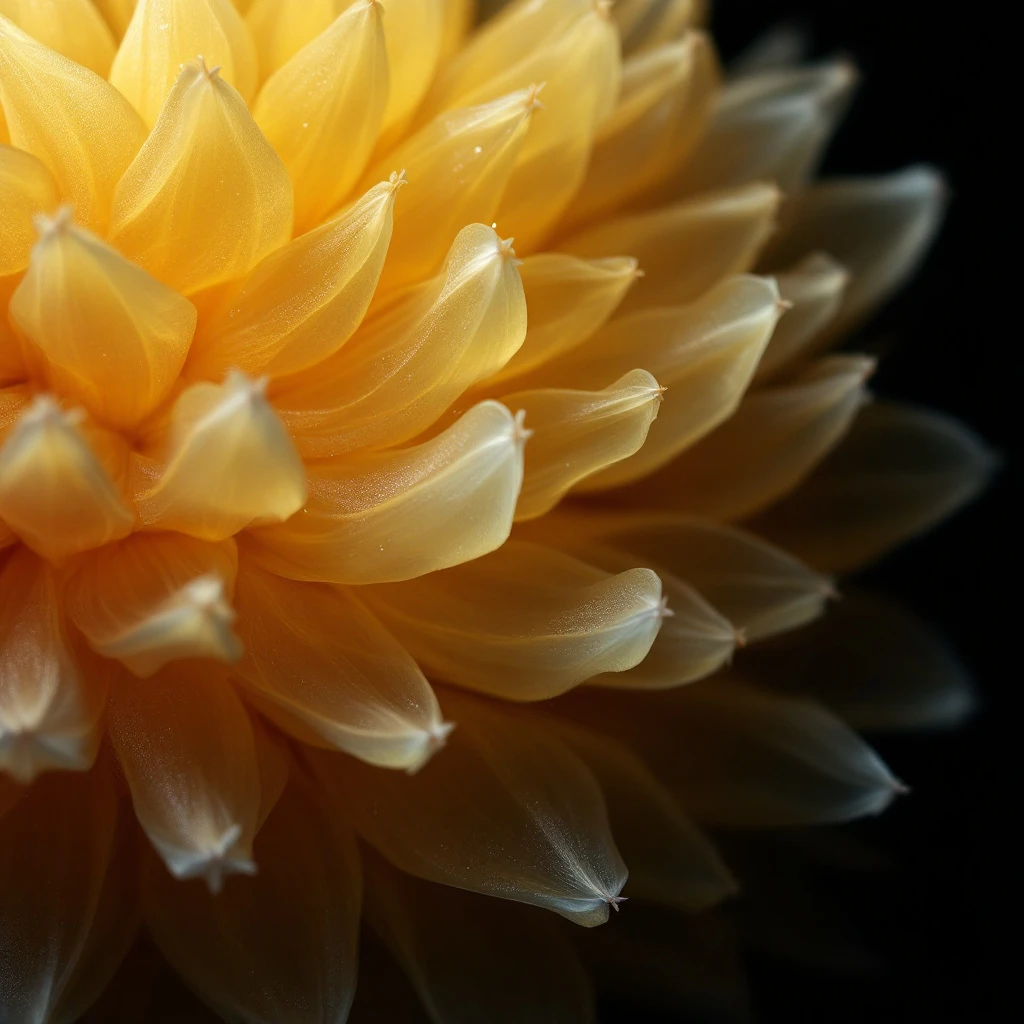
Gamma-undecalactone brings the creamy, sun-warmed sweetness of ripe peach to fragrance compositions. A lactone prized for its soft, diffusive fruit-skin character, it anchors chypres, gourmands, and oriental bases with a fleshy, almost edible warmth.
Character
How it smells
The peach-skin lactone behind modern gourmand perfumery.
Despite being called Aldehyde C-14, gamma-undecalactone is not an aldehyde at all. It belongs to the lactone family, a naming quirk that has confused chemists for over a century.

Origin
Russia
Russian chemists Zhukov and Shestakov first identified gamma-undecalactone in 1908, recognizing its intense peach-like aroma. Within five years, perfumer Maurice Schaller incorporated it into the Persicol base used in Nuit de Chine (1913), a creation for couturier Paul Poiret's Les Parfums de Rosine house. This marked one of the earliest uses of a synthetic lactone as a central building block rather than a modifier.
The industry nickname Aldehyde C-14 arose from 19th-century classification systems that grouped strong-smelling molecules under the aldehyde banner, regardless of their actual functional groups. The misnomer persists on safety data sheets and trade documents to this day.
Through the 20th century, gamma-undecalactone became a workhorse of chypre and fruity-floral compositions. Its ability to lend a soft, skin-like sweetness without sharp acidity made it indispensable for peach, apricot, and tropical fruit accords, and it remains one of the most widely manufactured lactones in global flavor and fragrance supply chains.
Wears it best
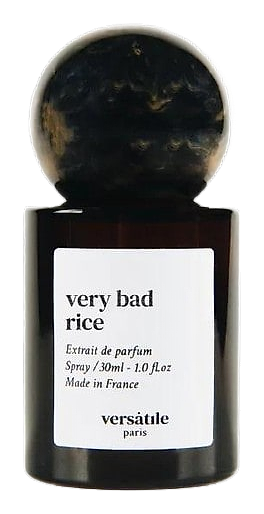
Fragrances featuring Gamma-undecalactone
Brands
Brands known for Gamma-undecalactone
Good to know
Questions, answered
The essentials on Gamma-undecalactone in perfumery: how it smells, where it comes from, and how it behaves on skin.
What does gamma-undecalactone smell like?
Gamma-undecalactone smells like ripe peach and apricot skin, with creamy, waxy, and slightly coconutty undertones. It registers as a soft, fruity sweetness that reads more edible than sharp, making it ideal for fleshy fruit accords.
Is gamma-undecalactone natural?
Yes, gamma-undecalactone occurs naturally in peaches, apricots, and some fermented products. Commercial versions are usually synthetic, though bio-fermentation routes now produce nature-identical molecules from sugar feedstocks.
Why is it called Aldehyde C-14 if it is not an aldehyde?
The name stuck from 19th-century classification systems that grouped strong-smelling molecules as aldehydes regardless of structure. Chemically, gamma-undecalactone is a lactone, a cyclic ester with a five-membered oxygen-containing ring.
When was gamma-undecalactone first used in perfumery?
It debuted in 1913 within the Persicol base of Nuit de Chine, composed by Maurice Schaller for Paul Poiret's Les Parfums de Rosine. That formulation marked one of the first synthetic lactones serving as a fragrance lead.
What fragrance families use gamma-undecalactone most?
It anchors fruity florals, gourmands, orientals, and chypres where soft peach or apricot character is needed. Its creamy sweetness also rounds out tropical and lactonic bases without adding sharp acidity.
How is gamma-undecalactone produced today?
Most production uses acid-catalyzed lactonization of hydroxy fatty acid precursors, often via Prins-type reactions. Fermentation-based routes using yeast or fungal cultures offer a renewable alternative gaining commercial traction.
What is the difference between gamma-undecalactone and other peach-smelling lactones?
Gamma-undecalactone has a fifteen-carbon chain giving it a softer, creamier character than lighter gamma-decalactone, which reads sharper and more candy-like. Heavy lactones like gamma-nonalactone lean waxy and coconutty instead.
Is gamma-undecalactone safe to use in fragrance?
Regulatory bodies including IFRA permit its use at defined concentration limits, and it has a long history of safe application in both fragrance and food flavoring. As with all aroma materials, formulators follow current IFRA standards for skin contact products.





