Alpha Irone
The violet-orris molecule perfumers covet. Alpha-irone delivers the quiet elegance of aged iris root in a single ingredient, distilling six years of cultivation into one lasting impression.
Character
How it smells
The violet-orris molecule that took a century to master.
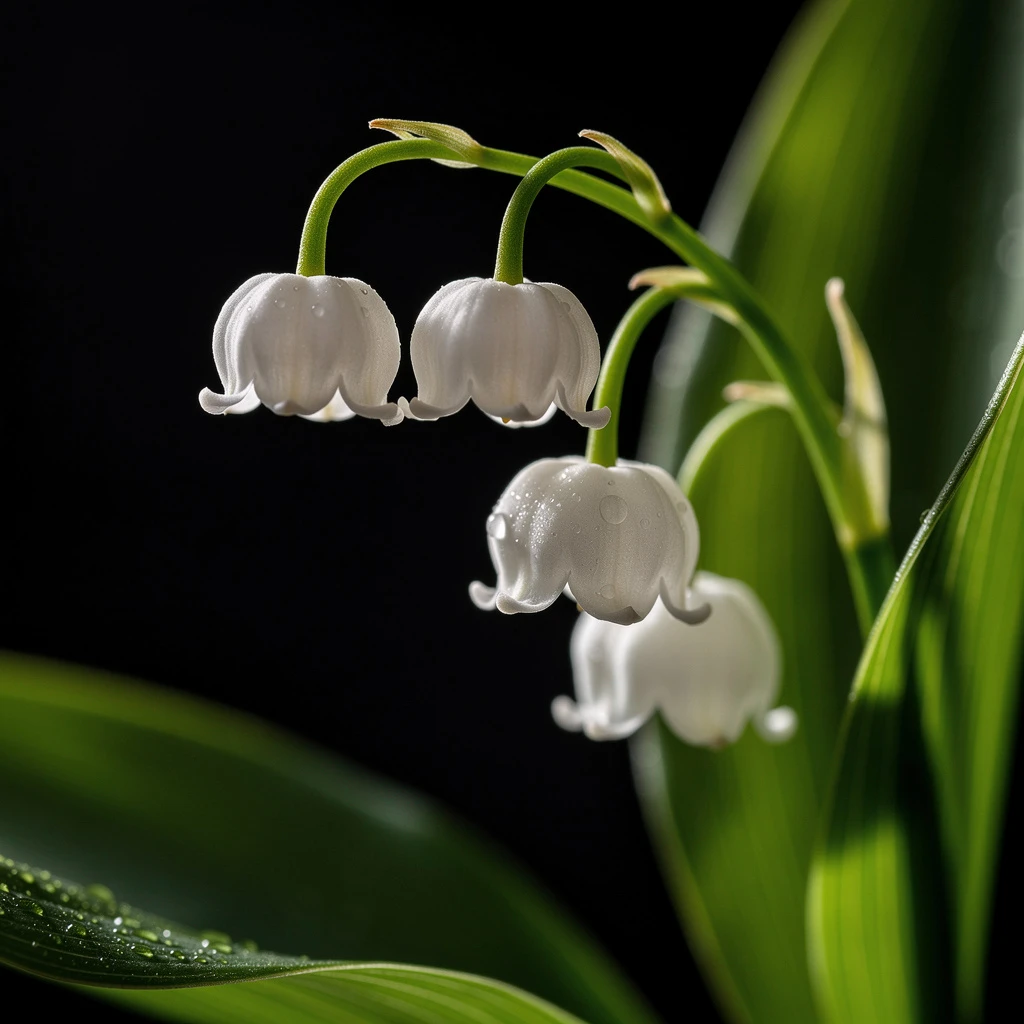
Iris rhizomes spend six years in the ground before harvest—the longest crop cycle in fine fragrance. Alpha-irone builds up so slowly that most of it forms in the final year.

Origin
Italy
Violet and orris notes shaped perfume for centuries, yet natural sources remained scarce and unpredictable. In the 1890s, chemists first synthesized alpha-ionone, recreating violet scent through laboratory chemistry and transforming perfumery permanently.
Alpha-irone, the methylated cousin with deeper orris character, took longer to isolate and understand. Its natural occurrence in aged iris rhizomes connects it directly to Renaissance Florence, where Italian iris cultivation began supplying European perfumers with orris butter.
The six-year cultivation window meant each harvest represented years of patient tending. Synthetic production eventually freed perfumers from depending entirely on this slow natural source, enabling broader use of the elegant violet-orris accord.
Wears it best
Fragrances featuring Alpha Irone
Brands
Brands known for Alpha Irone
Good to know
Questions, answered
The essentials on Alpha Irone in perfumery: how it smells, where it comes from, and how it behaves on skin.
What does alpha-irone smell like?
Alpha-irone has a refined violet-orris character with soft, powdery facets and a subtle fruity undertone. It reads as clean, elegant, and slightly woody in the drydown.
Is alpha-irone natural or synthetic?
Both exist. Natural alpha-irone occurs in trace amounts in aged iris rhizomes. Synthetic production via chemical synthesis and biotech fermentation supplies most commercial use today.
How long does iris cultivation take before harvest?
Six years from planting to harvest. The rhizomes spend two to three additional years drying, during which irones continue developing and concentrating.
What fragrance families use alpha-irone?
Floral, powdery, and chypre structures. It enriches violet, orris, and fruity accords, adding depth and natural character to violet leaf and ionone compositions.
When was alpha-irone introduced to perfumery?
Ionones appeared in the 1890s through laboratory synthesis. Alpha-irone as a distinct, identified material gained recognition in perfumery throughout the mid-20th century.
How does alpha-irone differ from alpha-ionone?
Alpha-irone carries a richer orris note with deeper, more rounded facets. Alpha-ionone leans brighter and more distinctly violet. Both share violet lineage but diverge in warmth and complexity.
What ingredients pair well with alpha-irone?
It combines naturally with beta-ionone, alpha-ionone, and other ionones to reinforce the violet accord. Florals such as rose and jasmine absorb its elegance without overpowering the composition.
Are there alternatives to alpha-irone in perfumery?
Alpha-ionone provides a similar violet character. Gamma-irone offers a greener, more herbal violet variant. Natural orris butter delivers authentic orris nuance at significant cost.
In the same family