Acetylpyrazine
Acetylpyrazine is a synthetic pyrazine that evokes the warm, toasty essence of freshly popped popcorn and roasted nuts. This aroma chemical brings an unexpected comfort to fine fragrances, adding depth and a subtly addictive quality that feels oddly familiar.

Character
How it smells
The popcorn note that modern perfumery learned to love.
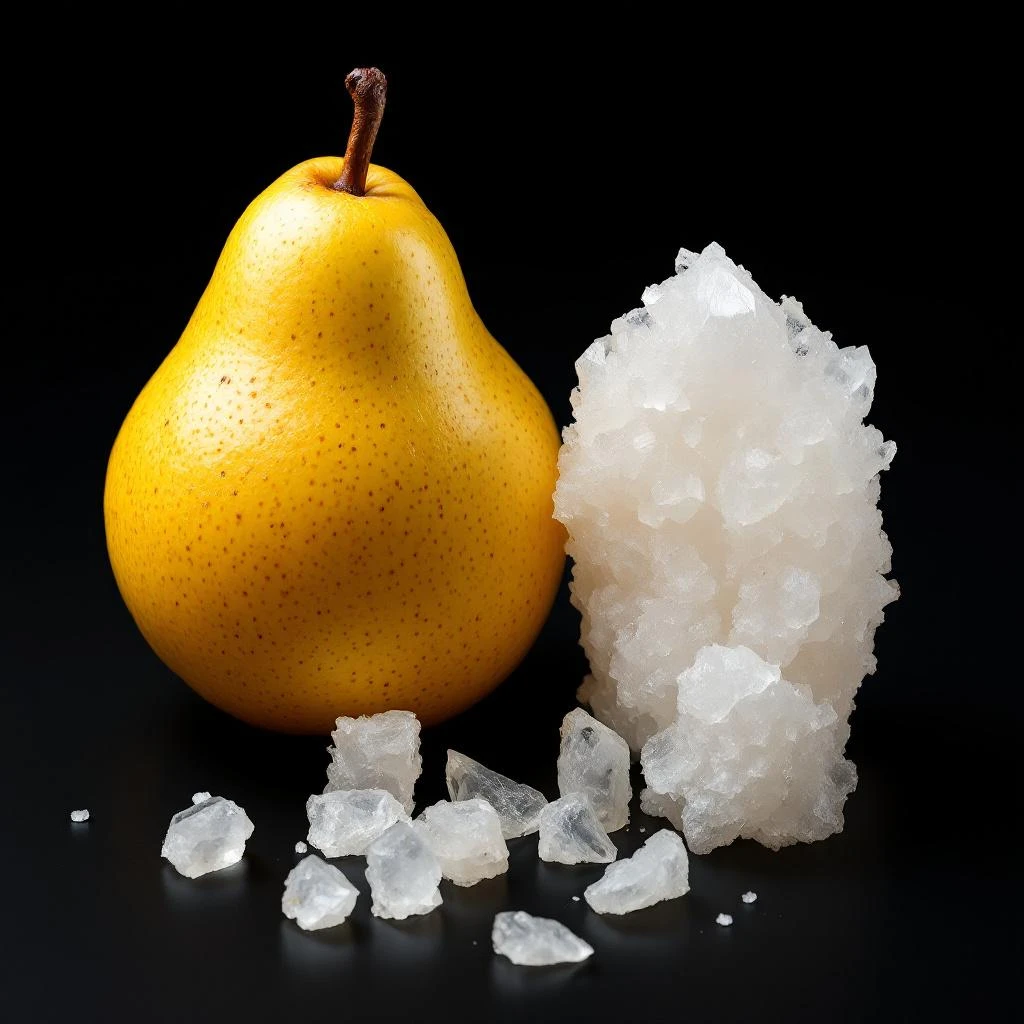
Acetylpyrazine exists naturally in roasted popcorn its flavor was first recreated in a laboratory before scientists realized it already occurred in nature.




Origin
Laboratory synthesized
Pyrazines as a chemical class have been studied since the late 19th century, but acetylpyrazine specifically found its role in the post-World War II expansion of synthetic aroma chemistry. Food scientists first isolated the compound while analyzing the volatile compounds in roasted popcorn during the 1960s.
The discovery that a synthetic laboratory chemical matched a natural food aroma opened new possibilities for flavor science. Perfumery adopted acetylpyrazine in the 1980s when consumer research showed unexpected emotional responses to popcorn-like notes in products, leading to broader experimentation with food-derived aroma concepts in fine fragrance.
Wears it best
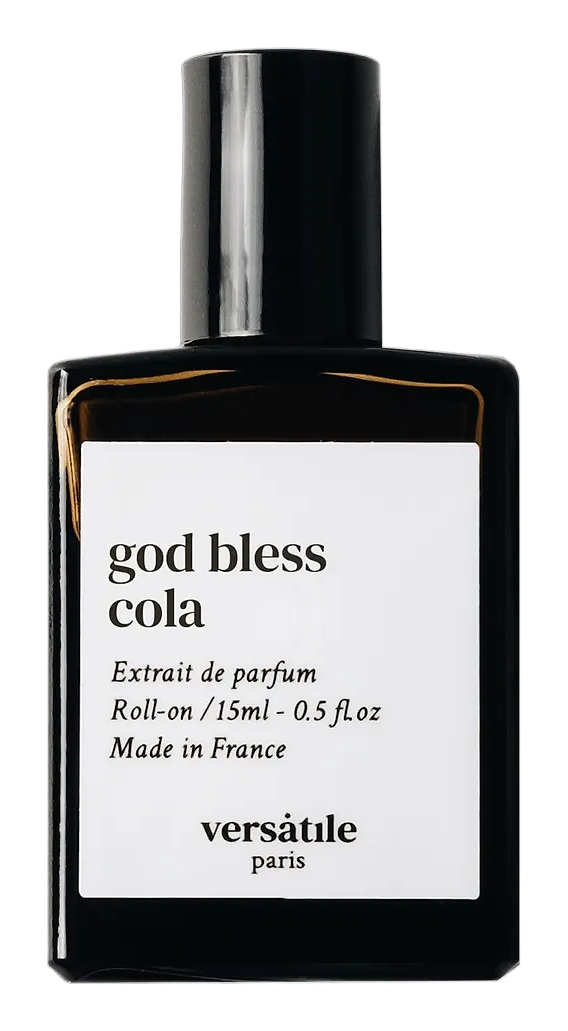
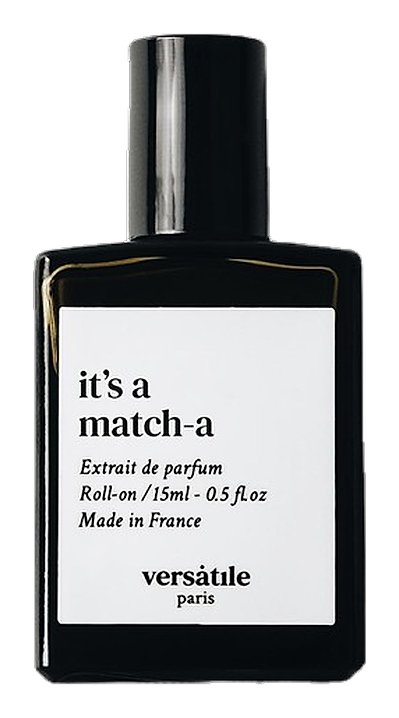
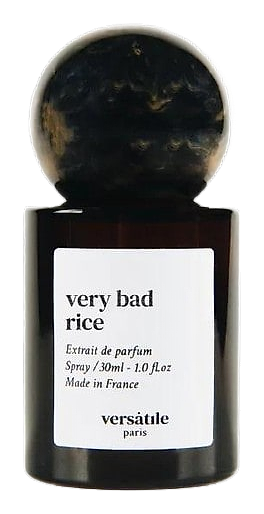
Fragrances featuring Acetylpyrazine
Brands
Brands known for Acetylpyrazine
Good to know
Questions, answered
The essentials on Acetylpyrazine in perfumery: how it smells, where it comes from, and how it behaves on skin.
What does acetylpyrazine smell like?
Acetylpyrazine delivers a distinctive popcorn and roasted nut aroma with subtle maple undertones. It creates an oddly comforting, familiar scent that many people associate with fresh movie theater popcorn.
Is acetylpyrazine natural or synthetic?
Acetylpyrazine is a synthetic aroma chemical, though it also occurs naturally in roasted foods like popcorn, peanuts, and coffee. Perfumery versions are produced through controlled organic synthesis.
Which fragrances use acetylpyrazine?
Acetylpyrazine typically appears in gourmand fragrances that aim for edible, warm, or comfort-oriented themes. Check perfume ingredient listings to identify specific brand usage.
Is acetylpyrazine safe for skin?
Acetylpyrazine has IFRA approval for use in fine fragrances at standard concentrations. The compound carries GRAS status for food flavoring, indicating a strong safety profile across both industries.
Why do popcorn notes appeal to people?
Research suggests popcorn aromas trigger positive associations from childhood memories of special occasions and comfort. This psychological connection explains why food-derived notes perform well in fragrance testing.
What other pyrazines exist in perfumery?
Pyrazines include methylcyclopentenolone for caramel, furaneol for strawberry-maple notes, and sotolone for curry-caramel characteristics. Each pyrazine contributes distinct food-like nuances.
How much acetylpyrazine does a fragrance contain?
Acetylpyrazine functions as a supporting note at typical concentrations below 5% of the fragrance concentrate. Its low odor threshold means only trace amounts are needed to influence perceived aroma.
Does acetylpyrazine occur in any natural absolutes?
Acetylpyrazine has been identified in trace quantities in coffee absolute and certain roasted wood absolutes. These natural occurrences represent only a fraction of commercial supply, which remains primarily synthetic.