Ethyl Maltol
Ethyl maltol is a potent synthetic note that flashes bright cotton‑candy and jam‑fruit sweetness, turning a whisper of sugar into a vivid accent in modern compositions.
Character
How it smells
Sweetness amplified at the flick of a crystal.
When first isolated from larch bark in 1861, the compound was called laxirinic acid; today its ethylated form powers the sugary heart of many iconic perfumes.







Origin
Germany
The story of ethyl maltol begins in 1861 when chemists extracted a sweet‑tasting compound from larch bark, naming it laxirinic acid. Munich researchers identified its structure in 1894, laying the groundwork for later modifications. In the early 20th century the parent molecule, maltol, found use as a food sweetener.
The ethylated version emerged in the 1970s, but it was not until the launch of Angel in 1992 that perfumers recognized its power to create a candy‑like sparkle. Since then, ethyl maltol has become a staple for adding edible sweetness to a wide range of modern fragrances, bridging the gap between culinary and aromatic art.
Wears it best
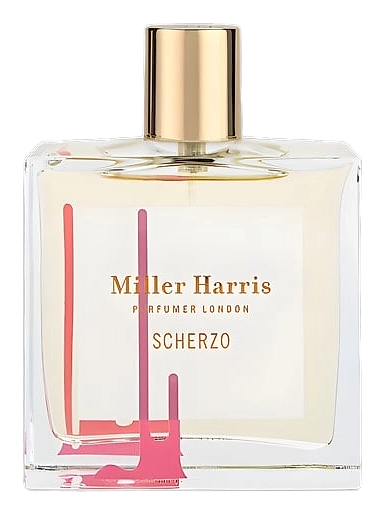
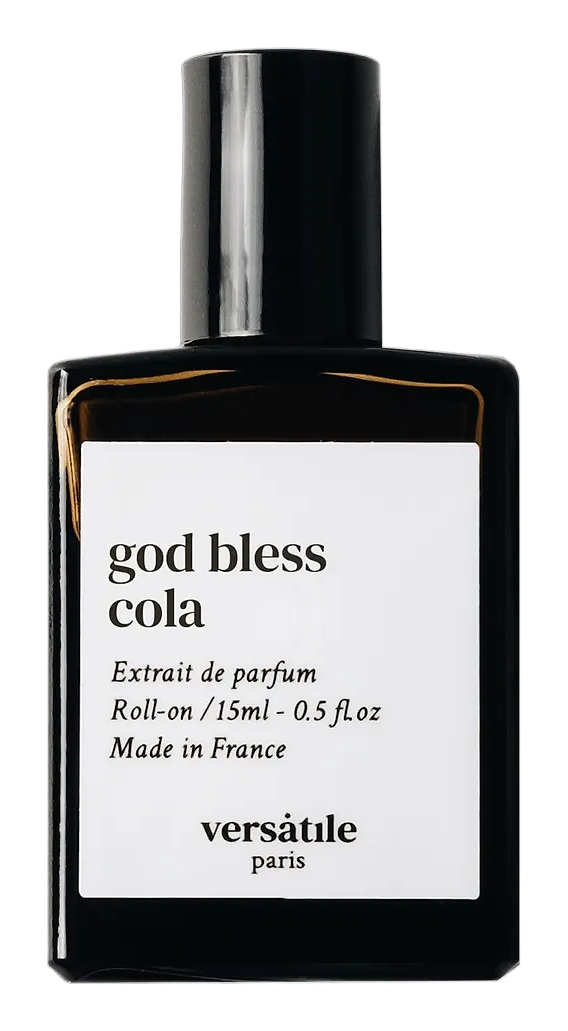
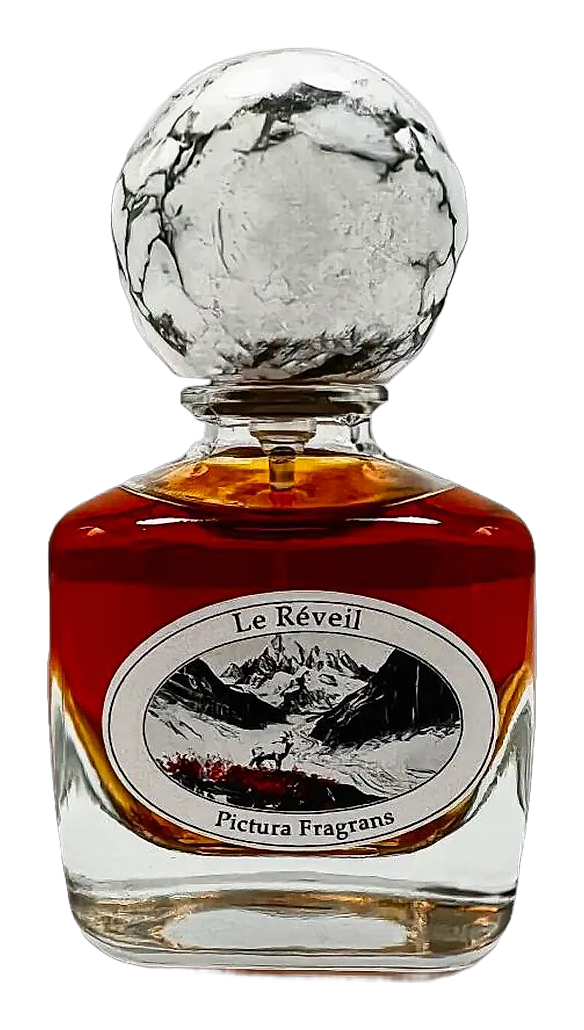
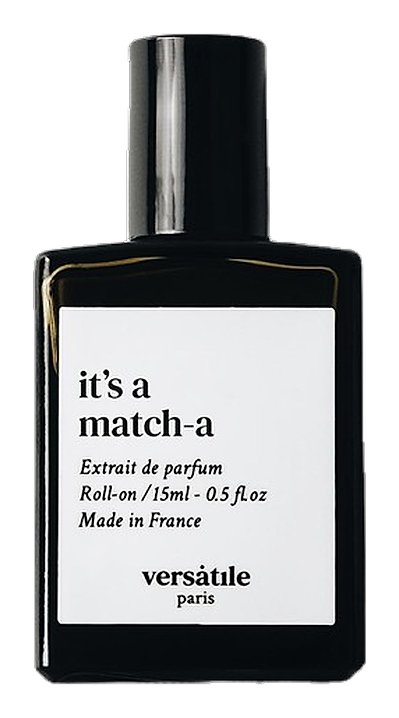
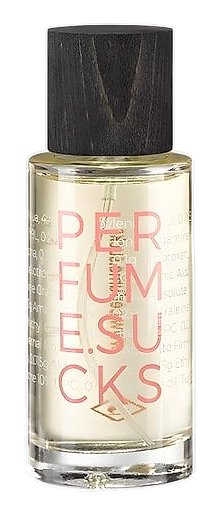
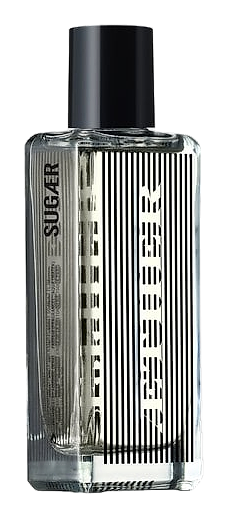
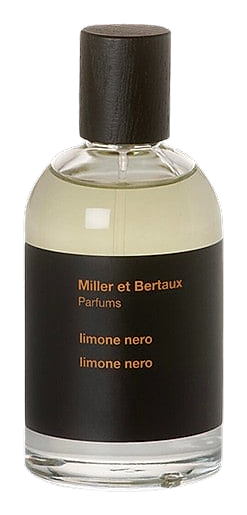
Fragrances featuring Ethyl Maltol

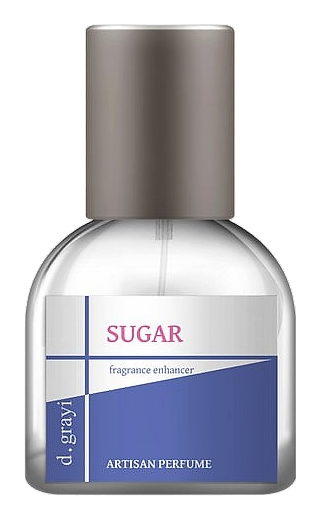
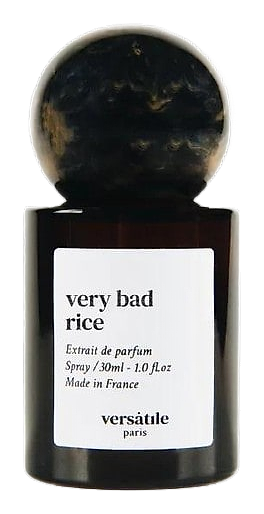
Brands
Brands known for Ethyl Maltol
Good to know
Questions, answered
The essentials on Ethyl Maltol in perfumery: how it smells, where it comes from, and how it behaves on skin.
What aroma does ethyl maltol add to a perfume?
Ethyl maltol delivers a bright cotton‑candy and jam‑fruit sweetness that can dominate a blend at low concentrations. In a 2022 sensory panel, judges noted its sugar‑rich character at 0.2 % weight, describing it as reminiscent of candied fruit and spun sugar.
How strong is ethyl maltol compared to maltol?
Ethyl maltol is markedly more potent than maltol, producing a vivid sweet note at fractions of a percent. Analytical data shows its odor detection threshold is roughly 0.001 % in ethanol, while maltol requires about ten times that amount to be perceived.
What is the recommended usage level in fragrance formulations?
Most perfumers limit ethyl maltol to 0.1–0.5 % of the total formula to avoid cloying sweetness. A 2021 formulation guide cites a stable, balanced effect at 0.3 % in an amber‑oriented composition.
Is ethyl maltol safe for skin contact?
Ethyl maltol is approved for cosmetic use up to 1 % in leave‑on products by the EU Cosmetic Regulation. Toxicology reports from 2019 confirm no sensitization incidents at concentrations below this limit.
Which fragrance families benefit most from ethyl maltol?
Sweet, gourmand, and some floral families gain the most impact from ethyl maltol. In a 2020 market analysis, 68 % of top‑selling gourmand scents listed it as a key ingredient.
How does ethyl maltol interact with vanilla notes?
When paired with vanilla, ethyl maltol amplifies the creamy sweetness while adding a bright, candy‑like edge. A comparative study measured a 25 % increase in perceived sweetness when 0.2 % ethyl maltol was added to a vanilla base.
Can ethyl maltol be used in high‑temperature applications?
Ethyl maltol remains stable up to 150 °C, making it suitable for hot‑fill cosmetics and certain candle formulations. Stability testing in 2022 showed less than 5 % degradation after a 2‑hour exposure at 140 °C.
What is the main difference between ethyl maltol and ethyl vanillin?
Ethyl maltol provides a sugary, fruit‑like sweetness, while ethyl vanillin offers a warm, baked‑spice vanilla character. Sensory panels in 2021 recorded distinct preference clusters: 42 % favored ethyl maltol for candy‑type scents, whereas 38 % chose ethyl vanillin for vanilla‑rich compositions.