Benzaldehyde
Benzaldehyde is the aromatic aldehyde responsible for the unmistakable scent of bitter almonds. One of the earliest synthetic fragrance ingredients, it bridges natural botanical origins with large-scale industrial production.
Character
How it smells
The aromatic heart of bitter almonds.
Benzaldehyde gives bitter almonds their characteristic scent. Just one kernel of a bitter apricot pit contains enough to be detected by the human nose at remarkable dilutions.


Origin
United States
Benzaldehyde holds a foundational place in fragrance chemistry as one of the earliest synthetic ingredients to enter commercial use. Some of the first lab-made fragrance ingredients included benzaldehyde alongside cinnamaldehyde, anethole, vanillin, and coumarin, marking a pivotal shift in perfumery from purely botanical origins to chemically defined materials.
Scientists isolated benzaldehyde from its botanical sources in the early 19th century, but significant commercial production from benzal chloride did not emerge until around 1900. This breakthrough enabled wider availability and consistent quality for fragrance manufacturers.
The development paralleled advances in organic chemistry, as researchers gained better understanding of aromatic aldehydes and their relationship to benzoic acid and benzyl alcohol. Today, benzaldehyde remains a cornerstone in creating edible-inspired fragrance profiles, lending its characteristic almond and marzipan notes to oriental compositions and gourmand creations.
Wears it best
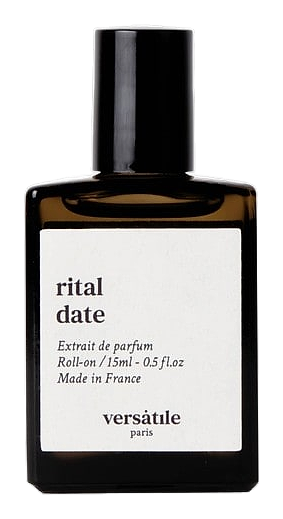
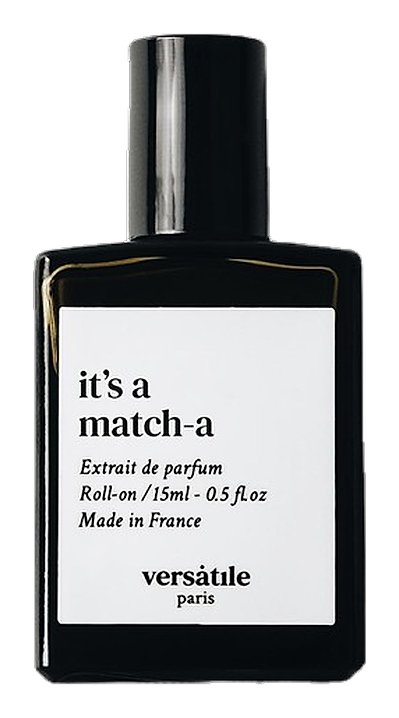
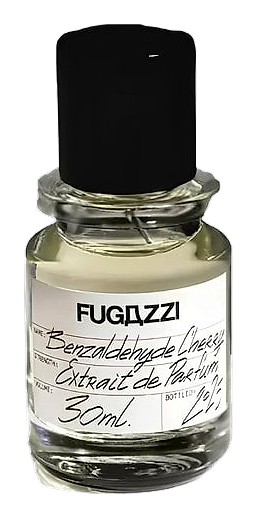
Fragrances featuring Benzaldehyde
Brands
Brands known for Benzaldehyde
Good to know
Questions, answered
The essentials on Benzaldehyde in perfumery: how it smells, where it comes from, and how it behaves on skin.
What is benzaldehyde?
Benzaldehyde is an aromatic aldehyde and one of the earliest synthetic fragrance ingredients. It occurs naturally in bitter almonds and stone fruit kernels, delivering the characteristic bitter-almond scent used across perfumery.
What does benzaldehyde smell like?
Benzaldehyde smells distinctly of bitter almonds with sweet marzipan undertones. The scent reads as edible and slightly sharp, evoking cherry-almond and kernel-like qualities prized in gourmand compositions.
Where does natural benzaldehyde come from?
Natural benzaldehyde is extracted from bitter almond kernels, apricot kernels, and cherry stones via steam distillation. These stone fruit byproducts contain the compound bound within their protective casings.
How is benzaldehyde produced industrially?
Industrial benzaldehyde production relies primarily on synthetic routes: toluene oxidation and chlorination of toluene followed by hydrolysis. Commercial-scale production from benzal chloride emerged around 1900.
What fragrance families use benzaldehyde?
Benzaldehyde appears in oriental fragrances, edible-inspired scents, and almond-themed compositions. It pairs with floral and spicy materials to create gourmand effects ranging from marzipan to cherry-blossom interpretations.
Is benzaldehyde safe for cosmetic use?
Benzaldehyde is approved for use in cosmetics within specified concentration limits. It shares structural similarities with benzyl alcohol, benzoic acid, and sodium benzoate. Regulatory bodies assess it separately from these related compounds.
Why is benzaldehyde important in fragrance history?
Benzaldehyde ranks among the first lab-made fragrance ingredients, alongside vanillin and coumarin. Its commercial production around 1900 marked a turning point, demonstrating that synthetic aromatic chemicals could match natural materials.
Can benzaldehyde be found in food?
Yes. Benzaldehyde naturally occurs in bitter almonds, apricot kernels, and certain stone fruits. It provides the characteristic almond flavor in foods and is also used as a food-grade flavoring agent.