Nonanal
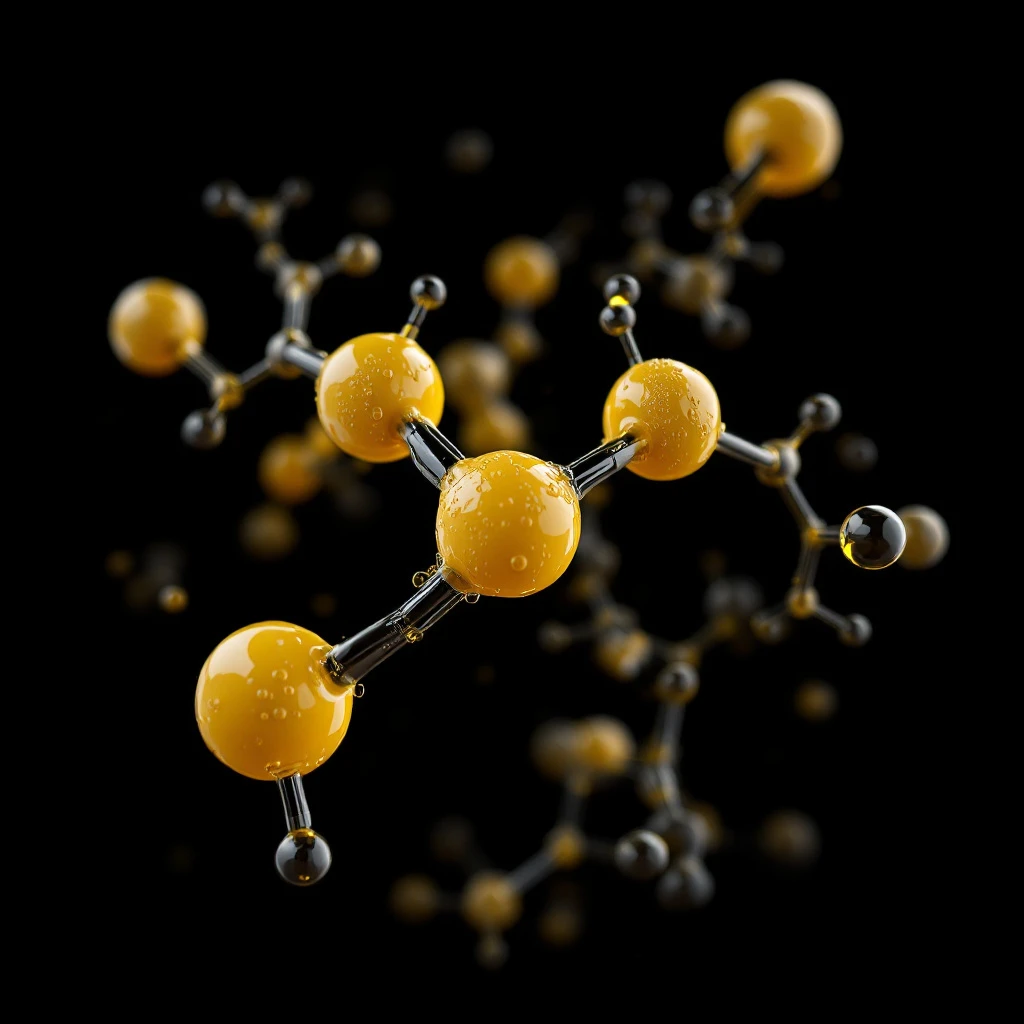
Nonanal is a naturally occurring aldehyde that imparts bright citrus and rosy facets. Called aldehyde C-9 for its nine-carbon chain, this molecule balances waxy warmth with crisp freshness, making it a cornerstone of modern perfumery.

Character
How it smells
Crisp citrus, rosy warmth, waxy depth.
Nonanal derives its name from the Latin 'nonus' for ninth, directly reflecting its nine-carbon molecular backbone.





Origin
Germany
German chemist Justus von Liebig first isolated aldehydes as a distinct chemical class in 1835, fundamentally changing how perfumers understood aromatic molecules. Nonanal entered perfumery as one of the first synthetic aldehydes, alongside octanal and decanal, marking a shift from purely natural ingredients toward chemically defined fragrance materials.
These aldehydes made their fragrant debut in 1905 within Armingeat's Rêve D'Or, proving that synthetic molecules could create compelling fragrance experiences. The aldehydic revolution reached its apex with Chanel N°5 in 1921, which featured nonanal among its signature aldehydic sparkle.
This nine-carbon aldehyde became integral to the aldehydic florals that defined 20th-century perfumery, valued for bridging bright citrus top notes with deeper waxy base character. Today nonanal remains essential in both classic aldehydic compositions and contemporary citrus-floral fragrances.
Wears it best
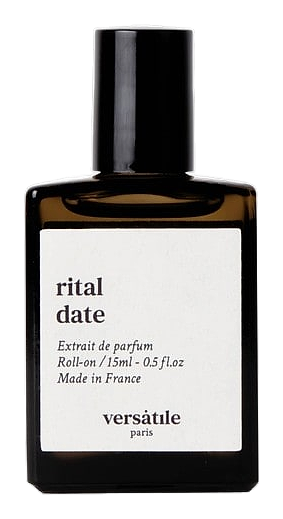
Fragrances featuring Nonanal
Good to know
Questions, answered
The essentials on Nonanal in perfumery: how it smells, where it comes from, and how it behaves on skin.
What does nonanal smell like?
Nonanal opens with crisp citrus and transitions to rosy, waxy undertones. The nine-carbon aldehyde delivers a soapy-orange blossom character prized in aldehydic florals.
When was nonanal discovered?
Liebig isolated aldehydes as a class in 1835. Nonanal entered perfumery in 1905 through Armingeat's Rêve D'Or, one of the first synthetic aldehydes used in fragrance.
Is nonanal found in nature?
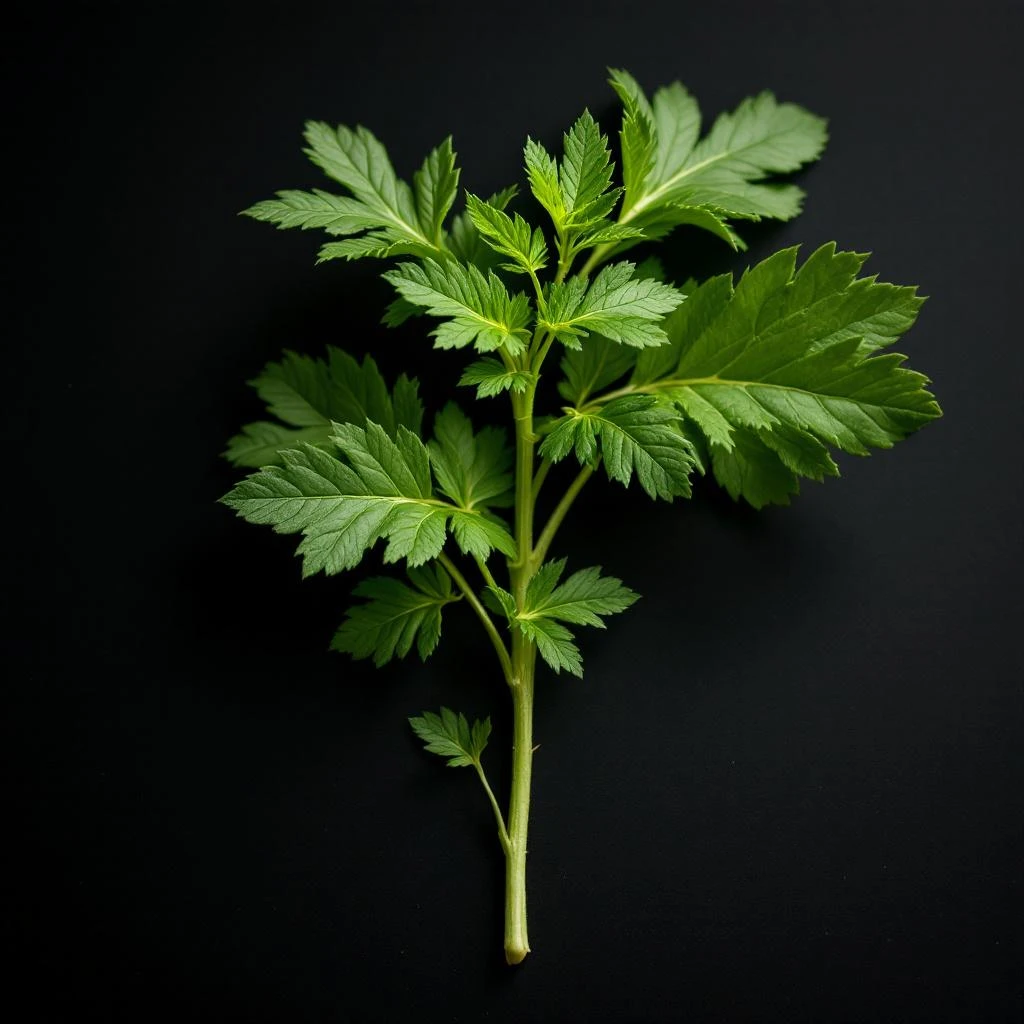
Nonanal occurs naturally in orange and lemon oils, rose absolute, neroli, and geranium at trace levels. Commercial fragrance production relies on synthetic methods for consistency.
How does nonanal differ from other aldehydes?
Nonanal is aldehyde C-9, meaning nine carbons in its chain. This places it between shorter citrus aldehydes like octanal and longer waxy variants like decanal.
What fragrances use nonanal?
Nonanal appears in Chanel N°5 and countless aldehydic florals, citrus compositions, and modern fragrances seeking bright, sophisticated aldehydic character.
Is nonanal safe for skin contact?
IFRA and industry regulators approve nonanal for cosmetic use within specified limits. Fragrance houses use it at typical concentrations below 5% in finished products.
How should nonanal be stored?
Store nonanal in airtight, sealed containers away from heat and light. Its aldehydic structure makes it prone to oxidation over time.
What role does nonanal play in perfumery?
Nonanal adds brightness, freshness, and a soapy-rosy quality that lifts citrus and floral compositions. It serves as both a top note and modifier in aldehydic fragrances.