Anisaldehyde
Anisaldehyde delivers a powdery, sweet-floral signature that bridges confection and couture. This aldehyde lends an airy softness to heart and dry-down phases, pairing unexpectedly well with both warm orientals and crisp fougères.
Character
How it smells
Powdery sweetness from the chemist's bench.
Chemists first created anisaldehyde in 1877, making it one of the earliest synthetic aromatics adopted by perfumers.

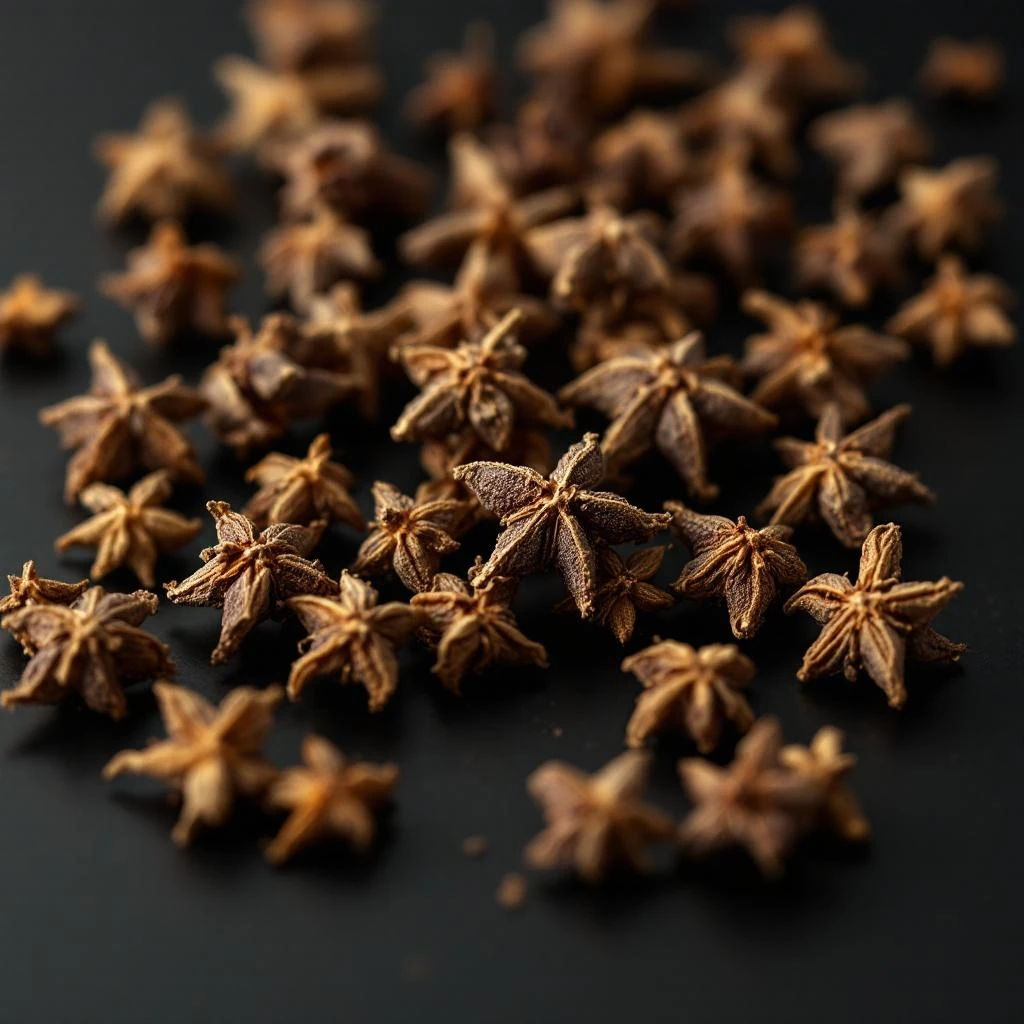
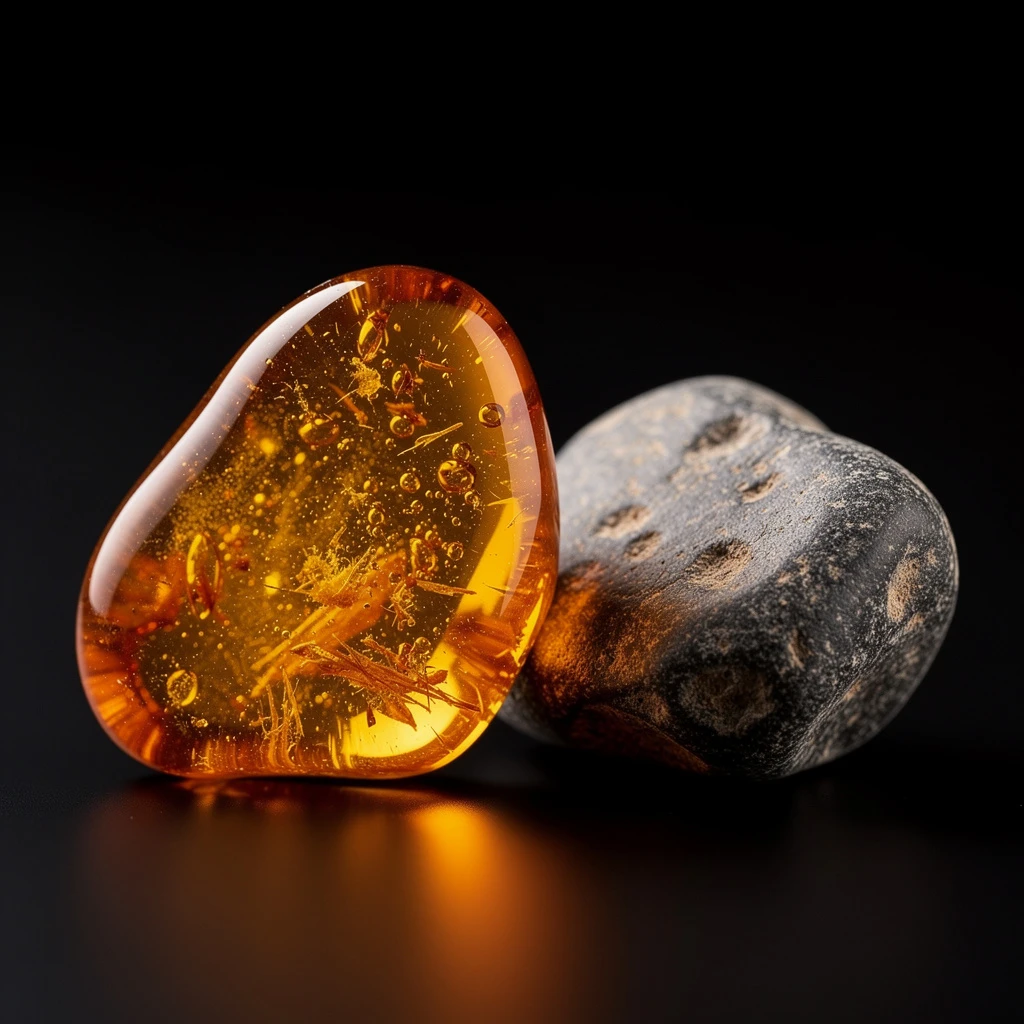
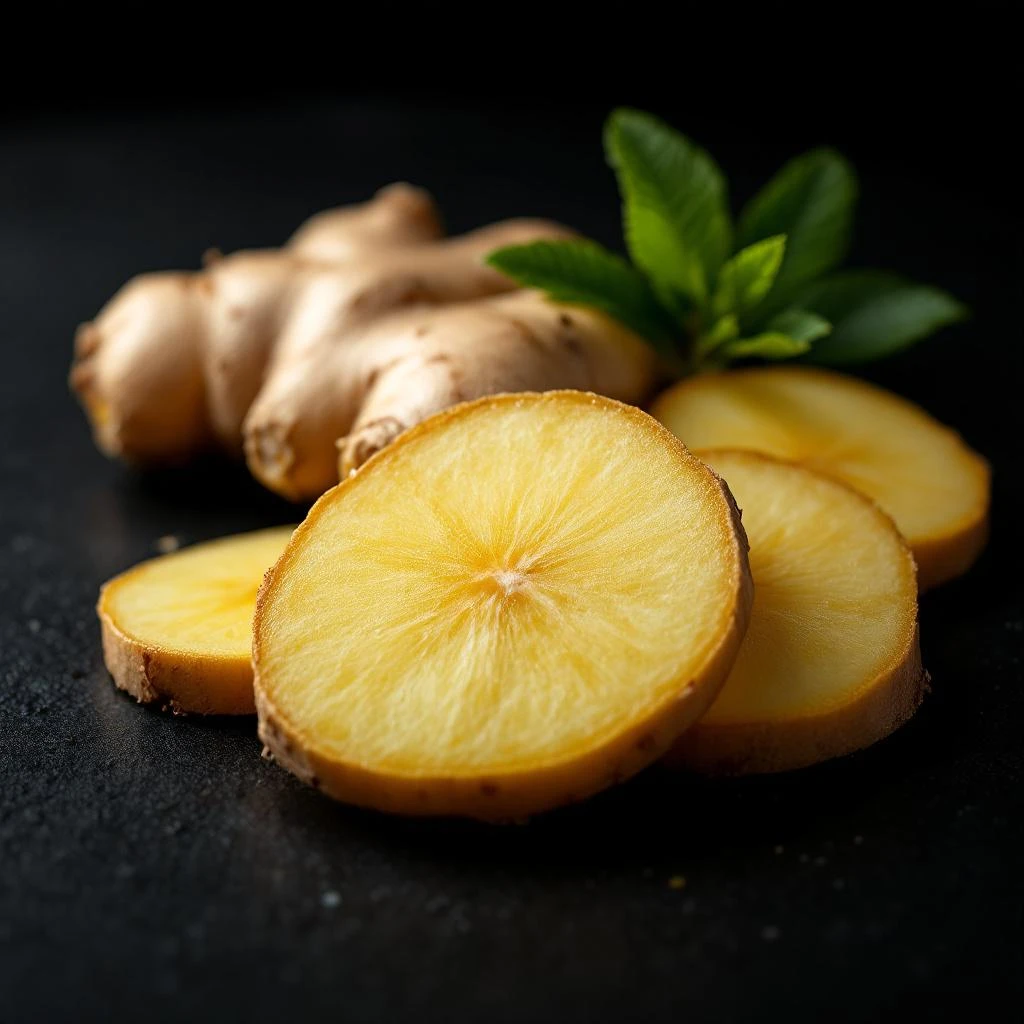


Origin
Germany
Anisaldehyde entered perfumery shortly after 1877, placing it among the earliest synthetic aromatic compounds available to fragrance chemists. This timing coincided with a broader shift in perfumery as laboratories gained the ability to recreate floral scents previously found only in nature. Perfumers embraced anisaldehyde for its ability to add softness and sweetness without heaviness.
The compound became especially valuable in powdery compositions, where its clean, almost confectionary character shaped the dry-down of countless fragrances. Today, anisaldehyde remains a staple in the perfumer's toolkit, valued for consistency and versatility.
Wears it best
Fragrances featuring Anisaldehyde
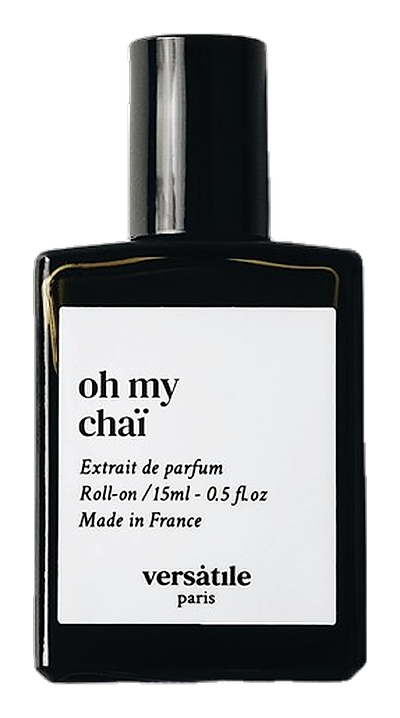
Brands
Brands known for Anisaldehyde
Good to know
Questions, answered
The essentials on Anisaldehyde in perfumery: how it smells, where it comes from, and how it behaves on skin.
What does anisaldehyde smell like?
Anisaldehyde carries a sweet, powdery, floral aroma often compared to hawthorn, heliotrope, and vanilla. Its character adds airy softness and a clean sweetness that works especially well in powdery fragrance families.
Is anisaldehyde a natural or synthetic ingredient?
Anisaldehyde exists as a natural trace component in certain plants but reaches commercial markets almost exclusively through synthetic production. The synthetic version offers superior purity and consistent aroma quality.
When did perfumers first start using anisaldehyde?
Chemists first synthesized anisaldehyde in 1877, giving perfumers access to its powdery sweetness within a few decades. It ranks among the earliest synthetic aromatic compounds adopted by the fragrance industry.
Which fragrance families use anisaldehyde most often?
Anisaldehyde appears frequently in powdery, oriental, and floral compositions. Perfumers value it for adding softness to heart notes and for enhancing the dry-down phase of fragrances.
What ingredients pair well with anisaldehyde?
Anisaldehyde combines effectively with heliotrope, vanillin, and coumarin. These pairings amplify its powdery character and create warm, sweet dry-downs typical of classic fragrance styles.
Is anisaldehyde safe for use in consumer products?
Anisaldehyde holds regulatory approval for cosmetic and fragrance use when formulated within established concentration limits. International fragrance regulations specify acceptable usage levels for various product categories.
Does anisaldehyde occur naturally in any botanicals?
Research confirms anisaldehyde appears naturally in hawthorn extracts and certain other plants. However, commercial fragrance production depends almost entirely on synthetic routes due to superior yield and purity.
How long does anisaldehyde last in a fragrance composition?
Anisaldehyde functions as a heart-to-dry-down ingredient with moderate substantivity. It contributes noticeably through the mid-wear phase and adds softness as the fragrance settles.