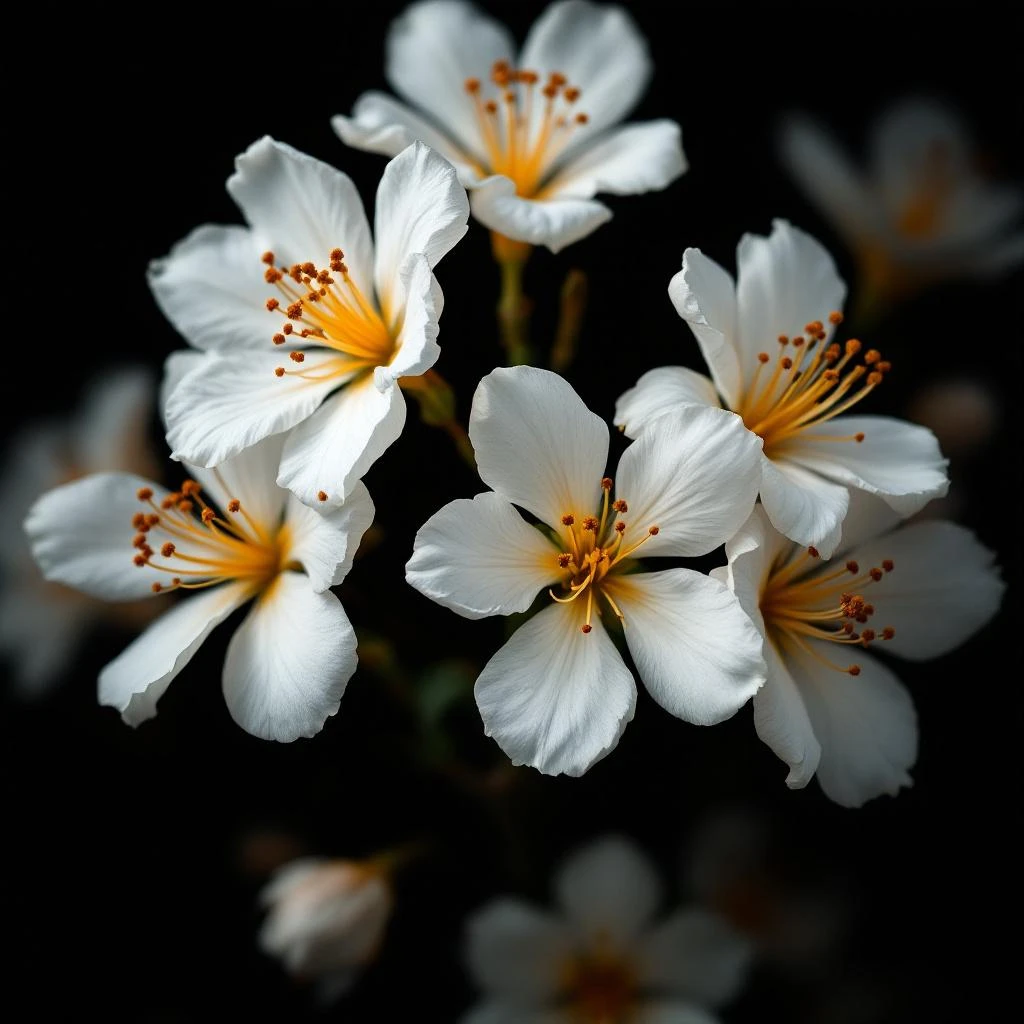
Mandarinal
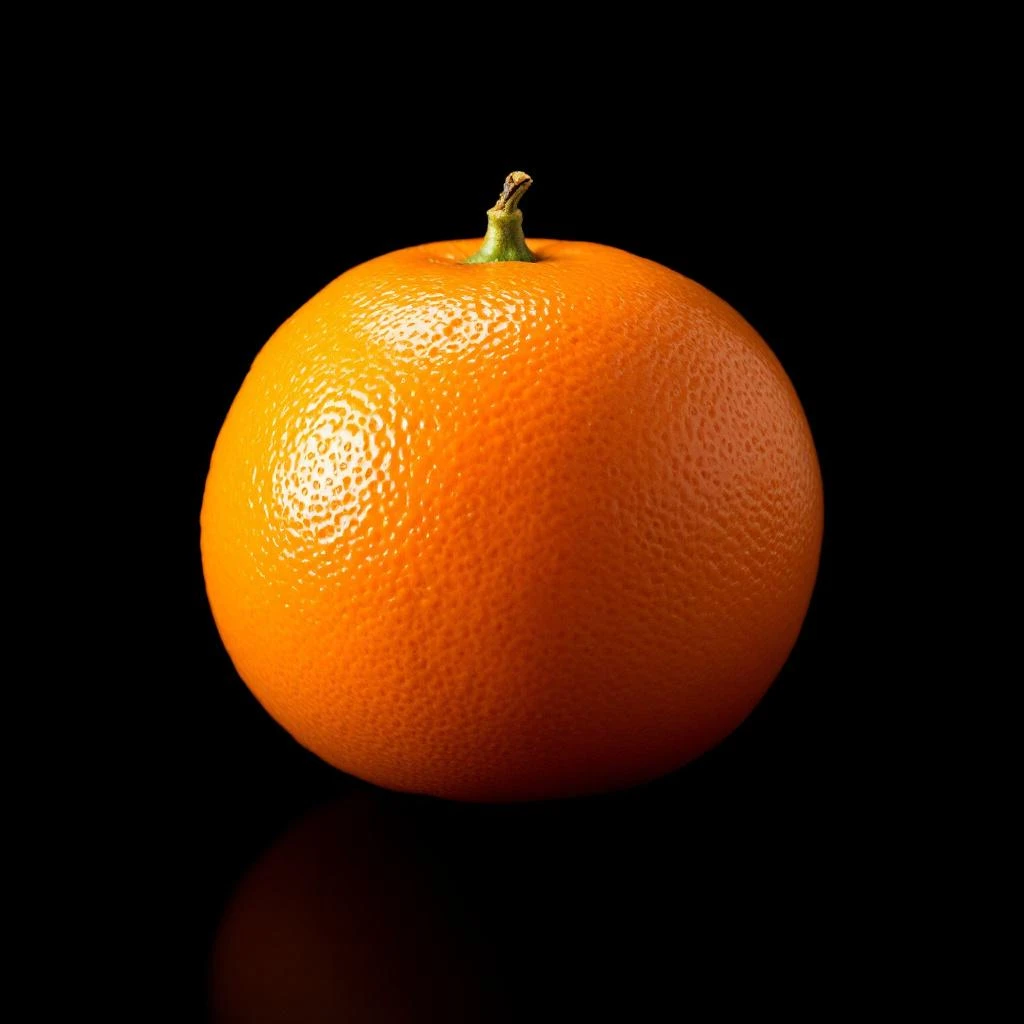
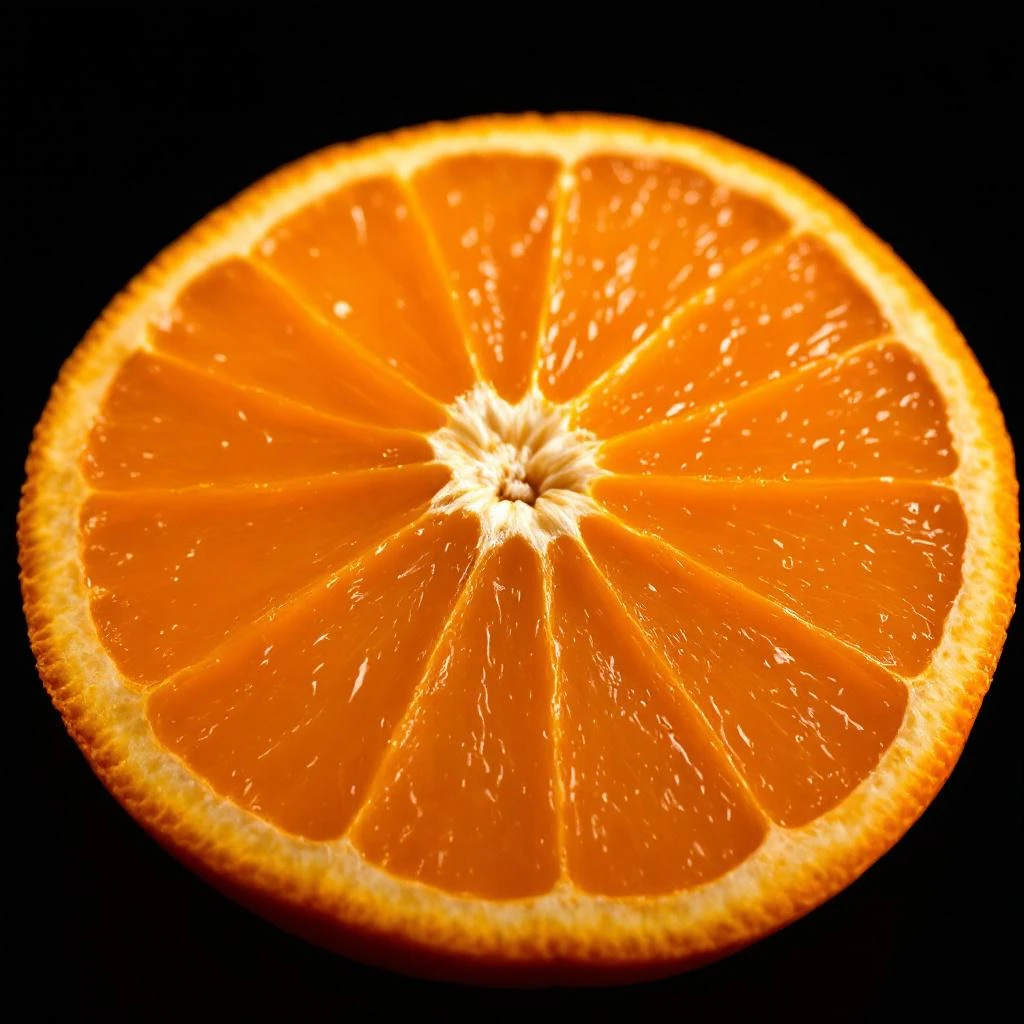
Mandarinal captures the sun-drenched zest of mandarin orange in a laboratory-crafted molecule. This synthetic citrus material gives perfumers a consistent, vibrant top note that evokes morning light on ripened fruit. Discover how a single molecule can distil the essence of an ancient fruit into pristine, sparkling fragrance.

Character
How it smells
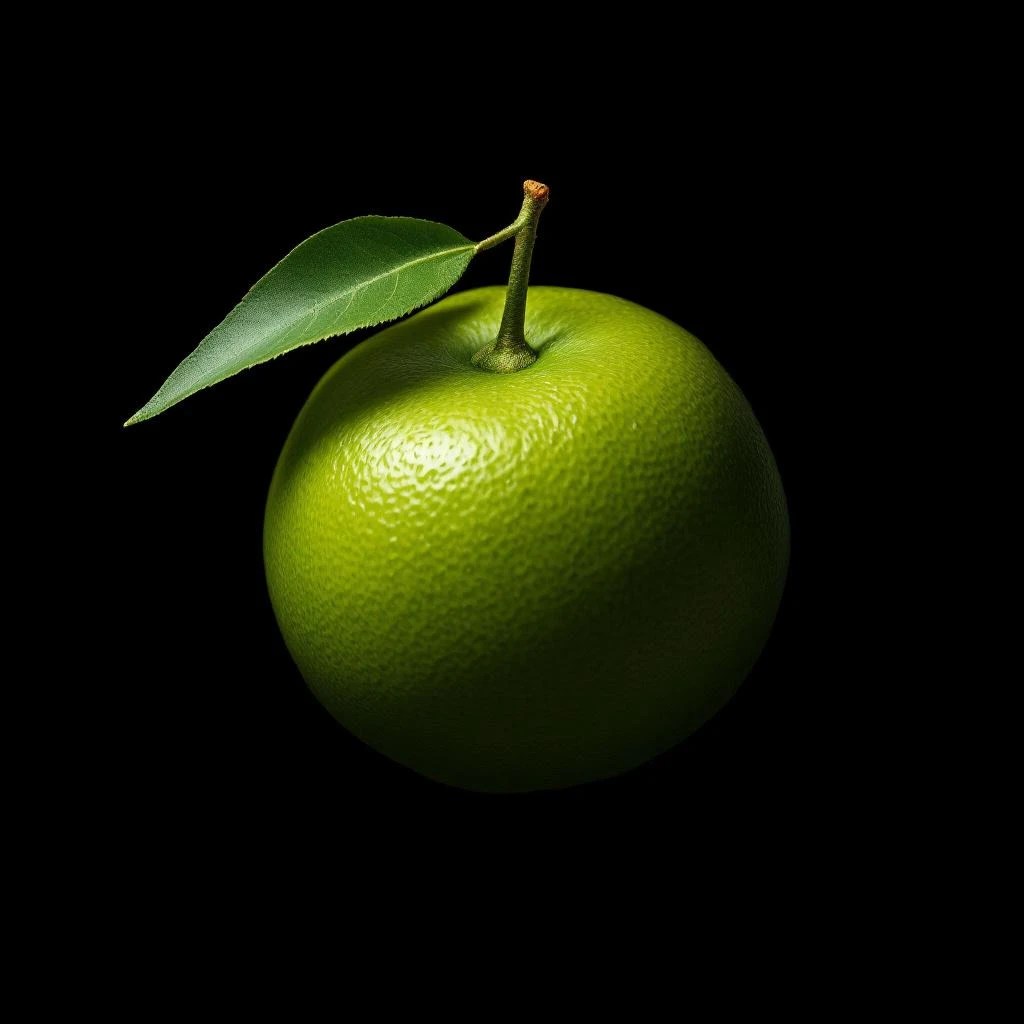
Liquid sunshine captured in molecular form.
A single mandarin tree can produce up to 150 kilograms of fruit annually, but Mandarinal needs no orchard at all.
Origin
China
The mandarin orange carries millennia of cultivation behind it. Chinese texts from the 12th century BCE document bitter orange and mandarin varieties growing in temple gardens, valued as offerings and medicinal preparations. European traders encountered these fruits during the Ming dynasty period, eventually transporting seedlings to the Mediterranean where they thrived in Italian and Spanish groves.
Natural mandarin essential oil entered perfumery during the 19th century, prized for its sweet, slightly floral citrus character that distinguished it from sharper lemon or more bitter bergamot. Yet natural citrus oils posed a challenge: they faded rapidly on skin. The 20th-century rise of synthetic chemistry allowed fragrance houses to isolate the key aroma molecules and reconstruct them for lasting performance.
Mandarinal represents this achievement, distilling thousands of years of fruit cultivation into a single stable molecule that honours its namesake without the volatility of the original peel.
Wears it best
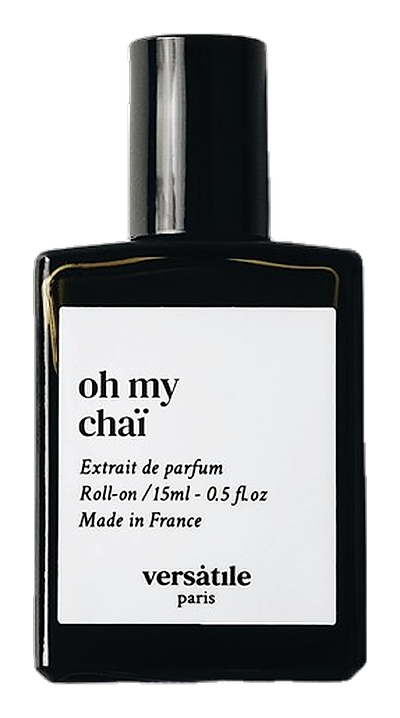
Fragrances featuring Mandarinal
Brands
Brands known for Mandarinal
Good to know
Questions, answered
The essentials on Mandarinal in perfumery: how it smells, where it comes from, and how it behaves on skin.
What exactly is Mandarinal in perfumery?
Mandarinal is a synthetic aroma chemical that reproduces the fresh, sweet scent of mandarin orange peel. Perfumers use it to add bright citrus top notes that remain stable throughout wear.
Is Mandarinal derived from real mandarin fruit?
No. Chemists synthesize Mandarinal entirely in the laboratory using petroleum-derived starting materials. The molecule mimics mandarin scent without requiring any fruit.
How does Mandarinal differ from natural mandarin essential oil?
Natural mandarin oil offers complex, freshly peeled character but fades within hours. Mandarinal provides consistent, lasting citrus brightness that holds throughout the fragrance dry-down.
What fragrances typically contain Mandarinal?
Mandarinal appears in fresh colognes, citrus chypres, and modern florals seeking a clean opening. It works well alongside neroli, bergamot, and white musk bases.
Is Mandarinal considered safe for skin application?
Fragrance industry panels have evaluated Mandarinal and approved it for cosmetic use at standard concentrations. Always patch-test individual products for personal sensitivity.
Can Mandarinal trigger allergic reactions?
Like many fragrance materials, Mandarinal may cause sensitivity in susceptible individuals. IFRA guidelines regulate maximum concentrations in consumer products.
Why do perfumers choose synthetic ingredients like Mandarinal?
Synthetics offer consistency, sustainability, and performance that natural materials sometimes lack. One molecule can replace hectares of crops while delivering reliable fragrance character.
Does Mandarinal smell identical to fresh mandarin?
Close, but not identical. Mandarinal captures the bright, sweet-peel character. Natural mandarin oil includes subtle nuances from harvest and extraction that synthetics approximate rather than replicate.