Eugenol
Eugenol is the phenolic compound behind clove's unmistakable warmth—a spicy, almost medicinal sweetness that perfumers have relied on for over a century to anchor oriental and spicy compositions.
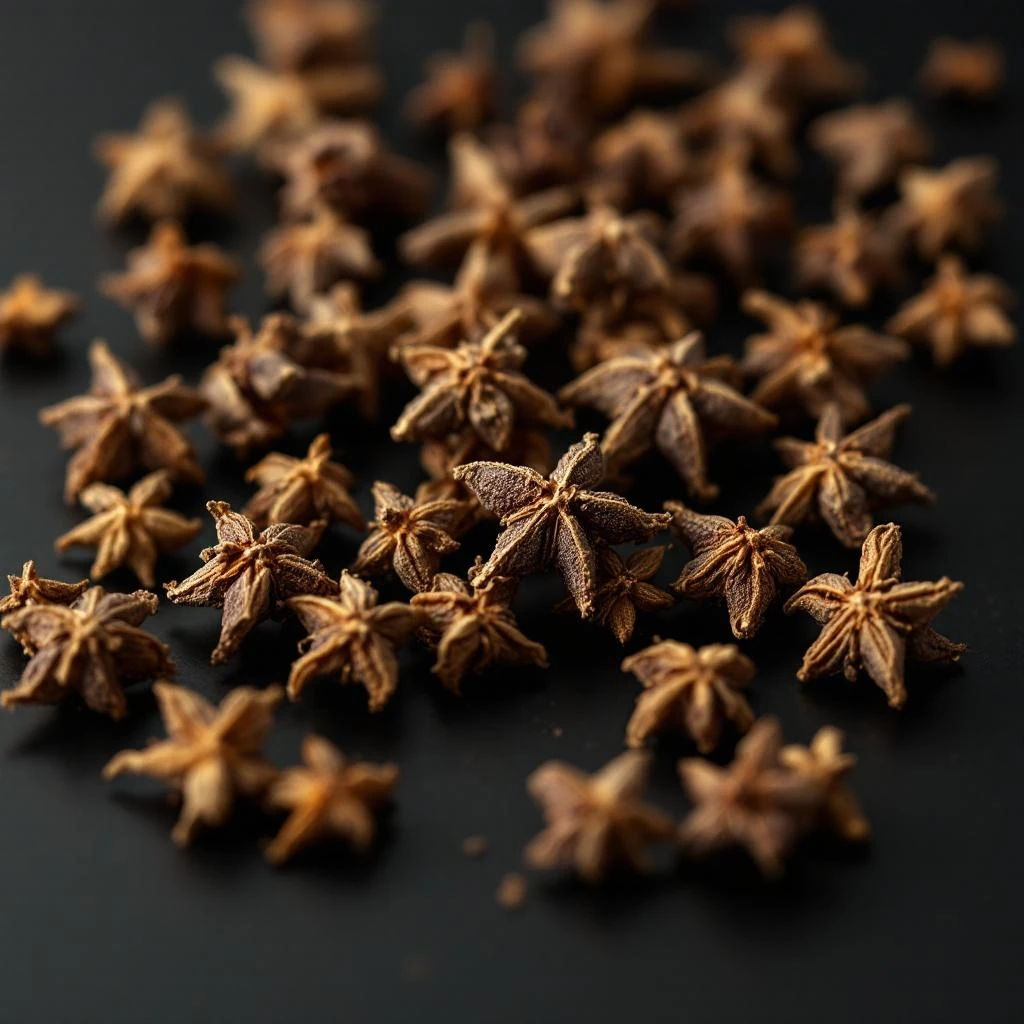
Character
How it smells
The warm, spicy heart of clove in perfumery.
Up to 80% of clove's aroma comes from eugenol alone. You'll also find it hiding in cinnamon, basil, allspice, and even pumpkin spice blends.
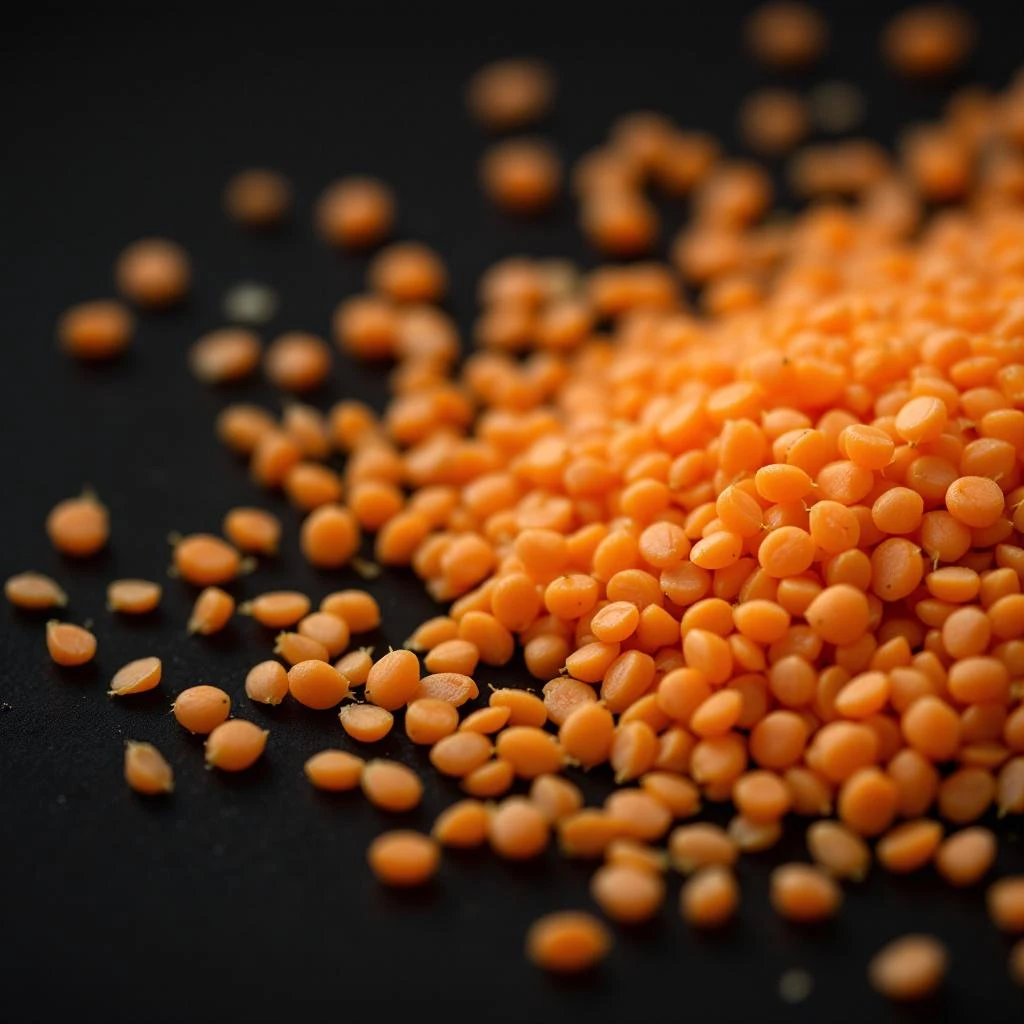

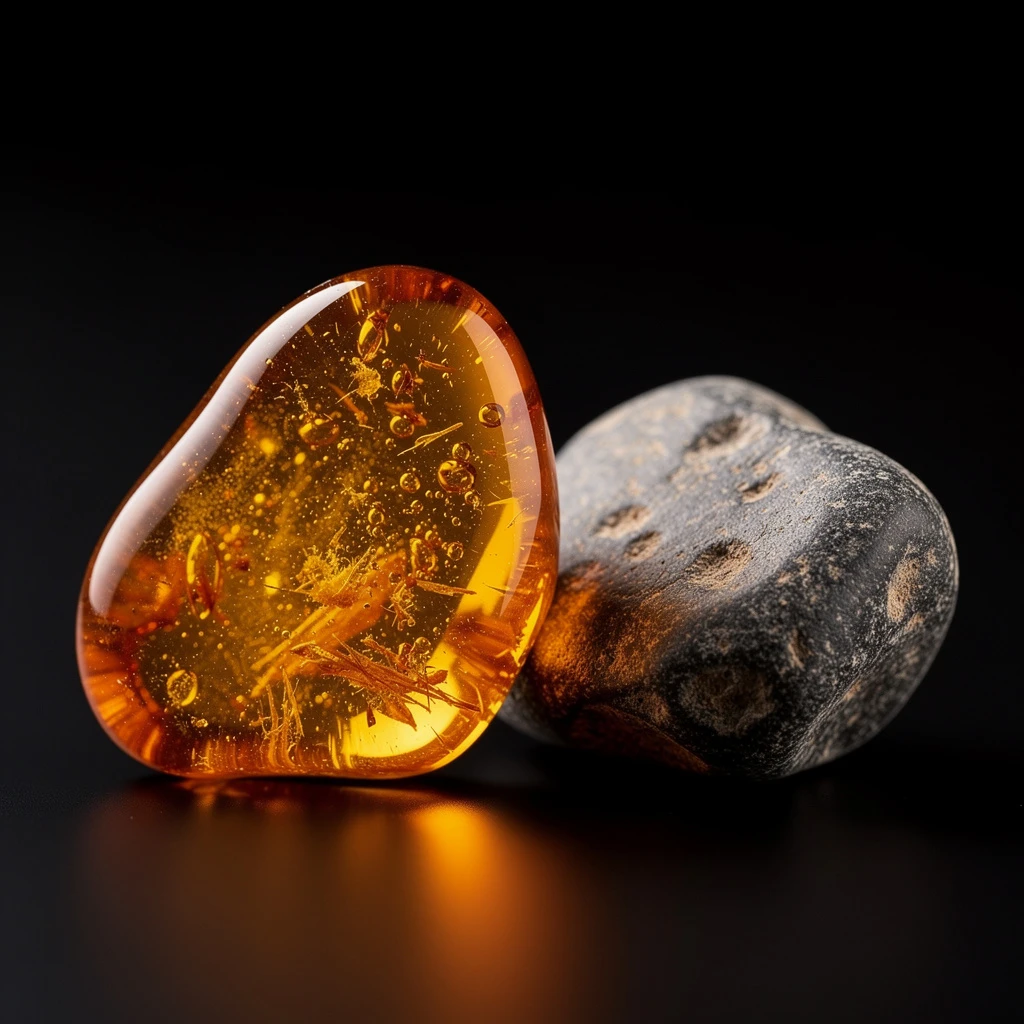
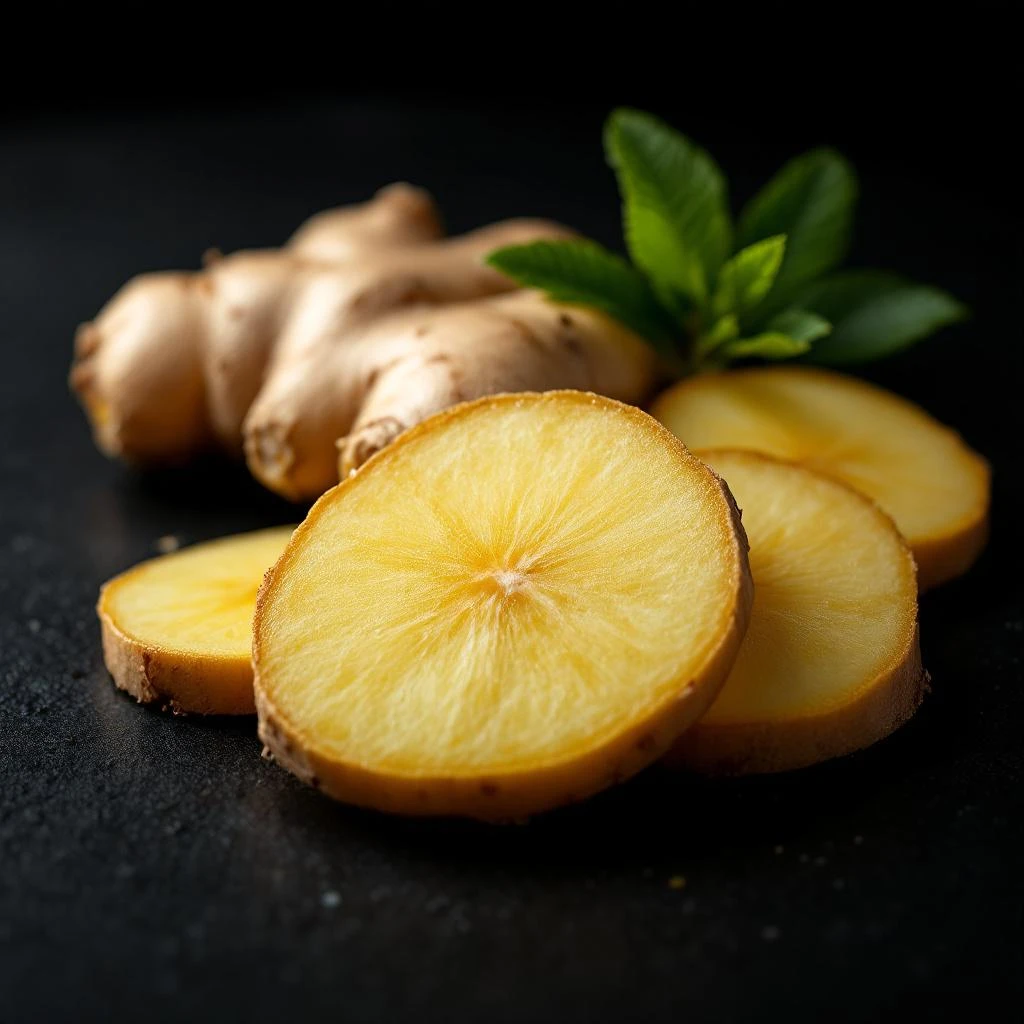

Origin
Madagascar
Eugenol entered perfumery as a defining element of the oriental fragrance family, a category built on warmth, resin, and spice. French and British perfumers in the 19th century embraced clove-derived materials as they sought bold, long-lasting ingredients for their formulations.
The compound became a cornerstone of men's fragrances in the mid-20th century, lending its characteristic heat to creations that called for depth and character. Historically, clove and its eugenol content served roles beyond fragrance—traditional medicine valued its warming and numbing properties, and food preservation relied on its antimicrobial qualities.
In perfumery, its use evolved from a primary note to a modulating agent, adding structural warmth to complex compositions without dominating the blend. Today, eugenol appears across men's and women's fragrances, often woven into the spiced drydown where its staying power serves the perfume's longevity.
Wears it best
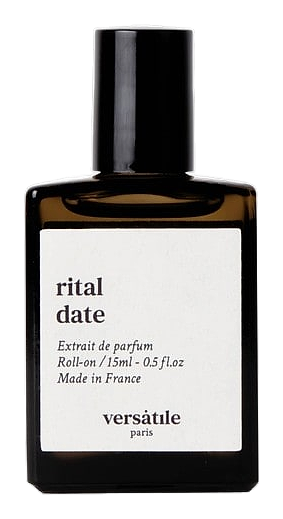
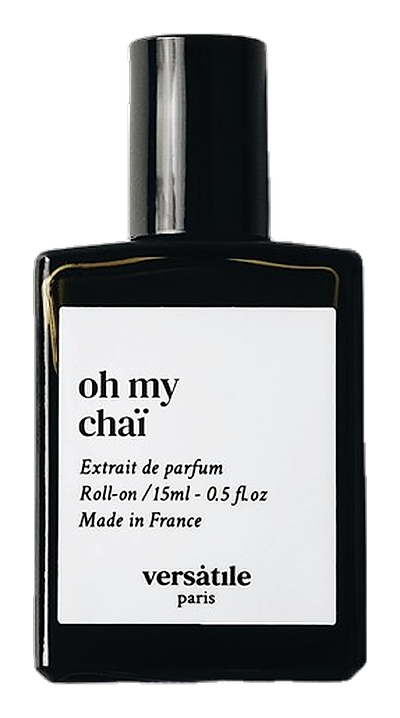
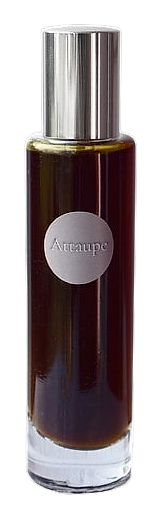
Fragrances featuring Eugenol
Brands
Brands known for Eugenol
Good to know
Questions, answered
The essentials on Eugenol in perfumery: how it smells, where it comes from, and how it behaves on skin.
What does eugenol smell like?
Eugenol delivers a warm, spicy, slightly medicinal aroma characteristic of clove. It carries sweet, woody undertones with a camphor-like edge that adds depth and a faint anesthetic sharpness.
Is eugenol natural or synthetic?
Eugenol exists naturally in clove, cinnamon, basil, and several other botanicals. It can also be synthesized, and synthetic versions are common in modern perfumery due to supply consistency and cost stability.
What fragrances pair well with eugenol?
Eugenol blends naturally with vanillin, coumarin, cinnamic aldehyde, and other warm materials. It works particularly well in oriental and spicy fragrance families, adding backbone to vanilla, tobacco, and woody compositions.
When did perfumers first use eugenol?
Eugenol became a perfumery material in the 19th century as part of the broader adoption of essential oils. Its use intensified during the mid-1900s when oriental fragrances surged in popularity.
What percentage of clove oil is eugenol?
Clove bud oil typically contains 80–90% eugenol by weight, making it the dominant aromatic compound. Stem oil runs slightly higher, sometimes exceeding 90%.
Does eugenol appear in natural perfume ingredients?
Yes. Beyond clove, eugenol occurs in allspice, cinnamon leaf, bay leaf, pimento berry, patchouli, and certain basil varieties. It is considered a natural isolates—a single aromatic molecule derived from botanical sources.
Why do perfumers use eugenol in oriental fragrances?
Eugenol provides warmth, spiced depth, and excellent fixation properties. Its molecular structure helps retain lighter top notes, making it valuable for extending a fragrance's overall longevity on skin.
Is eugenol used in any other industries?
Eugenol has applications in flavoring, pharmaceuticals, and dentistry due to its analgesic properties. It also functions as a natural preservative and insect repellent in various commercial products.