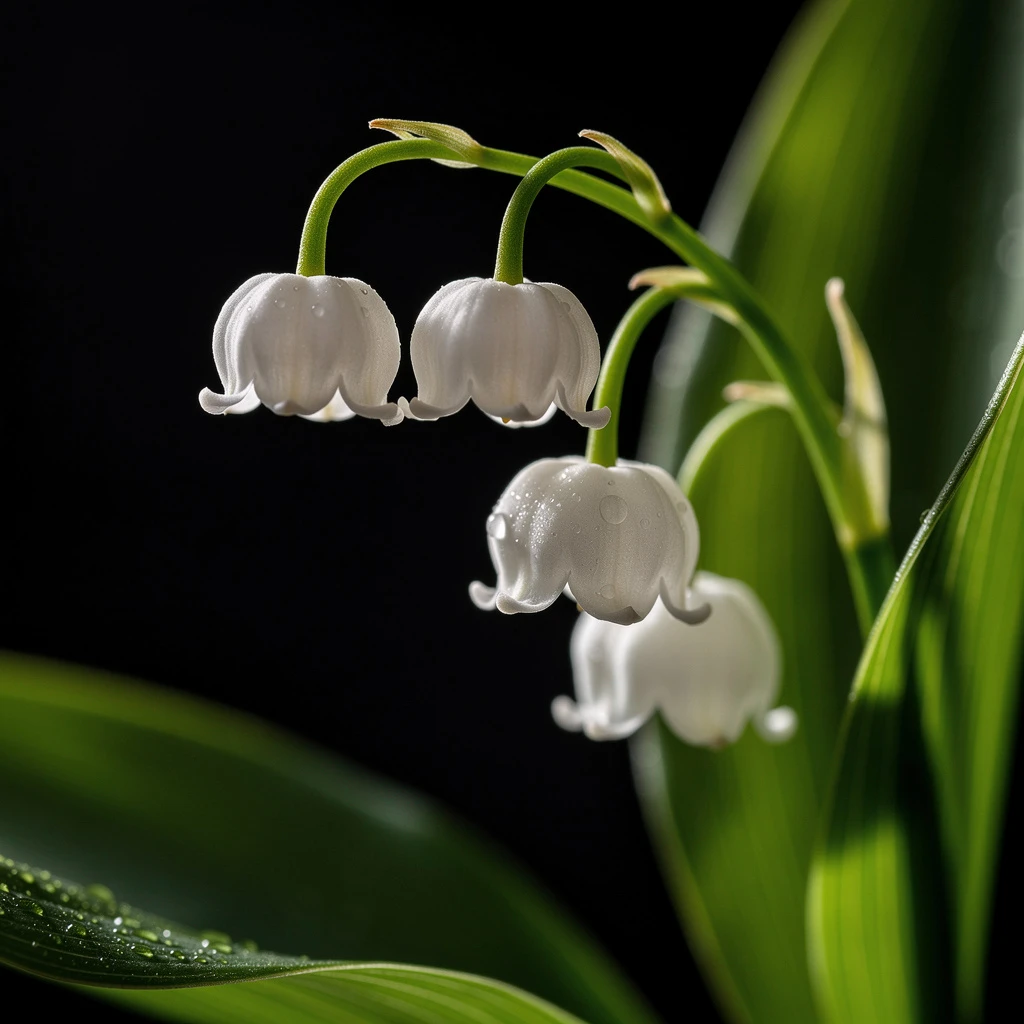
Bai Mudan Tea
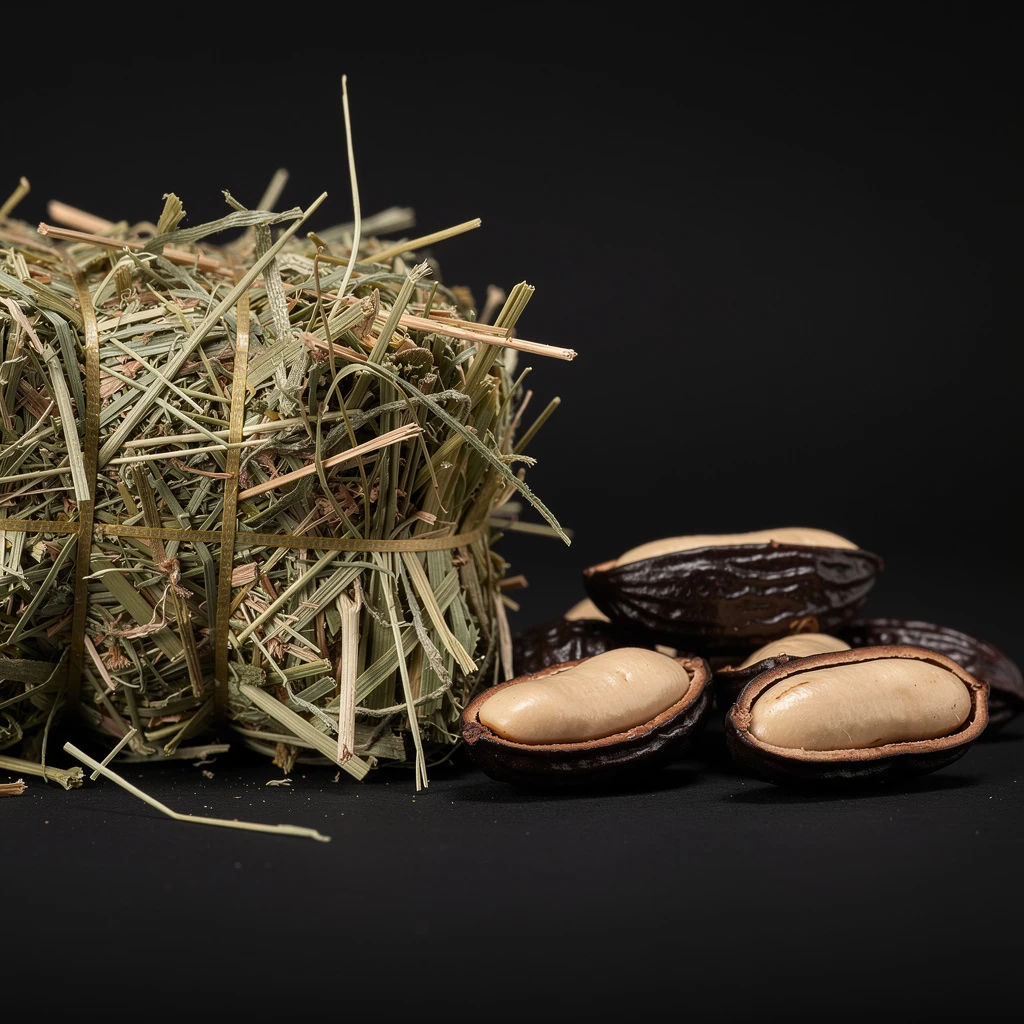
Originating from the misty highlands of Fujian Province, Bai Mudan (White Peony) is a Chinese white tea celebrated for its silvery buds, emerald leaves, and a fragrance that whispers of fresh cut hay, white flowers, and cool morning air. This gentle note brings quiet sophistication to fragrance compositions.
Character
How it smells
A whisper of Fujian's highlands captured in scent.
The name White Peony refers to the tea's signature leaf-and-bud form, which unfurls during steeping like petals of a flower.




Origin
China
Bai Mudan emerged in the late 19th century among tea farmers in Shuiji, a small town within Fujian Province's Zhenghe and Fuding counties. The region's history with white tea stretched back centuries, yet this particular plucking method, one bud and two young leaves, represented a deliberate departure from earlier single-bud teas like Silver Needle.
Local growers discovered that including the second leaf added body and complexity to the cup while remaining gentle enough to retain the characteristic delicacy white tea drinkers valued. Before Bai Mudan found its place as a drinking tea, white varieties served medicinal roles in Northern Fujian, prescribed for conditions involving skin inflammation.
The transition from remedy to refined beverage mirrors a broader Chinese tea tradition of elevating simple botanicals into objects of quiet appreciation. Bai Mudan gained recognition gradually, earning its place alongside Silver Needle as an essential expression of Fujian's white tea heritage by the mid-20th century.
Wears it best
Fragrances featuring Bai Mudan Tea
Brands
Brands known for Bai Mudan Tea
Good to know
Questions, answered
The essentials on Bai Mudan Tea in perfumery: how it smells, where it comes from, and how it behaves on skin.
What does Bai Mudan smell like in perfume?
Bai Mudan reads as delicate, green, and slightly sweet in fragrance. The dominant impression combines fresh-cut grass and hay with softer notes of magnolia and cool cucumber. It adds a clean, natural quality rather than a strong singular aroma.
Is Bai Mudan a natural or synthetic ingredient in perfumery?
Bai Mudan used in fragrance is typically derived from real tea through solvent extraction. However, perfumers frequently layer natural extracts with synthetic reconstructions of key aroma compounds to ensure batch consistency and fragrance performance.
Where does Bai Mudan originate?
Bai Mudan comes from Fujian Province on China's southeast coast, specifically the counties of Zhenghe and Fuding. The humid subtropical climate and mountainous terrain of this region are considered essential to the tea's characteristic flavor profile.
How is Bai Mudan used in fragrance?
Fragrance formulators use Bai Mudan absolute or tea-scent bases as a bridging ingredient. It softens sharper green notes, adds freshness to floral compositions, and grounds marine or ozonic accords with natural warmth.
When was Bai Mudan first produced?
Bai Mudan dates to the late 19th century in Shuiji, Fujian. Local farmers in Shuiji town began plucking one bud with two young leaves, creating a tea with more body than earlier single-bud varieties like Silver Needle.
What parts of the tea plant are used in Bai Mudan?
Bai Mudan combines one unopened bud with two immediate young leaves of Camellia sinensis. This one-bud-two-leaf ratio gives the dried tea its distinctive peony-like silhouette and contributes both sweetness from the bud and grassy depth from the leaves.
Why is Bai Mudan significant in Chinese tea culture?
Bai Mudan represents a turning point in white tea history. By incorporating leaf material alongside the bud, growers created a more accessible and complex tea that expanded white tea's appeal beyond the rarefied single-bud grades that preceded it.
What makes Bai Mudan different from other white teas in fragrance?
Compared to Silver Needle, which supplies a purer, more aquatic note, Bai Mudan brings a greener, slightly fuller character. Its fragrance profile bridges delicate florality and grassy freshness, making it versatile across light and medium-weight compositions.
In the same family