Aldemone
Aldemone enters the scene like a whispered secret in a grand ballroom—synthetic, striking, and impossibly modern. This rare aromatic molecule adds unexpected depth that lingers far beyond expectation.

Character
How it smells
The modern muse of contemporary perfumery.
Aldemone was developed for niche perfumery, crafted for those seeking compositions that break conventional aromatic rules.
Pairs beautifully with




Origin
Switzerland
Aldemone represents the cutting edge of 20th-century aromatic chemistry, born from the discipline's relentless pursuit of novel scent molecules. While ancient civilizations worked with natural materials and early chemists explored basic syntheses, Aldemone emerged from sophisticated understanding of how molecular structure shapes olfactory perception.
Its creation reflects perfumery's evolution from an art relying solely on botanicals to a science embracing molecular innovation. The ingredient carries forward the pioneering spirit of late 19th-century synthetics like vanillin and coumarin, yet operates in a more refined register.
Today, Aldemone occupies a specific niche in the perfumer's palette, valued for its ability to add complexity without overwhelming a composition. It speaks to how the industry continues expanding its aromatic vocabulary through chemical ingenuity.
Wears it best
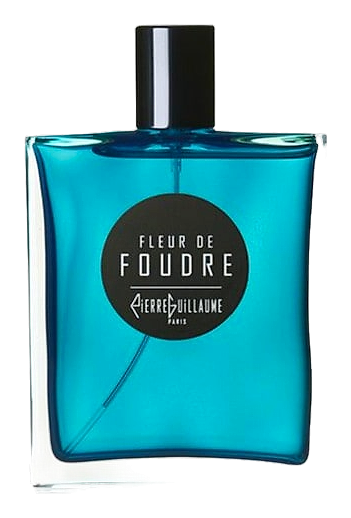
Fragrances featuring Aldemone
Brands
Brands known for Aldemone
Good to know
Questions, answered
The essentials on Aldemone in perfumery: how it smells, where it comes from, and how it behaves on skin.
What does Aldemone smell like?
Aldemone presents as a sophisticated, slightly woody aromatic with clean, modern character. Its scent profile combines subtle green facets with warm undertones that add depth without heaviness.
Is Aldemone natural or synthetic?
Aldemone is entirely synthetic, created through controlled laboratory synthesis. This production method ensures molecular purity and consistent olfactory properties across batches.
Which perfumes feature Aldemone?
Aldemone appears primarily in niche and luxury fragrances marketed toward consumers seeking modern, distinctive compositions. Specific formulations remain proprietary to each house.
Is Aldemone safe for skin application?
Aldemone meets International Fragrance Association standards for safe cosmetic use when properly formulated. All Silloria featured products containing this ingredient have passed regulatory evaluation.
Does Aldemone perform differently than natural aromatics?
Synthetic aromatics like Aldemone offer superior batch-to-batch consistency compared to natural extracts, which vary with harvest conditions and geographic origin.
What fragrance families use Aldemone?
Aldemone works well in woody, aromatic, and modern fougère compositions. Perfumers value it for adding subtle complexity without dominating a fragrance's overall character.
How is Aldemone different from aldehydes?
Despite the similar name, Aldemone differs chemically from traditional aldehydes. Its molecular structure creates distinct olfactory properties that set it apart from classic aldehydic materials.
Can Aldemone be combined with natural ingredients?
Aldemone pairs effectively with both natural and synthetic materials. It adds contemporary refinement to traditional compositions while bridging classical and modern perfumery approaches.