
The Story
Why it exists.
The beginning
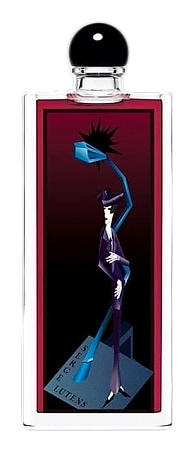
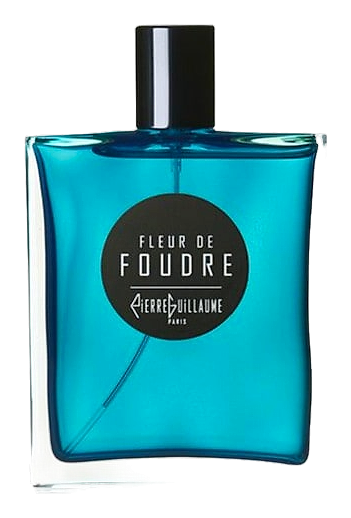
Pierre Guillaume named this one after a weather event, not a place. The original brief was simple: capture what champaca flowers smell like just before a storm. That moment when the air turns heavy, electric, charged with something that hasn't happened yet. The flowers know. The perfumer wanted to bottle that knowledge. In 2015, he released it under the name Foudre, French for lightning bolt. It didn't stick. The name became Fleur de Foudre, Flower of Lightning, and the scent stayed the same: champaca caught mid-transformation, beautiful and about to break open.
White champaca belongs to the magnolia family and carries that unmistakable floral richness, but with its own distinctive weight and character. The brand sources a special extraction using low-temperature fractional distillation that removes the natural waxes, leaving only the most delicate facets: fresh, floral, slightly fruity. The process captures the flower's ethereal quality in a way that feels lighter than expected, almost translucent.
The evolution
Champaca opens first, soft and slightly sweet, floral in the way magnolia is floral but with considerably more presence. The white petals unfold with a fullness that suggests depth without heaviness. Within a short time, pepper arrives on the scene, not shouting for attention, not spicy in the conventional sense, but more like the atmosphere that precedes electrical activity in the sky. Vetiver deepens the green qualities, pushing toward something mineral and earthbound that grounds the composition. The heart of the fragrance maintains a compelling tension between floral sweetness and that charged atmospheric quality, a balance that feels intentional and carefully constructed. Black tea absolute gradually emerges, bringing dry, slightly bitter warmth without actual heat, a sophisticated transition that speaks to thoughtful formulation.
Cultural impact
Fleur de Foudre occupies a distinctive position within niche perfumery, appealing to collectors who gravitate toward atmospheric qualities in their scents. Those who seek it tend to value the way it captures a condition rather than simply delivering a pleasant fragrance. While it hasn't reached broad commercial visibility, the response among those familiar with it tends to be definitive: either it unmistakably evokes the moment before a storm, or it registers as vetiver and pepper with floral undertones. Both perceptions hold truth, depending on the wearer's nose and the stage of wear.