Hexyl Butyrate
Hexyl Butyrate is a synthetic ester prized in perfumery for its fresh, fruity character. This colorless liquid delivers bright notes of pineapple and ripe stone fruits, making it a staple in tropical and orchard-inspired fragrance compositions.
Character
How it smells
Bright tropical ester with pineapple and stone fruit character
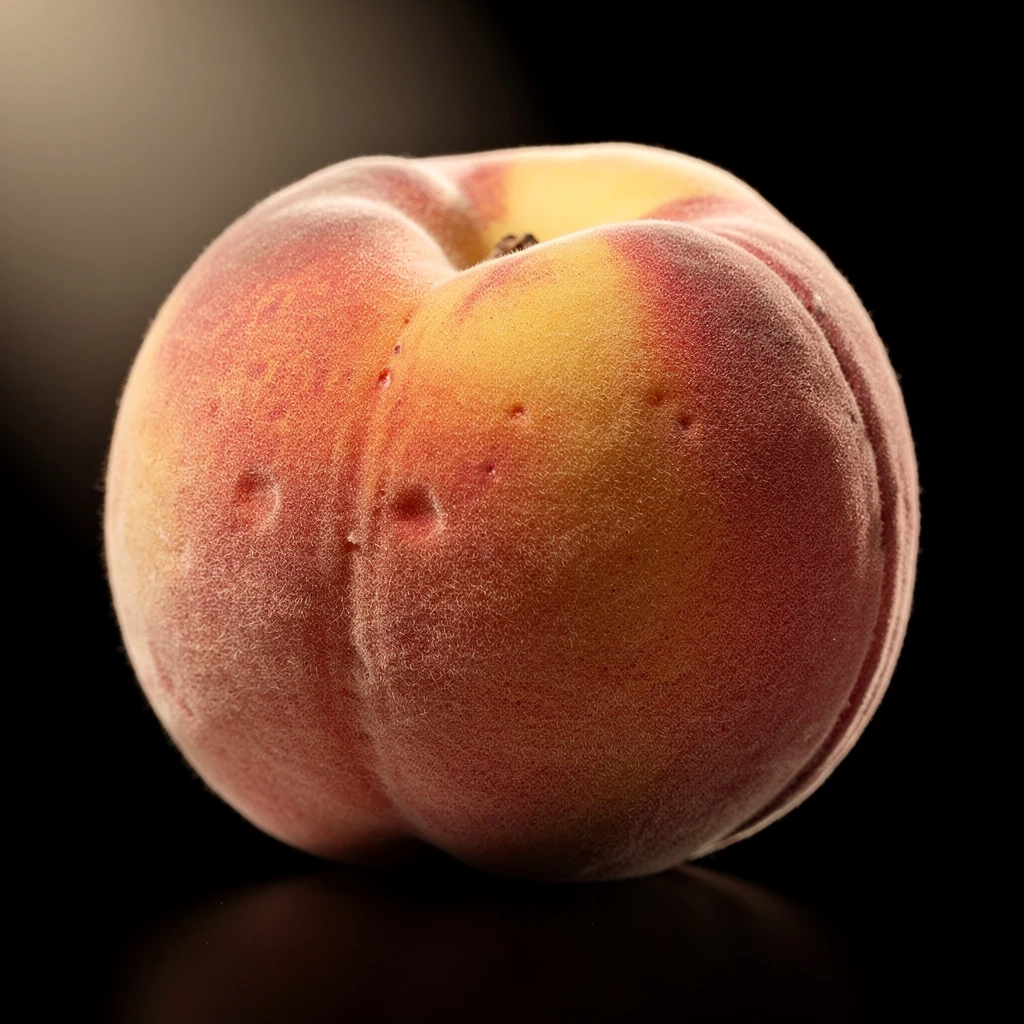
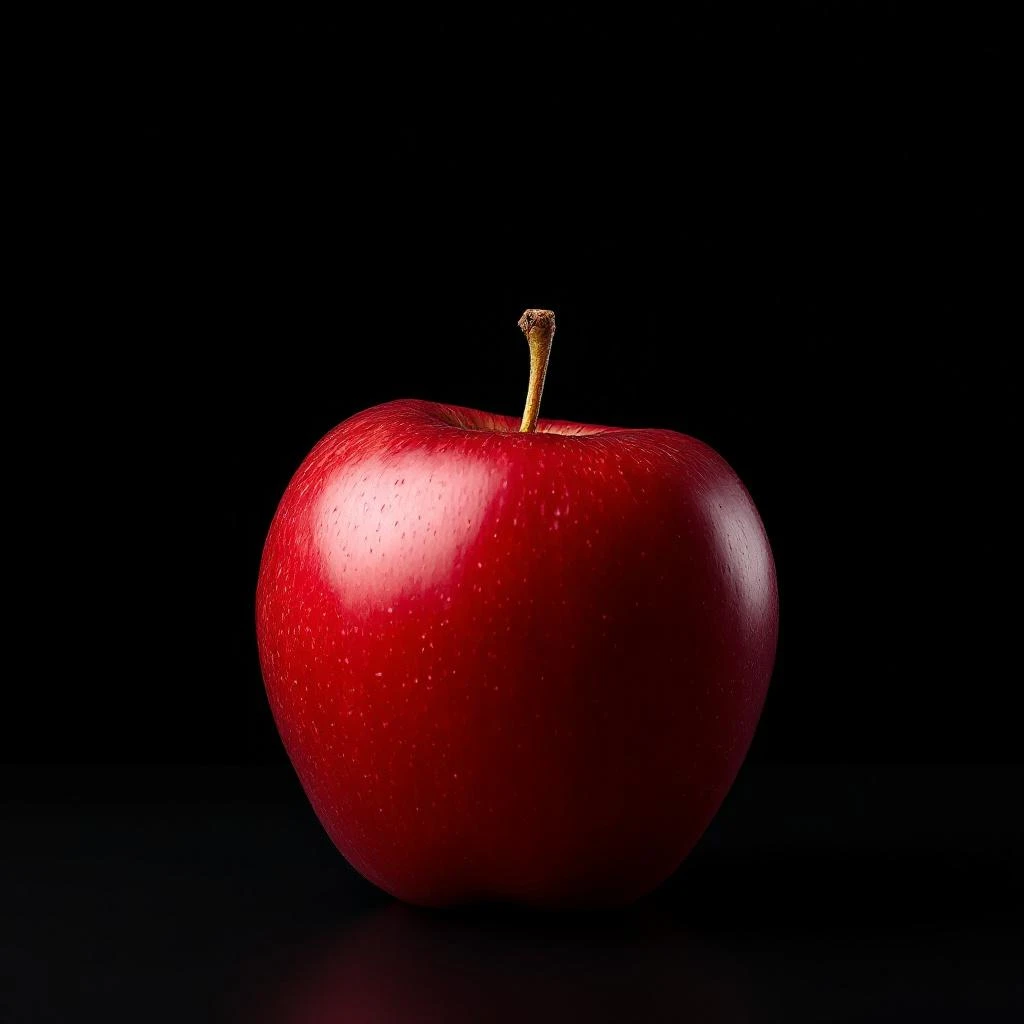
This ester occurs naturally in ripe plums, apricots, and apples, contributing to their characteristic fruity aroma.

Origin
Produced globally
The emergence of Hexyl Butyrate traces to the broader development of fragrance chemistry in the late 19th century. As organic synthesis advanced, perfumers gained access to aroma compounds that mimicked natural fruit notes without relying on expensive botanical extracts.
Esters like Hexyl Butyrate became building blocks for modern fragrance compositions during the 20th century expansion of the fragrance industry. Though not found in ancient perfumery, this compound represents how modern chemistry extended the perfumer's palette beyond natural materials.
Wears it best
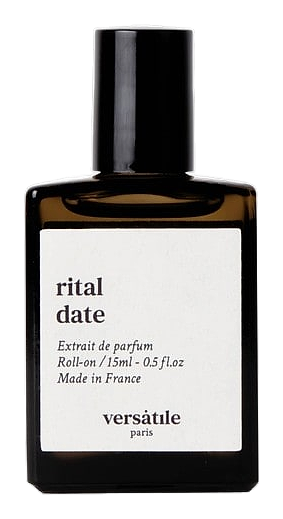
Fragrances featuring Hexyl Butyrate
Brands
Brands known for Hexyl Butyrate
Good to know
Questions, answered
The essentials on Hexyl Butyrate in perfumery: how it smells, where it comes from, and how it behaves on skin.
What does Hexyl Butyrate smell like?
Hexyl Butyrate has a fresh, fruity aroma reminiscent of ripe pineapple and stone fruits like plums and apricots. It brings bright, tropical top-note character to fragrance compositions.
Is Hexyl Butyrate natural or synthetic?
Hexyl Butyrate is primarily synthetic. While it occurs naturally in trace amounts in plums, apricots, and apples, commercial production relies entirely on chemical synthesis for consistent quality and supply.
What fragrance families use Hexyl Butyrate?
This ester appears in tropical fragrances, fruity compositions, and orchard-inspired scents. It works well in bright top-note formulations and adds natural fruity character to more complex bases.
Is Hexyl Butyrate safe for cosmetic use?
Hexyl Butyrate is approved for cosmetic and fragrance use by major regulatory bodies when used within established concentration limits. IFRA guidelines specify appropriate usage levels for different product categories.
In which natural fruits is Hexyl Butyrate found?
Trace amounts occur naturally in ripe plums, apricots, apples, and various tropical fruits. These natural concentrations are far too low for commercial extraction, necessitating synthetic production.
What concentration is typical in fragrances?
Usage levels typically range from 0.1% to 10% depending on fragrance type and position in the composition. It functions primarily as a top-note ingredient due to its volatility.
What compounds blend well with Hexyl Butyrate?
It pairs naturally with other fruity esters, citrus oils, floral materials like jasmine and rose, and woody base notes. It helps bridge bright top notes with richer heart and base compositions.
How is Hexyl Butyrate produced commercially?
Commercial production uses Fischer esterification, reacting hexanol with butyric acid under acidic conditions. The resulting crude ester is purified through vacuum distillation to meet fragrance-grade specifications.