Fructone
Fructone is a synthetic aroma chemical prized for its crisp, fruity sweetness with a cool, almost watery edge. It brings the jammy ripeness of cooked apple and pineapple into modern compositions without any natural extraction required.
Character
How it smells
Synthetic fruit, perfected in the lab.
Despite sounding like a natural extract, Fructone is entirely synthetic. It was developed to give perfumers a reliable, stable apple-pineapple note that natural ingredients simply cannot deliver consistently.


Origin
Switzerland
Fructone emerged during the mid-20th century as part of a wave of synthetic aroma chemicals designed to expand the perfumer's palette beyond what nature could reliably supply. Chemists working in flavor and fragrance laboratories sought to capture the elusive freshness of ripe fruit without the instability and cost of natural fruit extracts, which degrade quickly and vary batch to batch. Fructone answered that call with a consistent, reproducible apple-pinepineapple character that became foundational in fragrance design from the 1970s onward.
Its adoption coincided with the rise of fresh, fruity fragrances aimed at younger consumers, and it remains a workhorse ingredient in countless compositions today. The compound represents a broader shift in perfumery, where synthetic molecules moved from being substitutes for naturals to becoming irreplaceable building blocks in their own right.
Wears it best
Fragrances featuring Fructone
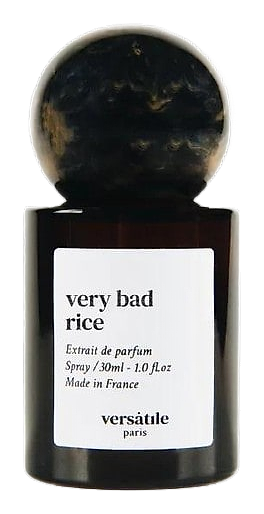
Brands
Brands known for Fructone
Good to know
Questions, answered
The essentials on Fructone in perfumery: how it smells, where it comes from, and how it behaves on skin.
What does Fructone smell like?
Fructone delivers a sweet, fruity aroma with strong associations of cooked apple, pineapple, and ripe pear. It carries a slightly watery, cool undertone that lends freshness to compositions. The scent is clean and uncomplicated, which makes it a reliable workhorse in modern perfumery.
Is Fructone natural or synthetic?
Fructone is entirely synthetic. It is manufactured through industrial chemical synthesis rather than extracted from any plant or fruit. This makes it consistent, affordable, and free from agricultural supply variability.
Why do perfumers use Fructone instead of natural fruit extracts?
Natural fruit extracts are unstable, expensive, and vary in quality depending on harvest conditions. Fructone provides a consistent fruity note at a fraction of the cost and remains stable in fragrance bases. Its predictability makes it invaluable for mass production.
Is Fructone safe to use in perfume?
Yes, Fructone is approved for use in fragrance formulations by major regulatory bodies including IFRA. It has been extensively tested for skin safety. Like all fragrance materials, it should be used within recommended concentration guidelines set by industry standards.
What types of fragrances commonly contain Fructone?
Fructone appears most frequently in fresh, fruity, and aquatic fragrances where its crisp apple-pineapple character adds lift to top notes. It is also used in unisex compositions and modern florals where a contemporary fruity sweetness is desired.
When was Fructone first developed?
Fructone was developed during the mid-20th century as part of a broader effort to create stable synthetic alternatives to fleeting natural fruit aromas. It gained widespread use in perfumery from the 1970s onward as fruity fragrances surged in popularity.
Does Fructone smell like real fruit?
Fructone captures an idealized version of ripe fruit, specifically cooked apple and pineapple, rather than mimicking any single natural fruit exactly. Perfumery often values this heightened, clean interpretation because it reads clearly in a composition.
Can Fructone be used in natural or organic perfumes?
No, Fructone cannot be used in perfumes marketed as natural or organic. Its synthetic origin disqualifies it from such certifications. Formulators seeking natural alternatives must rely on actual fruit distillates or essential oils, which present their own stability challenges.





