Oxane
Oxane is a synthetic cyclic ether bringing crisp, ozonic freshness to modern perfumery. This lab-created aromatic material captures the energy of rain-washed air and sunlit water in a precise molecular form.

Character
How it smells
The molecular scent of clean, open air
The same cyclic ether structure found in oxane appears in the defensive secretions of certain millipede species, a curious case of parallel evolution in chemical language.



Origin
France
Modern perfumery transformed in the late nineteenth century when commercial organic synthesis began producing aroma compounds for the first time. Before this shift, perfumers worked exclusively with natural extracts from flowers, woods, and resins.
The synthesis of vanillin and coumarin opened new creative territory, and perfumers gained access to aromatic materials existing nowhere in nature. Synthetic cyclic ethers like oxane arrived much later, emerging from advances in fragrance chemistry during the twentieth century.
These materials represent a mature phase of perfumery development, where molecular precision serves expressive rather than purely economical goals. Today, oxane occupies a defined place in the perfumer's palette, valued for delivering specific atmospheric qualities that natural materials cannot replicate consistently.
Wears it best
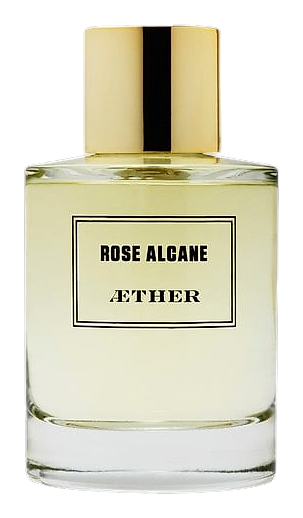
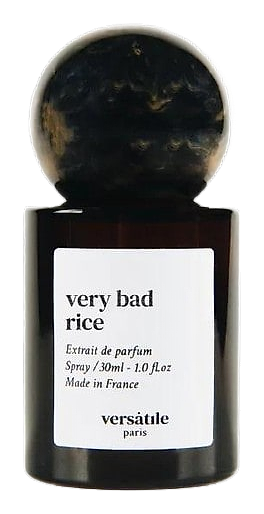
Fragrances featuring Oxane
Brands
Brands known for Oxane
Good to know
Questions, answered
The essentials on Oxane in perfumery: how it smells, where it comes from, and how it behaves on skin.
What is Oxane in perfumery?
Oxane is a synthetic cyclic ether used as a fragrance ingredient. It delivers a clean, ozonic aroma reminiscent of fresh air and rain-washed surfaces, providing a precise molecular shortcut to atmospheric freshness.
What does Oxane smell like?
Oxane imparts a crisp, ozonic quality often described as fresh, airy, and watery. It evokes the scent of clean air and open spaces, functioning as a transparent bridge between different fragrance layers.
In which fragrance families is Oxane typically used?
Oxane appears primarily in masculine fragrances, fougère compositions, and fresh aquatic scents. Perfumers pair it with citrus, marine, and green notes to reinforce airy, contemporary character.
Is Oxane a natural or synthetic ingredient?
Oxane is fully synthetic, produced through controlled organic synthesis in fragrance chemistry laboratories. It exemplifies the twentieth-century shift toward precise, reproducible aromatic materials.
How is Oxane used in fragrance formulation?
Perfumers use Oxane as a functional modifier, adding subtle ozonic lift to fragrance top and heart notes. Typical concentrations remain low due to its potency, allowing the fresh effect to enhance without dominating.
Is Oxane safe for use in consumer perfumes?
Oxane undergoes standard toxicological assessment under IFRA and REACH regulatory frameworks. Like all fragrance materials, professional safety guidelines govern its concentration and application in consumer products.
Why do perfumers choose synthetic ingredients like Oxane?
Synthetic materials offer consistency, stability, and olfactory precision that natural extracts cannot always guarantee. Oxane delivers a specific atmospheric effect reliably across every production batch.
Does Oxane have a chemical relationship to natural compounds?
The cyclic ether structure in Oxane shares a basic molecular architecture found in some plant secondary metabolites. However, Oxane itself exists as a defined synthetic entity, not extracted from any botanical source.
In the same family