Tobacarol
Tobacarol captures the warm, velvety richness of tobacco in a single molecule. This IFF captive brings smoky depth and honeyed warmth to fragrances, evoking cured tobacco leaf without the harshness of actual smoke.
Character
How it smells
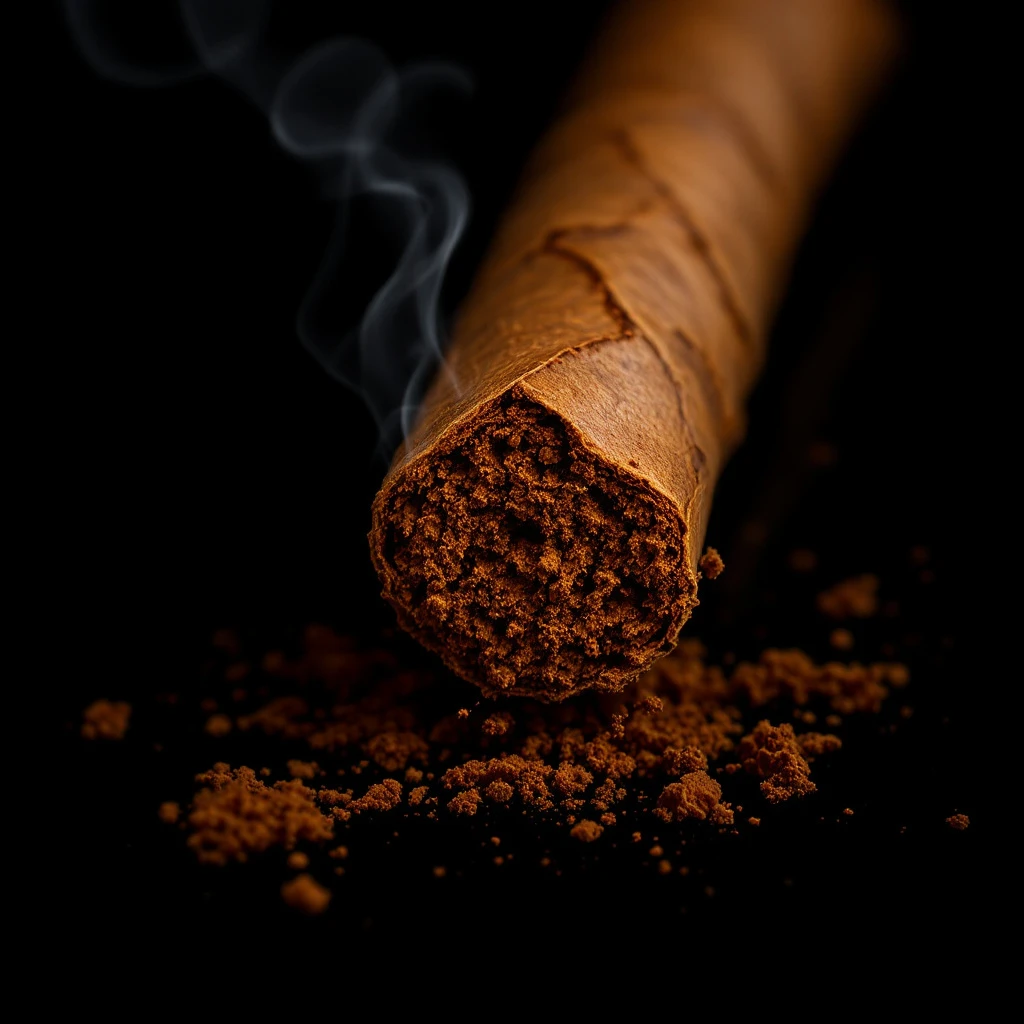
Synthetic tobacco with honeyed warmth and smoky depth.
Tobacarol recreates tobacco's complex aroma through molecular synthesis, achieving consistency impossible with natural leaf.
Origin
United States
Tobacco has held ceremonial and medicinal significance for indigenous peoples of the Americas for thousands of years before European contact. When explorers brought tobacco to Europe in the 16th century, its distinctive aroma began influencing perfumery through tobacco water and early tobacco absolutes. The 19th century brought organic chemistry and the ability to isolate and synthesize aromatic molecules.
By the mid-20th century, fragrance houses began creating captive materials specifically designed to capture difficult-to-source natural notes. Tobacarol emerged from this tradition, giving modern perfumers access to tobacco's signature warmth without relying on natural extracts that vary by harvest and curing conditions.
Wears it best
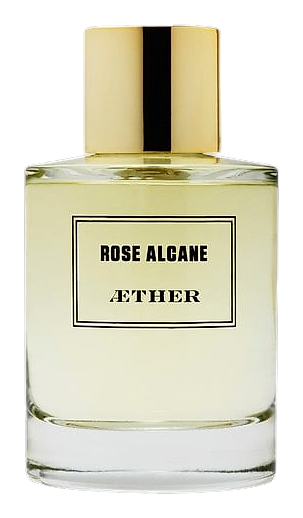
Fragrances featuring Tobacarol
Brands
Brands known for Tobacarol
Good to know
Questions, answered
The essentials on Tobacarol in perfumery: how it smells, where it comes from, and how it behaves on skin.
What does Tobacarol smell like?
Tobacarol smells like cured tobacco leaf with honeyed sweetness, warm resinous undertones, and a dry smoky finish. It conveys tobacco's richness without any harsh or stinging qualities.
Is Tobacarol natural or synthetic?
Tobacarol is fully synthetic, created through organic chemistry synthesis by International Flavances & Fragrances. This ensures consistent aroma profile across every batch.
What fragrances use Tobacarol?
Tobacarol appears primarily in masculine and unisex fragrances featuring tobacco notes. It works particularly well in chypre, leather, and oriental compositions.
Why do perfumers choose Tobacarol over natural tobacco?
Natural tobacco extracts vary significantly between crops, curing methods, and origins. Tobacarol provides reproducible results and allows precise control over tobacco intensity in a formula.
What chemical family does Tobacarol belong to?
Tobacarol is classified as a sesquiterpenoid derivative. Its molecular structure includes the bicyclic framework responsible for tobacco's characteristic warm, ambery character.
Can Tobacarol be combined with other tobacco materials?
Yes. Tobacarol pairs well with natural tobacco absolute, cashmeran, and vanillin. These combinations create more complex tobacco signatures with enhanced depth and nuance.
Does Tobacarol perform well in all fragrance types?
Tobacarol performs best in alcohol-based perfumes and works moderately in cosmetic applications. Its moderate substantivity makes it suitable for heart and base note placement.
When was Tobacarol introduced to perfumery?
Tobacarol entered the perfumery market as an IFF captive ingredient during the late 20th century, when fragrance houses began developing proprietary synthetic materials for their signature creations.
In the same family