Exaltolide
Exaltolide is a synthetic macrocyclic musk prized for its warm, natural aroma. Discovered in 1930, it remains one of the most elegant and versatile musks in modern perfumery, lending depth and sensuality to countless fragrance formulas.
Character
How it smells
The benchmark synthetic musk since 1930.
Despite being entirely synthetic, Exaltolide's molecular structure closely mimics natural musks found in ambrette seeds and angelica root.






Origin
Switzerland
Exaltolide entered the fragrance industry in 1930, a period when perfumers actively sought alternatives to natural musks like ambergris and musk deer. Its discovery marked a significant milestone in synthetic perfumery, arriving roughly 40 years after modern perfumery began incorporating laboratory-created ingredients. For decades, Exaltolide served as a secret component in prestigious fragrance bases, valued for its ability to round sharp edges and add lasting warmth.
As regulatory and ethical pressures ended the use of animal-derived musks, Exaltolide became a cornerstone of clean, vegan fragrance formulation. Over 90 years later, it continues as a staple in the perfumer's palette, demonstrating the enduring power of well-designed synthetic chemistry.
Wears it best
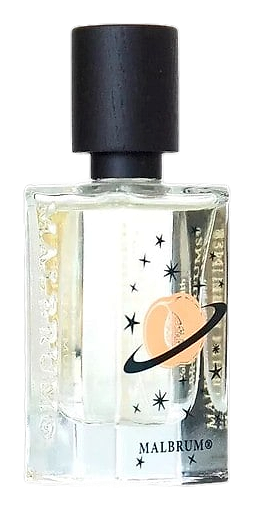
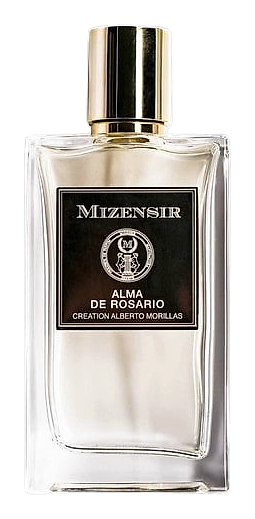
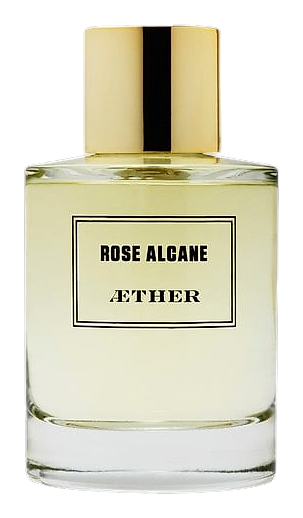
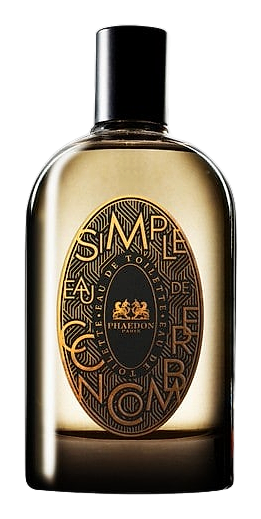
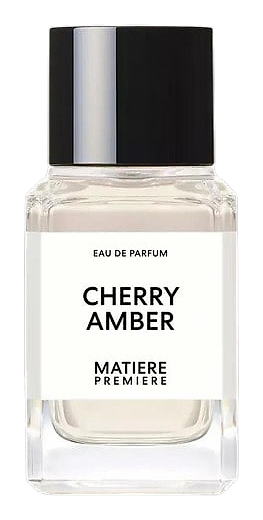
Fragrances featuring Exaltolide
Brands
Brands known for Exaltolide
Good to know
Questions, answered
The essentials on Exaltolide in perfumery: how it smells, where it comes from, and how it behaves on skin.
What does Exaltolide smell like?
Exaltolide offers a warm, clean musk with creamy, slightly sweet undertones. Unlike harsher synthetic musks, it reads as remarkably natural, with soft animalic warmth that blends seamlessly into fragrance bases.
Is Exaltolide natural or synthetic?
Exaltolide is entirely synthetic, produced through chemical synthesis of macrocyclic lactones. Trace amounts exist in nature, but commercial supply comes from laboratory production.
When was Exaltolide discovered?
Exaltolide was discovered in 1930, during a period when the fragrance industry actively developed synthetic alternatives to rare and ethically problematic natural musks.
What fragrances use Exaltolide?
Exaltolide appears in countless fragrances across all price segments. Its versatility makes it suitable for florals, orientals, woody compositions, and clean fragrance lines. Specific formulations are proprietary.
Is Exaltolide safe for skin?
Exaltolide carries IFRA certification and is considered safe for cosmetic and perfumery use at standard concentrations. As with all fragrance ingredients, individual sensitivity varies.
What is the difference between Exaltolide and Exaltolide Total?
Exaltolide Total, also from Firmenich, contains Exaltolide along with related isomers and impurities. The pure Exaltolide molecule offers stronger, more defined musk character.
Can Exaltolide replace natural musk?
Exaltolide effectively replaces natural musks in formulations, providing similar warmth and fixative properties. Its synthetic origin also ensures cruelty-free, vegan-friendly perfumery.
Does Exaltolide occur naturally?
Exaltolide appears in trace amounts in ambrette seeds absolute and angelica root essential oil. These natural sources cannot supply commercial demand, making synthesis necessary.