The Story
Why it exists.
The beginning
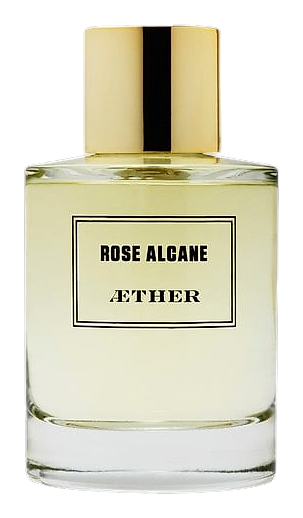
Rose Alcane began with a single question: what makes a rose smell like a rose, the petals or the chemistry? For Amélie Bourgeois and Anne-Sophie Behaghel, the answer was always the chemistry. The brief demanded something that smelled unmistakably of rose, then gave the perfumers nothing natural to work with. Only molecules. Rose oxide for the green, vegetative character that reads as the stem and leaf of the flower. Oxane for the metallic-ozonic lift that gives synthetic rose its cold shimmer. Aether's mandate made this a pure experiment in molecular reconstruction, if the brief said nothing about naturals, why reach for them?
The choice of Exaltolide and Rhubofix as supporting molecules isn't incidental. Exaltolide is a synthetic musk that behaves like a clean skin-note, warm but not animalic, the kind of presence you'd call skin-warmth without any actual skin involved. Rhubofix adds a fruity dimension, almost rhubarb, that lifts the green into something tart and alive rather than bitter. Together, these materials create an uncanny effect: a rose that smells more like the plant than most natural rose extracts manage. The composition doesn't hide its synthetic origins, it wears them.
The evolution
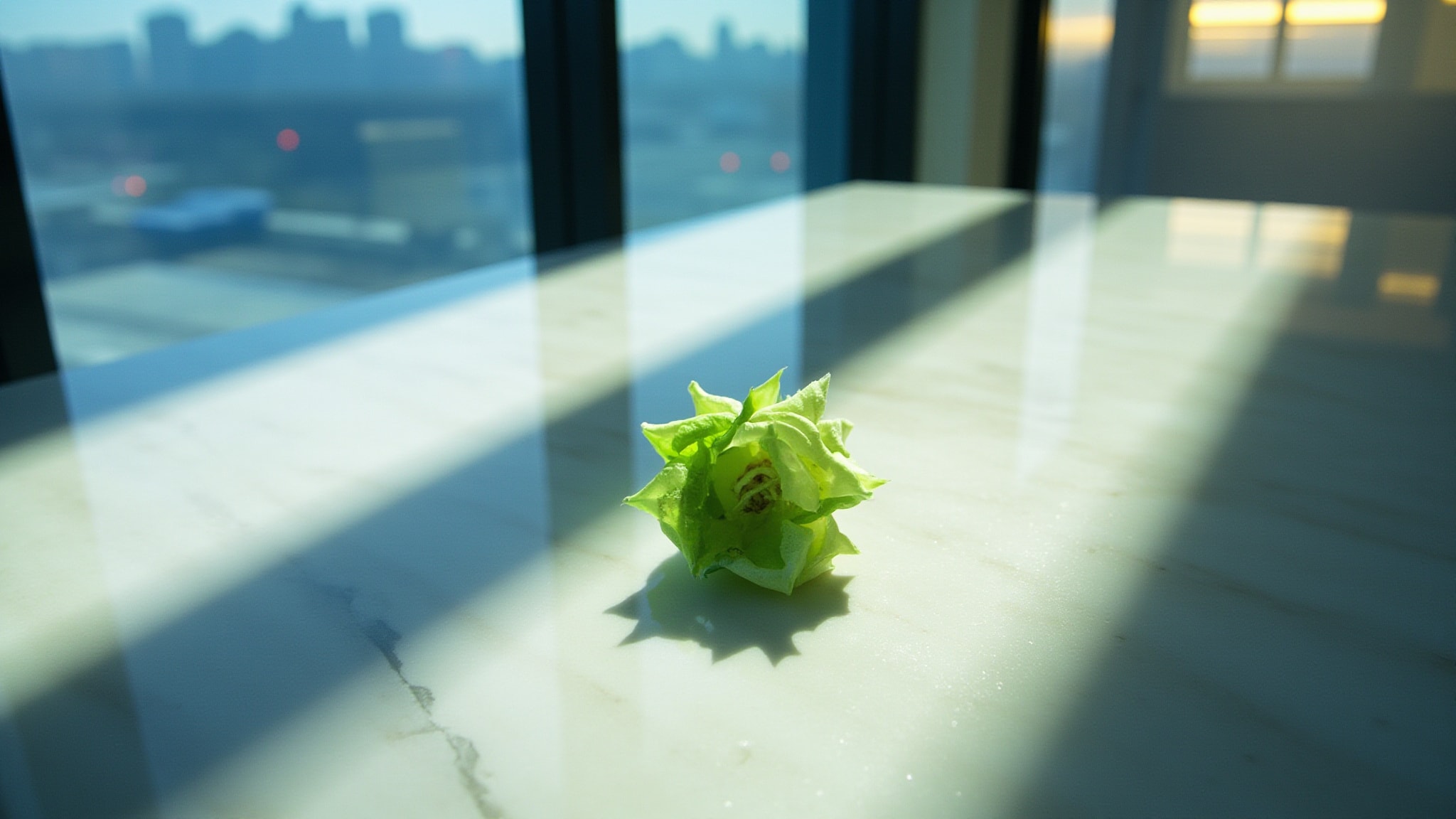
The opening arrives sharp. A metallic-ozonic jolt cuts through, not the aldehydic sharpness of classic florals but something colder, more clinical. Ozone. Cold metal. Then, almost immediately, the green breaks through: rose oxide asserting itself as stem and leaf, the vegetative edge of the flower rather than its petals. There's a tartness here that reads as sharp, the natural bite of crushed leaves and stems. The heart holds for several hours, the green-rose-warm-metal becoming the defining character. Not floral in any conventional sense. A flower that forgot to be soft. The green note persists as a grounding element, keeping the metallic brightness from becoming too clinical. As time passes, the composition settles into its more introspective phase.
Cultural impact
Rose Alcane belongs to a category of compositions that prioritize synthetic materials over natural extracts. Unlike traditional fragrances that build around essential oils and absolutes, this scent draws entirely from lab-created molecules. The result is a rose experience unlike those derived from natural ingredients. Where conventional rose perfumes capture the flower's familiar sweetness and romantic associations, Rose Alcane reconstructs the flower from its chemical signature. The ozone and metal notes that open the composition don't merely accompany the rose element but actively participate in defining it.