Sulfurol
Sulfurol (4-methyl-5-thiazoleethanol) is a heterocyclic sulfur compound prized in perfumery for its savory, gourmand character. Despite its powerful meaty aroma at full concentration, it delivers subtle baked-milk and hazelnut nuances in trace amounts. Typically used below 1% in fragrance concentrates, it adds remarkable depth to oriental, heavy floral, and nutty accord formulations.

Character
How it smells
The savory secret behind rich, edible-inspired fragrances with uncanny depth.
In dilution as low as 0.1%, Sulfurol transforms from a meaty, beef-juice character into something resembling fresh-baked rice pudding, demonstrating how concentration completely reshapes this molecule's sensory identity.








Origin
Laboratory synthesized globally
Sulfurol emerged from systematic research into heterocyclic compounds during the mid-20th century flavor chemistry boom. Scientists investigating Maillard reaction products (the chemistry behind browning meat and baked goods) identified the thiazole nucleus as a key contributor to cooked food aromas. The specific 4-methyl-5-thiazoleethanol structure entered commercial fragrance use several decades later, when perfumers discovered its remarkable ability to ground synthetic florals with believable cooked or nutty undertones.
Steffen Arctander documented its fixative properties in oriental and heavy floral types in his influential 1960s fragrance raw materials compendium. Today it remains a specialty ingredient, used sparingly by perfumers seeking to bridge the gap between laboratory-created scents and the textured warmth of real culinary experiences.
Wears it best
Fragrances featuring Sulfurol
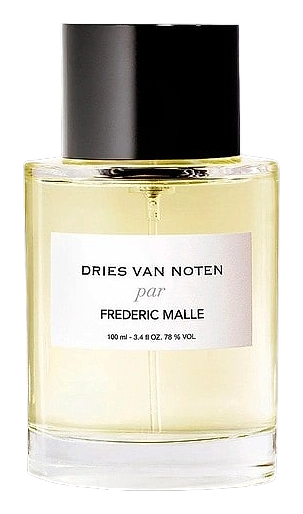
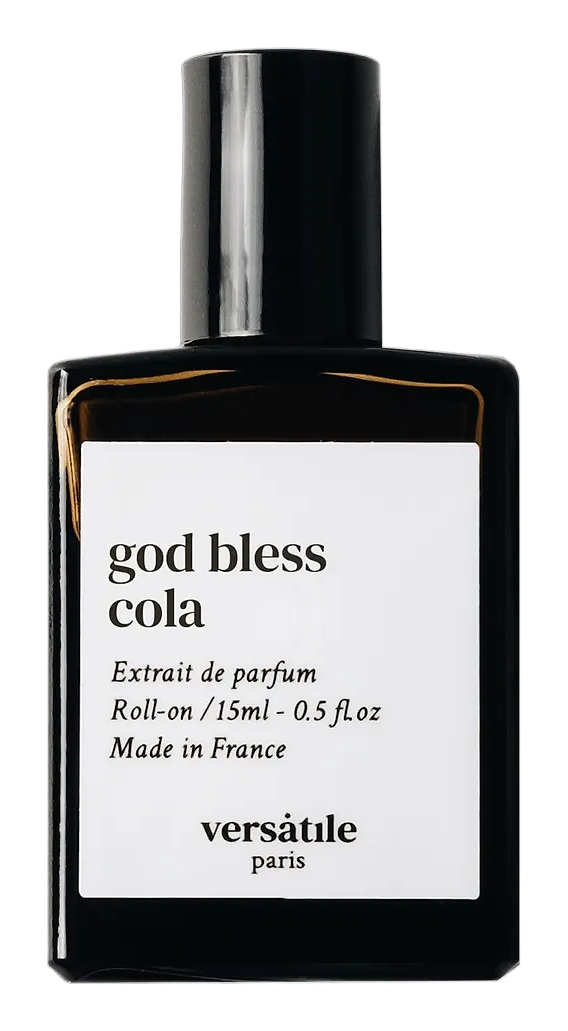
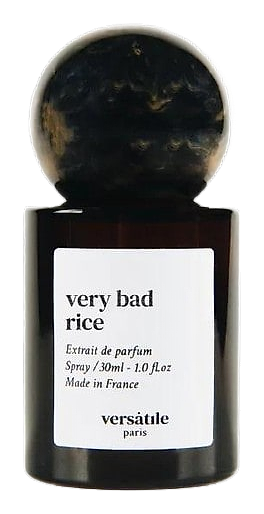
Brands
Brands known for Sulfurol
Good to know
Questions, answered
The essentials on Sulfurol in perfumery: how it smells, where it comes from, and how it behaves on skin.
What does Sulfurol smell like in perfume?
Sulfurol exhibits dose-dependent olfaction. At full concentration it reads as meaty, beef-juice, and slightly sulfurous. In dilution (typically 0.1%), it reveals sweet, creamy notes of hazelnut, baked milk, and rice pudding, making it invaluable for gourmand fragrance construction.
Why is Sulfurol used in perfumery?
Sulfurol serves as a modifier and fixative, adding depth that mimics cooked or baked notes impossible to achieve with conventional materials. It earned a performance rating of 9 (very good) in alcoholic perfume applications. Traces below 0.1% lend realism to oriental, heavy floral, and nutty accords without overwhelming the composition.
Is Sulfurol in perfume natural or synthetic?
Sulfurol is exclusively synthetic, with no viable natural source. It is synthesized via cyclization reactions producing the thiazole ring structure. Commercial grades achieve minimum 98% purity, and it carries FEMA flavor designation 3204, confirming safety evaluation for flavor and fragrance applications.
What famous perfumes contain Sulfurol?
Specific perfume formulas are proprietary and not publicly disclosed. However, Sulfurol's performance rating of 9 in alcoholic perfume and 9 in candles indicates wide adoption in gourmand, oriental, and atmospheric fragrance categories where cooked or nutty undertones enhance consumer appeal.
Is Sulfurol a top note, heart note, or base note?
Sulfurol functions primarily as a base note modifier and fixative. With an odor life of approximately 20 hours on a smelling strip, it provides lasting depth rather than immediate impact. Perfumers employ it in trace amounts below 0.1% to reinforce the foundation of fragrance compositions.
What notes pair well with Sulfurol in perfume?
Traditional pairings include opopanax and patchouli for oriental depth, with interesting effects in rose undertones. Arctander noted its utility in hazelnut and nutty accords. The compound rates 9/9 in alcoholic perfume and bath products, indicating broad compatibility across bases including creams, lotions, and shower gels.
How is Sulfurol extracted?
Sulfurol cannot be extracted from natural materials. It is manufactured through heterocyclic synthesis, producing the 4-methyl-5-thiazoleethanol structure (molecular weight 118.19 g/mol, CAS 137-00-8). Suppliers like Advanced Biotech offer natural-identical versions, using fermentation-derived intermediates that mirror the synthetic product.
Is Sulfurol used in men's or women's fragrances?
Sulfurol appears in both gendered fragrances without inherent bias. Its meaty, roasted qualities can anchor masculine orientals, while its sweet, creamy baked-good nuances support feminine gourmand and floral compositions. Application data shows equal performance ratings across fragrance categories.