Fruit Syrup
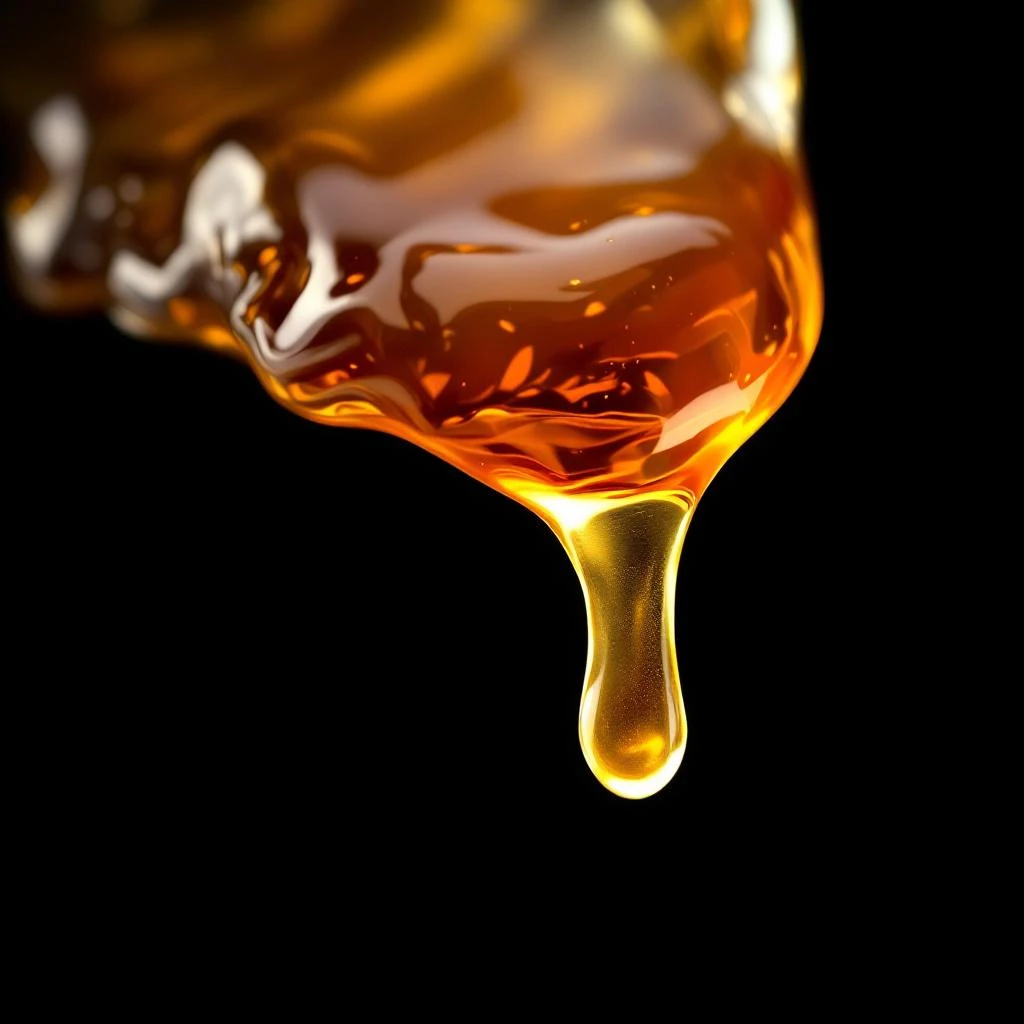
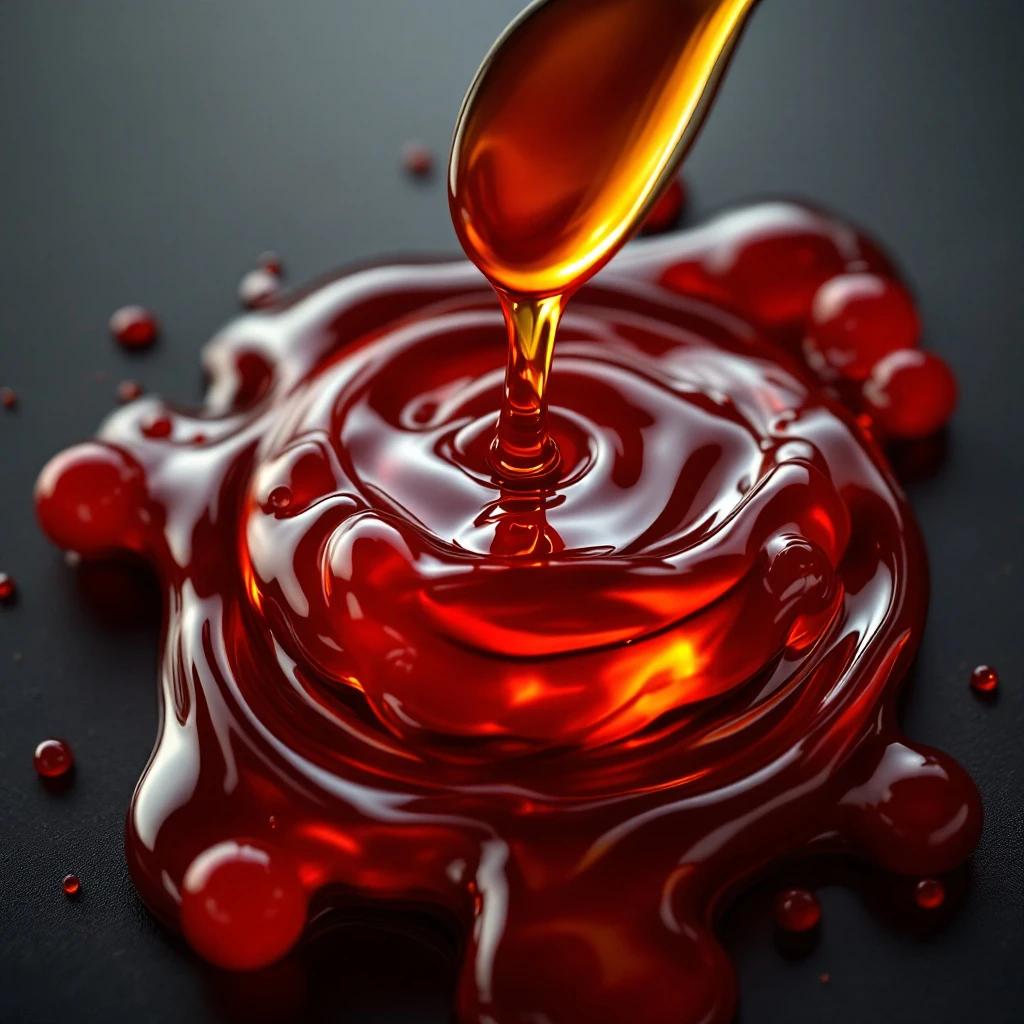
Fruit syrup brings a confectioner's touch to perfumery, evoking slow-cooked berries drizzled over warm pastries. It adds gourmand sweetness without the weight of heavy gourmand notes.
Character
How it smells
Cooked sugar, concentrated sunshine
Gourmand accords only entered mainstream perfumery after 1992, when Thierry Mugler Angel proved edible-smelling scents could sell globally.





Origin
France
Syrupy fruit accords are a distinctly modern invention in fragrance. For most of perfume history, gourmands were absent from the serious perfumery palette, considered too literal, too culinary for fine fragrance. That changed in 1992 when Thierry Mugler launched Angel, a scent built around cotton candy, caramel, and overripe fruit.
Angel provoked outrage among traditionalists and admiration among younger consumers, eventually becoming one of the best-selling fragrances of the 1990s. Its success cracked open the gourmand category, paving the way for later creations like Prada Candy and Lancome La Vie Est Belle. The fruit syrup note itself draws on an older French confectionery tradition of using reduced fruit purées and sugar syrups in pastry, where slow cooking concentrates acidity into something denser and sweeter.
Modern perfumers borrowed this sensory logic, translating cooked-fruit impressions into wearable form.
Wears it best
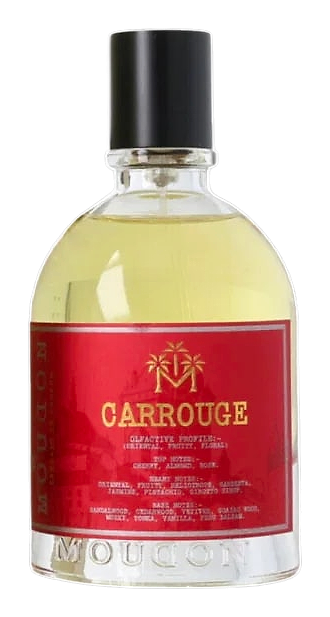
Fragrances featuring Fruit Syrup
Brands
Brands known for Fruit Syrup
Good to know
Questions, answered
The essentials on Fruit Syrup in perfumery: how it smells, where it comes from, and how it behaves on skin.
Is fruit syrup a natural or synthetic note?
Fruit syrup is almost always a constructed accord, combining natural fruit distillates with synthetic molecules like ethyl maltol. Pure extraction from cooked fruit would yield unstable, short-lived top notes unsuitable for fine fragrance.
What does fruit syrup smell like in perfume?
It smells like reduced berries or stone fruit cooked down with sugar: warm, viscous, and jammy. The note carries gentle acidity alongside deep sweetness, distinct from fresh fruit's sharper, watery character.
When did gourmand notes enter mainstream perfumery?
Gourmands entered mainstream perfumery in 1992 with Thierry Mugler Angel. That launch proved edible-smelling compositions could achieve global commercial success and reshaped the industry.
Which fragrances best showcase fruit syrup accords?
Prada Candy, Lancome La Vie Est Belle, and Mugler Angel showcase syrupy fruit impressions. Each pairs cooked-fruit sweetness with caramel or vanilla bases for a confectionery finish.
Can fruit syrup be extracted naturally from plants?
True fruit syrups, like maple syrup, come from reduced sap, but the perfumery note is an accord built from fruit distillates and aroma chemicals. Natural cooked-fruit extracts rarely deliver the longevity perfumers require.
Is fruit syrup considered a gourmand note?
Yes, fruit syrup sits firmly within the gourmand family. It shares DNA with caramel, honey, and vanilla accords, all designed to evoke edible, dessert-like sensations on skin.
How long does a fruit syrup note typically last on skin?
Fruit syrup notes usually anchor the heart-to-base phase of a fragrance, lasting three to six hours depending on concentration. Supporting base materials like benzoin and ethyl maltol extend the sweetness further.
What moods or occasions suit fruit syrup fragrances?
Fruit syrup fragrances suit cool-weather wear, casual evenings, and intimate settings where their warmth registers most. Their sweetness projects confidence and playfulness without feeling overly formal.