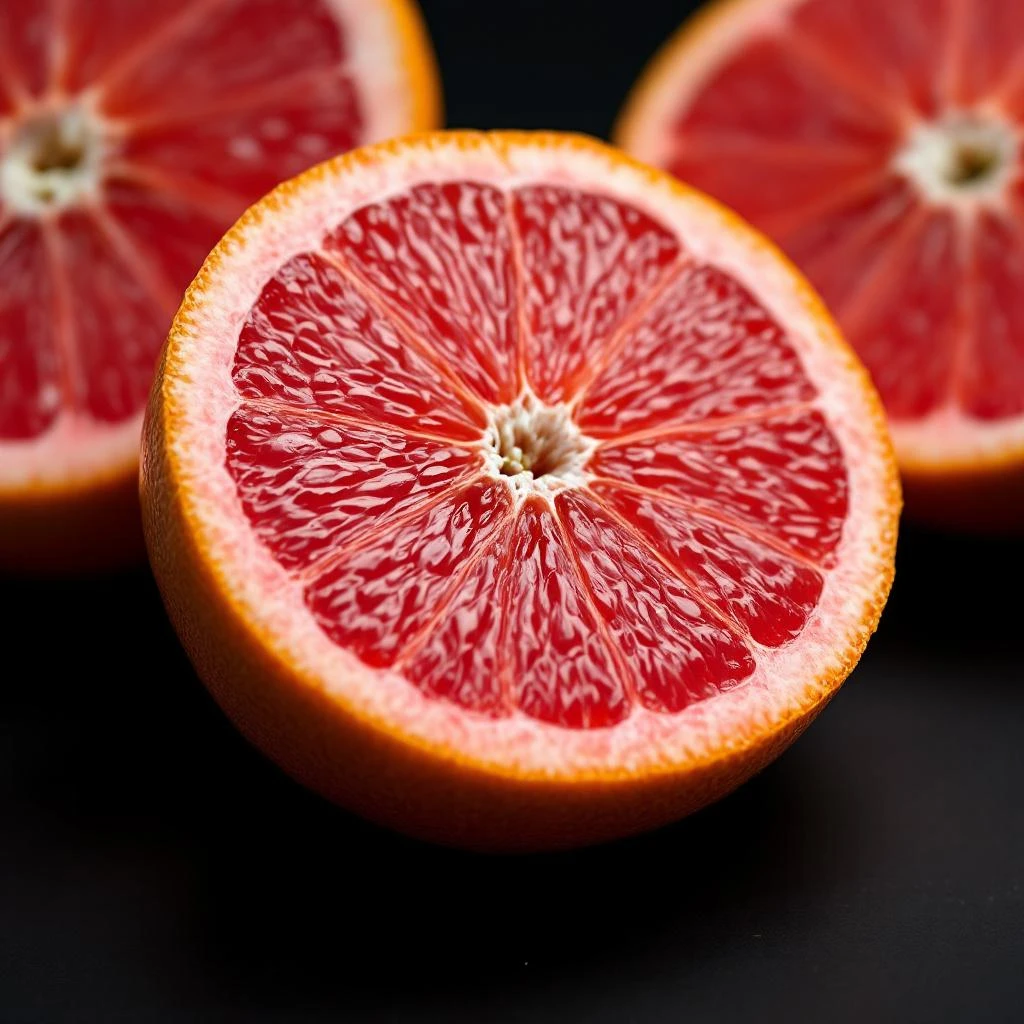
Frosted Yuzu
Frosted Yuzu captures the crystalline brilliance of Japanese citrus at sub-zero temperatures—a modern fragrance concept that marries yuzu's bright, tangy zest with an unexpected chill. The result is an electrifying burst of cold-pressed freshness that feels like biting into a frozen yuzu peel under winter sun.

Character
How it smells
Citrus brilliance meets arctic chill.
Yuzu trees can withstand temperatures as low as -9°C, developing more aromatic compounds in cold conditions than any other citrus fruit.







Origin
Japan
Yuzu originated in China over 2,000 years ago along the Yangtze River basin, where it grew wild in mountain forests. The fruit traveled to Japan during the Nara period (710-794 CE), quickly becoming embedded in Japanese culture through its use in winter rituals and the traditional yuzu-yu hot bath ceremony. Perfumery adoption remained limited for centuries due to scarcity and the fruit's thorns, which made cultivation challenging.
Only in the late 20th century did yuzu gain international fragrance recognition, initially through Japanese niche houses before spreading to European perfumers seeking unusual citrus materials. The 'frosted' interpretation emerged in the 2010s as perfumers experimented with temperature manipulation to capture new sensory dimensions of familiar ingredients.
Wears it best
Fragrances featuring Frosted Yuzu
Brands
Brands known for Frosted Yuzu
Good to know
Questions, answered
The essentials on Frosted Yuzu in perfumery: how it smells, where it comes from, and how it behaves on skin.
What does Frosted Yuzu smell like?
Frosted Yuzu opens with an immediate, piercing citrus brightness reminiscent of lemon and mandarin, followed by a distinct herbal undertone and a lingering cool, almost mentholated finish. The frost effect adds a crisp, sparkling quality that sets it apart from warm citrus notes.
Is Frosted Yuzu natural or synthetic?
Frosted Yuzu can exist in both forms. Natural versions use cold-pressed yuzu oil with temperature-treated refinement. Synthetic versions reconstruct the scent profile using aroma molecules like limonene and terpinene. Both approaches aim to capture the signature bright, cold citrus character.
How is Frosted Yuzu different from regular yuzu?
Standard yuzu oil delivers fresh, tart citrus with herbal complexity. Frosted Yuzu undergoes additional processing that strips away heavier compounds, leaving behind only the most volatile aromatic molecules. This creates a sharper, more ethereal citrus experience with reduced sweetness and increased clarity.
Which fragrance families use Frosted Yuzu?
Frosted Yuzu appears primarily in bright citrus accords, ozonic compositions, and winter-themed fragrances. Perfumers also use it as a top-note modifier in aquatic, green, and contemporary chypre formulations to introduce sparkling freshness without heaviness.
What compounds create Frosted Yuzu's aroma?
Limonene provides the primary citrus punch at approximately 70-80% of the oil. Gamma-terpinene adds herbal, piney complexity. Neryl acetate contributes fruity, floral nuances. The frosty effect comes from low-boiling volatile compounds preserved through cold processing.
Why is natural yuzu oil so expensive?
Yuzu fruit weighs only 30-60 grams, compared to 150+ grams for standard oranges. Trees produce modest yields, and thorns complicate harvesting. Japan produces roughly 10,000 metric tons annually, with most consumed domestically. Only about 1% enters global fragrance supply chains.
Does Frosted Yuzu last long on skin?
As a citrus top note, Frosted Yuzu typically lasts 15-45 minutes on skin. The cold-processing technique removes fixative compounds, which enhances clarity but reduces longevity. Perfumers often pair it with longer-lasting heart notes to maintain fragrance evolution.
Can Frosted Yuzu cause skin reactions?
Yuzu oil contains furanocoumarins, which can cause photosensitivity when present in high concentrations. Cold processing reduces but does not eliminate these compounds. The IFRA recommends limiting citrus oils to 1-2% in leave-on skin products.