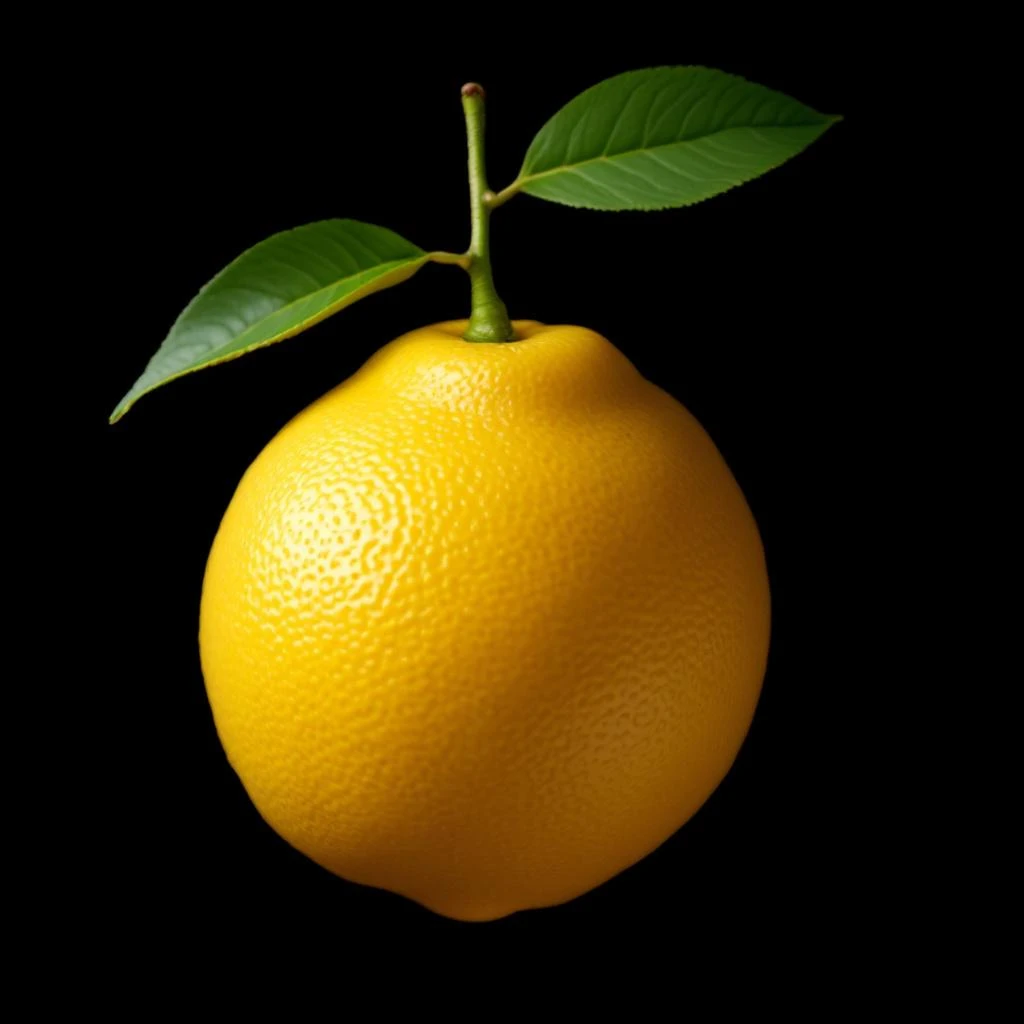
Lemon juice
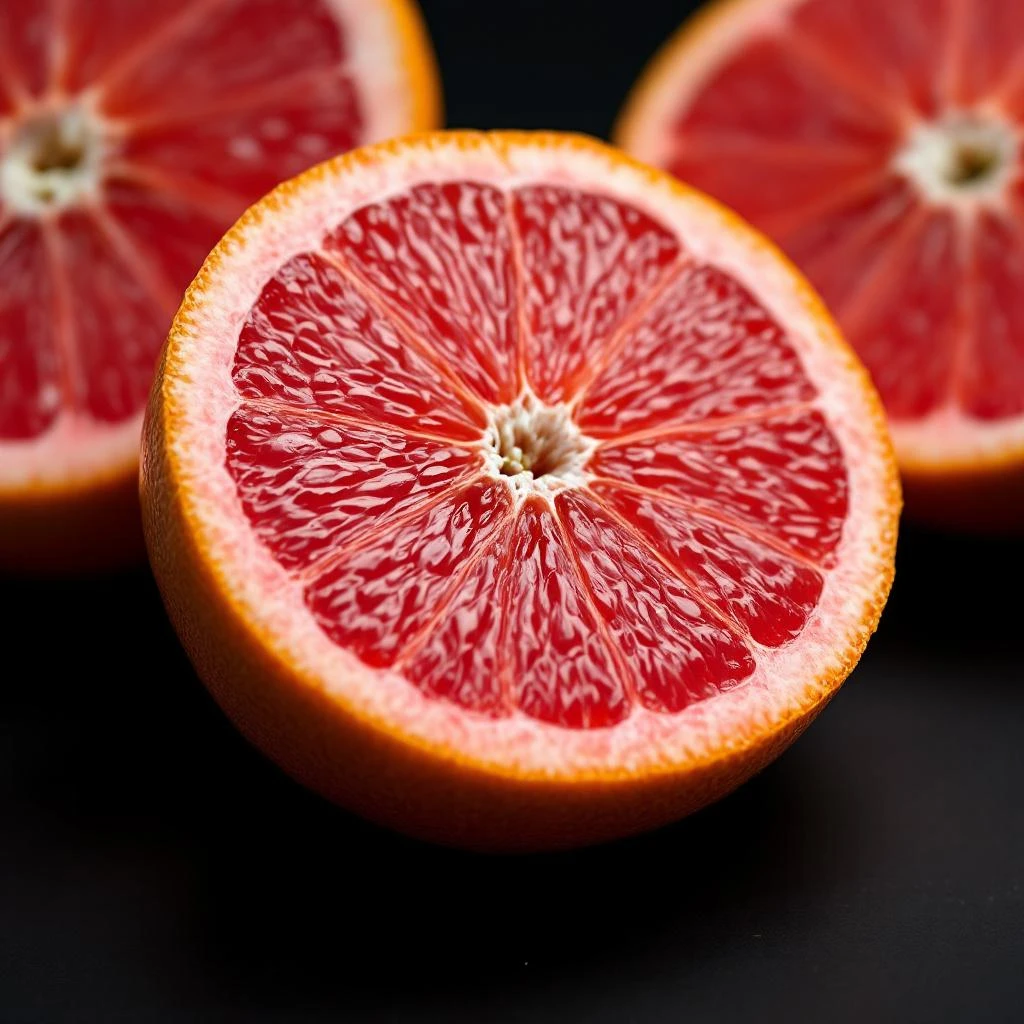
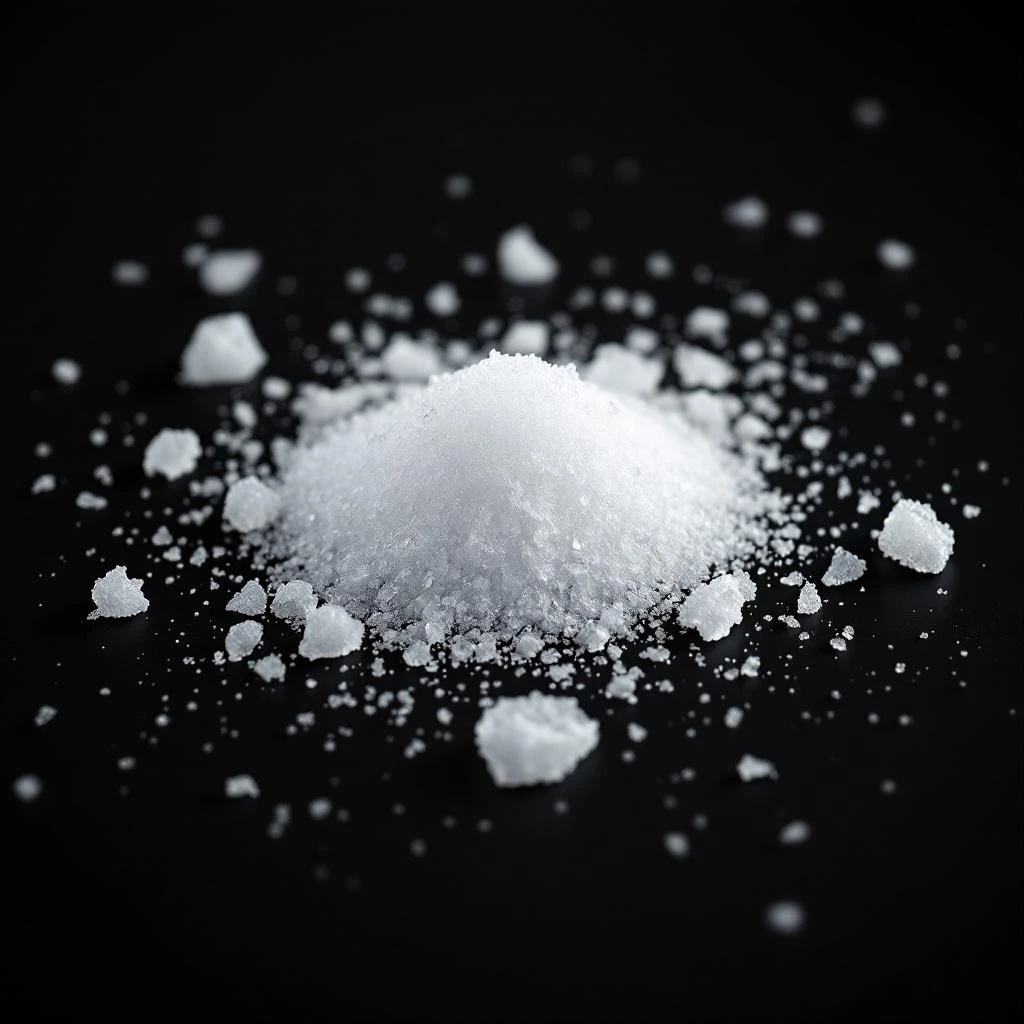
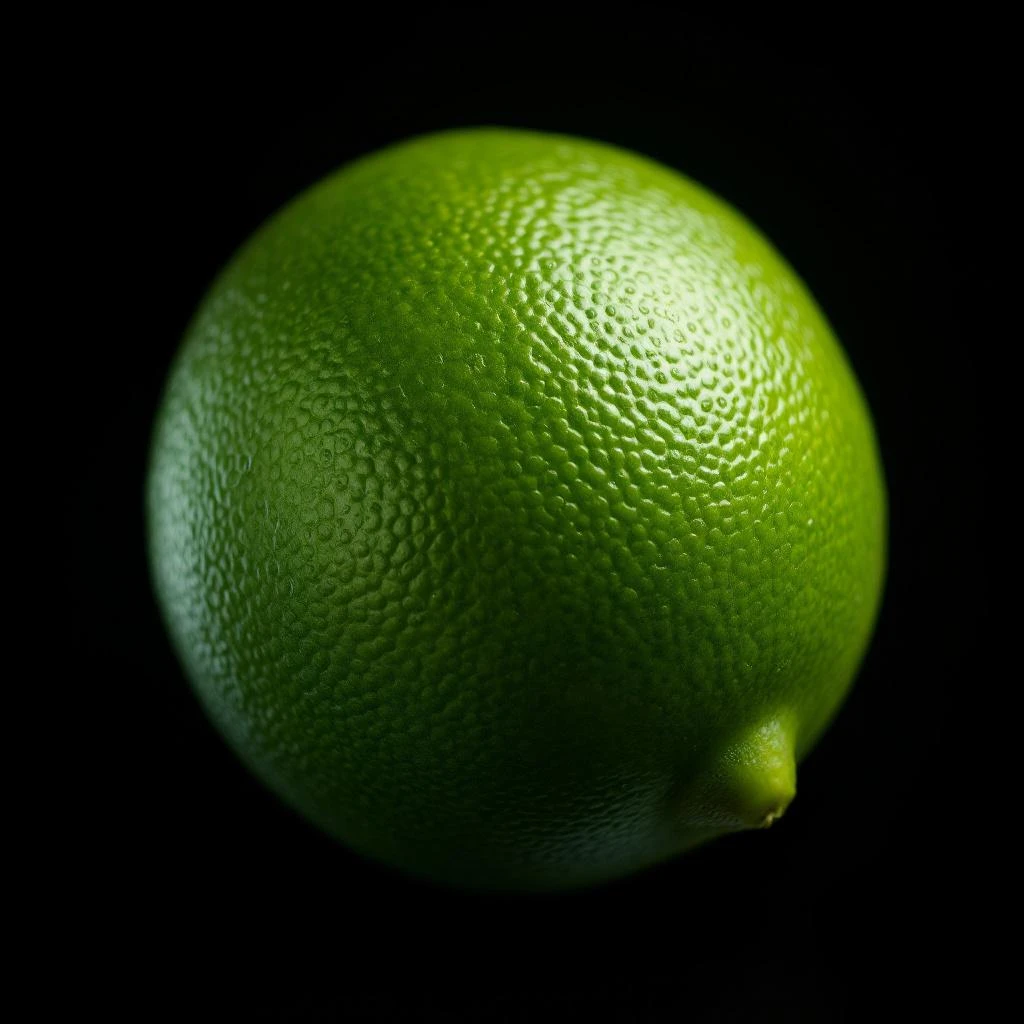
Bright, zesty lemon juice injects a crisp, watery acidity into a fragrance, echoing the first bite of a sun‑kissed fruit and sharpening the composition’s opening.

Character
How it smells
Fresh citrus splash that sharpens and lifts.
Freshly squeezed lemon juice contains up to 5 % citric acid, a natural preservative that can extend a perfume’s shelf life by slowing oxidation of volatile compounds.




Origin
Spain
Lemon trees traveled from South‑East Asia to the Mediterranean on ancient trade routes, reaching Europe with Arab merchants in the 8th century. Medieval apothecaries used lemon juice as a cleansing agent and a scent enhancer in scented waters. By the 19th century, French perfumers began experimenting with citrus extracts, noting that the juice added a sharp, refreshing edge to floral bouquets.
The rise of cold‑press technology in the early 20th century allowed producers to capture the juice’s volatile compounds without degrading them, opening the door for its use in modern perfume formulations. Today, lemon juice remains a staple for designers seeking a natural, bright accent that recalls the fruit’s historic role as a symbol of purity and vigor.
Wears it best
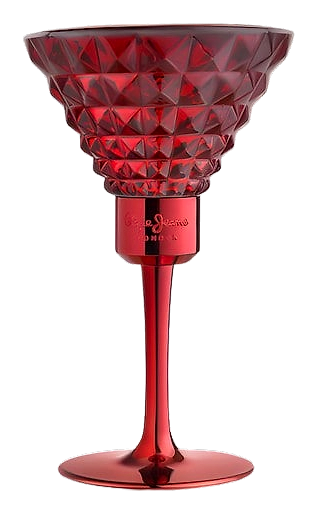
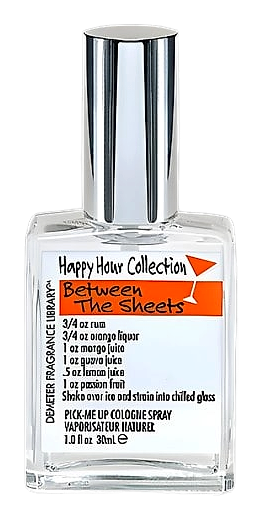
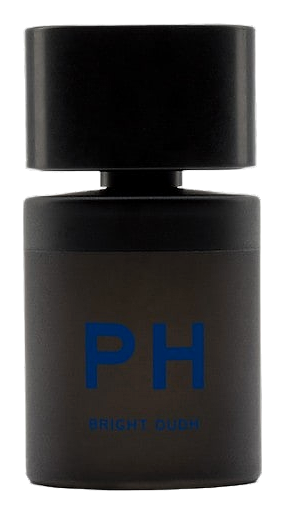
Fragrances featuring Lemon juice
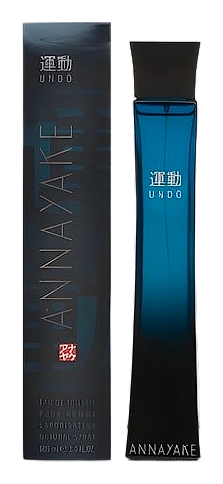
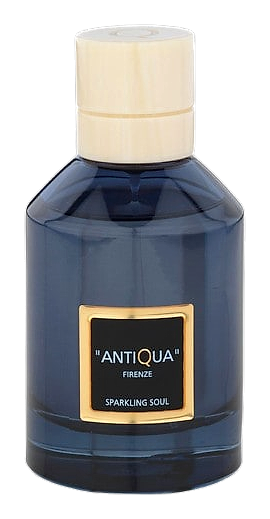
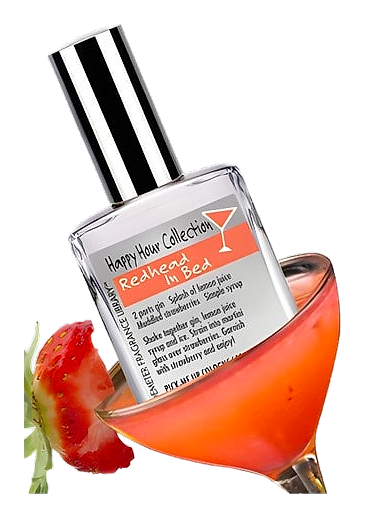

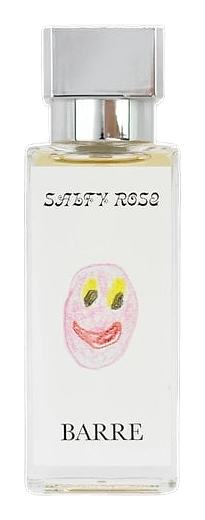
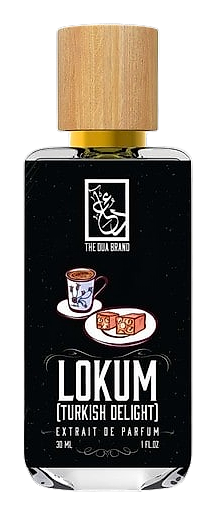
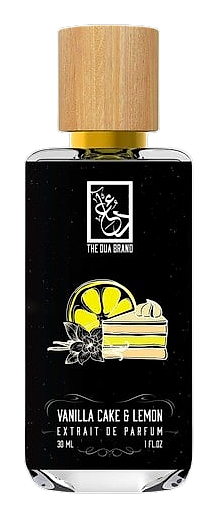
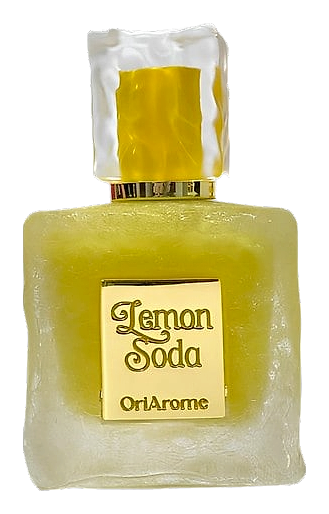
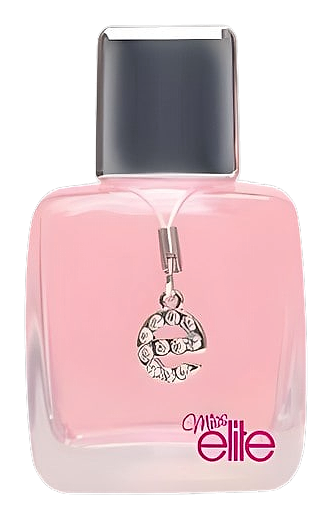
Brands
Brands known for Lemon juice
Good to know
Questions, answered
The essentials on Lemon juice in perfumery: how it smells, where it comes from, and how it behaves on skin.
What role does lemon juice play in a perfume?
Lemon juice adds a sharp, watery acidity that lifts the opening of a fragrance. It creates an immediate sense of freshness, and the citric notes contrast with richer heart and base components. A study of 2021 showed that citrus top notes increase perceived brightness by 23 %.
How is lemon juice extracted for perfumery?
The juice is obtained by cold‑pressing ripe lemons and filtering the liquid. The process avoids heat to preserve volatile aromatics. In 2020, a leading Spanish producer reported a yield of 45 ml of juice per kilogram of fruit using this method.
What scent profile does lemon juice provide?
Lemon juice delivers a bright, tart, and slightly watery citrus note with a hint of green freshness. It sits above the palate and fades quickly, making it ideal for top‑note accents. Analytical data from 2019 recorded over 30 % limonene in the volatile fraction.
Is lemon juice used in its natural form or as a synthetic substitute?
Perfume houses prefer the natural cold‑pressed juice for authenticity, but synthetic lemon aroma (often called citral) is available for cost‑sensitive blends. The natural juice contains 5‑7 % citric acid, while synthetic citral lacks this component.
How stable is lemon juice in a fragrance formula?
Lemon juice is prone to oxidation, so formulators limit its concentration and often add antioxidants like tocopherol. A 2022 stability test showed that a 5 % lemon juice blend retained 80 % of its original aroma after six months when stored at 20 °C.
Which regions supply most lemon juice for fragrance production?
Spain, California, and Sicily dominate global lemon juice output for perfumery. In 2021, Spain exported 1.2 million liters of citrus juice, accounting for roughly 35 % of the market share.
Can lemon juice enhance other fragrance notes?
Yes, its acidity brightens floral and herbal accords, while its slight green edge can soften heavy woody bases. A 2018 blending trial demonstrated a 15 % increase in perceived freshness when lemon juice was paired with lavender.
Is lemon juice a common allergen in perfumes?
Lemon juice can trigger skin sensitivity in a small percentage of users, primarily due to its citric acid content. Dermatological surveys in 2019 reported a 2 % incidence of mild irritation among test participants.