Frosted Melon
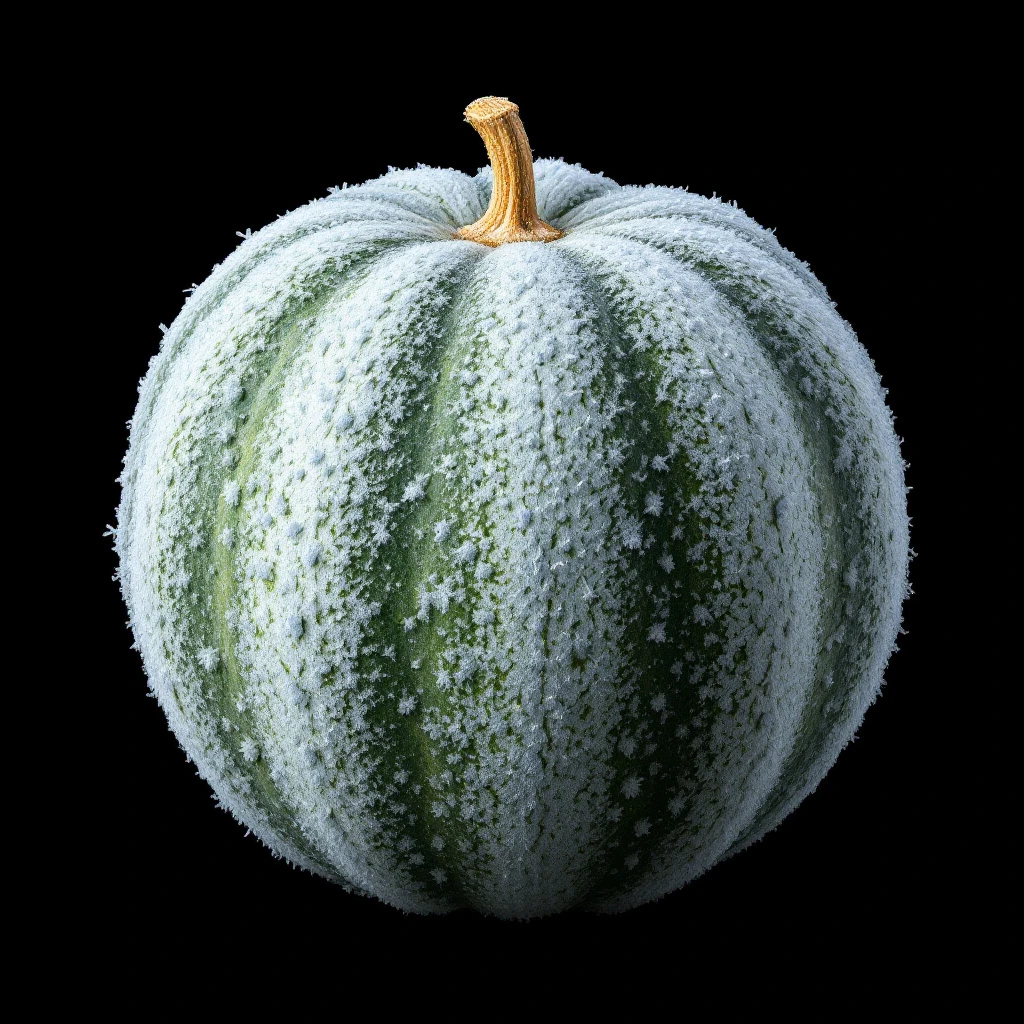
Frosted Melon captures the refreshing chill of a chilled melon slice on a summer morning — crisp, sweet, and impossibly watery. This modern fragrance accord brings that exact sensation to perfumery through sophisticated lab recreation.
Character
How it smells
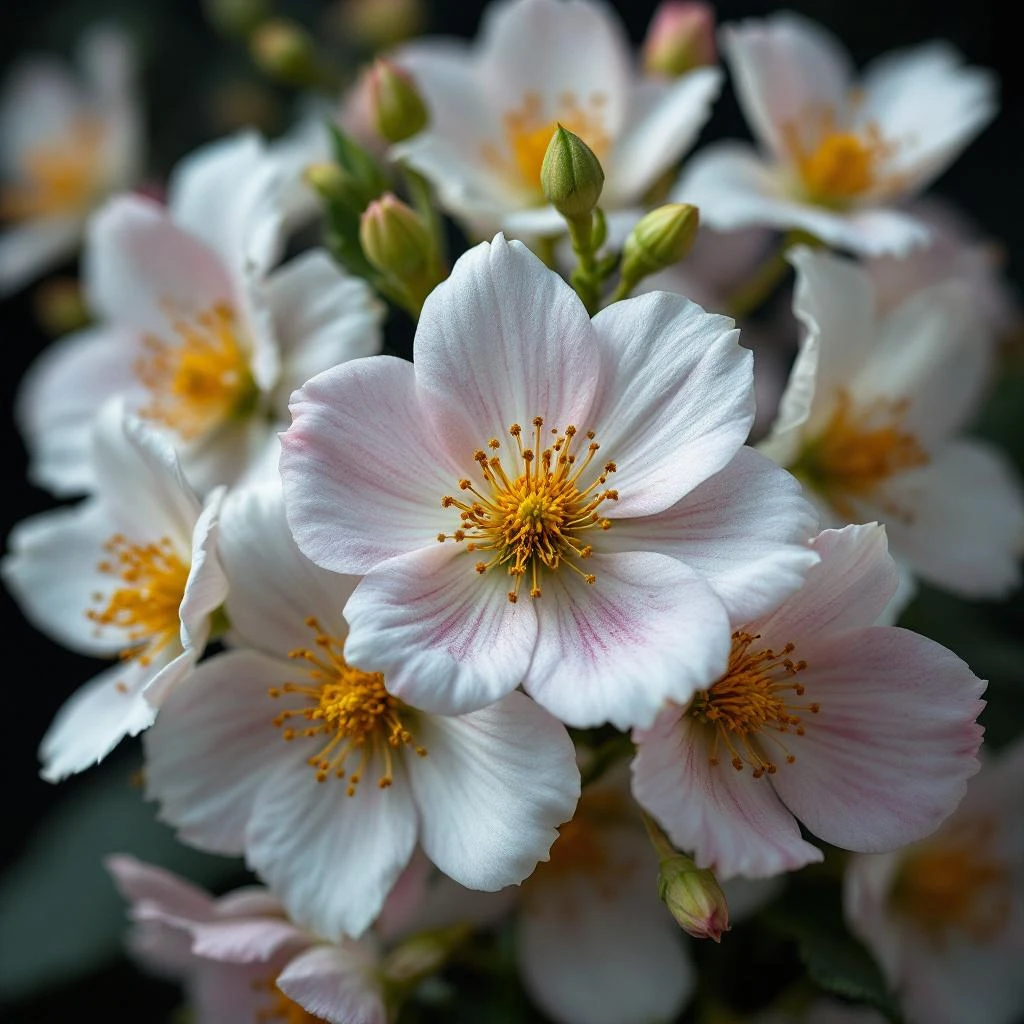
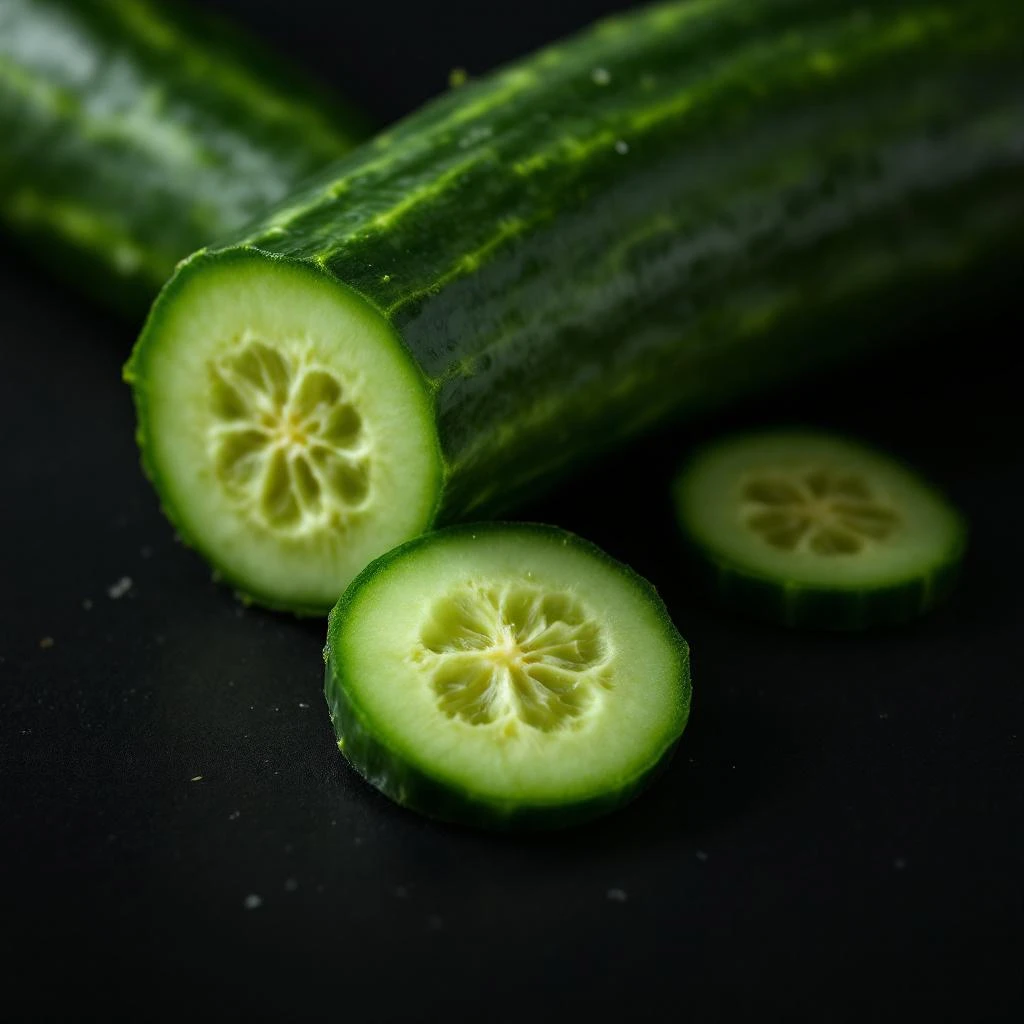
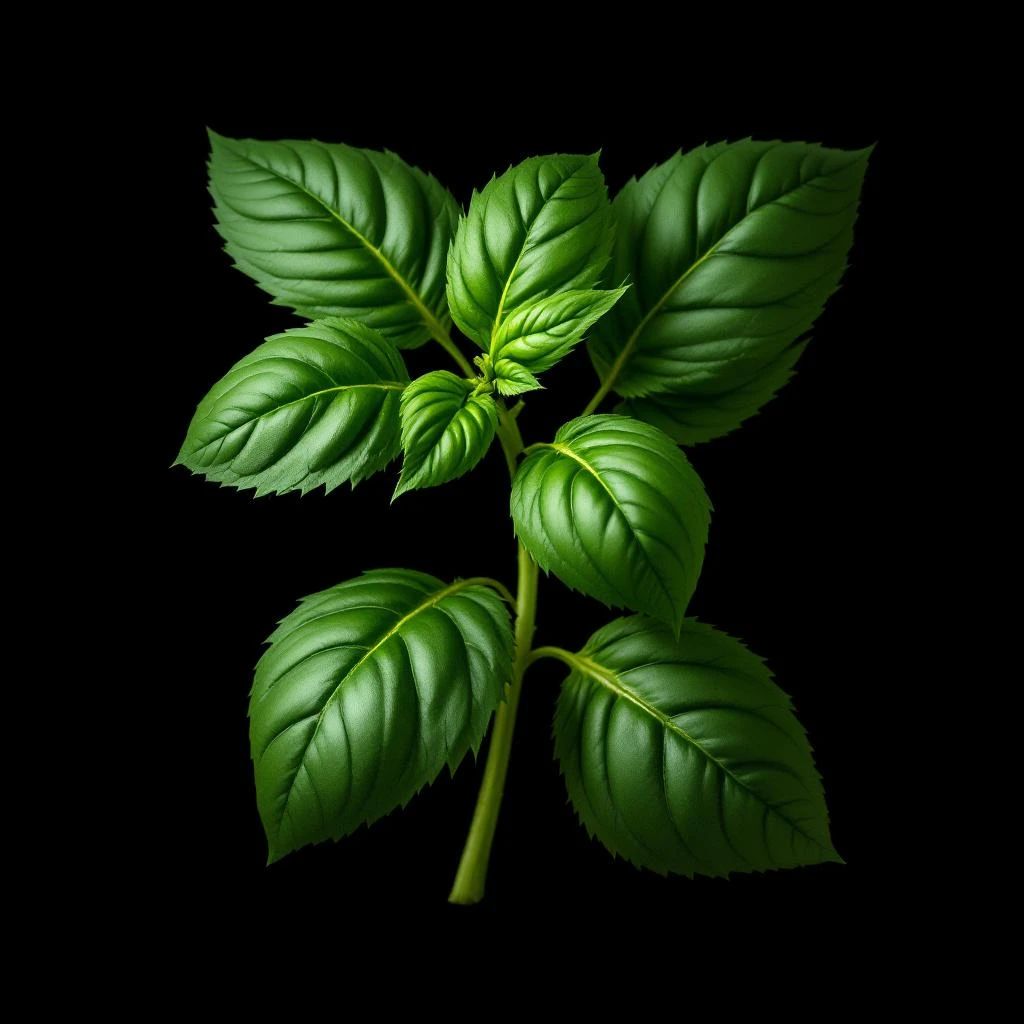
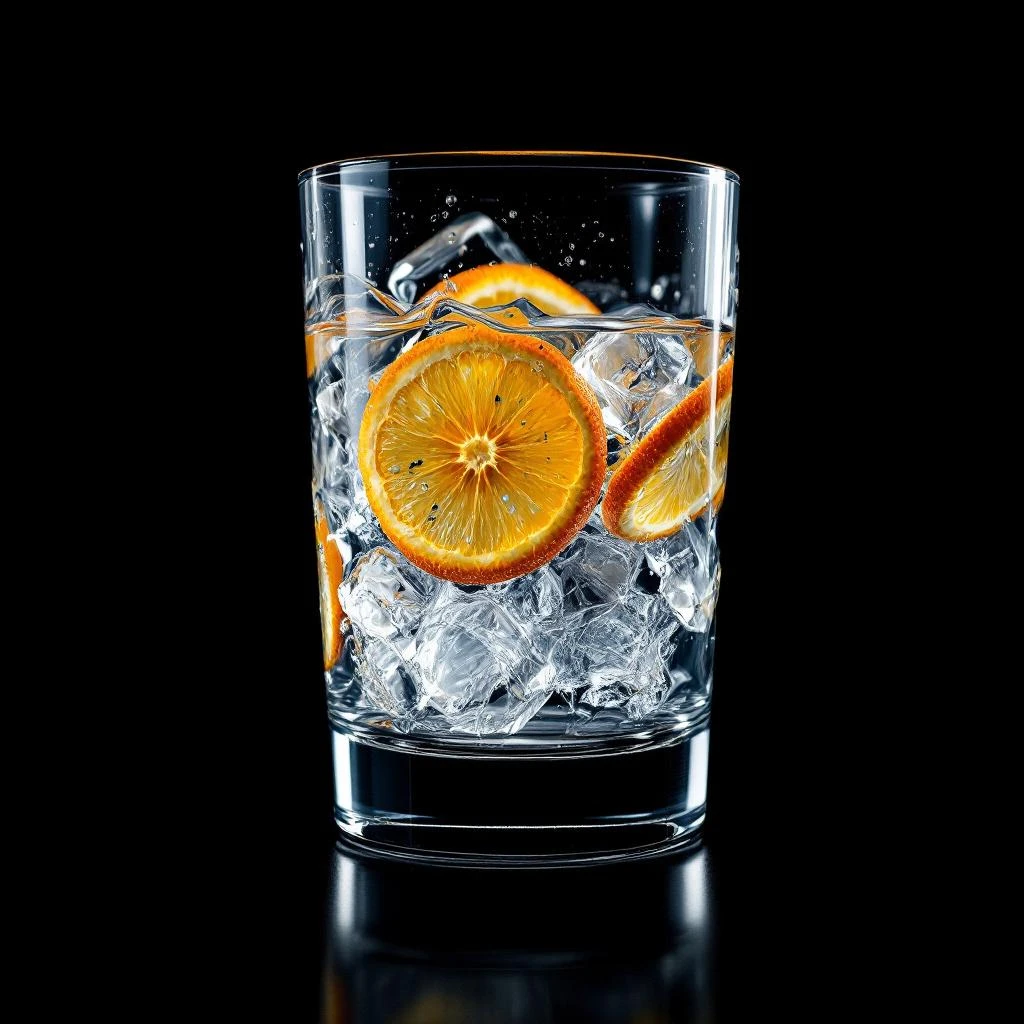
Chilled sweetness with an icy, translucent edge
No natural melon absolute exists. Every drop of melon in your perfume comes from laboratory recreation using headspace technology or synthetics like Calone.




Origin
India
The thickly skinned melon traces its origins to India, where wild varieties grew thousands of years before becoming cultivated crops. Ancient texts document melons along the Indus Valley civilization, and the fruit spread westward along trade routes to Persia and the Mediterranean. Greek and Roman cultures prized melons, with Roman Emperor Tiberius reportedly demanding them at his table daily.
Despite this ancient history, melon never appeared in traditional perfumery. The fruit's delicate volatile compounds dissipated during any attempted extraction process. Only with 20th-century advances in organic synthesis and the invention of headspace technology in the 1970s could perfumers finally capture melon's ephemeral scent.
The biotech revolution followed, enabling commercial production of watermelon ketone in the 1980s, finally giving perfumers reliable access to this previously unreachable note.
Wears it best
Fragrances featuring Frosted Melon
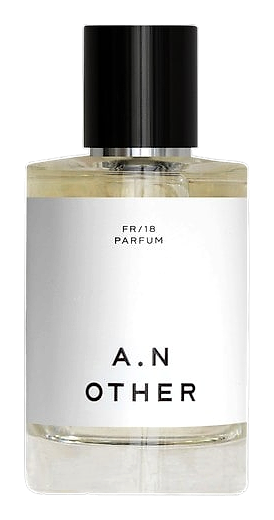
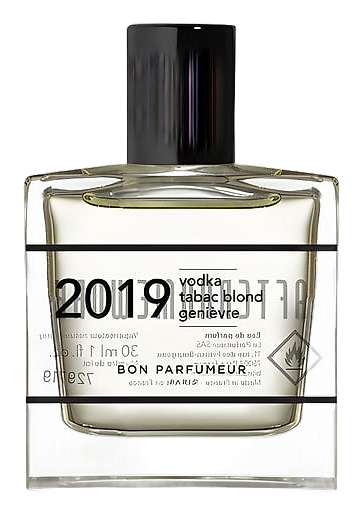
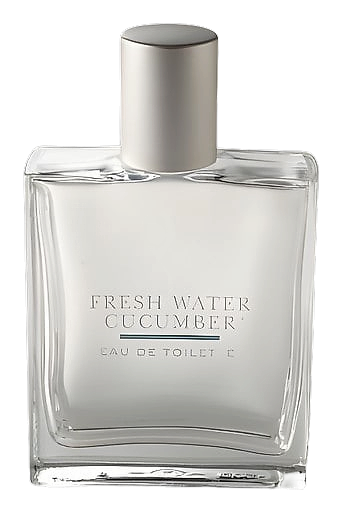
Brands
Brands known for Frosted Melon
Good to know
Questions, answered
The essentials on Frosted Melon in perfumery: how it smells, where it comes from, and how it behaves on skin.
Is Frosted Melon a natural or synthetic ingredient?
Frosted Melon is always synthetic. No natural melon absolute exists because the fruit's delicate aroma compounds cannot survive traditional extraction. Perfumers recreate it using headspace technology, which captures volatiles from living fruit, combined with synthetics like Calone.
What does Frosted Melon smell like?
Frosted Melon smells sweet, watery, and crisp — like biting into a perfectly chilled melon slice on a hot day. It carries an ozonic, almost frosty quality that distinguishes it from fresh-cut melon. The effect is clean, refreshing, and translucent.
When did melon first appear in perfumery?
Melon only entered perfumery in the 1970s with headspace technology. The first commercial synthetics capable of producing watermelon-like notes appeared in the 1980s. Before this, no method existed to capture melon's fleeting aroma for fragrance use.
What synthetic materials create the melon effect?
Calone (watermelon ketone) is the primary synthetic used for melon accords. It provides the characteristic watery, ozonic quality. Headspace captures of fresh melon supplement these synthetics, creating a more natural-seeming result.
Which fragrance families use Frosted Melon?
Frosted Melon appears primarily in aquatic and fruity fragrance families. It frequently opens summer scents, fresh perfumes, and gender-neutral compositions. Perfumers pair it with citrus, white florals, and transparent woods.
Does Frosted Melon have any historical use in traditional medicine or culture?
While melon fruit has documented use in traditional medicine across India, Persia, and the Mediterranean, this refers to consumption, not perfumery. Melon was never historically used as a fragrance ingredient due to extraction impossibility.
How does frost treatment affect the melon accord?
The 'frosted' designation refers to the scent impression, not a physical treatment. It describes the cool, crystalline quality perfumers achieve by emphasizing the watery, ozonic molecules in melon. The effect mimics the aroma of melon served very cold.
Can I find natural melon extract in perfume?
No natural melon extract exists in commercial perfumery. Every perfume listing 'melon' or 'watermelon' uses laboratory-created materials. Headspace technology captures the scent but cannot produce enough material for commercial fragrance production.