French Orange Flower
French Orange Flower carries centuries of Mediterranean perfumery heritage. Its delicate, citrus-tinged floral scent anchors some of the most iconic fragrances ever created.
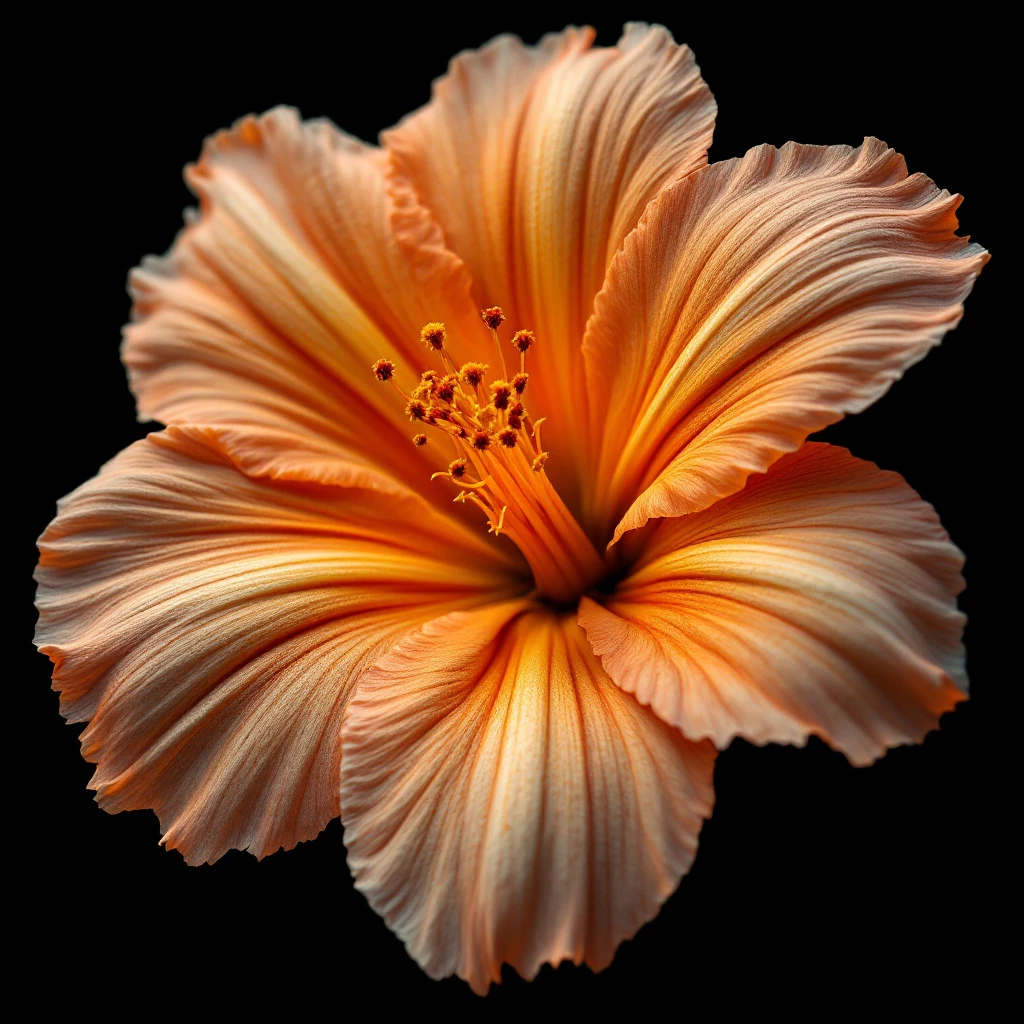
Character
How it smells
Mediterranean heritage in every petal.
A 1956 frost in Grasse, France, permanently shifted neroli production to North Africa, reshaping global orange blossom supply.







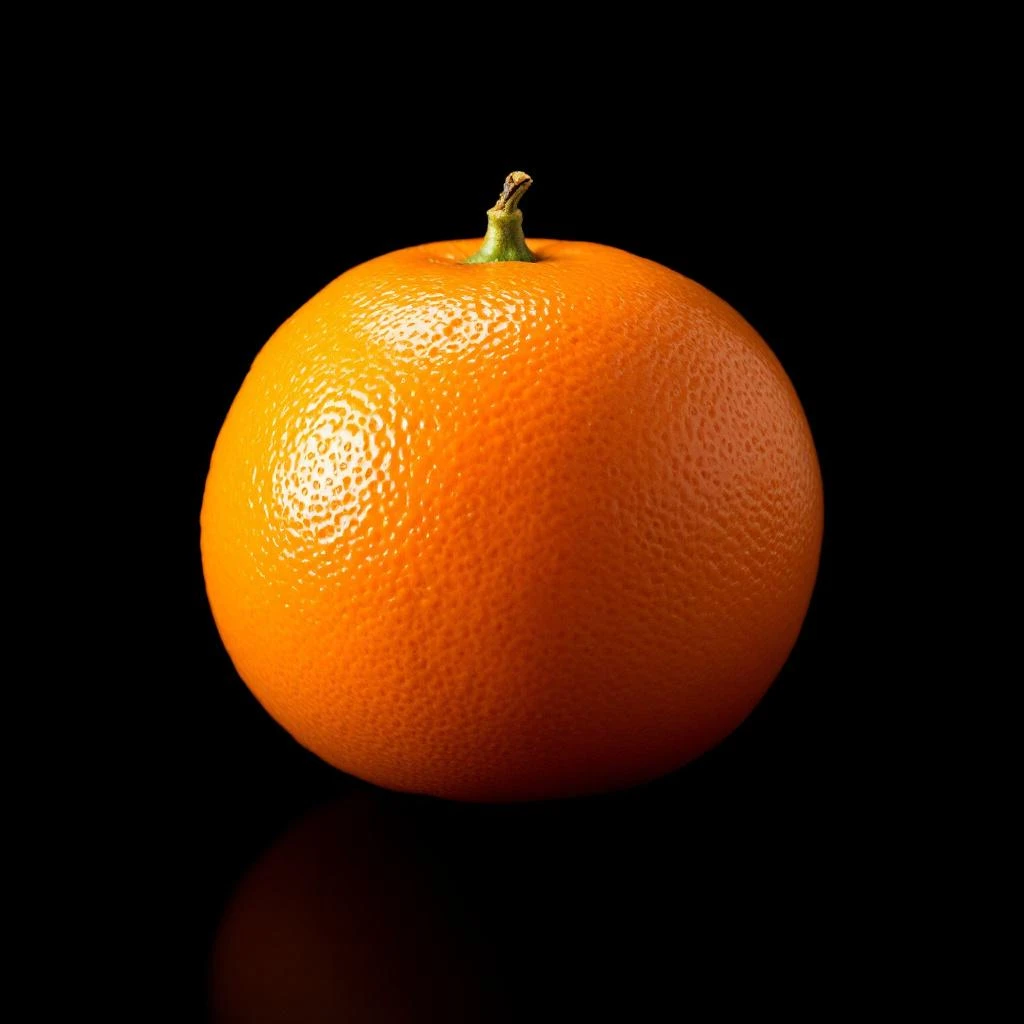

Origin
Tunisia
Orange blossom cultivation in France began in the early 19th century, flourishing in the temperate climate of Grasse, the historic heart of French perfumery. The region's southern terroir proved ideal for bitter orange trees, and French orange blossom quickly became synonymous with quality. Production began declining around fifty years later, but the industry persisted until catastrophe struck in 1956.
A devastating frost destroyed most of the orange groves in Grasse, permanently shifting neroli essential oil production to North Africa. Tunisia emerged as the new center of orange blossom cultivation, where climate conditions proved equally favorable. The ingredient's history runs deeper than commercial cultivation.
Orange blossom has carried cultural significance for millennia, traditionally worn by brides across the Mediterranean as a symbol of purity and fertility. The bitter orange tree itself traveled from Southeast Asia through trade routes, establishing itself across the region centuries before perfumery applications developed. Today, French Orange Flower represents a heritage ingredient whose production has evolved across continents while retaining its fundamental character.
Wears it best
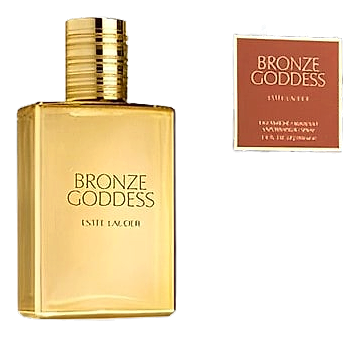
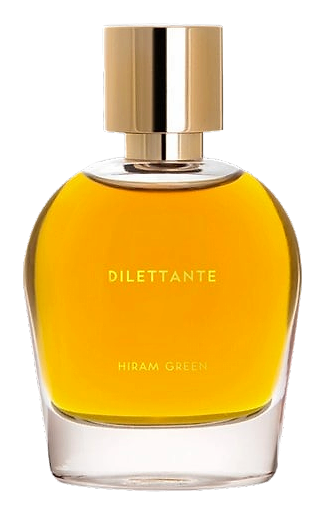
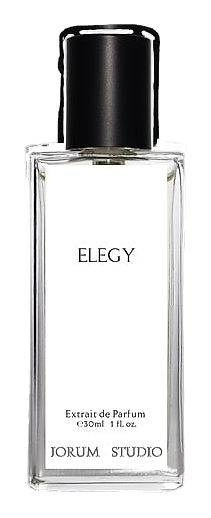
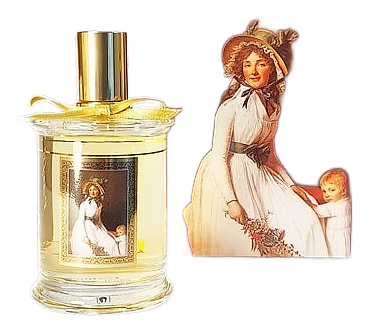
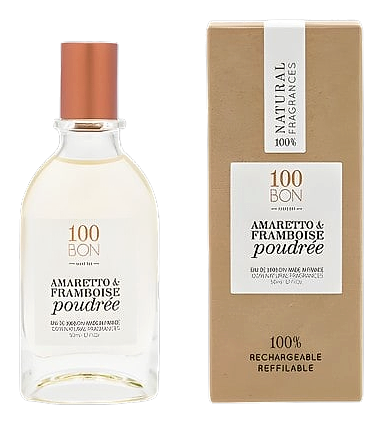
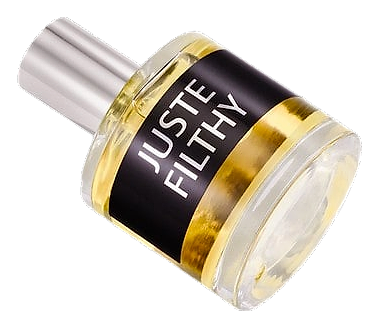
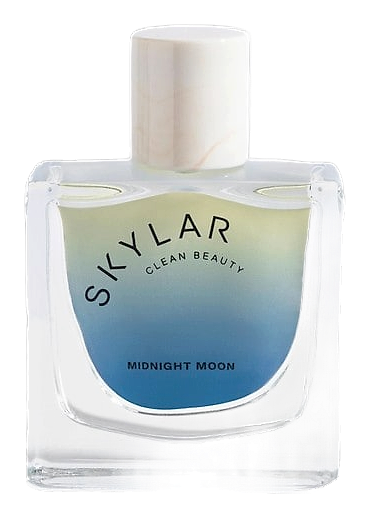
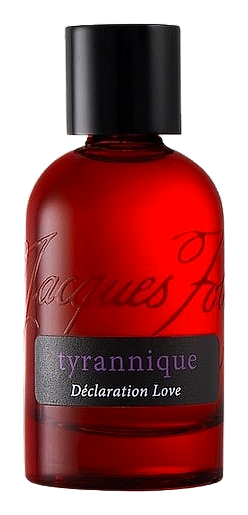
Fragrances featuring French Orange Flower

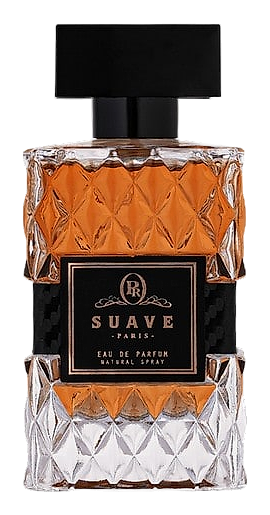
Brands
Brands known for French Orange Flower
Good to know
Questions, answered
The essentials on French Orange Flower in perfumery: how it smells, where it comes from, and how it behaves on skin.
What does French Orange Flower smell like?
French Orange Flower offers a rich, sweet-floral aroma with distinct hesperidic and green facets. The scent combines creamy white flower sweetness with subtle citrus brightness and a crisp, leafy undertone that gives it remarkable versatility in fragrance composition.
What is the difference between neroli and orange blossom?
Neroli and orange blossom absolute both derive from Citrus aurantium blossoms but differ in extraction. Steam distillation produces neroli essential oil, while solvent extraction yields the more concentrated orange blossom absolute. The absolute captures a broader aromatic range including heavier floral molecules.
Why did orange blossom production shift from France to Tunisia?
A devastating frost in 1956 destroyed most bitter orange groves around Grasse, France. The destruction was so complete that production never recovered locally. Tunisian growers, already cultivating orange blossom, expanded operations to fill the supply gap and now produce most of the world's orange blossom for perfumery.
How much orange blossom is harvested annually?
Tunisia produces orange blossom across approximately 600 hectares of cultivation. Around one tonne of blossoms yields roughly one kilogram of absolute, making it a labor-intensive ingredient. Harvest occurs entirely by hand during the brief spring flowering period.
What fragrance families use French Orange Flower?
French Orange Flower appears across floral, chypre, and oriental compositions. It serves as both a primary heart note and a supporting ingredient. Fragrance designers value it for bridging citrus top notes with deeper base materials while maintaining a fresh, natural floral character.
Is orange blossom used in food and beverages?
Orange blossom water, a by-product of distillation, appears widely in Mediterranean and Middle Eastern cuisine. Chefs use it to flavor pastries, beverages, and desserts. The gentle floral note complements both sweet and savory preparations, making it a versatile natural flavor ingredient.
What role does French Orange Flower play in perfumery history?
The bitter orange tree arrived in Europe via ancient trade routes from Southeast Asia. Orange blossom became central to French perfumery by the early 1800s. Its cultural significance as a bridal symbol across the Mediterranean reinforced its romantic, timeless associations in fragrance.
Can French Orange Flower be synthetically replicated?
Several aromatic compounds found in orange blossom, including linalool and methyl anthranilate, are available as isolated ingredients. However, no synthetic fully replicates the complexity of natural orange blossom absolute. Fragrance houses typically use naturals for authenticity and synthetics for consistency and cost management.



