Forest Raspberry
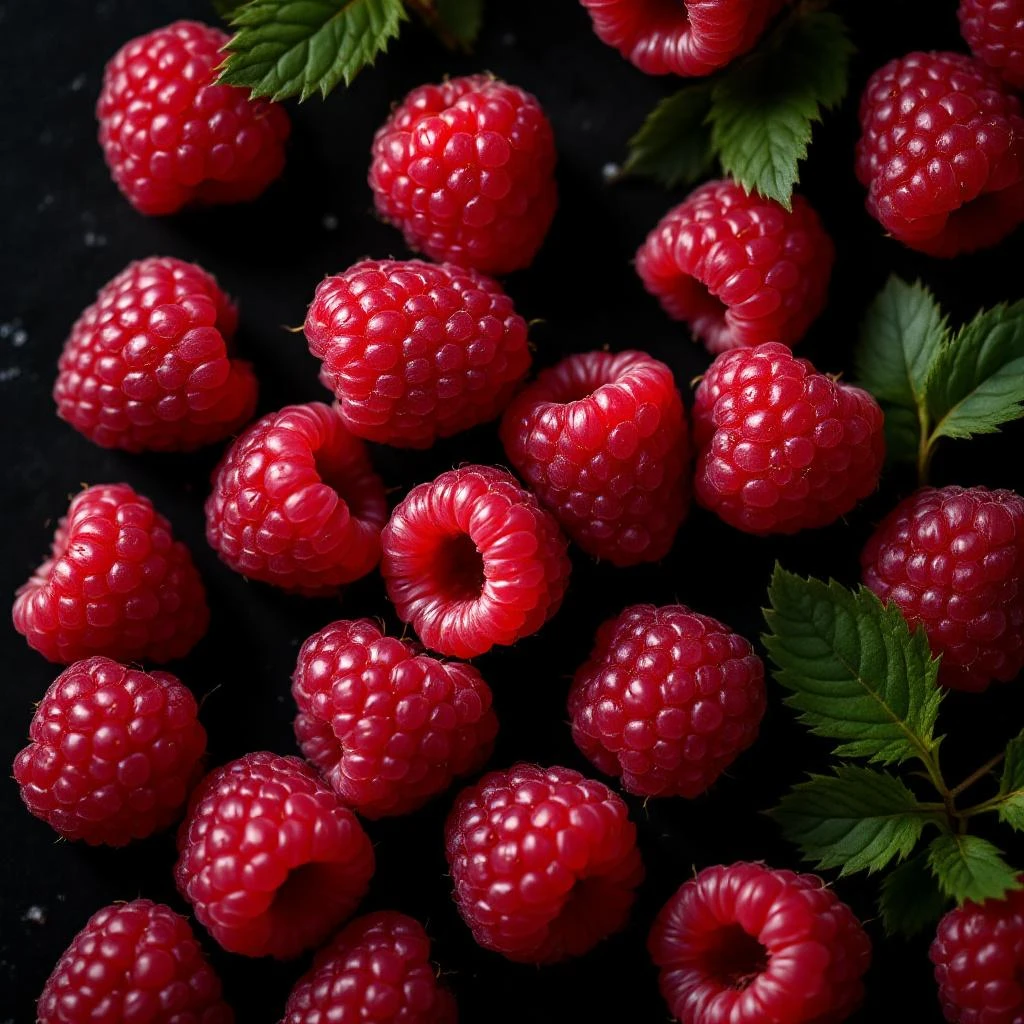
Forest Raspberry captures the tart brightness and sun-warmed sweetness of wild raspberries. This note brings a juicy, slightly floral quality to fragrances, evoking forest clearings and summer mornings.
Character
How it smells
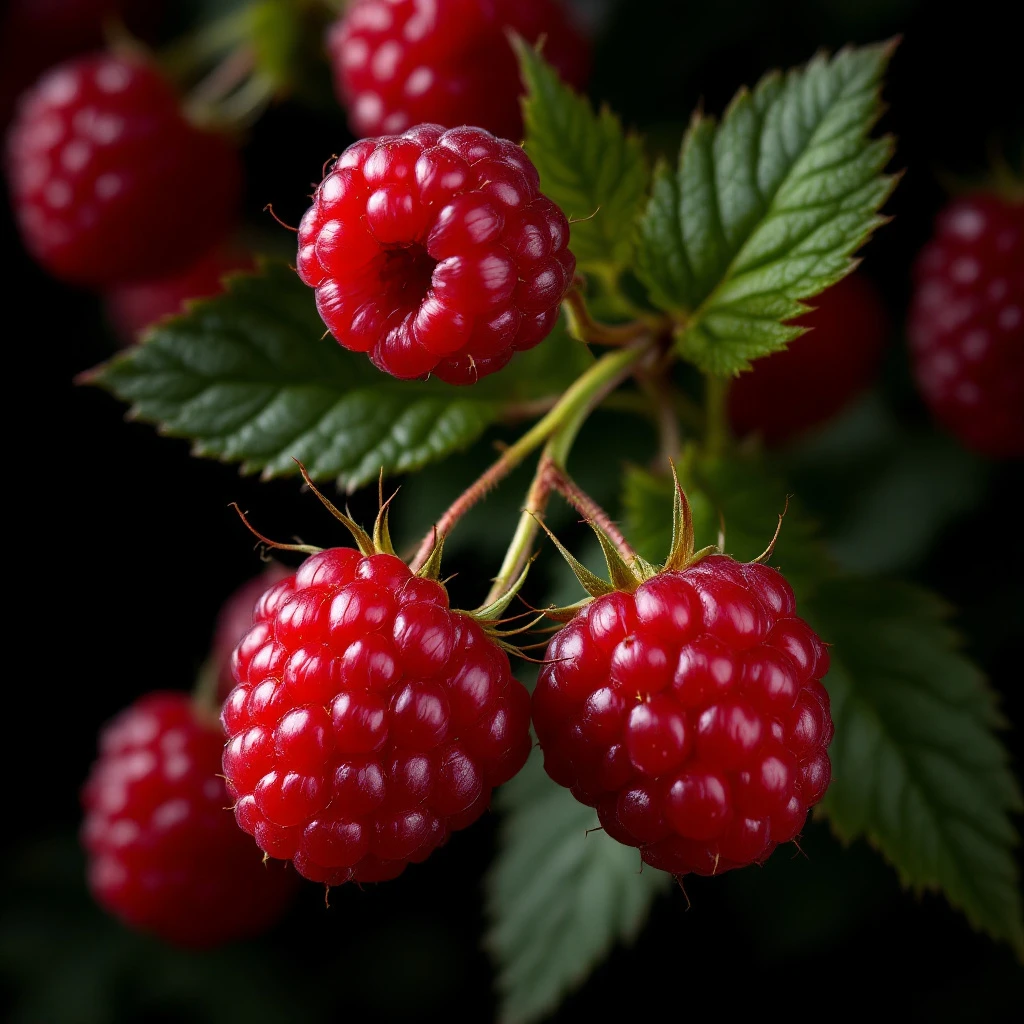
Juicy wild berry with tart brightness.
One metric ton of fresh raspberries yields less than 1 gram of usable absolute, making natural extraction economically impractical.
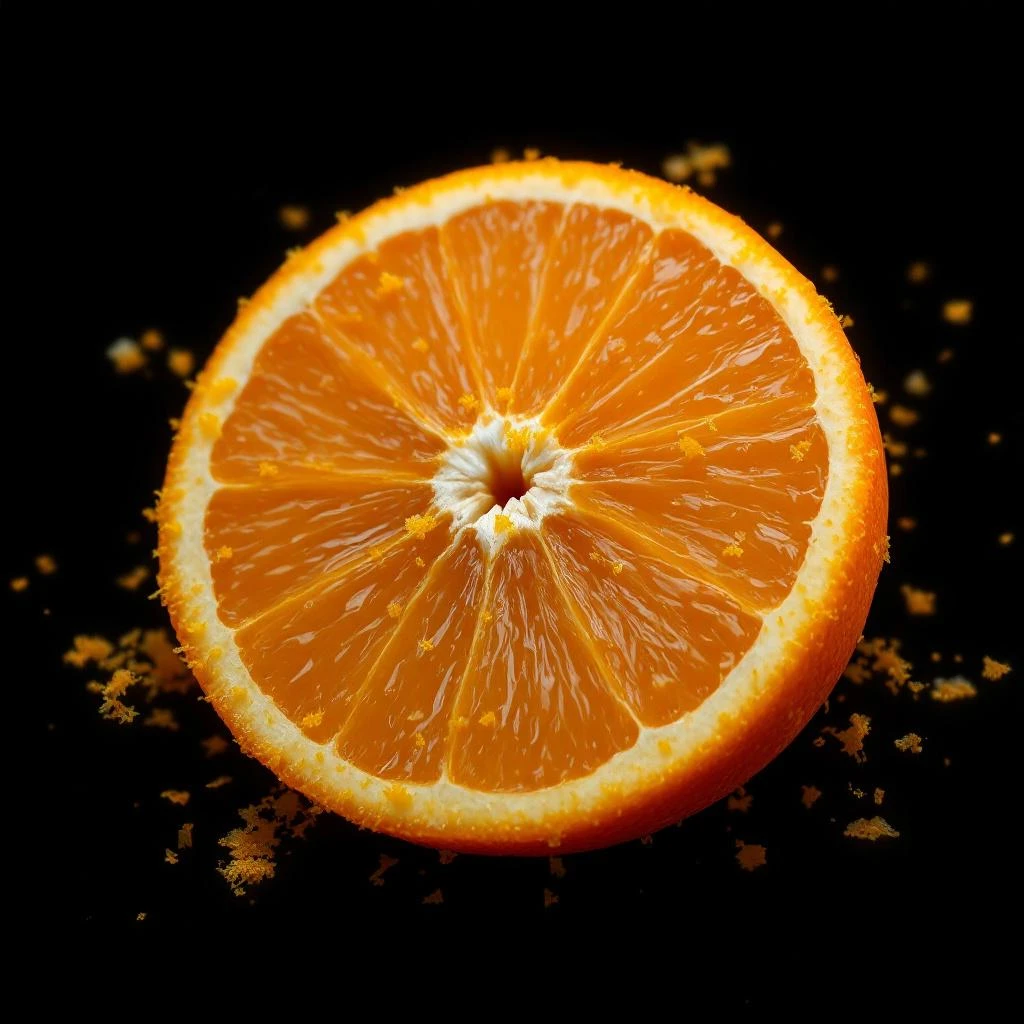

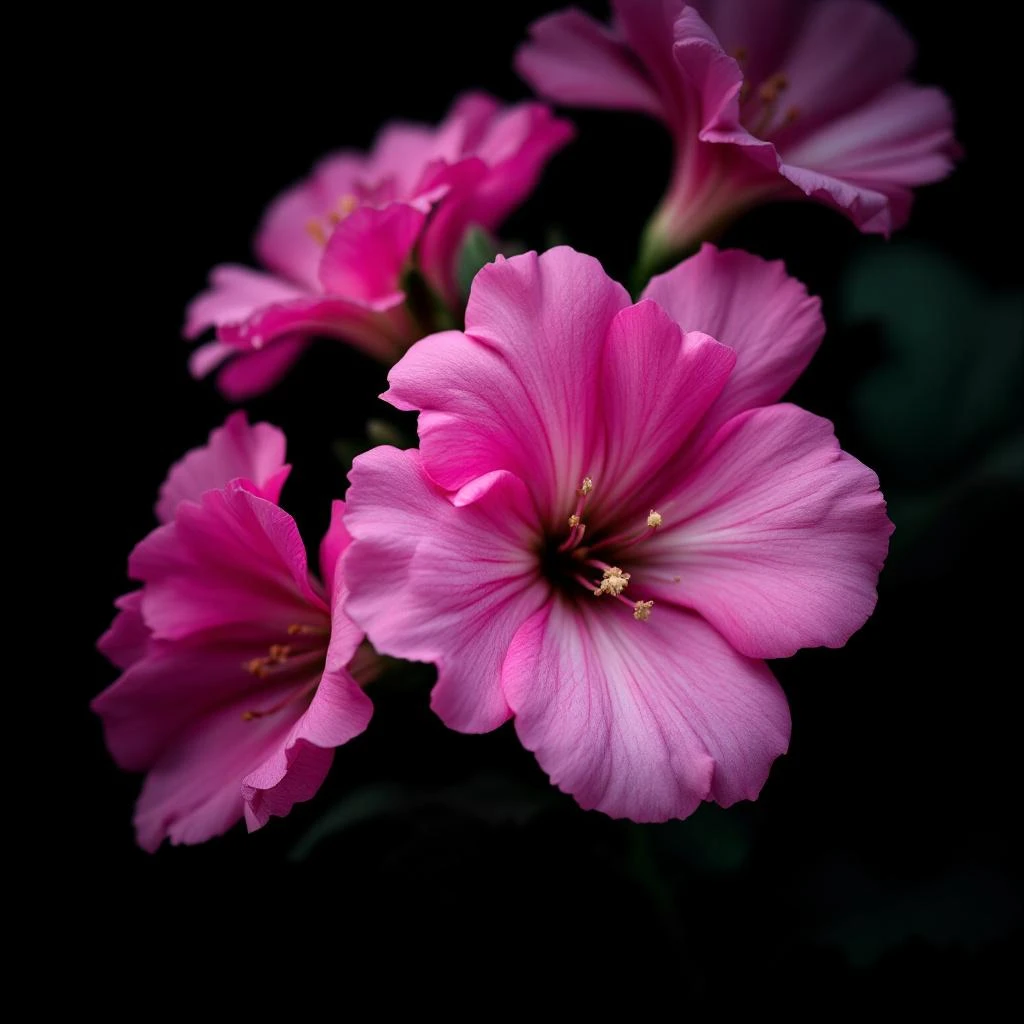
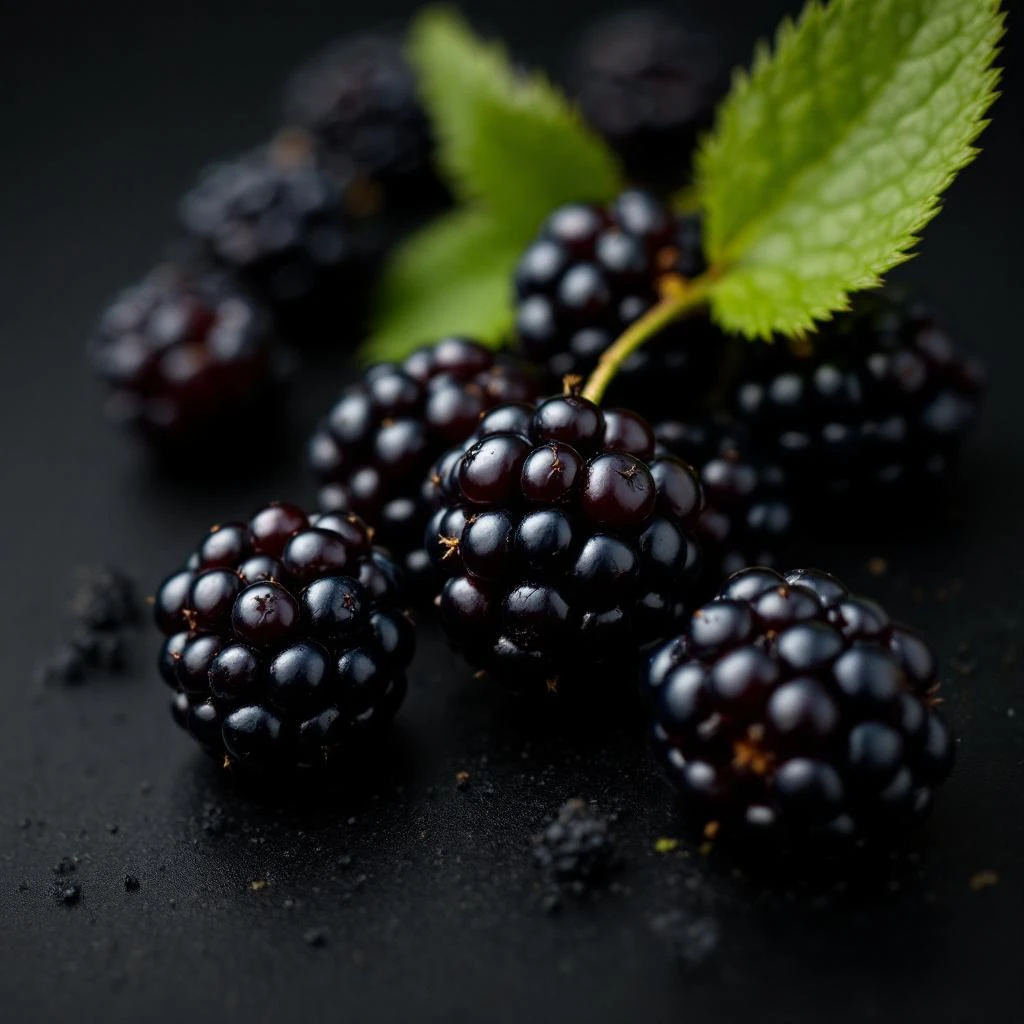


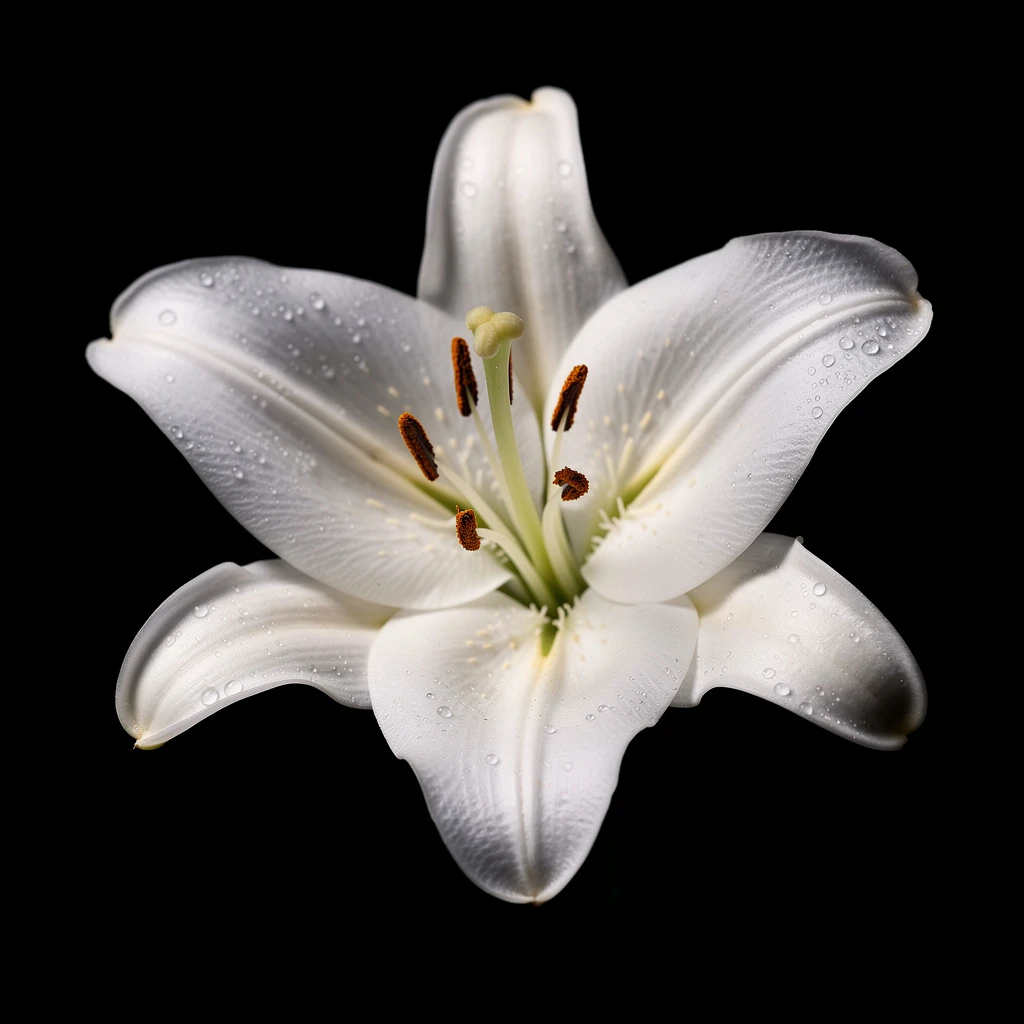

Origin
France
Raspberry has ancient roots in European folk medicine and cuisine, valued for its bright flavor long before perfumers took notice. Wild raspberries grew throughout temperate Europe and North America, with Scottish highland varieties particularly prized for their intense flavor concentration.
Fragrant applications came much later. Perfumers initially used natural raspberry essence sparingly due to scarcity and cost.
The synthetic breakthrough with raspberry ketone transformed this ingredient's role in perfumery, making the bright berry note accessible for mass-market and niche creations alike. Today it appears across fragrance families, from fresh florals to gourmand orientals, though forest-foraged wild varieties still inspire the evocative naming conventions used in perfume marketing.
Wears it best
Fragrances featuring Forest Raspberry
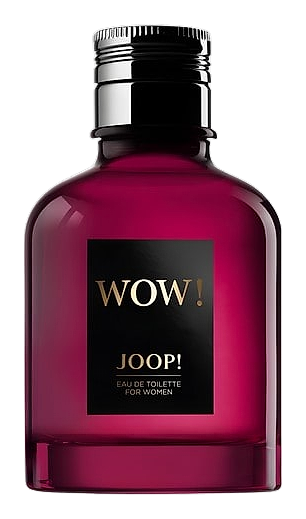
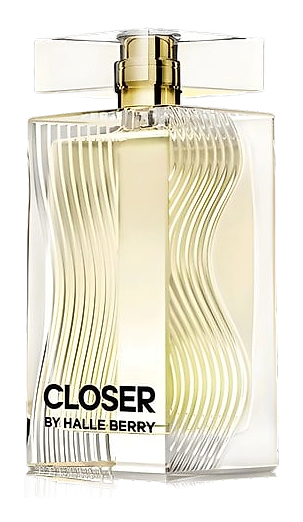
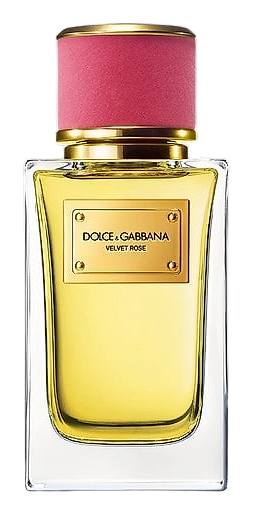
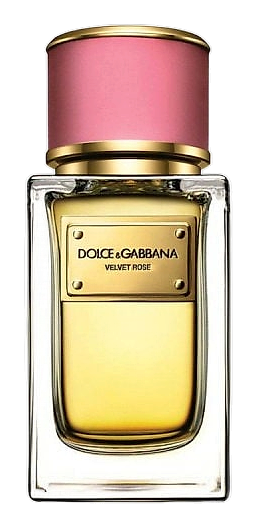
Brands
Brands known for Forest Raspberry
Good to know
Questions, answered
The essentials on Forest Raspberry in perfumery: how it smells, where it comes from, and how it behaves on skin.
Is Forest Raspberry a natural or synthetic ingredient?
Most Forest Raspberry in perfumery is synthetic. Natural raspberry absolute exists but requires enormous quantities of fruit, making it impractical. Raspberry ketone recreates the same aromatic molecules found in fresh raspberries.
What does Forest Raspberry smell like?
Forest Raspberry smells bright, juicy, and sweet with a tart edge. It has a slightly floral quality that distinguishes it from other berry notes, giving it an authentic fresh-fruit character rather than candy-like sweetness.
Which fragrance families use Forest Raspberry?
Forest Raspberry appears across florals, chypres, and gourmand fragrances. It works particularly well in modern fresh perfumes and adds natural warmth to fruity compositions ranging from delicate to statement-making.
How does Forest Raspberry compare to other berries in perfumery?
Forest Raspberry is brighter and more acidic than strawberry, less confection-like than cherry, and more floral than blackcurrant. Its distinctive tartness makes it instantly recognizable and effervescent in top notes.
When was raspberry ketone first synthesized for perfumery?
Chemists developed the practical synthesis of raspberry ketone in the late 1950s, enabling perfumers to use this note without relying on expensive natural extracts. This unlocked widespread creative use of raspberry in modern fragrance.
Does Forest Raspberry have good staying power in fragrances?
Forest Raspberry functions primarily as a top and heart note. It contributes brightness and initial impact but does not persist as a base note. Blending it with fixatives helps extend its presence in the overall composition.
What complementary notes pair well with Forest Raspberry?
Forest Raspberry pairs naturally with rose, jasmine, and white musks for floral directions. For gourmand effects, it combines well with vanilla, tonka, and chocolate. Green tea and citrus brighten its fresh character.
Where do synthetic raspberry ketones originate?
Synthetic raspberry ketone is produced in industrial chemistry facilities worldwide. The process starts from naturally derived precursor compounds, making the final aromatic molecule identical to what occurs in natural raspberries.