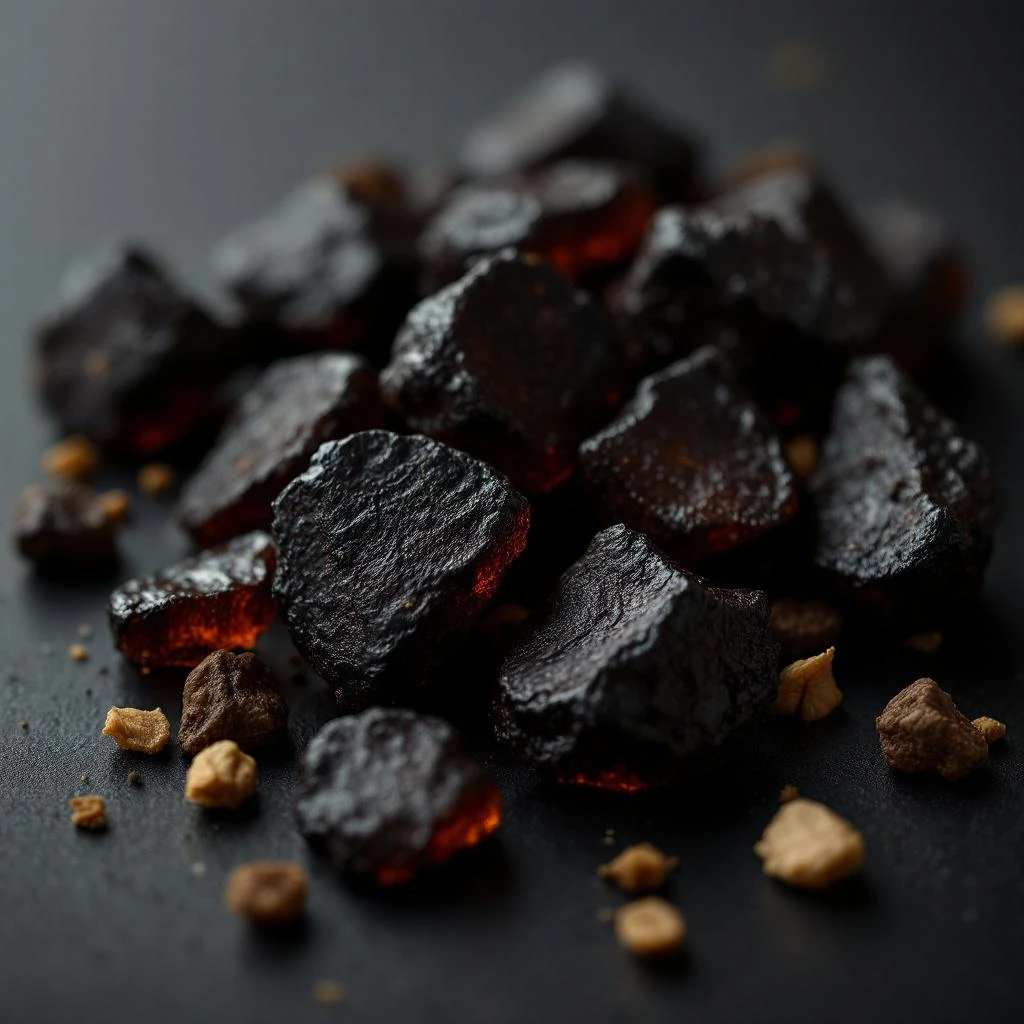
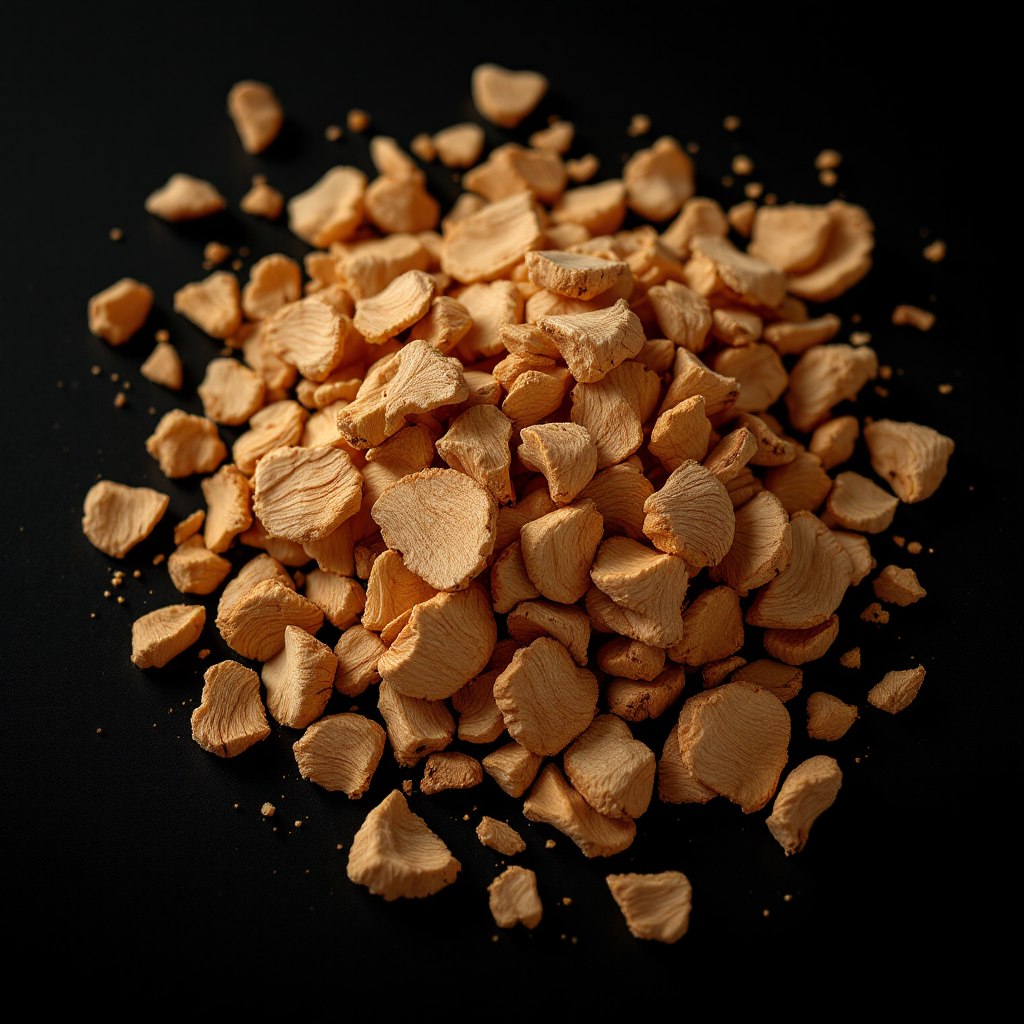
Fig Wood Bark
The woody heart of the ancient fig tree, fig wood bark brings a subtle creamy warmth and powdery softness that grounds greener, fruited compositions.
Character
How it smells
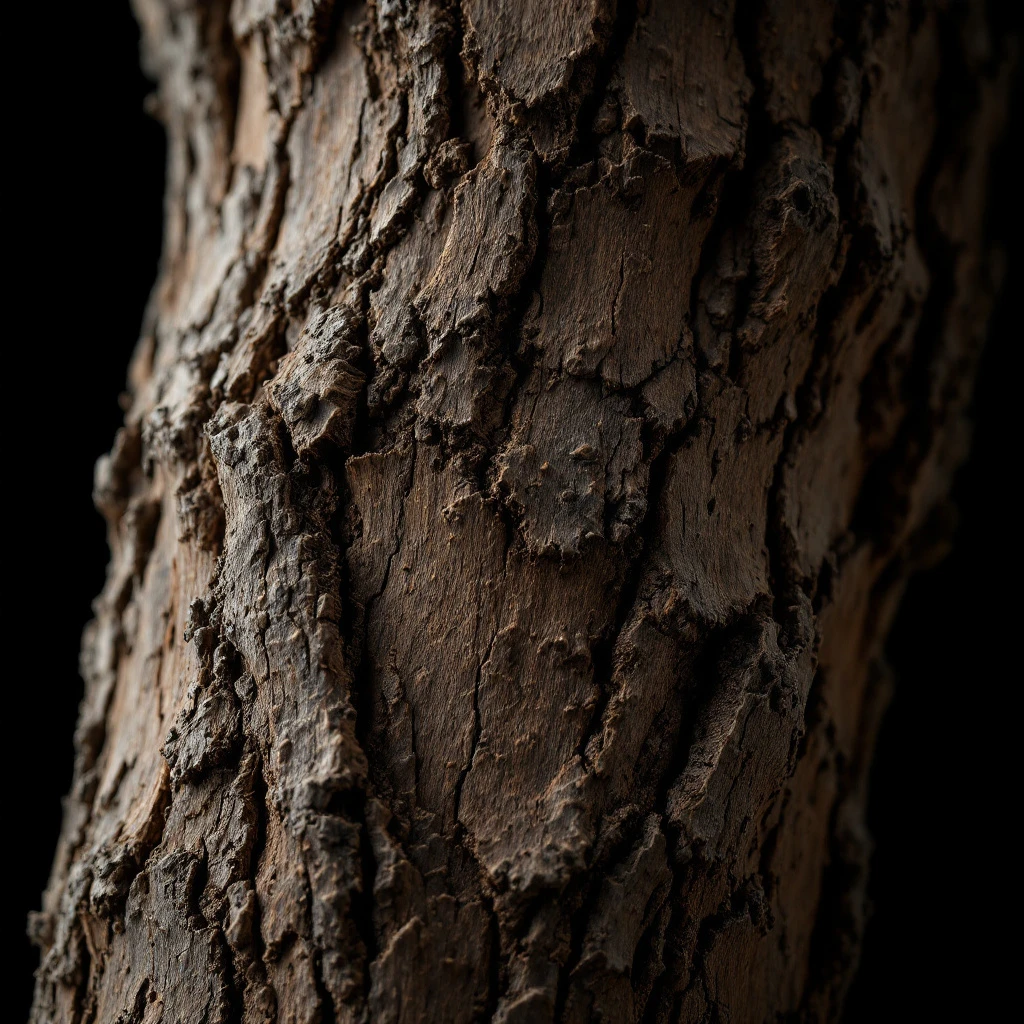
Creamy, powdery wood from an ancient tree
Ancient Egyptians used fig tree materials for religious ceremonies over 4,000 years ago, well before the tree reached Greece and Rome.





Origin
Turkey
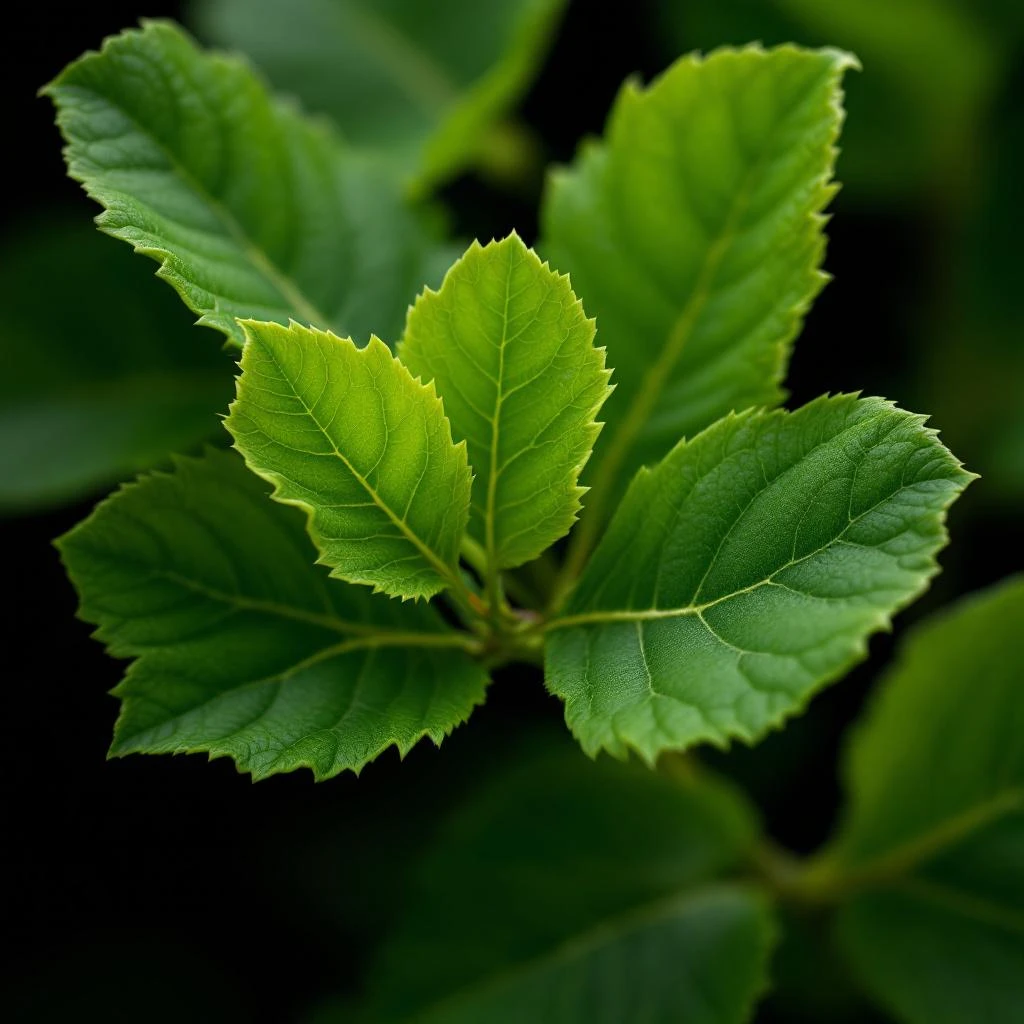
The fig tree holds exceptional cultural significance across the Mediterranean world, where evidence of cultivation extends back over 11,000 years. Ancient Egyptians were among the first to recognize the aromatic properties of fig, incorporating the wood into religious ceremonies and funerary practices.
Greek and Roman cultures considered the fig tree sacred, associating it with Dionysus and Bacchus respectively, and used various parts of the tree in ceremonial contexts. The Greeks prized fig wood for its subtle, pleasant fragrance when burned as incense, while Romans incorporated fig-derived materials into personal grooming products.
Medieval herbalists documented fig wood use in perfumery and medicinal preparations, noting its grounding, calming properties when combined with other scents. Today, Ficus carica remains emblematic of Mediterranean landscape and culture, its wood continuing to inspire perfumers seeking depth and historical resonance.
Wears it best
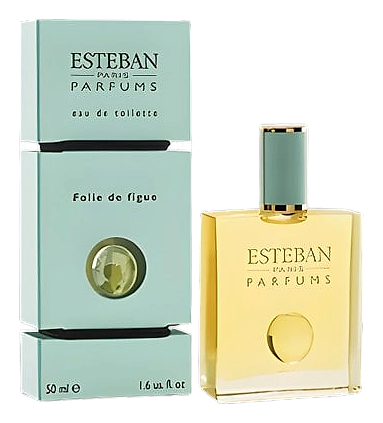
Fragrances featuring Fig Wood Bark



Brands
Brands known for Fig Wood Bark
Good to know
Questions, answered
The essentials on Fig Wood Bark in perfumery: how it smells, where it comes from, and how it behaves on skin.
What does fig wood bark smell like?
Fig wood bark has a subtle woody base with creamy, powdery overtones and faint musky warmth. It adds quiet depth without overpowering greener or fruited notes.
Is fig wood bark natural or synthetic?
It exists in both forms. Natural fig wood bark absolute comes from solvent extraction of Ficus carica bark, while synthetic reproductions offer consistent aroma profiles.
Where does fig wood bark come from?
The primary source is Ficus carica, native to the Mediterranean region including Turkey, where fig cultivation has existed for millennia.
How is fig wood bark used in perfumery?
Perfumers use it as a base note to ground compositions, add warmth to green fig accords, or provide a creamy woody counterpoint to brighter top notes.
What fragrance families pair with fig wood bark?
It complements green fig notes, white florals, woody chypres, and warm musky compositions. The powdery quality suits skin-like and skin-close fragrance profiles.
Is fig wood bark a rare perfumery ingredient?
Yes, it appears less frequently than fig leaf or fig fruit notes. Extraction yields are small, making quality material difficult to source.
How does fig wood bark differ from fig leaf or fig fruit notes?
Fig wood provides warm, dry woody depth. Fig leaf offers fresh, green, slightly lactonic character. Fig fruit delivers sweet, slightly jammy ripeness.
Does fig wood bark have traditional uses beyond perfumery?
Ancient Mediterranean cultures used fig wood in incense and religious contexts. The wood was also valued in traditional medicine for its supposed calming properties.