The Story
Why it exists.
The beginning
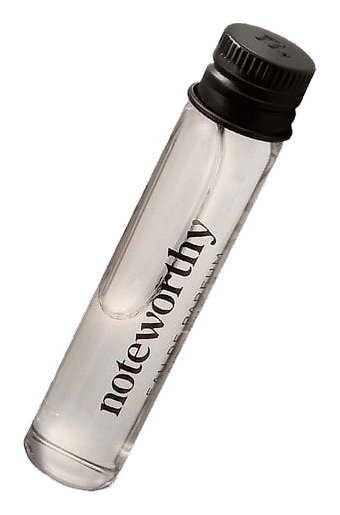
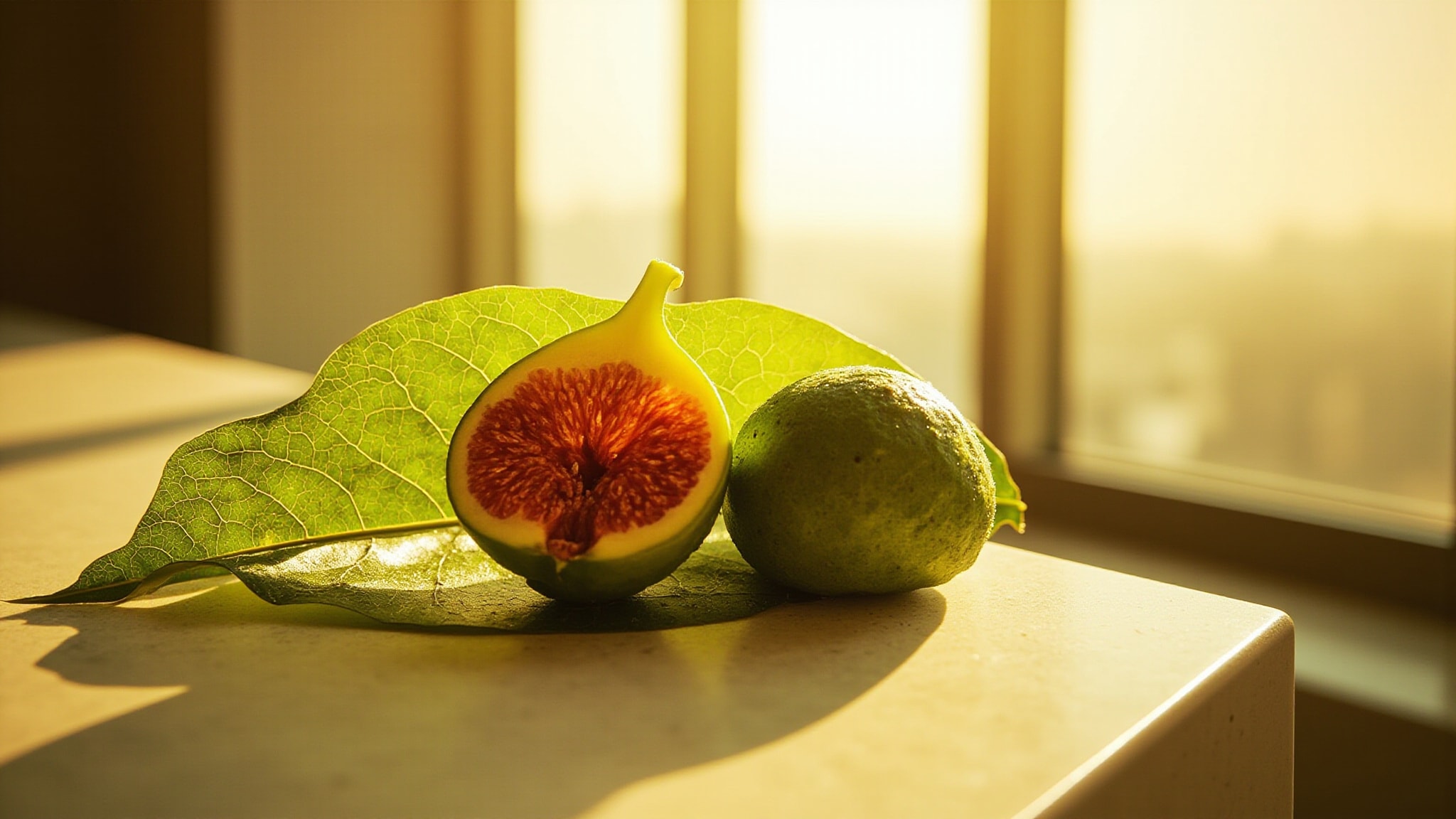
Nicole Mancini's father-in-law brought a fig tree from the Middle East years ago. Every autumn, he harvests boxes of figs to share with the family. For Mancini, that tree is love made tangible, a yearly ritual of giving. When she set out to create n,415, she wanted to give something back. Not just the fruit, but the whole tree: the dewy green leaves, the sweet nectar, the earthy bark. Each layer of the fragrance corresponds to a different part of that tree. The top captures the freshness of the leaves after rain. The heart holds the honeyed sweetness of the fig itself. The base is the wood, warm, slightly dry, grounding everything. This isn't a perfume about a single memory. It's a portrait of a living thing, shaped by the people who tend it. Mancini's goal was to let wearers experience what she experiences every fall: the fullness of a tree that keeps giving.
What makes n,415 unusual is its commitment to representing an entire botanical. Fig in perfumery typically means the sweet fruit or the milk. Here, Mancini starts at the top with the leaf: Calypsone mimics that crisp, slightly bitter greenness without needing actual fig leaf absolute. The heart pairs fig nectar with freesia, a floral that's creamy and slightly fruity, which deepens the fig's sweetness rather than competing with it. Egyptian geranium adds a green, rosy warmth that keeps things from getting cloying. The base is where it earns its woody label. Haitian vetiver brings smoky, earthy depth. Virginia cedar is warm and dry.
The evolution
The opening arrives quickly: a burst of citrus lifts the fig leaf, creating an immediate impression of freshness without sharpness. Calypsone smooths the green edges, it's not the harsh cut-grass smell of real fig leaf, but a softer, more wearable interpretation. The citrus doesn't dominate; it illuminates. Within the first hour, the heart takes over. Freesia and fig nectar blend into something honeyed and intimate. The geranium adds a subtle spice, not cardamom, but a green, rosy warmth that prevents the heart from feeling too soft. This is the phase where wearers tend to get compliments: it's sweet without being sugary. The drydown is where the wood in green and woody becomes literal. Vetiver and cedar emerge around the third hour, creating a base that's warm, slightly smoky, and deeply grounded. Fig wood bark keeps the connection to the original tree, so this doesn't smell like a generic woody fragrance. It smells like standing near a fig tree at dusk. On fabric, the drydown can last into the evening.
Cultural impact
The fig-forward movement in contemporary perfumery gained momentum in the late 2010s, and n,415 arrived at a moment when consumers were actively seeking alternatives to the sweet, lactonic fig interpretations that dominated the category. Its green, woody take on the note offered something different, positioning itself as an approachable entry point for those curious about fig but hesitant about heavier interpretations. By framing the fragrance around the entire fig tree rather than just the fruit, n,415 tapped into a broader cultural shift toward whole-plant representation in fragrance. This approach aligned with how sustainability-conscious consumers think about ingredients, favoring transparency and completeness over abstraction.