Calypsone
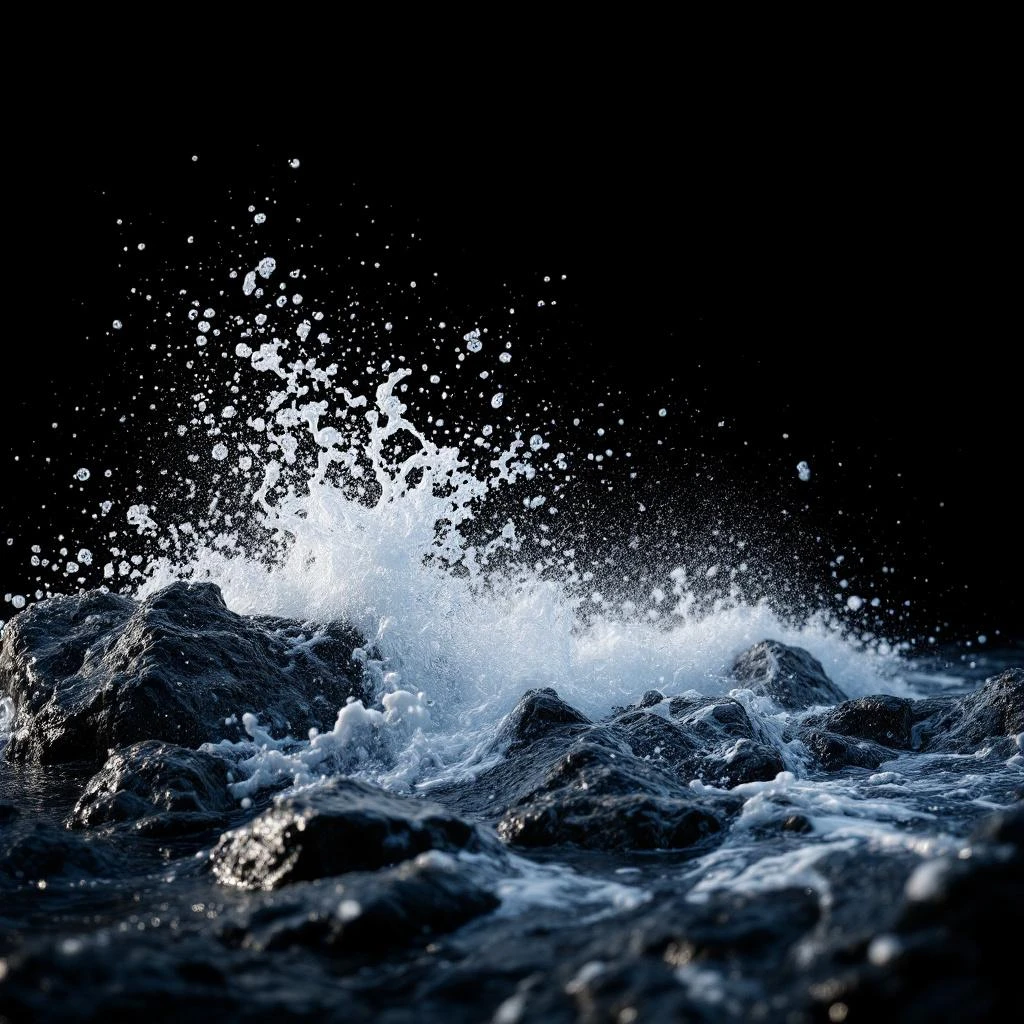
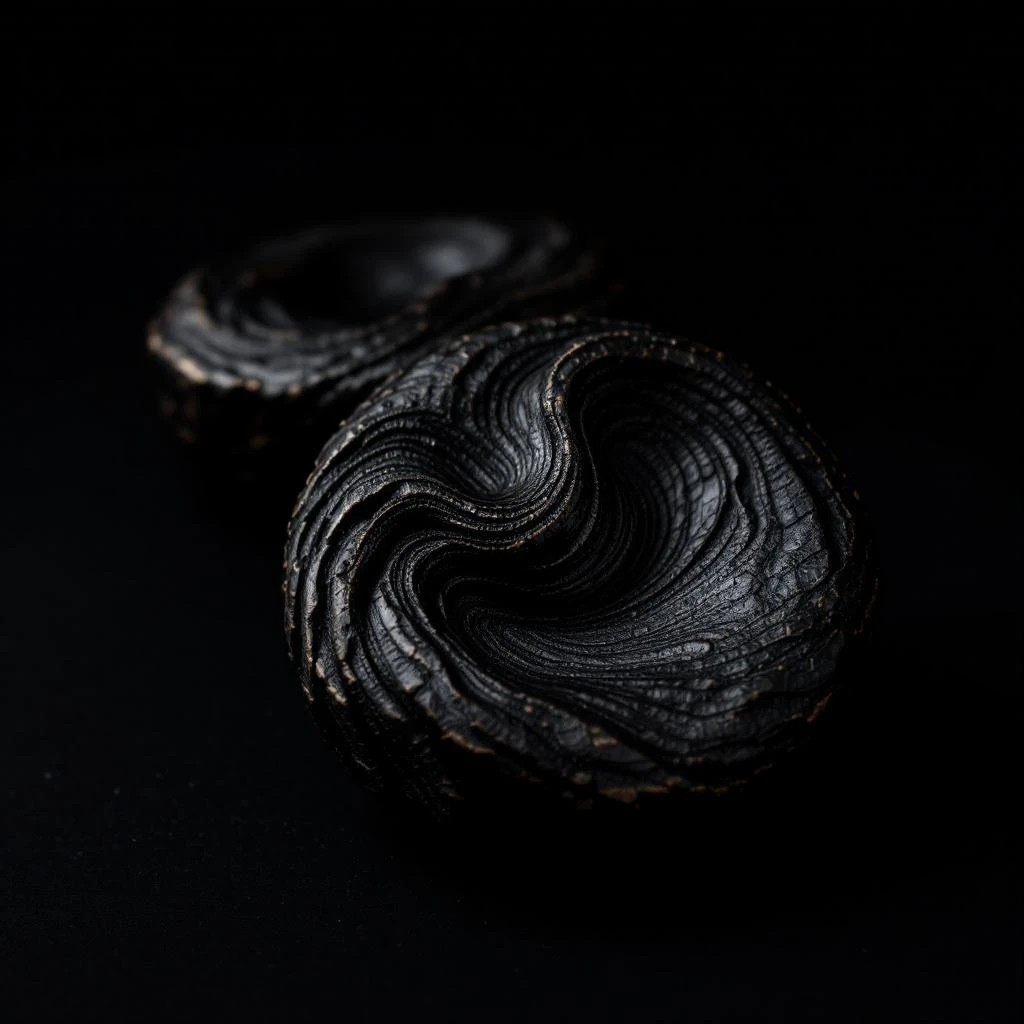
Calypsone captures the crispness of ocean spray meeting sun-warmed watermelon. This Givaudan captive molecule redefined marine transparency in modern perfumery, offering ozonic freshness without the harshness of earlier aquatic ingredients.
Character
How it smells
The watery melon heart of contemporary marine
Despite its watermelon-inspired character, Calypsone is an aldehyde rather than a ketone, giving it distinct chemical behavior from the classic Watermelon Ketone, Calone.





Origin
Switzerland
Marine notes represent perfumery's youngest major olfactory family, emerging from a 1966 pharmaceutical accident that produced Calone. However, Calypsone's own story begins in 2008 when Givaudan introduced it as a trademark-protected captive molecule (US Registration #3679932).
The timing reflected a market maturing beyond 1990s Calone-dominated aquatics, which had grown clichéd through overuse. Calypsone arrived during a period of marine note reformulation, offering perfumers a tool for restraint and sophistication rather than aggressive sea-breeze declarations.
The 2025 fragrance landscape now recognizes marine as a standalone family, elevated from mere freshness modifier to artistic statement. Captive molecules like Calypsone define this new era, where trace amounts create atmospheric depth rather than overwhelming the composition with saltiness.
Wears it best
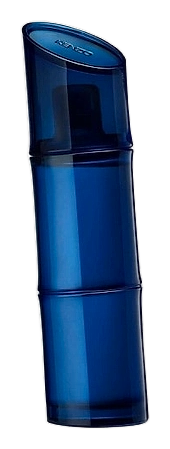
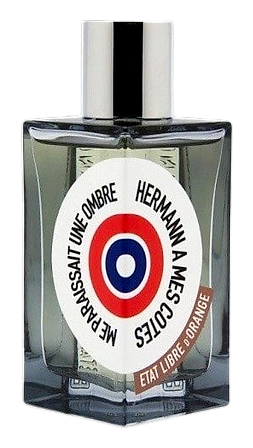
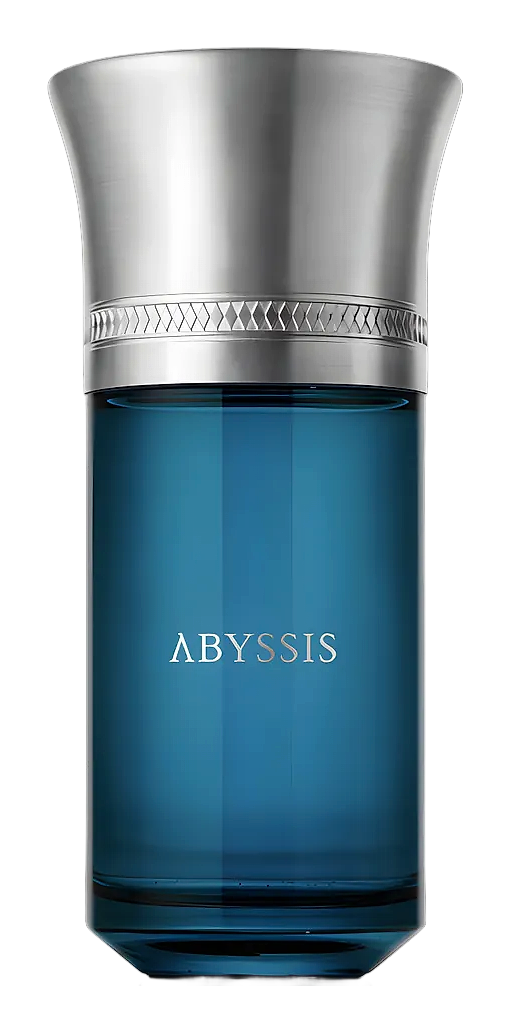
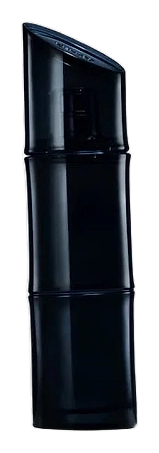
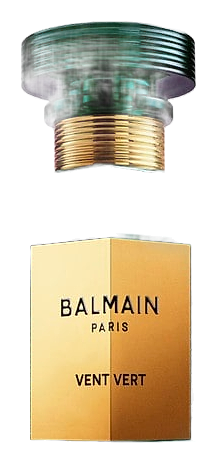
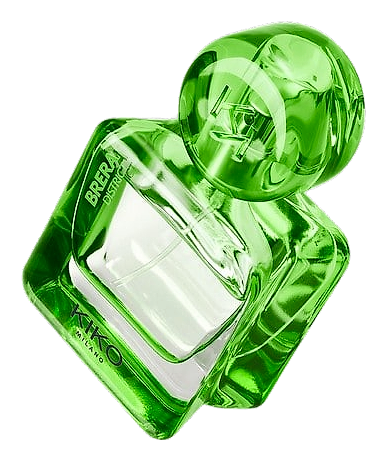
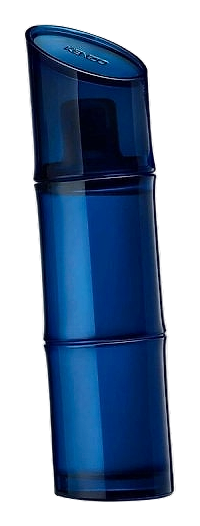
Fragrances featuring Calypsone
Brands
Brands known for Calypsone
Good to know
Questions, answered
The essentials on Calypsone in perfumery: how it smells, where it comes from, and how it behaves on skin.
What does Calypsone smell like?
Calypsone delivers ozonic sea breeze with transparent watermelon character, enhanced by subtle citrus and muguet floral nuances. It creates clean, airy freshness described as green natural warmth rather than harsh marine aggression.
Is Calypsone the same as Calone?
No. Calypsone is chemically distinct, belonging to the aldehyde family (6-methoxy-2,6-dimethyl octanal), while Calone is a benzodioxepinone ketone. Both provide aquatic character but with different olfactory textures and chemical behaviors.
Why is Calypsone called a captive molecule?
Calypsone is proprietary to Givaudan, trademarked and registered under US #3679932. Captive molecules remain exclusive to their developing house, unavailable for general purchase by independent perfumers or brands.
What fragrance families use Calypsone?
Calypsone appears primarily in modern masculine fougères and contemporary citrus compositions. It functions as a top note that transforms traditional structures, adding coastal sophistication to lavender-oakmoss bases and sporty freshness to citrus.
How much Calypsone is used in formulations?
In masculine fougère contexts, Calypsone typically appears at 0.5-3% concentration. Its moderate intensity makes it effective at low doses, where trace amounts create atmospheric transparency without overwhelming other notes.
What effect does Calypsone have in fragrance compositions?
Calypsone creates a cooling temperature illusion and spatial expansion, generating open-air perception rather than dense character. It modernizes classic structures by bridging volatile citrus tops with substantial herbal heart notes.
Does Calypsone occur naturally?
No. Calypsone is entirely synthetic, developed through controlled organic synthesis. Its molecular structure does not correspond to any known natural aromatic compound.
What is the current status of marine notes in perfumery?
Marine notes evolved from 1990s Calone dominance through market fatigue to a 2025 renaissance characterized by restraint. Modern marine represents a standalone olfactory family, elevated to artistic complexity rather than simple freshness modifier.