Fermented Mate
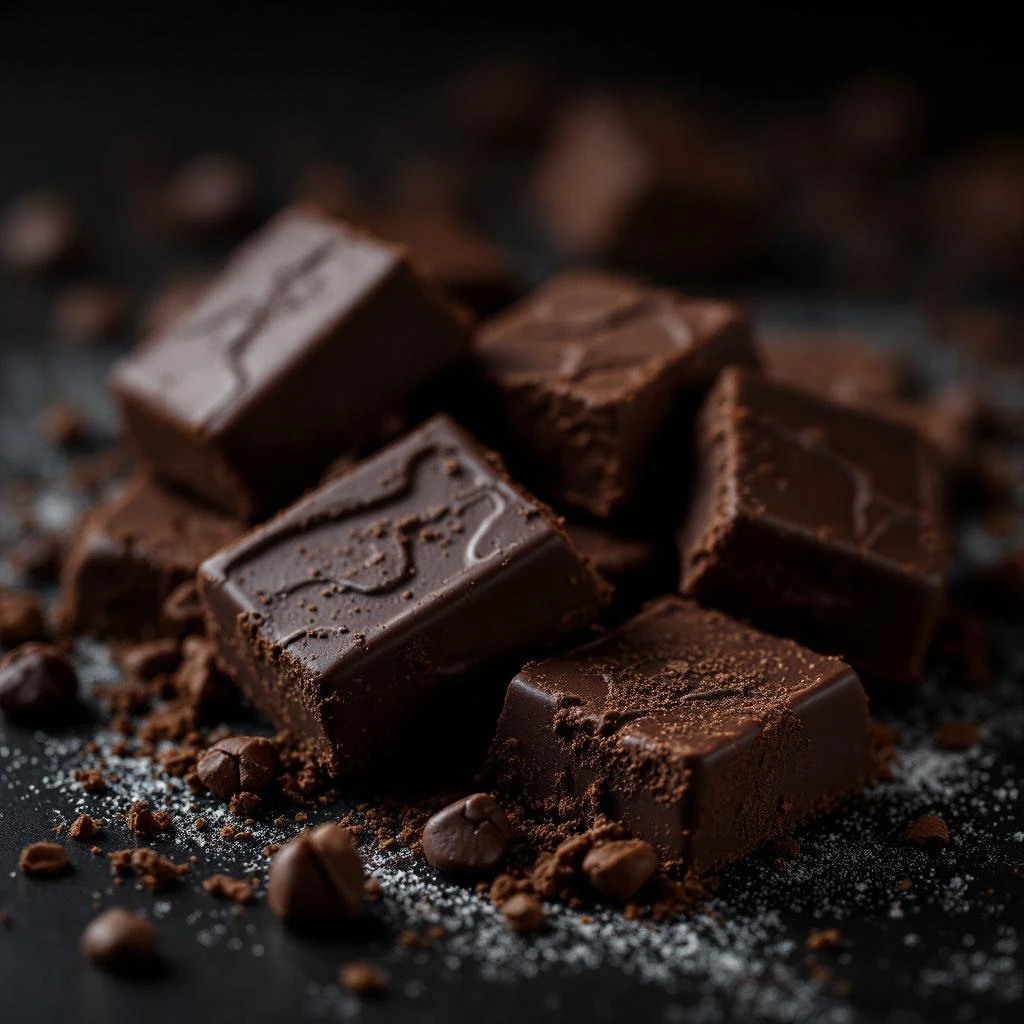
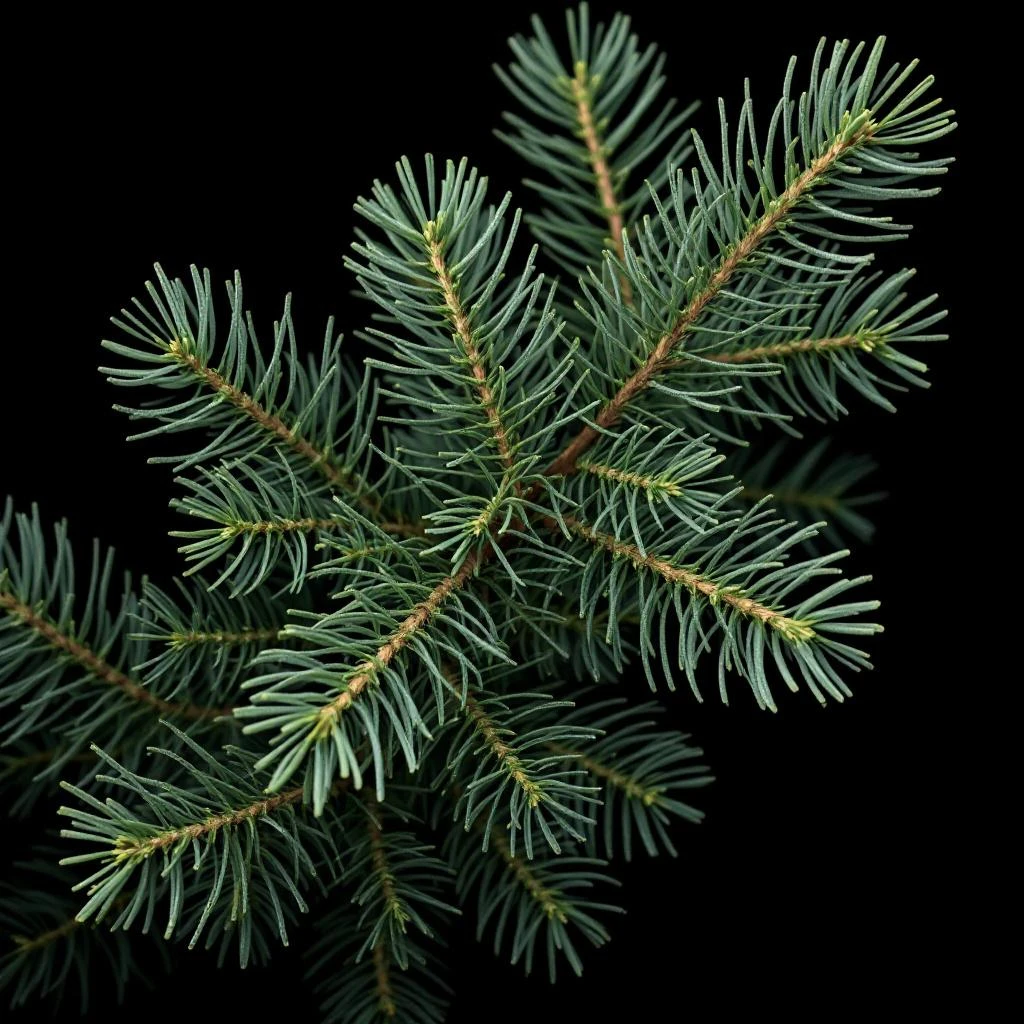
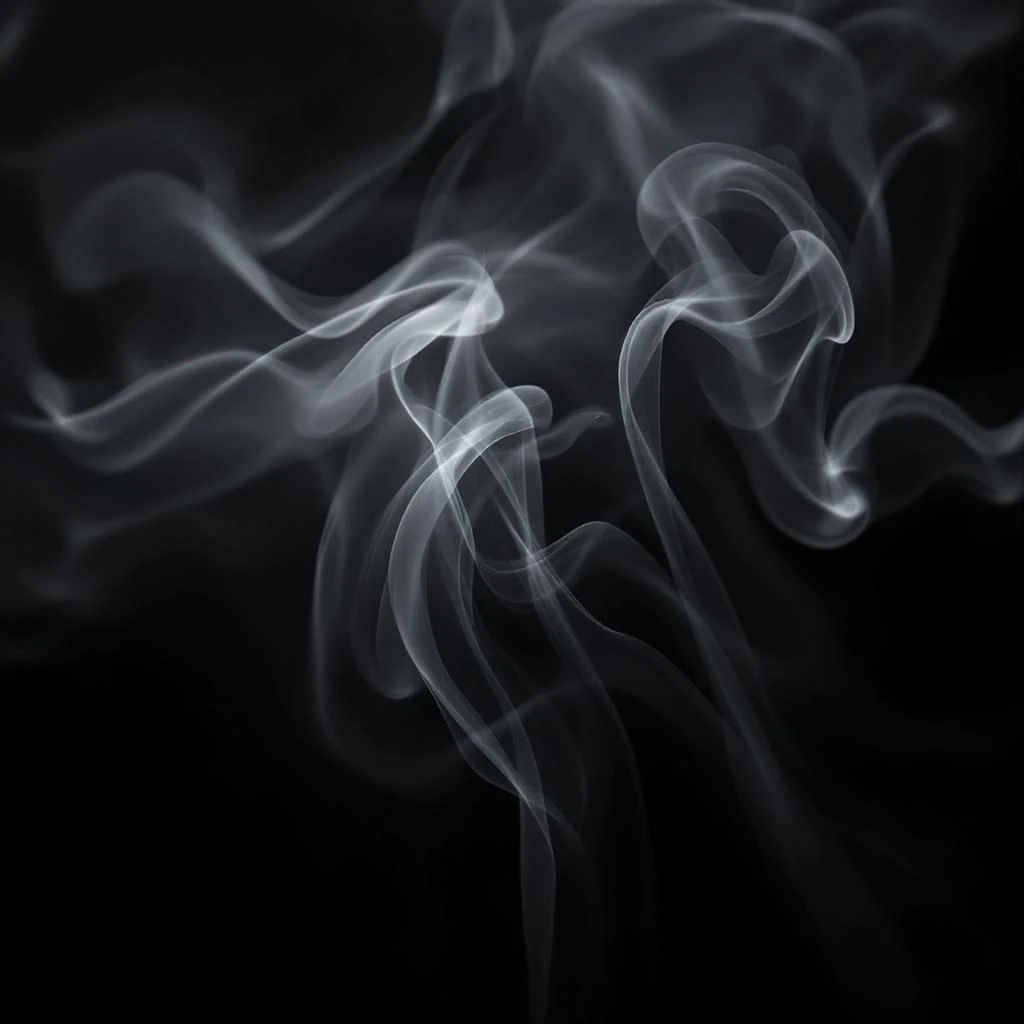
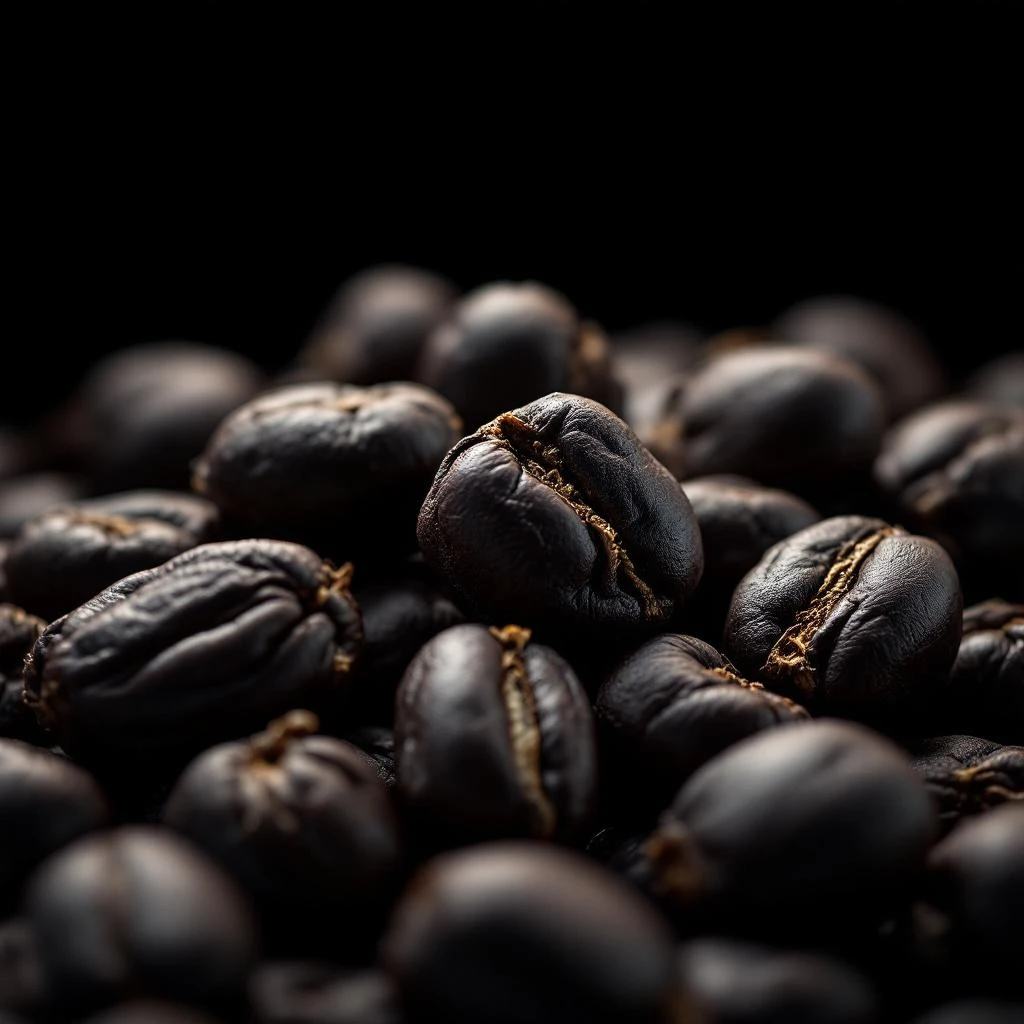
Fermented mate absolute captures the aged, complex soul of South American yerba mate leaves. Through traditional curing and microbial transformation, this material reveals deep smoky, tobacco, and hay-like qualities rarely found in any other natural ingredient.
Character
How it smells
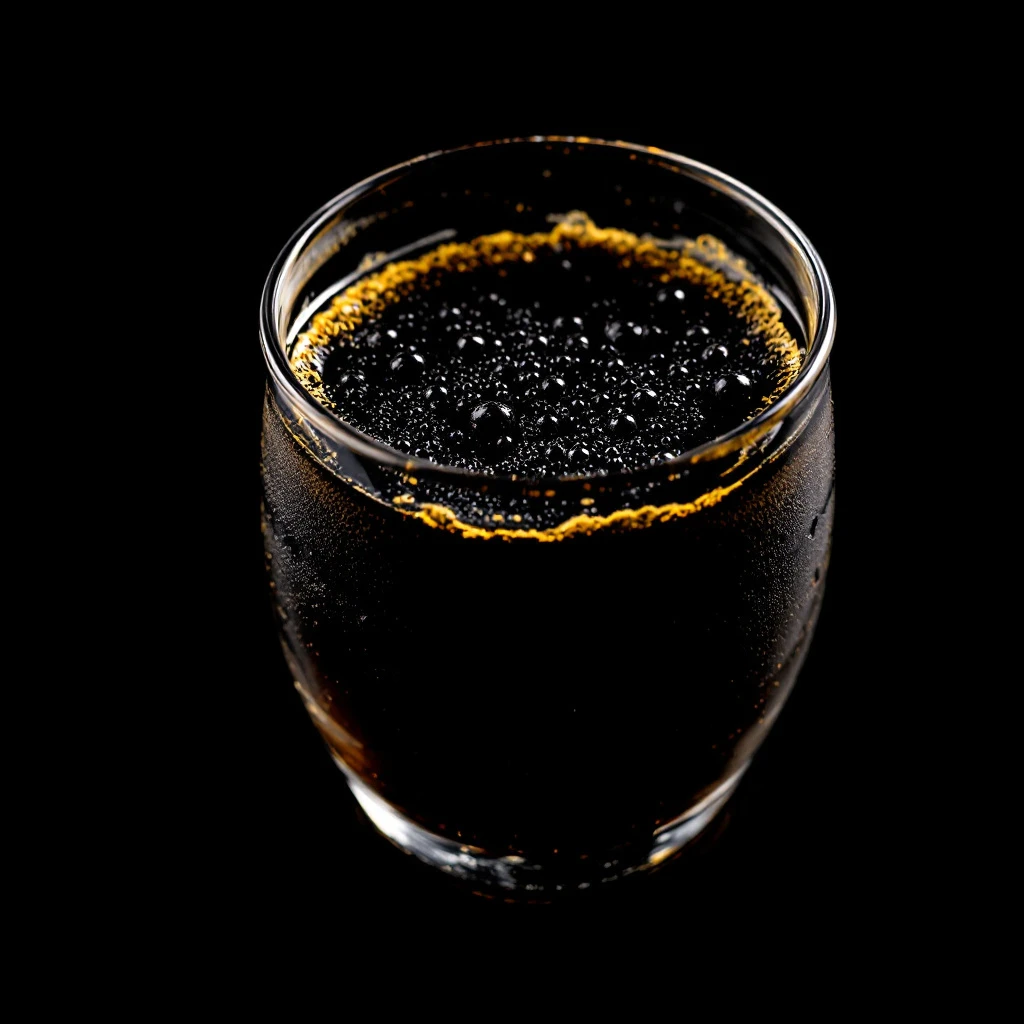
The aged soul of South American yerba mate
Guarani peoples have consumed mate for over 1,000 years, and their traditional fermentation method creates a completely different aromatic profile than fresh leaves ever could.

Origin
Paraguay
The story of fermented mate begins with the Guarani indigenous peoples of Paraguay, who discovered and cultivated Ilex paraguariensis thousands of years before European contact. They prepared mate through a method that naturally included fermentation, creating what we now recognize as the traditional cured yerba.
When Jesuit missionaries arrived in the 17th century, they observed and documented Guarani mate preparation techniques, contributing to wider understanding of the fermentation process. The drink became deeply embedded in South American culture across Paraguay, Argentina, Brazil, and Uruguay, where it remains a social ritual central to daily life.
Perfumery discovered mate relatively recently, with fragrance houses exploring mate absolute from the late 20th century onward as interest in natural and botanically-sourced ingredients grew. Today, fermented mate represents a bridge between indigenous tradition and modern fragrance artistry, offering a piece of South American heritage captured in aromatic form.
Wears it best
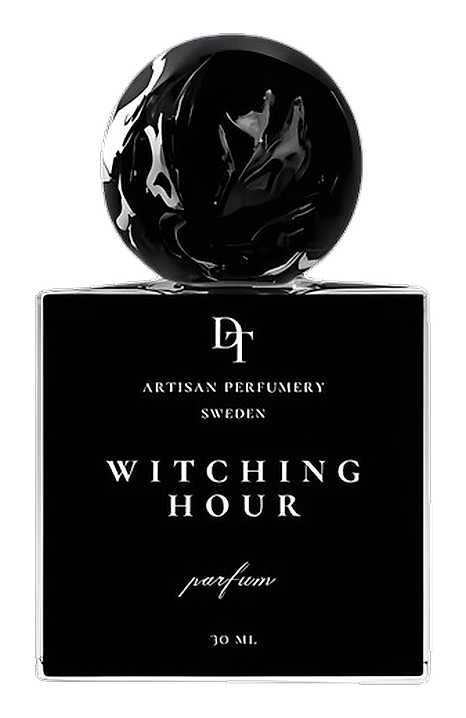
Fragrances featuring Fermented Mate
Brands
Brands known for Fermented Mate
Good to know
Questions, answered
The essentials on Fermented Mate in perfumery: how it smells, where it comes from, and how it behaves on skin.
What does fermented mate smell like in perfume?
Fermented mate presents smoky, tobacco-like qualities with undertones of hay, dried herbs, and earth. It adds warmth and a distinctly organic character to fragrance compositions.
How is fermented mate different from fresh mate leaves?
Fermentation transforms the leaves through microbial activity, creating new aromatic compounds. Fresh mate smells green and slightly bitter, while fermented mate develops rich, smoky, tobacco-like qualities.
Where does fermented mate for perfumery come from?
Primary production centers on Paraguay, Argentina, and southern Brazil, where yerba mate cultivation has been established for centuries. Wild gathering has largely given way to large-scale cultivation in these regions.
What extraction technique produces fermented mate absolute?
Solvent extraction produces the absolute, yielding a concentrated material that captures the full aromatic complexity developed during fermentation. This method preserves nuanced compounds that steam distillation might alter.
Is fermented mate used more as a top, heart, or base note?
Fermented mate functions primarily as a heart or base note, providing lasting depth and warmth. Its分子 size ensures good longevity while the aromatic character works well in the fragrance foundation.
Can fermented mate absolute be replicated synthetically?
Some aromatic molecules in fermented mate, like certain pyrazines and furanones, can be synthesized. However, the full complexity of the natural material, with its subtle variations, remains difficult to replicate entirely.
What types of fragrances use fermented mate?
Masculine fragrances and unisex compositions most commonly feature fermented mate, though niche perfumery has expanded its use into unexpected categories seeking organic, smoky depth.