Evergreen
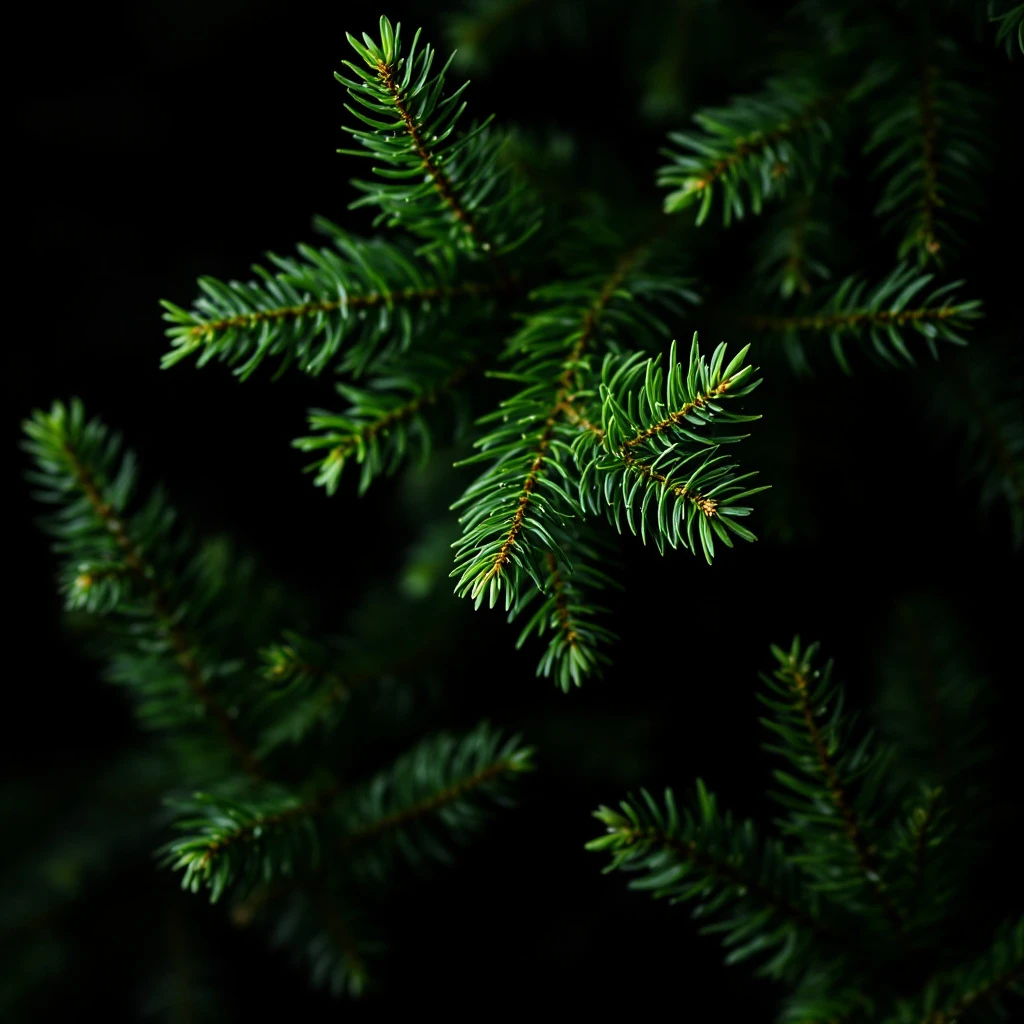
Evergreen captures the resinous, needle-sharp character of coniferous forests in a single note. Distilled from pine, fir, and spruce, it anchors fougère and chypre compositions with crisp, woody clarity.
Character
How it smells
Forest in a bottle, crisp and enduring.
Conifer resins have been burned as incense for over 5,000 years, with archaeological finds in Egyptian tombs containing traces of pine and cedar aromatics.



Origin
Russia
Conifers rank among the earliest aromatic materials used by humans. Archaeological evidence from Egyptian tombs, including the famous tomb of Tutankhamun, shows traces of pine resin and cedar oil dating back over 3,000 years. These substances served dual purposes: embalming agents and incense for ritual purification.
The ancient Greeks imported conifer pitches from Phocaea and Massalia for both medicinal and ceremonial use. In medieval Europe, evergreen oils found roles in herbalism, where physicians like Dioscorides documented the wound-treating properties of pine pitch in De Materia Medica. The modern perfume industry adopted conifer oils during the 19th century as natural sources for isolating alpha-pinene and other terpene building blocks.
Today, evergreen notes remain foundational in masculine and outdoor-themed fragrances, connecting contemporary perfumery to one of humanity's oldest aromatic traditions.
Wears it best
Fragrances featuring Evergreen
Brands
Brands known for Evergreen
Good to know
Questions, answered
The essentials on Evergreen in perfumery: how it smells, where it comes from, and how it behaves on skin.
What does the evergreen note smell like in perfume?
Evergreen delivers a crisp, resinous aroma dominated by fresh pine, fir, or spruce needles. The character is sharp and woody with subtle balsamic undertones. It evokes the clean scent of a coniferous forest after rain, lending compositions a natural, outdoorsy quality.
Is evergreen a natural or synthetic fragrance ingredient?
Evergreen notes originate as natural essential oils steam-distilled from conifer needles and twigs. Synthetic alternatives like isolated alpha-pinene or manufactured Isobornyl acetate replicate the scent affordably. Most commercial perfumes blend both natural and reconstructed versions.
Which trees produce evergreen fragrance oil?
Pine, fir, spruce, and cedar are the primary sources. Scots pine and Siberian fir are especially valued for their clean, intense aromatics. Each species contributes a slightly different character, with spruce leaning sweeter and pine sharper and more resinous.
When was evergreen first used in perfumery?
Conifer resins appear in Egyptian funerary practices dating back over 3,000 years. Their formal use in European perfumery expanded during the 1800s as chemists learned to isolate pinene. Evergreen oils became staples in cologne-style fragrances by the early 20th century.
What fragrance families feature evergreen notes?
Evergreen appears most prominently in fougère, chypre, and aromatic compositions. It also anchors many woody and outdoor-themed fragrances. Its crisp freshness makes it a common top-note bridge between citrus openings and mossy or ambery bases.
Can evergreen oil cause skin sensitivity?
Yes, conifer essential oils contain high terpene levels that can irritate sensitive skin or trigger reactions in some individuals. Most commercial perfumes use them at safe dilutions. Patch testing is recommended for anyone with known plant allergies.
How long do evergreen notes last on skin?
Evergreen top notes typically persist 30 minutes to 2 hours, depending on concentration. Heavier conifer resins used in base positions last considerably longer. The lighter the formulation, the faster the crisp pine character fades into drier woody remnants.
What's the difference between pine and fir needle oil?
Pine needle oil smells sharper, more resinous, and slightly medicinal due to higher alpha-pinene content. Fir needle oil, particularly from Siberian fir, smells softer and sweeter with a balsamic edge. Both share evergreen DNA but serve different olfactory roles.




