English Violet
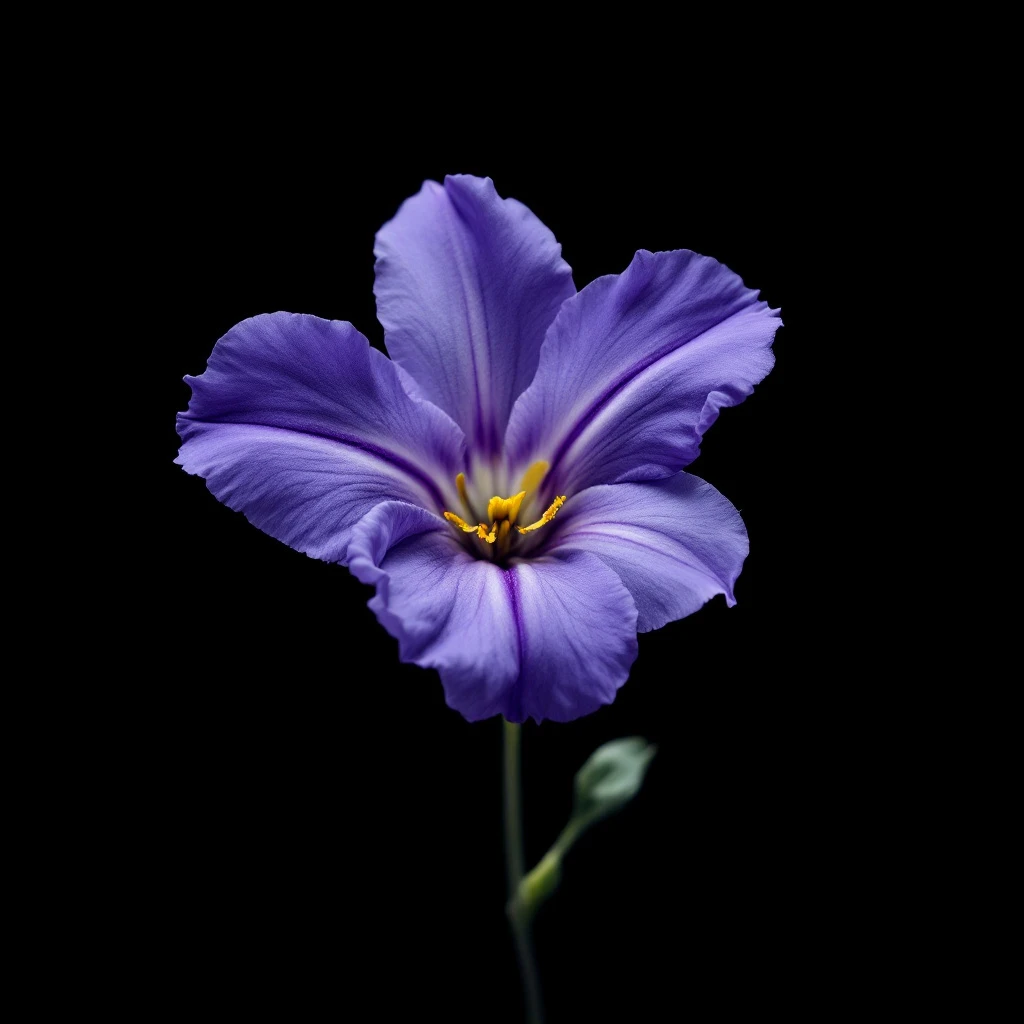
The sweet violet flower and its fresh, dewy leaf reveal a scent that is simultaneously powdery and green, romantic yet modern. English Violet captures an old-world elegance in a fragrance that feels as familiar as a first love.
Character
How it smells
Where romantic sweetness meets garden-green freshness.
Ionones in violet saturate smell receptors so completely that after a few minutes, your nose literally stops detecting the scent, even though the fragrance remains.





Origin
England
Violets appear in written records as early as the 4th century BC, when Greek botanists catalogued their medicinal uses. In England, sweet violets grew wild across hedgerows and gardens, inspiring poets from Shakespeare to Wordsworth. Napoleon Bonaparte famously declared violets his emblem, and his soldiers carried violet-scented sachets into battle.
The Victorian era elevated violet to romantic prominence, when enfleurage first captured its fleeting scent for aristocratic bouquets. French perfumers in Paris then transformed violet into the signature note of the modern perfume era, developing the synthetic ionones that made violet accessible beyond the royal greenhouse.
Wears it best
Fragrances featuring English Violet
Brands
Brands known for English Violet
Good to know
Questions, answered
The essentials on English Violet in perfumery: how it smells, where it comes from, and how it behaves on skin.
What does English Violet smell like?
English Violet combines sweet, powdery floral tones from the flower with fresh, slightly green notes from the leaf. The result is romantic yet modern, soft but distinctive.
Is English Violet a natural or synthetic ingredient?
Most commercial violet materials are synthetic. Natural violet absolute exists but costs prohibitively, so perfumers rely on ionones, the aromatic compounds that create violet's signature scent.
What part of the violet plant is used in perfumery?
Perfumers primarily extract from the leaves, which yield a green, tenacious absolute. Violet flowers produce an exquisite but costly absolute rarely used in full concentration.
Why do violets seem to disappear from your nose while wearing them?
Ionones in violet temporarily saturate smell receptors, causing olfactory fatigue within minutes. The fragrance persists in the air, but your nose stops detecting it first.
What fragrance families pair well with English Violet?
Violet works across floral, powdery, and chypre compositions. It pairs beautifully with iris, orris, sandalwood, and white musks for a soft, sophisticated effect.
Where do violets used in perfumery originate?
Sweet violet (Viola odorata) originates from England and Western Europe. Modern aromatic ionones are synthesized globally, primarily in French and Swiss fragrance chemistry facilities.
What historic associations does English Violet carry?
Napoleon Bonaparte adopted the violet as his personal emblem, and violets symbolized devotion in Victorian flower language. English poets from Shakespeare to Wordsworth referenced their fragrance extensively.





