The Story
Why it exists.
The beginning
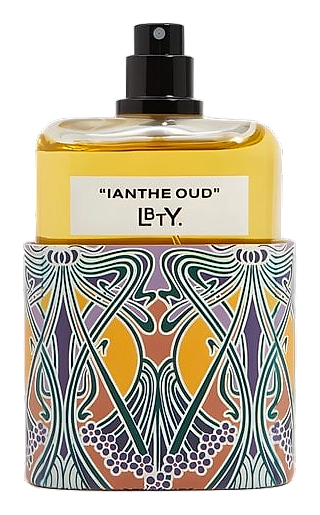
Ianthe Oud takes its name and concept from a Liberty archival print, one of those hand-drawn patterns from the store's vast textile library, accumulated across nearly 150 years of design commissions. The print in question: abstract florals and flowing wood motifs, captured in the palette that runs through Liberty's aesthetic history. Translating that visual conversation into scent fell to Nicolas Bonneville, the perfumer tasked with interpreting the print's texture, color, and mood into olfactory form. His brief was clear: capture the print's entwining wood and florals, make it wearable, make it last. The resulting fragrance embodies that translation from visual to sensory, translating the interplay of botanical motifs into something you can wear close to the skin.
What makes Ianthe Oud structurally interesting is the tension between its core materials. Oud and leather are dense, resinous, and demanding, they don't naturally coexist with powdery florals like violet and mimosa. Those two families rarely share a composition without one overwhelming the other. Here, the violet and mimosa act as a softening agent, wrapping the oud in something approachable without diluting it entirely. The patchouli in the base reinforces this: earthy, slightly musky, it bridges the gap between the florals and the woods, creating a composition that feels coherent rather than conflicted.
The evolution
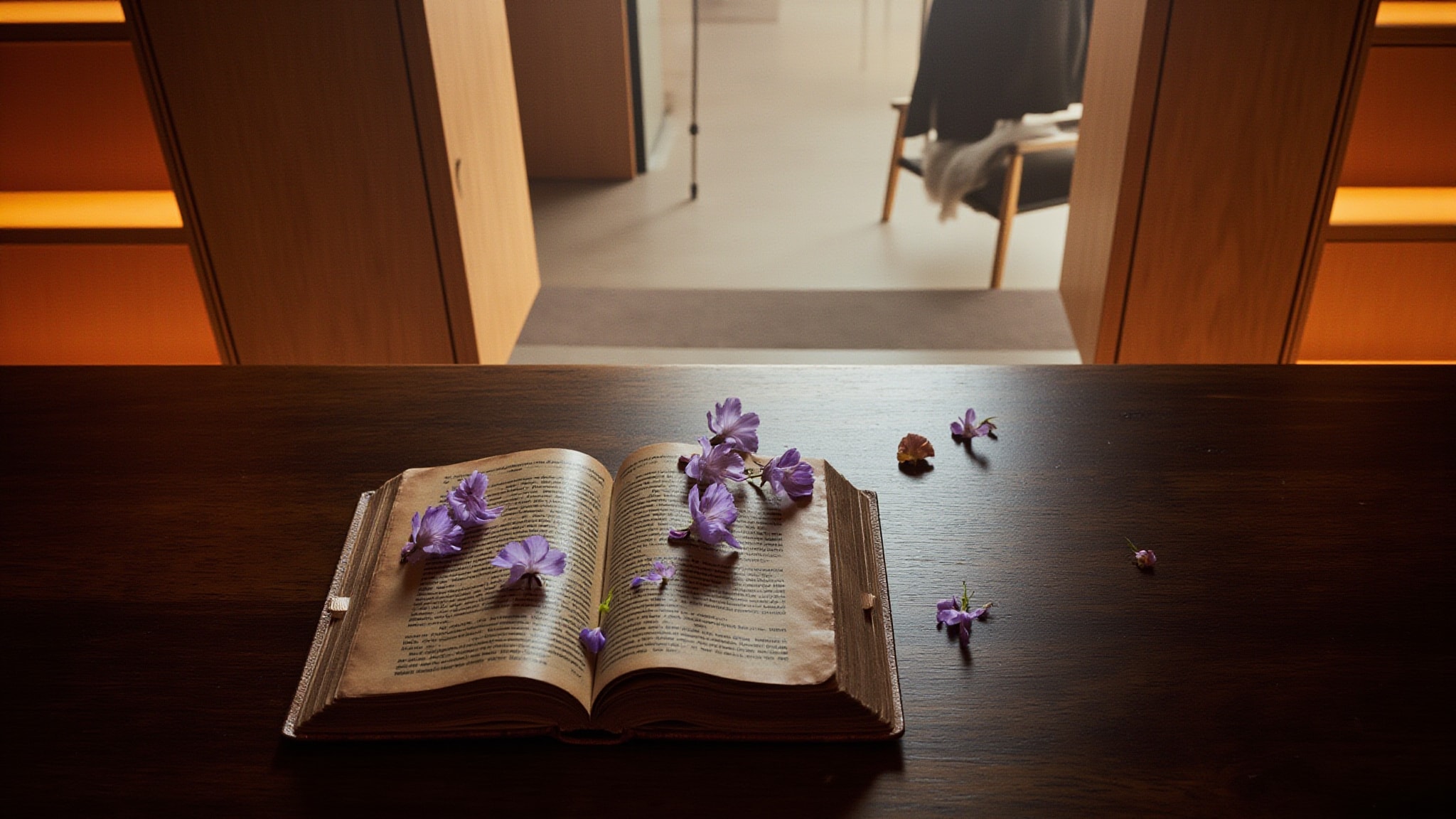
The opening is bright. Bergamot and mimosa arrive together, citrus brightness softened immediately by the honeyed floral. There's no harsh entrance, no sharp edges. The English violet emerges and takes over the composition. This is where the fragrance earns its powdery classification: violet and myrrh together create that soft, slightly sweet dust that feels like pressed flowers in an old book. The cedarwood underneath keeps it grounded, prevents it from floating entirely into abstraction. By the second hour, the base materials arrive and the composition shifts register. Leather and oud bring weight and warmth, resinous, intimate, close to the skin rather than projecting outward. The sillage moderates noticeably at this stage. What was a moderate presence becomes something intimate, personal, almost private.
Cultural impact
Ianthe Oud enters a specific niche: oud compositions for wearers who find traditional oud fragrances too heavy or animalic. The powdery florals, violet, mimosa, function as an entry point, making the oud accessible without eliminating it entirely. This positioning offers an alternative for those drawn to oud's depth but hesitant about its intensity. The fragrance's print inspiration brings a distinctive character drawn from Liberty's design heritage, a visual reference point that informs the scent's composition.