
Heritage
A house, in its own words
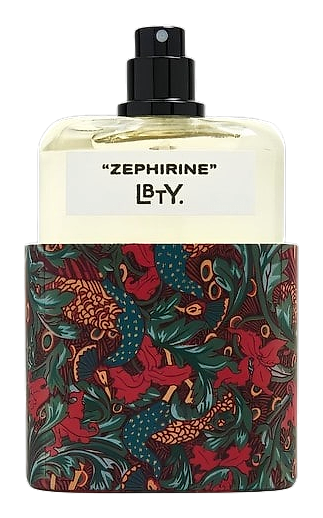
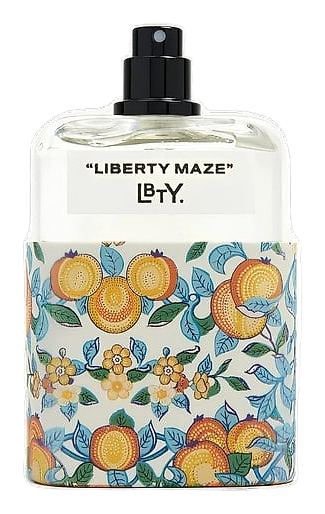
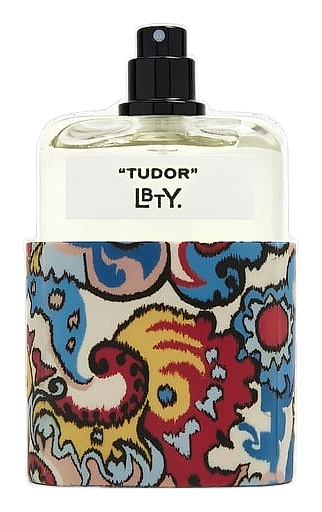
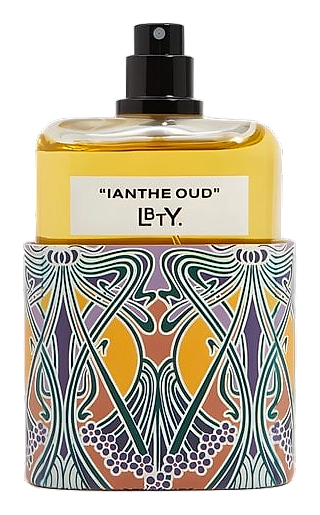
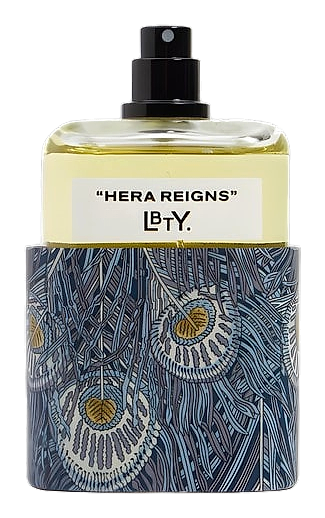
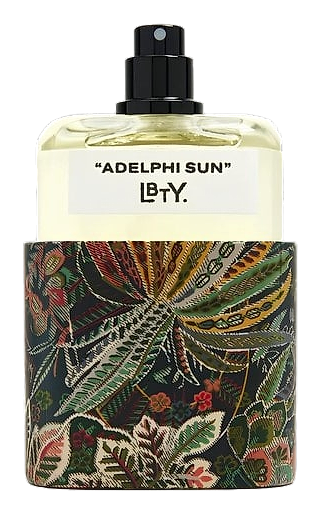
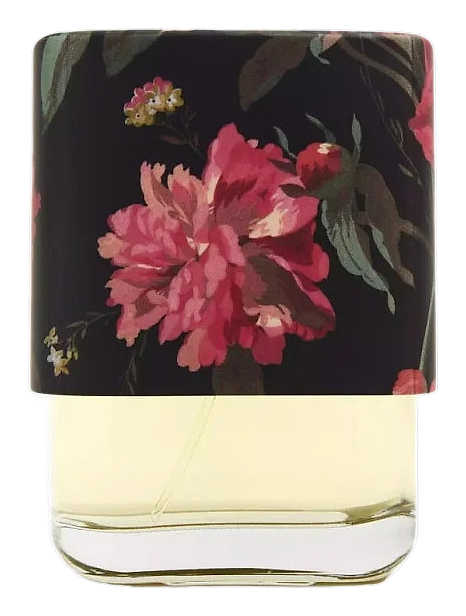
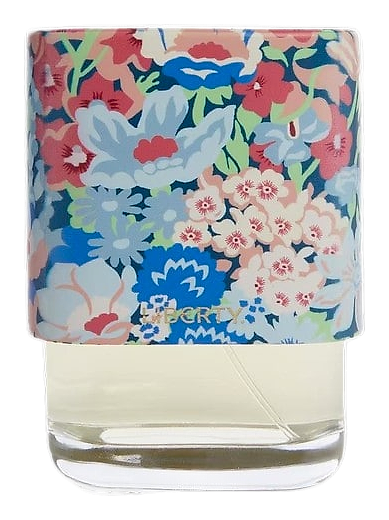
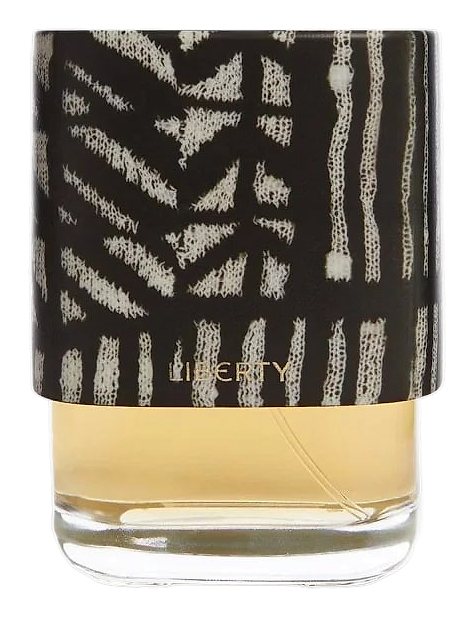
Liberty London traces its origins to 1875, when Arthur Liberty opened a shop on Regent Street specializing in Eastern imports, jewelry, and decorative objects. The store quickly became a destination for those seeking exotic goods unavailable elsewhere in London. Liberty became particularly known for its own line of printed fabrics, commissioning artists and designers to create original patterns that reflected the aesthetic movements of successive decades, from Arts and Crafts to Art Nouveau and beyond. The print archive grew to encompass thousands of designs accumulated over nearly 150 years, many hand-drawn by the brand's in-house artists. In the early twentieth century, Liberty's influence extended to the Bloomsbury Group, with writers and artists including Vanessa Bell and E.M. Forster drawn to its bohemian atmosphere and curated aesthetic. The current flagship store on Great Marlborough Street opened in 1924, designed in the mock-Tudor style that has become synonymous with the brand's identity. For decades, fragrance occupied a minor role in the Liberty offering, with the brand licensing its name to various collaborations. The decision to launch an owned fragrance line in October 2023 marked a return to direct creative control over the category. Rather than simply creating perfumes bearing the Liberty name, the team sought to build a collection that genuinely connected to the brand's archive. The resulting LBTY line maps specific fabric prints to scent compositions, with each fragrance referencing the visual character of a particular Liberty textile design. The launch included five initial scents: Adelphi Sun, Tudor, Zephirine, Liberty Maze, and Wild Rosinda, each developed with independent perfumers rather than produced internally. The line has since expanded to include Liberty 1875, Hera Reigns, Vine Thief, Ianthe Oud, and Tana Meadow. The LBTY line operates on a fundamental premise: Liberty's print archive provides a ready-made vocabulary for fragrance development. Each textile design carries its own aesthetic character, color palette, and historical associations that can inform scent composition. The brand positions perfumers not as technicians executing a brief but as creative interpreters tasked with translating visual patterns into olfactory experience. This approach asks collaborators to consider how a particular print feels, what mood it conveys, and which aromatic materials might embody those qualities. The philosophy emphasizes artistic expression over commercial formula, with each fragrance treated as an independent work rather than a product designed to fit a market segment. Collaboration with external perfumers, including figures such as Pierre Negrin who brought his experience from Tom Ford fragrance development to the Tudor composition, grounds the creative ambition in established expertise. The brand speaks of its fabrics as starting points rather than constraints, with perfumers invited to move beyond literal interpretation toward genuine creative response. This framework suggests a belief that the connection between visual art and scent can yield compositions that feel both distinctive and authentic to Liberty's curatorial heritage. The collection's names directly reference the print archives, reinforcing the idea that wearing an LBTY fragrance is equivalent to wearing a piece of the Liberty legacy.