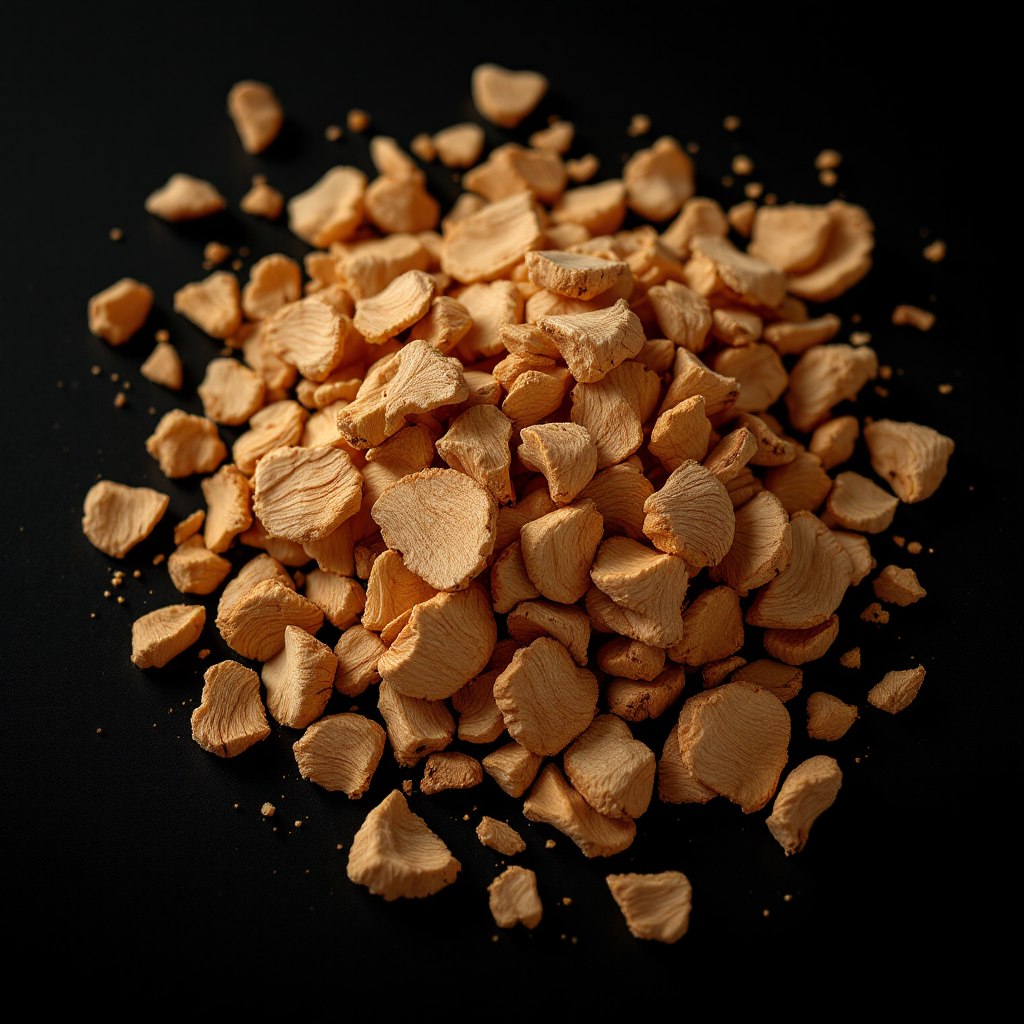
English Oak Wood
Rich, balsamic English oak heartwood yields warm woody depth with vanillic sweetness and subtle boozy facets reminiscent of aged wine barrels.
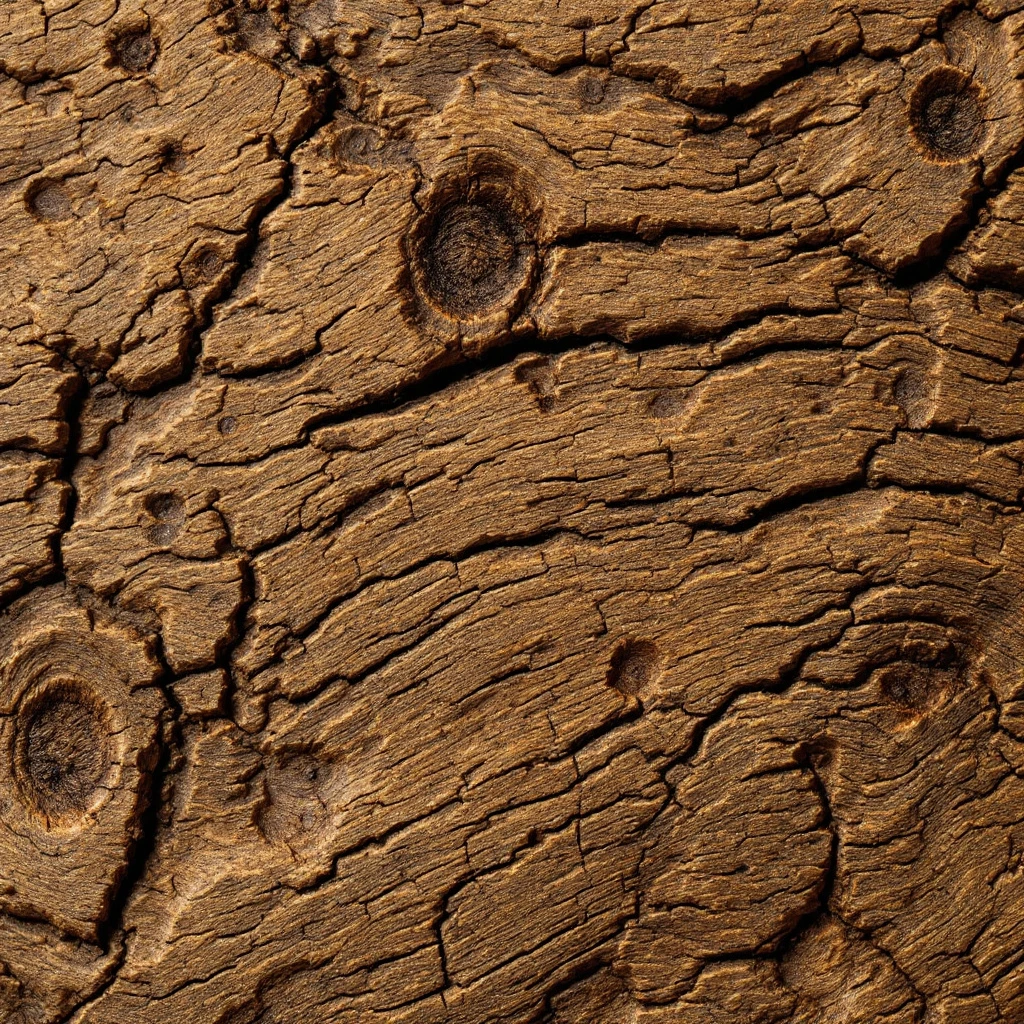
Character
How it smells
Warm English countryside in a bottle.
English oak trees can live for over 1,000 years, with heartwood becoming more aromatic and resinous as they mature.





Origin
United Kingdom
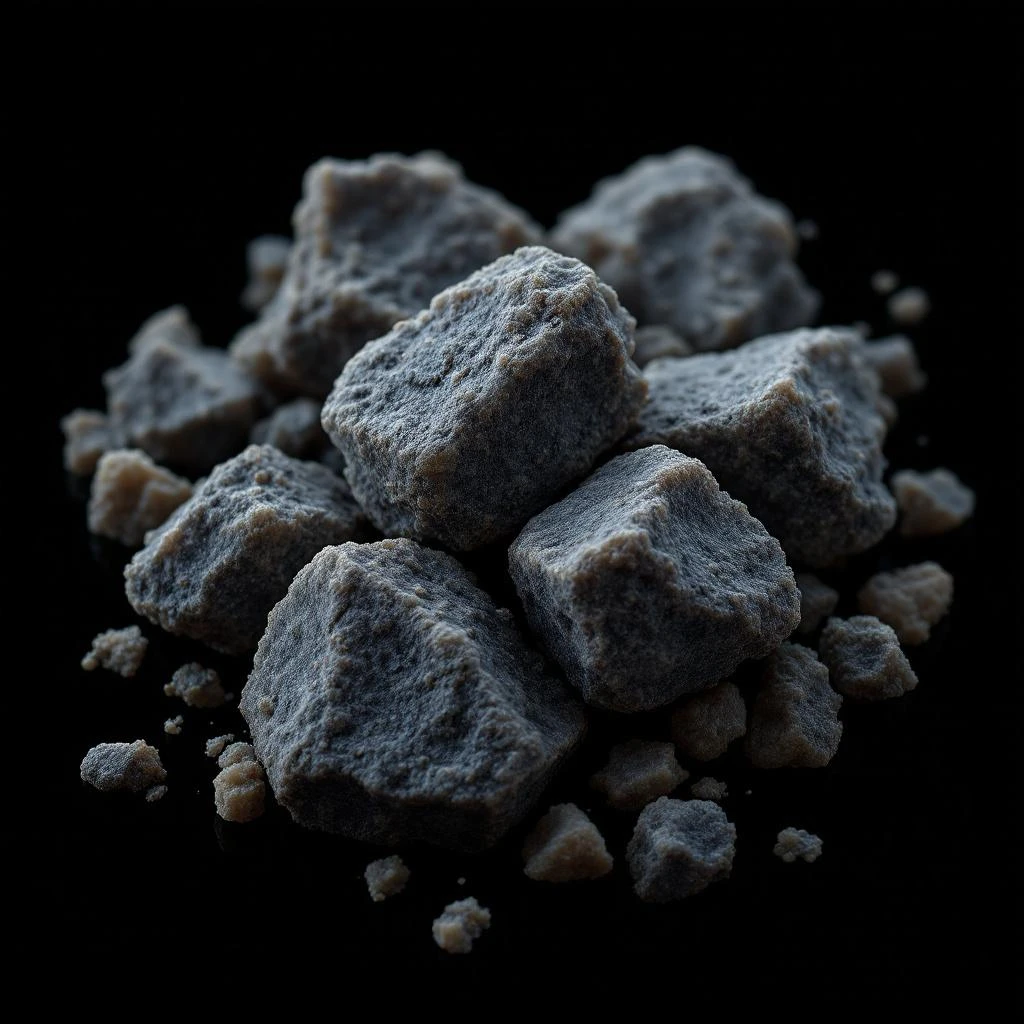
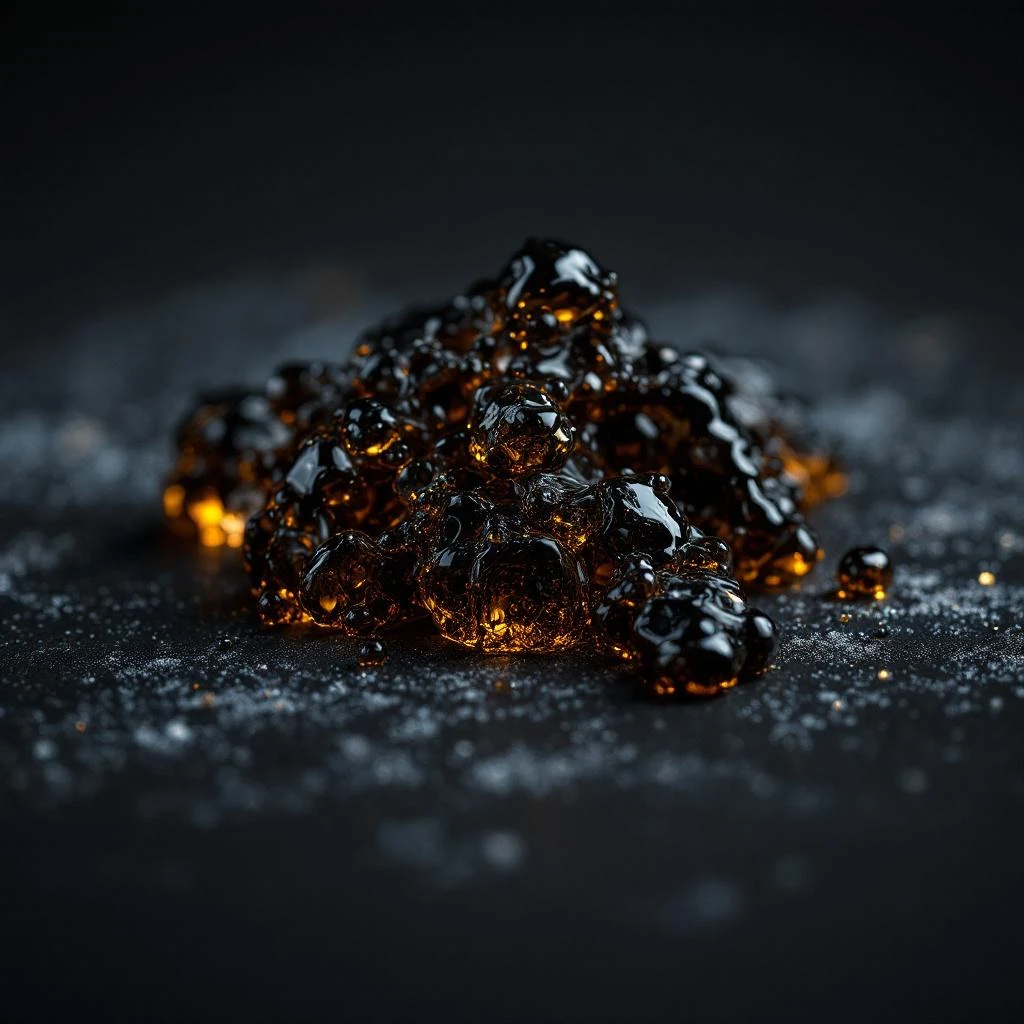
The English oak, Quercus robur, has shaped British history as much as British culture has shaped it. From the timber that built the Royal Navy's warships to the barrels that aged the finest wines and brandies, English oak has been woven into the nation's identity for millennia. Its aromatic presence in perfumery emerged naturally from the wine and spirits industry—perfumers noticed that spirits aged in oak casks developed extraordinary complexity, and sought to capture that essence directly.
English perfumers in particular embraced oak wood as a native base material, celebrating its cooler-climate character as distinct from Mediterranean cypress or Asian sandalwood. Today, English Oak Wood represents a return to local, sustainable perfumery ingredients, honoring both the tree's heritage and modern ecological sensibilities.
Wears it best
Fragrances featuring English Oak Wood
Brands
Brands known for English Oak Wood
Good to know
Questions, answered
The essentials on English Oak Wood in perfumery: how it smells, where it comes from, and how it behaves on skin.
What does English Oak Wood smell like?
English Oak Wood delivers warm, balsamic woody depth with vanillic undertones and subtle boozy facets. Think aged cognac or Madeira wine—it adds rounded warmth to fragrance foundations rather than sharp cedar character.
How is English Oak Wood different from oak moss?
Oak moss is actually a lichen growing on oak bark, producing earthy, forest-floor aromas. English Oak Wood comes from the tree's heartwood itself, offering sweeter vanillic and boozy notes instead of moss's verdant intensity.
Is English Oak Wood a natural or synthetic ingredient?
English Oak Wood is entirely natural. Perfumers source dried heartwood shavings from English oak trees (Quercus robur) and extract the aromatic compounds through tincturing or CO2 supercritical extraction.
Where does Silloria source its English Oak Wood?
Primary sourcing regions include traditional English woodland areas and sustainable managed forests across the United Kingdom, where Quercus robur has grown for centuries.
What fragrance families pair well with English Oak Wood?
English Oak Wood anchors woody, oriental, and chypre compositions. It complements leather notes, spices like cinnamon and cardamom, and pairs beautifully with creamy sandalwood or smoky vetiver.
Does English Oak Wood perform differently from synthetic oak notes?
Natural English Oak Wood offers multidimensional character that synthetics struggle to replicate—subtle variations in sweetness and boozy nuance shift throughout the dry-down, creating organic depth synthetics cannot match.
How long does English Oak Wood last in a fragrance composition?
As a base note, English Oak Wood typically anchors a fragrance for 6-10 hours on skin, with its warm, vanillic character becoming more pronounced as top notes fade.
What extraction technique preserves English Oak Wood's boozy facets best?
Traditional tincturing in high-proof spirit captures those distinctive rum and wine-like boozy facets most effectively. CO2 extraction preserves freshness but slightly mutes the fermented character.