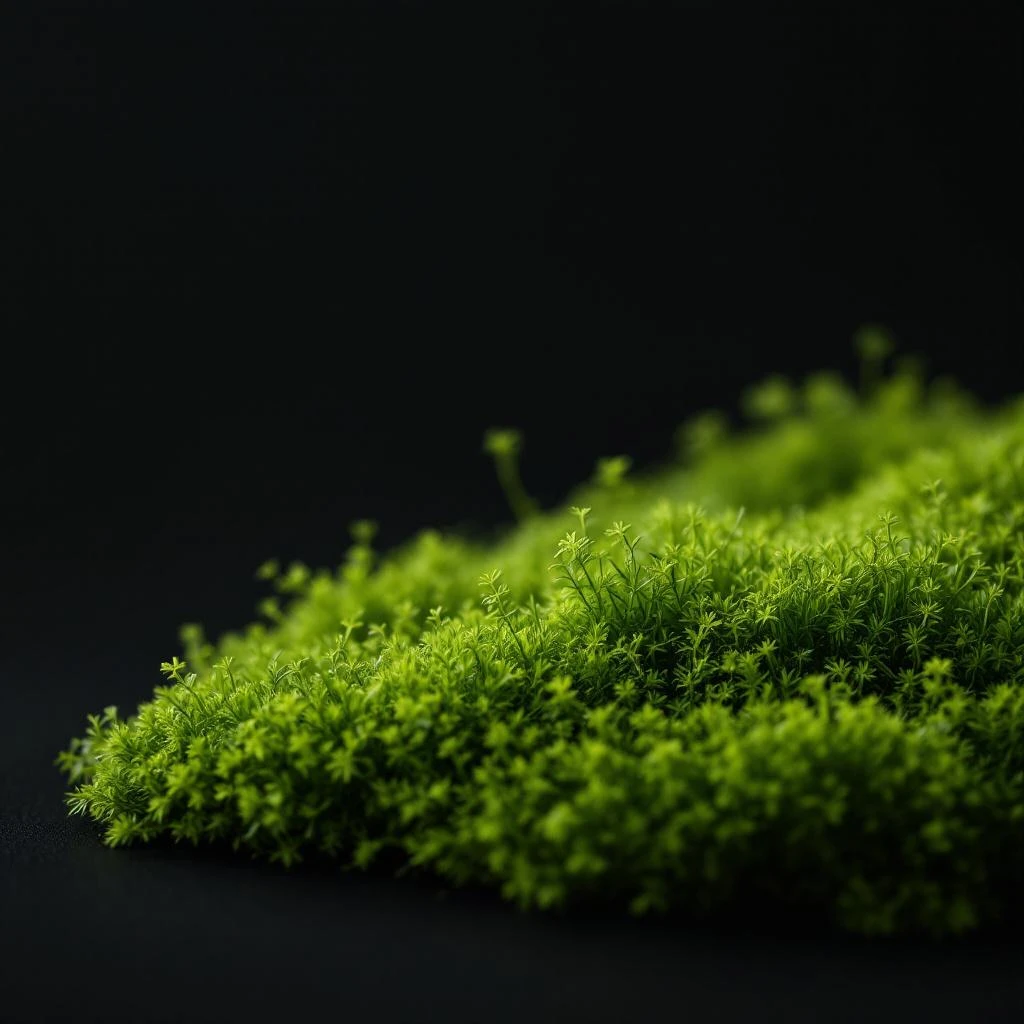
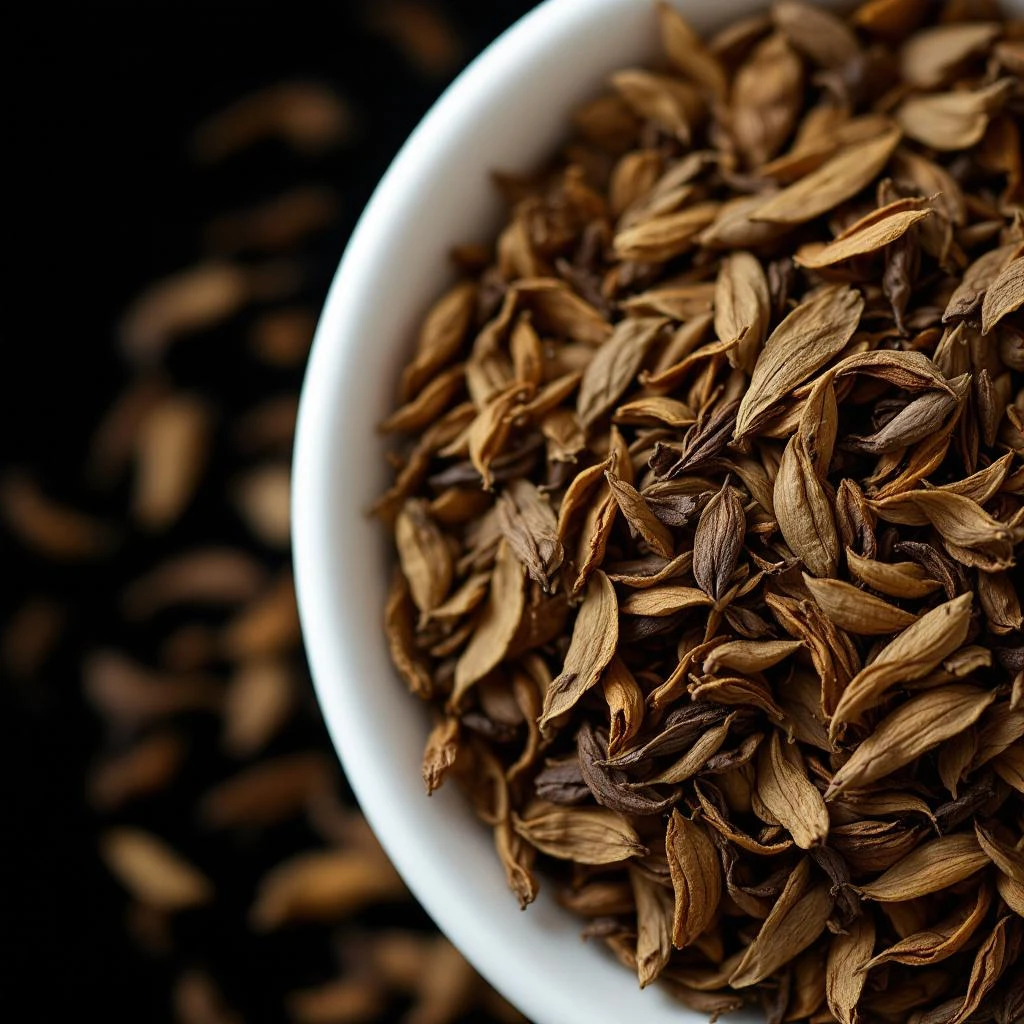
Elephant Grass
A dry, grassy note with a whisper of citrus and earth, shaped by the tall tropical reed known for its distinctive elephantine perfume.
Character
How it smells
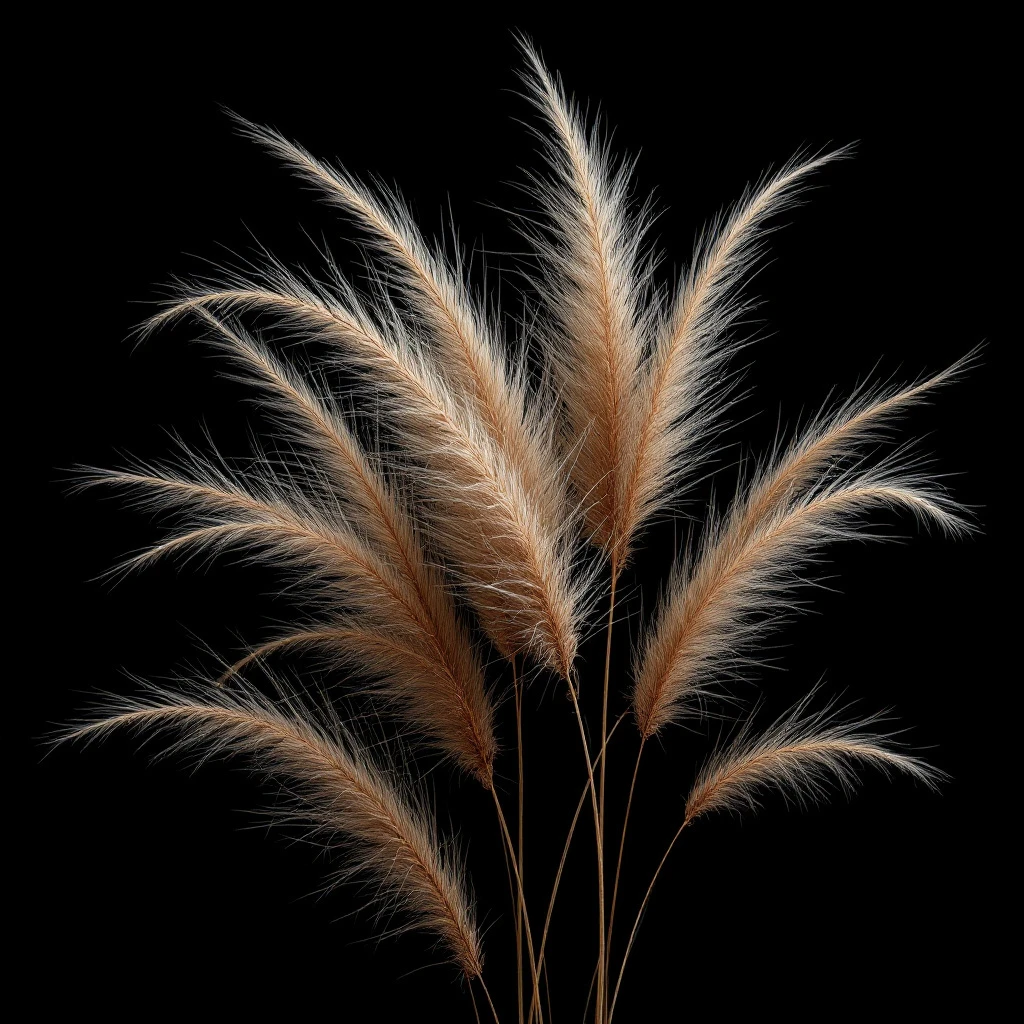
Tall grass, dry earth, and a flicker of citrus.
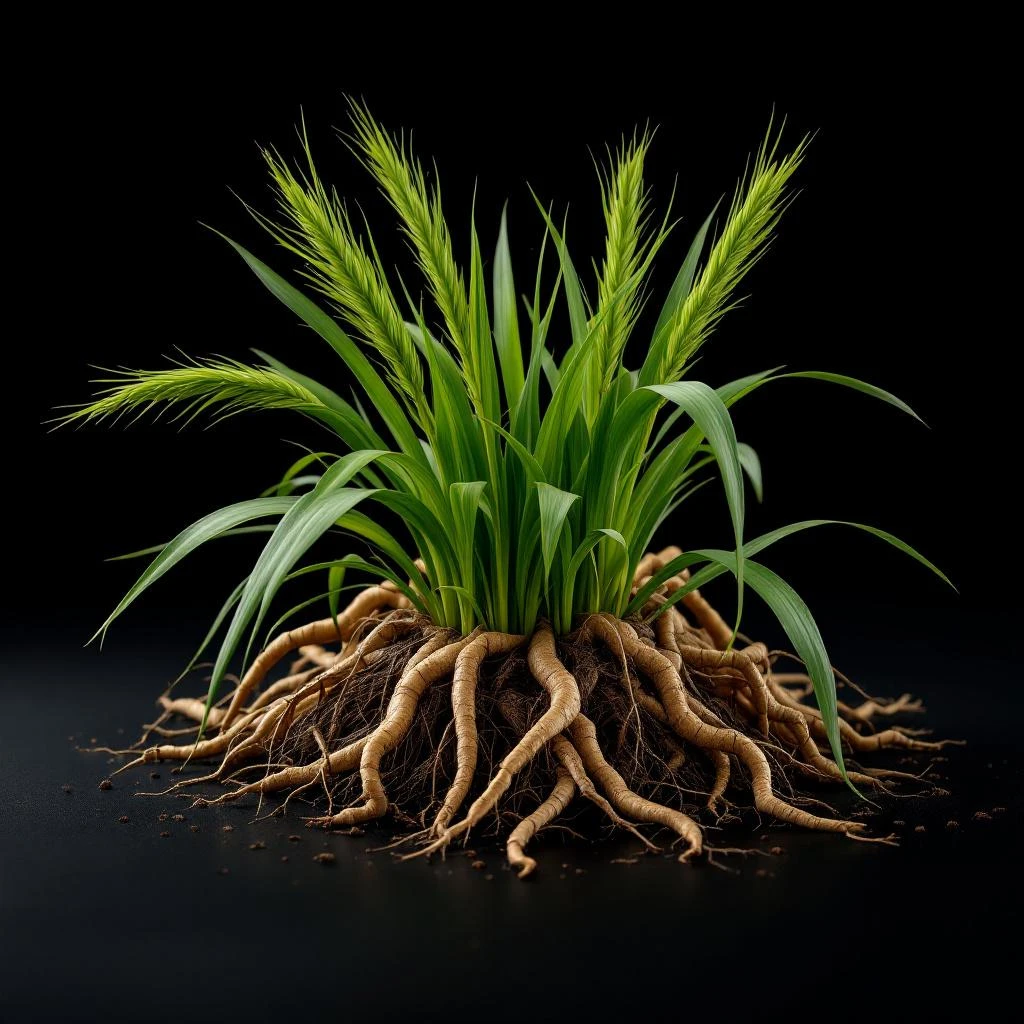
Elephant grass can grow over 10 feet tall and spreads through underground rhizomes, earning it a reputation as one of the world's most vigorous grasses.
Origin
Kenya
Elephant grass has a long history in Africa, where its fibrous leaves were valued for thatching, weaving, and fencing. The plant also carries cultural associations with elephants, which feed on its rough foliage and help shape the image of savanna landscapes. Its move into fragrant use came later, as modern perfumery began searching for materials that could suggest dry grassland, fresh vegetation, and the clean scent of rain on leaves.
Ancient perfume traditions in Mesopotamia and Egypt relied heavily on resins, oils, and flowers rather than grasses, so elephant grass represents a more recent chapter in the expansion of perfumery's plant vocabulary. Today, it appears in compositions that want a green edge without heavy sweetness.
Wears it best
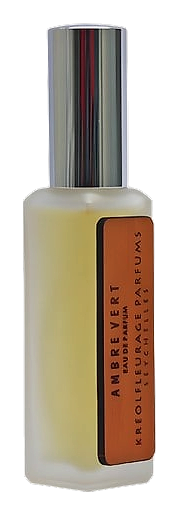
Fragrances featuring Elephant Grass
Brands
Brands known for Elephant Grass
Good to know
Questions, answered
The essentials on Elephant Grass in perfumery: how it smells, where it comes from, and how it behaves on skin.
What does elephant grass smell like in perfume?
Elephant grass contributes a dry, green, herbaceous note with light citrus and earthy undertones. It reads as fresh-cut grass and sun-warmed vegetation rather than a sweet floral scent.
Is elephant grass a real perfume ingredient?
Yes, though it is often used as a fragrance accord rather than a single extracted material. Modern elephant grass accords may combine natural-derived and synthetic molecules to create a consistent dry-grassy character.
Where does elephant grass come from?
Elephant grass, or Napier grass, originates in tropical Africa and grows widely across the continent. Kenya and other East African regions remain important areas for its cultivation.
Why is it called elephant grass?
The plant is named for the large elephants that browse its tall, rough leaves. Its stems can reach over 10 feet, giving it a distinctive presence in savanna landscapes.
Is elephant grass used in traditional African perfumery?
Traditional African fragrance practices favored resins, woods, roots, flowers, and animal materials, so elephant grass was not historically central. Its perfumery role emerged much later through modern green accords.
How is elephant grass processed for fragrance use?
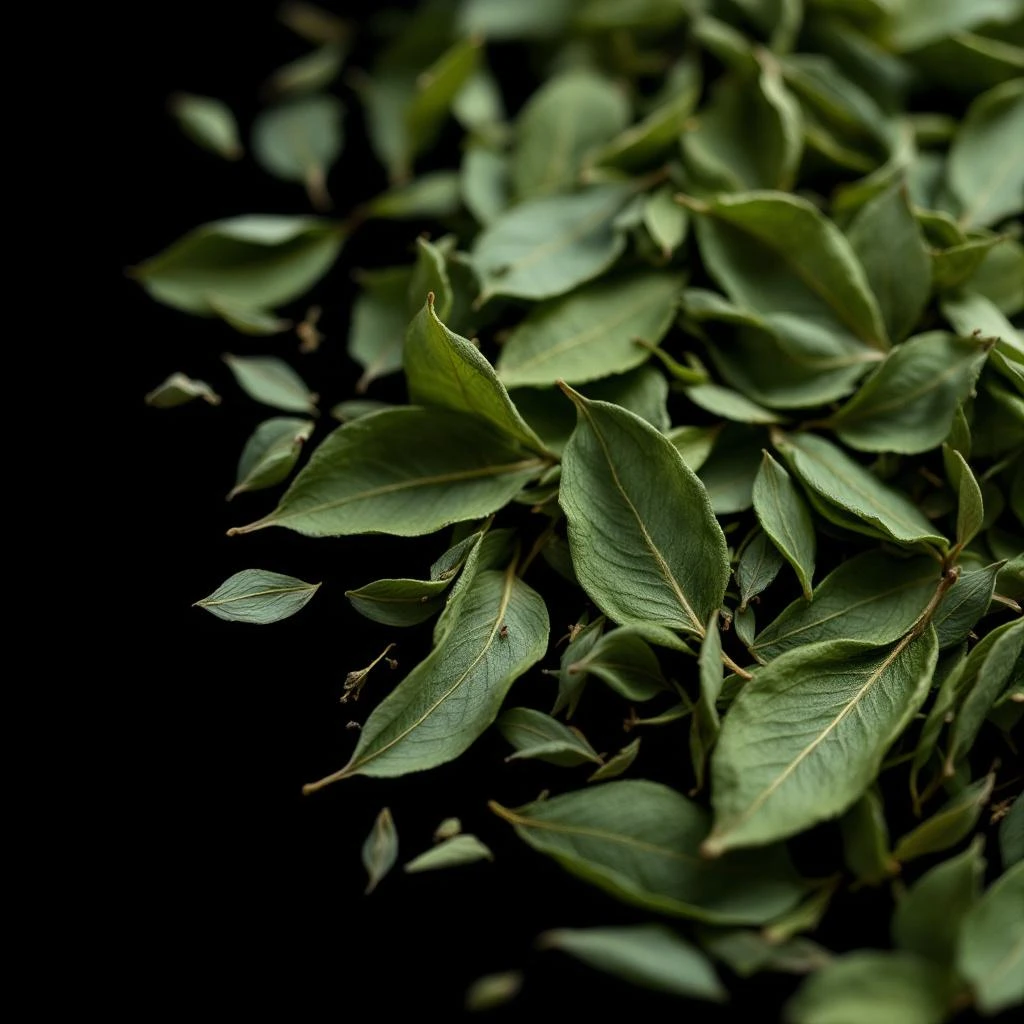
Harvested leaves and stems can be processed through solvent extraction to capture their aromatic compounds. Because yields vary, perfumers frequently build the note using standardized aroma molecules.
What fragrance families suit elephant grass?
Elephant grass works well in fresh, green, and citrus compositions. It adds a dry herbaceous edge to aromatic and woody fragrances, and it can soften sharper citrus notes.
Is elephant grass invasive?
Yes, outside its native range it can spread aggressively through underground rhizomes. Responsible cultivation and sourcing help limit its impact on local ecosystems.