Takamaka
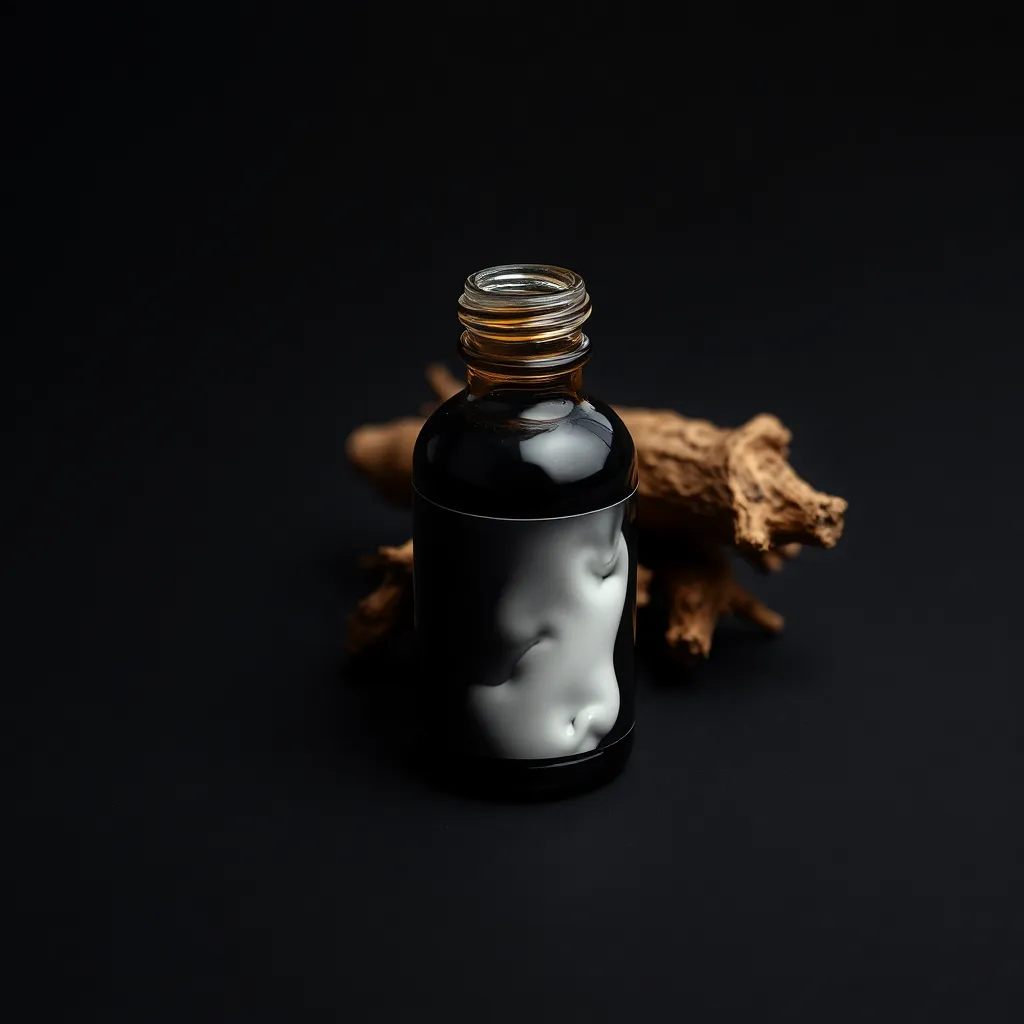
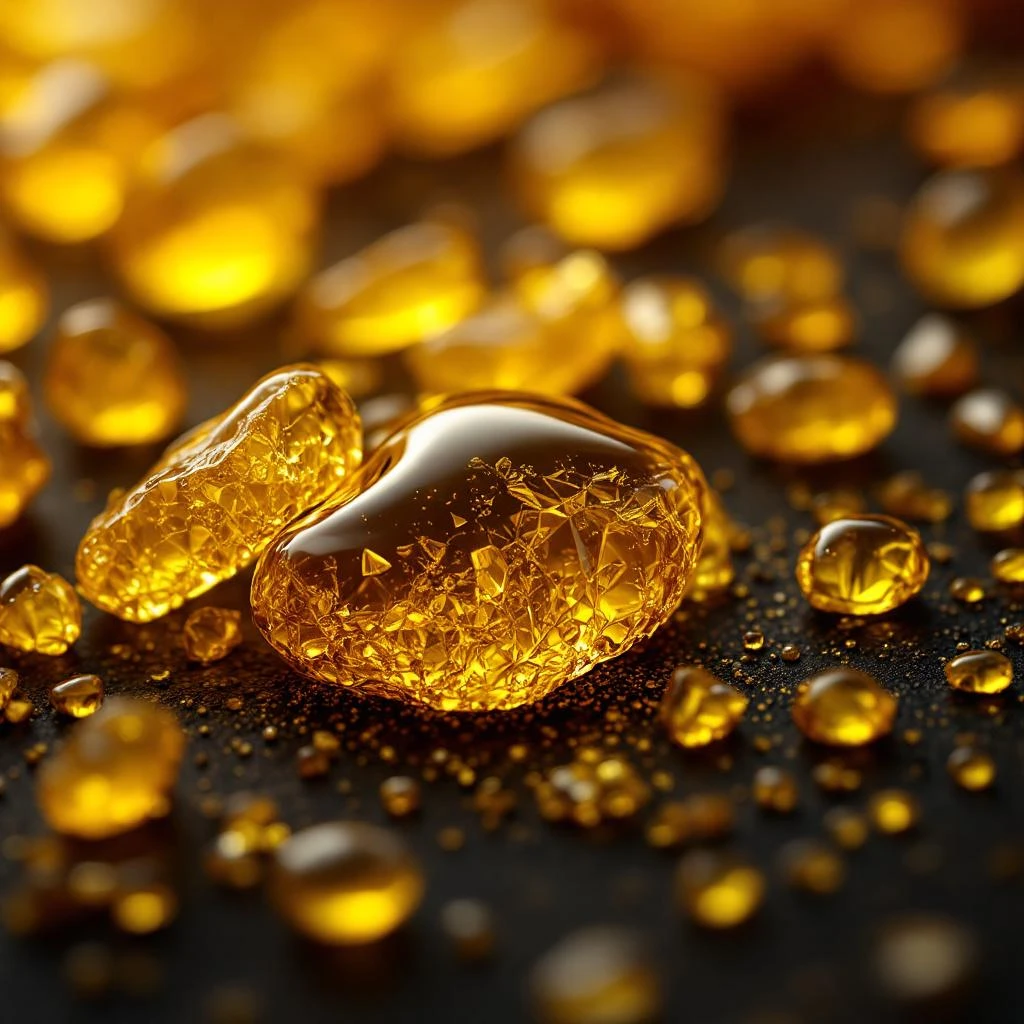
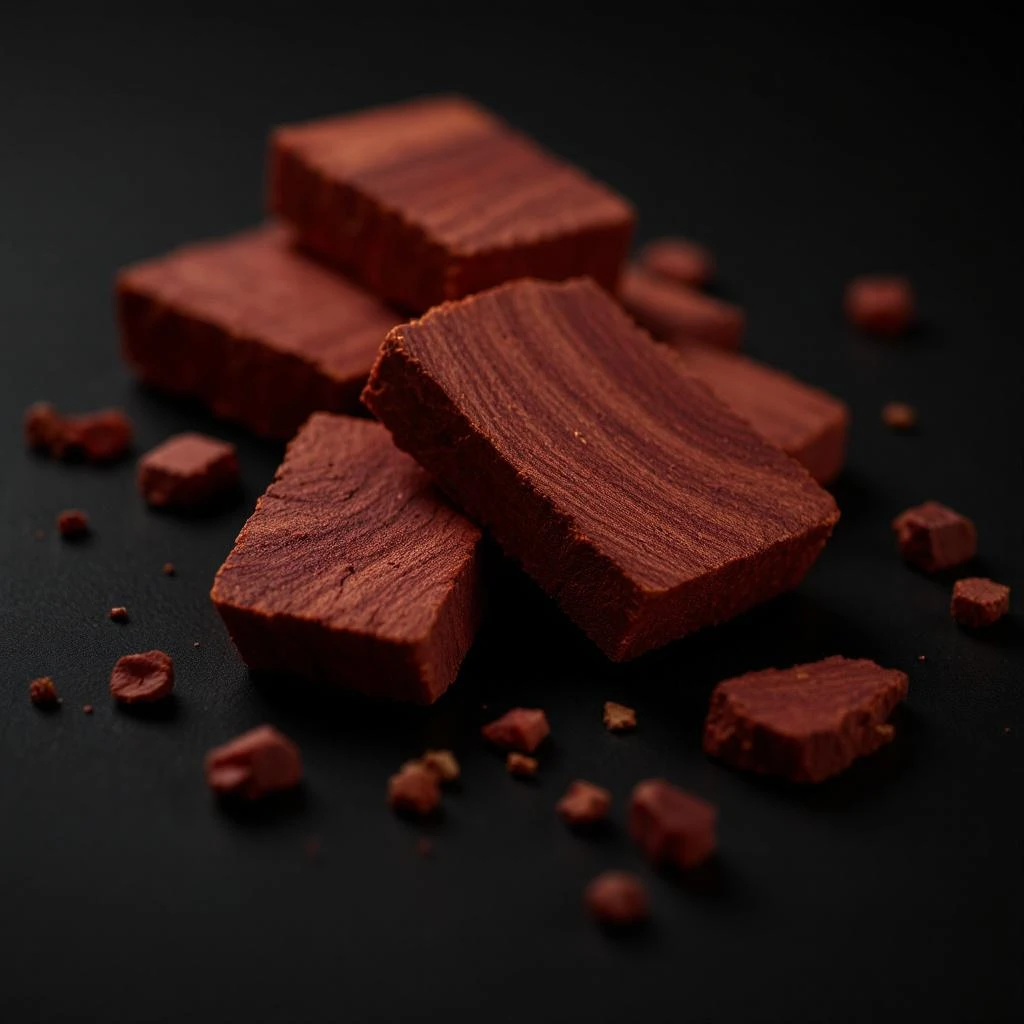
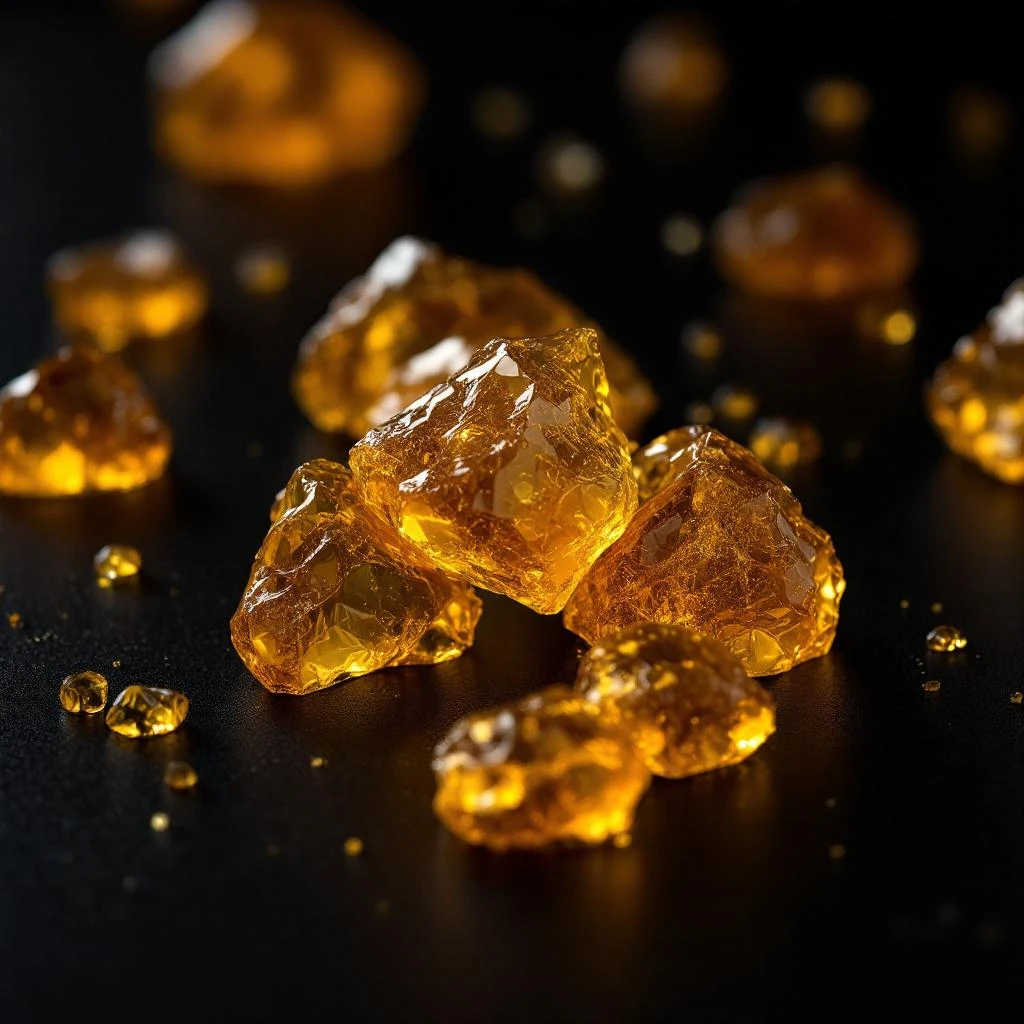
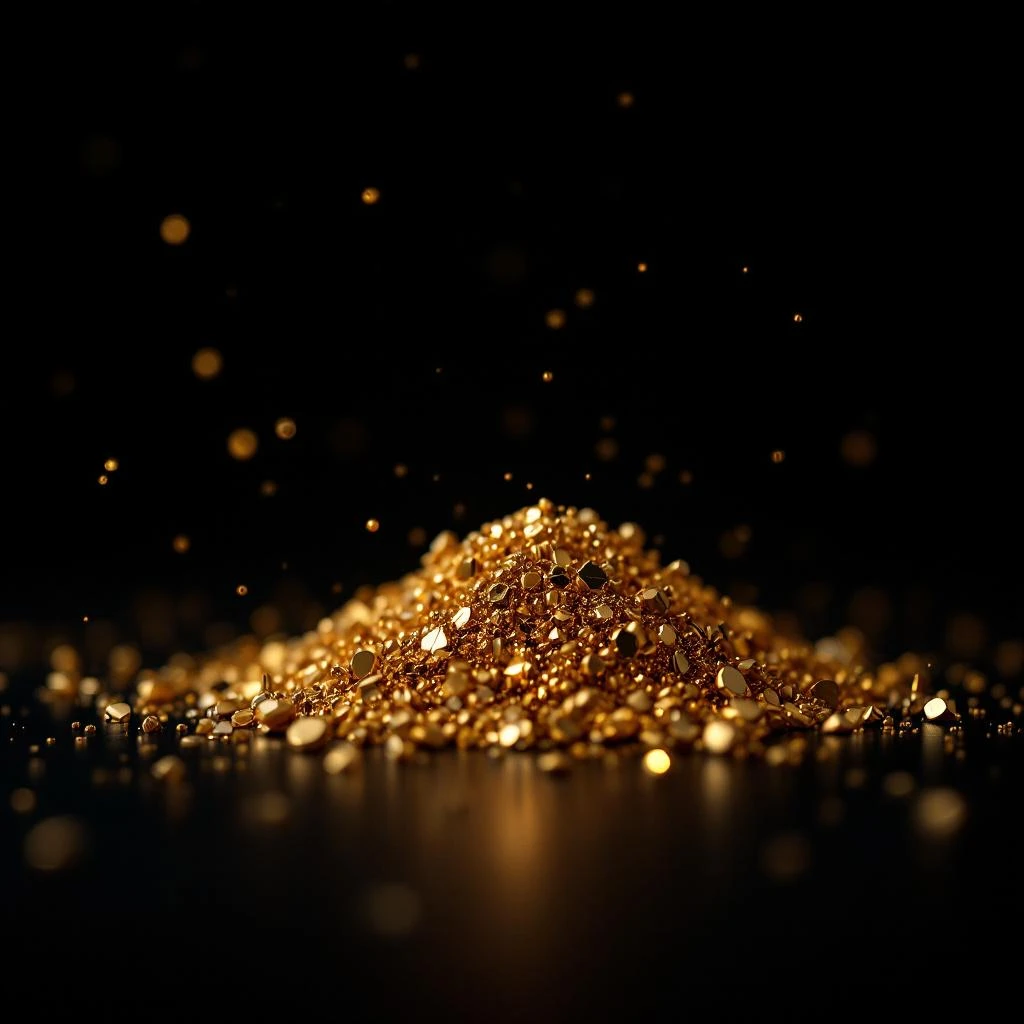
Takamaka resin, known as tacamahac, is a rare botanical material prized for its balsamic, warm, resinous character. Historically valued as a fixative and base note, this ingredient adds depth and longevity to rare fragrance compositions. Its use has diminished in modern perfumery due to sourcing challenges.
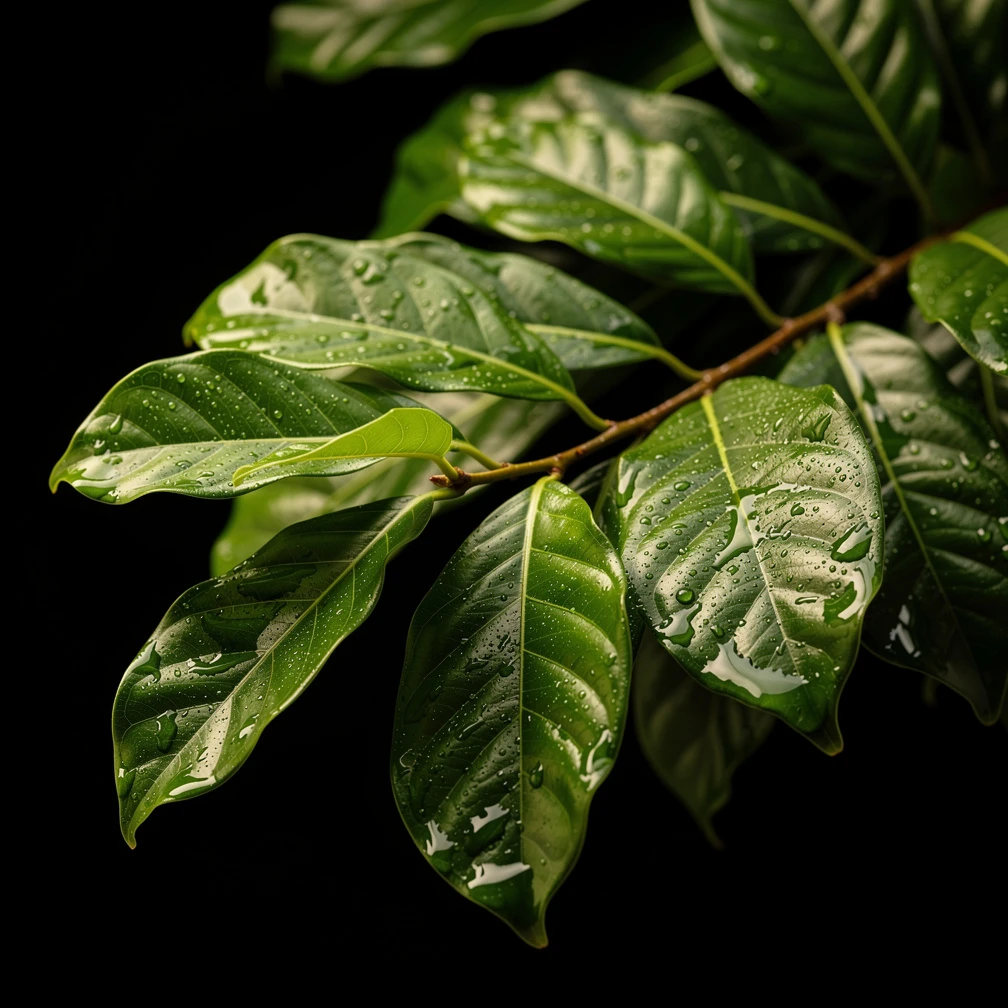
Character
How it smells
A rare Indian Ocean resin with warm, balsamic depth.
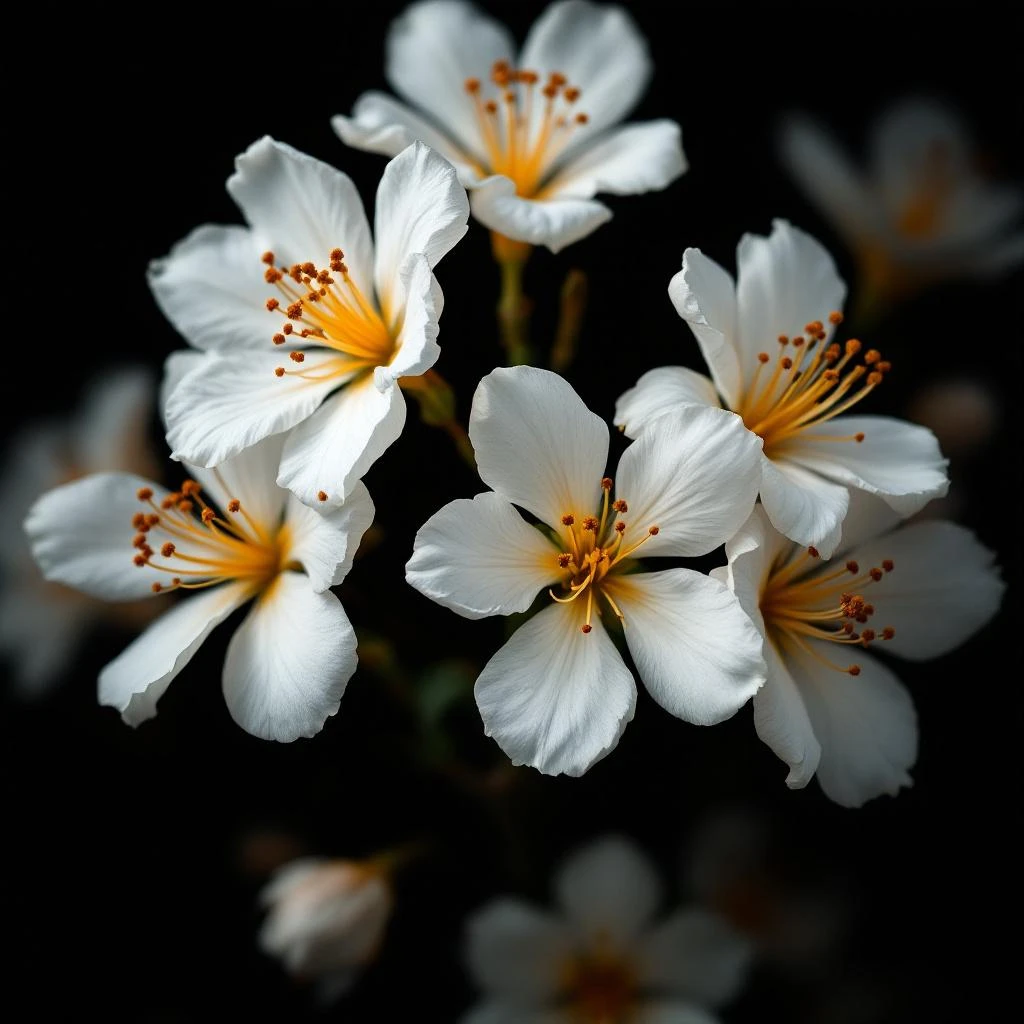
The takamaka tree holds sacred significance in Polynesian cultures, where tamanu oil extracted from its nuts was traditionally used for ceremonial body anointing.

Origin
Madagascar
Takamaka resin carries a centuries-long legacy in traditional fragrance-making across the Indian Ocean region. Documented references to tacamahac appear in 18th-century European perfumery texts, where it was prized alongside storax, benzoin, and opoponax as a fixative base. Colonial traders actively sourced aromatic resins from Madagascar and the Mascarene Islands, shipping them to perfume houses in France and England.
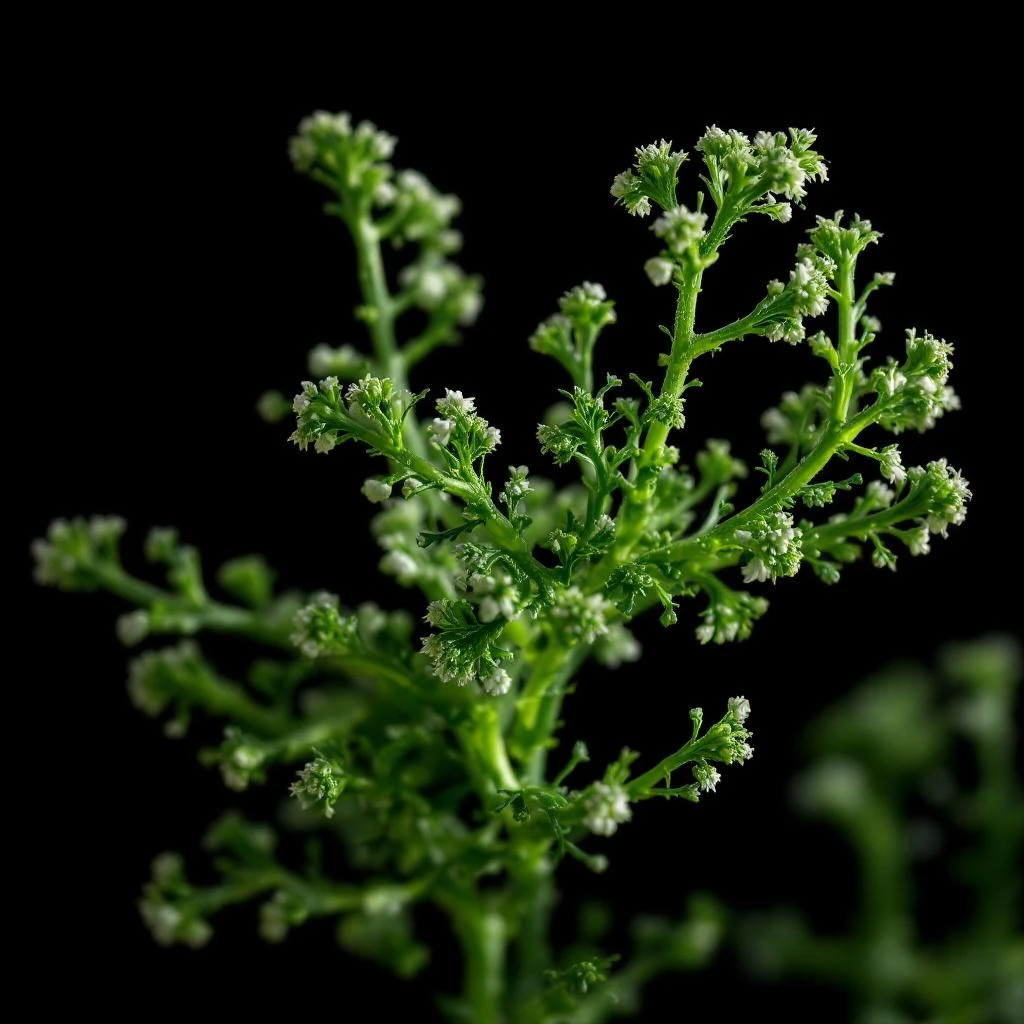
Within island cultures of the Indian Ocean and Pacific, the takamaka tree held ceremonial importance beyond fragrance applications. Communities utilized the resin for incense and spiritual grounding rituals, while tamanu oil served medicinal and cosmetic purposes. Early European observers recorded the tree features prominently in local healing traditions, establishing bark incisions specifically to harvest the precious gum.
Traditional perfumery drew inspiration from diverse resin traditions spanning the ancient and medieval worlds. Like frankincense in Arabian perfumeaking or copal in Mesoamerican ceremonies, tacamahac represented a cultural bridge between botanical origins and crafted fragrance. Its warm, persistent scent anchored compositions designed for both personal application and sacred space.
The rise of modern synthetic aromatics in the early 20th century displaced rare natural materials like tacamahac from mainstream perfumery. As fragrance production scaled industrially, accessible ingredients replaced difficult-to-source botanicals. Traditional knowledge of tacamahac harvesting gradually faded in commercial contexts, preserved only among communities maintaining heritage practices and dedicated natural perfumers working with small-batch ingredients.
Wears it best
Fragrances featuring Takamaka
Brands
Brands known for Takamaka
Good to know
Questions, answered
The essentials on Takamaka in perfumery: how it smells, where it comes from, and how it behaves on skin.
What does Takamaka smell like in perfume?
Takamaka resin offers warm, balsamic, resinous warmth with subtle spiced undertones and faint vanillic sweetness. Its aromatic character falls between opoponax and elemi, delivering long-lasting depth appropriate for base note construction. The scent profile includes faint medicinal and smoky facets that contribute complexity to fragrance compositions. Rarity limits direct experience to specialist perfumery circles rather than mainstream consumers.
Why is Takamaka used in perfumery?
Takamaka resin functions as a natural fixative in perfumery, extending the longevity of lighter top and heart notes. Its warm, persistent character creates an olfactory foundation enhancing the overall sillage and wear time of fragrance compositions. Perfumers value it for adding depth, resinous warmth, and natural complexity that synthetic materials struggle to reproduce authentically.
Is Takamaka in perfume natural or synthetic?
Authentic Takamaka resin is entirely natural, harvested from Calophyllum inophyllum through traditional bark incision methods. However, this ingredient remains so uncommon in contemporary supply chains that most commercial fragrances using descriptors like 'tacamahac' rely on synthetic aroma compounds approximating the effect. Seek specialty or natural perfumery houses for authentic material.
What famous perfumes contain Takamaka?
Takamaka resin does not appear in the ingredient lists of widely marketed commercial perfumes due to sourcing rarity. This material exists primarily in niche fragrance collections from artisan perfumers committed to rare natural ingredients. No major designer fragrance publicly lists tacamahac among its components, making authentic references difficult to confirm.
Is Takamaka a top note, heart note, or base note?
Takamaka resin functions as a base note in perfumery, providing the enduring foundation that anchors a fragrance composition. Its heavy molecular structure creates low volatility, meaning the scent lingers on skin for hours rather than minutes. Base notes like tacamahac also serve structural roles, impacting how heart and top notes unfold over time.
What notes pair well with Takamaka in perfume?
Takamaka pairs naturally with complementary resinous materials including frankincense, myrrh, labdanum, benzoin, and storax. Warm woodsy companions such as sandalwood, vetiver, and cedar enhance its depth. Subtle spice bridges like cardamom and pink pepper integrate its balsamic character, while vanillic materials amplify its sweet undertones.
How is Takamaka extracted?
Takamaka resin, called tacamahac, undergoes extraction through careful bark incision on the living Calophyllum inophyllum tree. Artisans make precise cuts into the trunk, allowing the gum to slowly exude for several days before collection. The associated tamanu oil derives from cold-pressing the tree's edible nut kernels, though this byproduct targets cosmetic rather than fragrance applications.
Is Takamaka used in men's or women's fragrances?
Takamaka resin carries no inherent gender association in perfumery. Its warm, resinous, balsamic qualities serve both masculine and unisex fragrance constructions effectively. Niche workshops utilizing this material often position it within gender-neutral compositions emphasizing natural ingredients over categorical marketing. The decision ultimately reflects perfumer intent rather than the material itself.