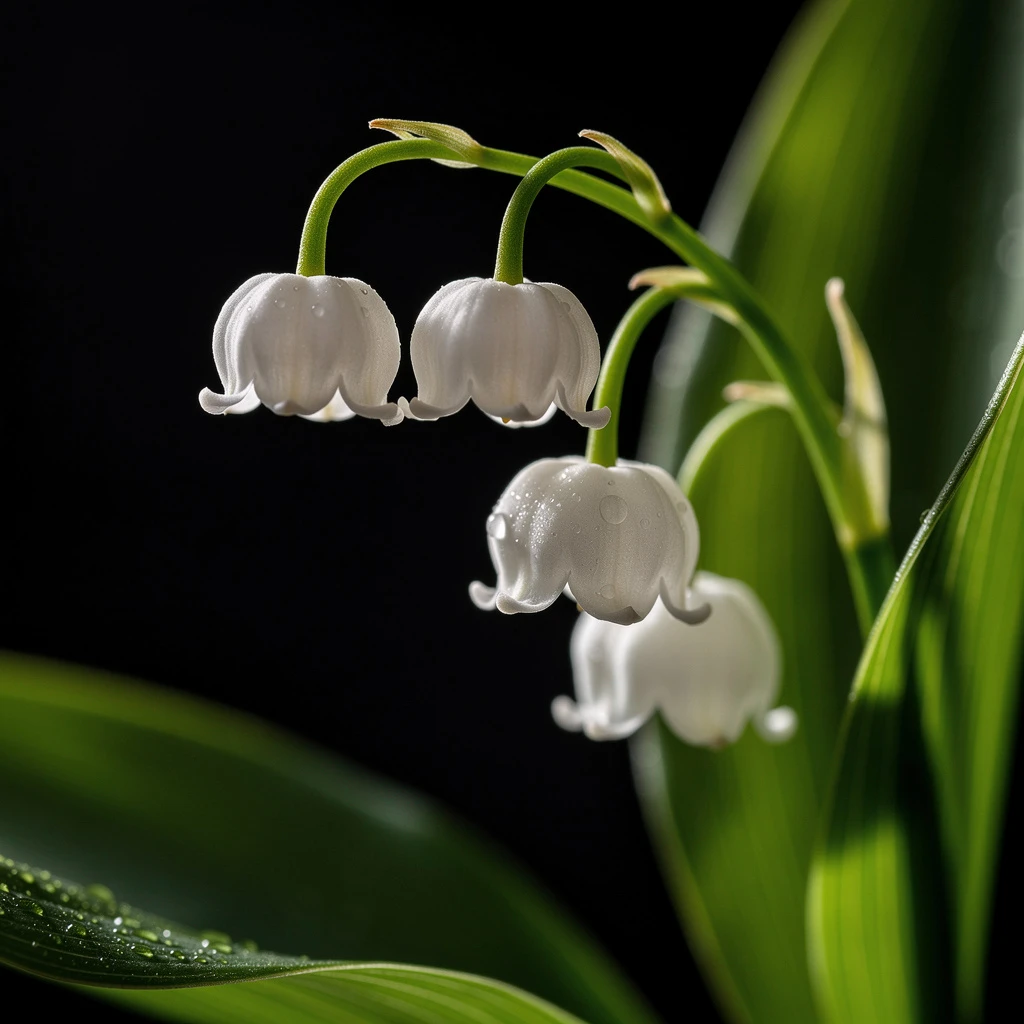
Elemodor
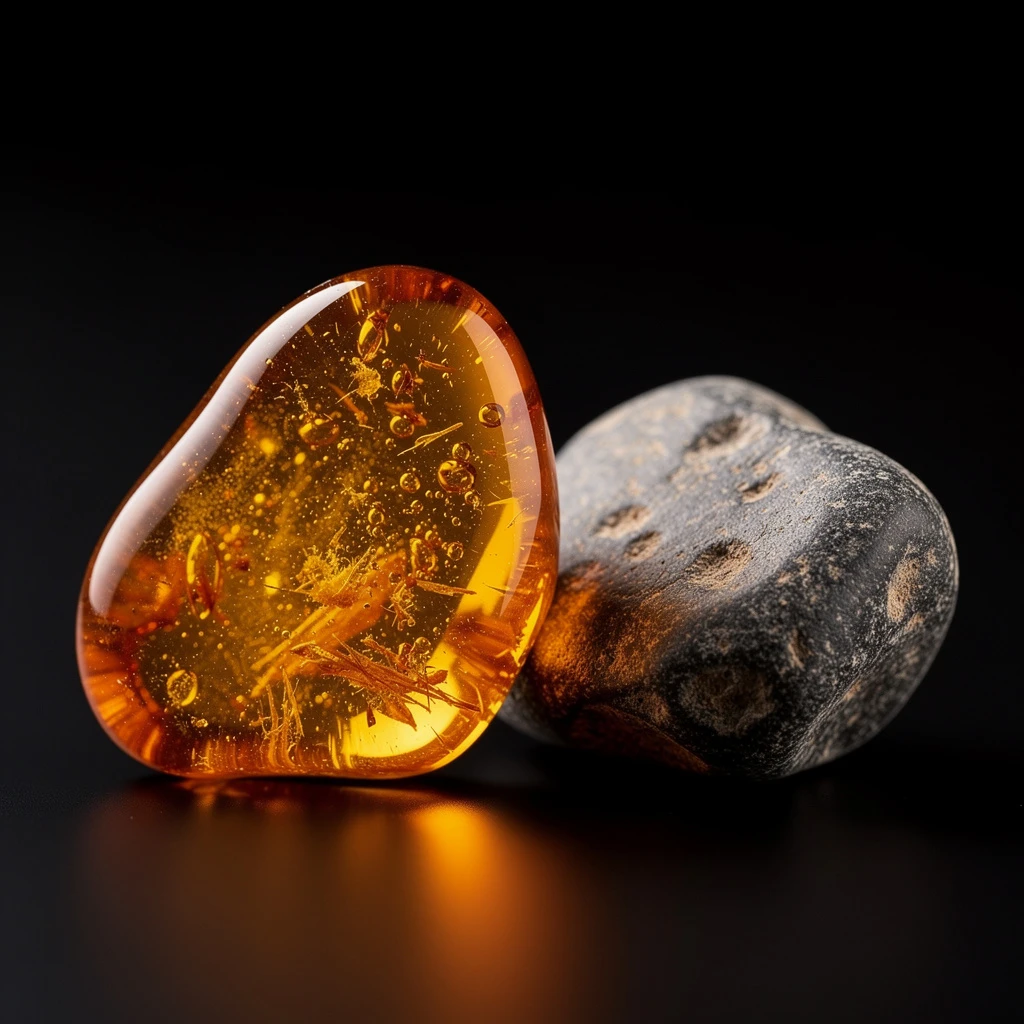
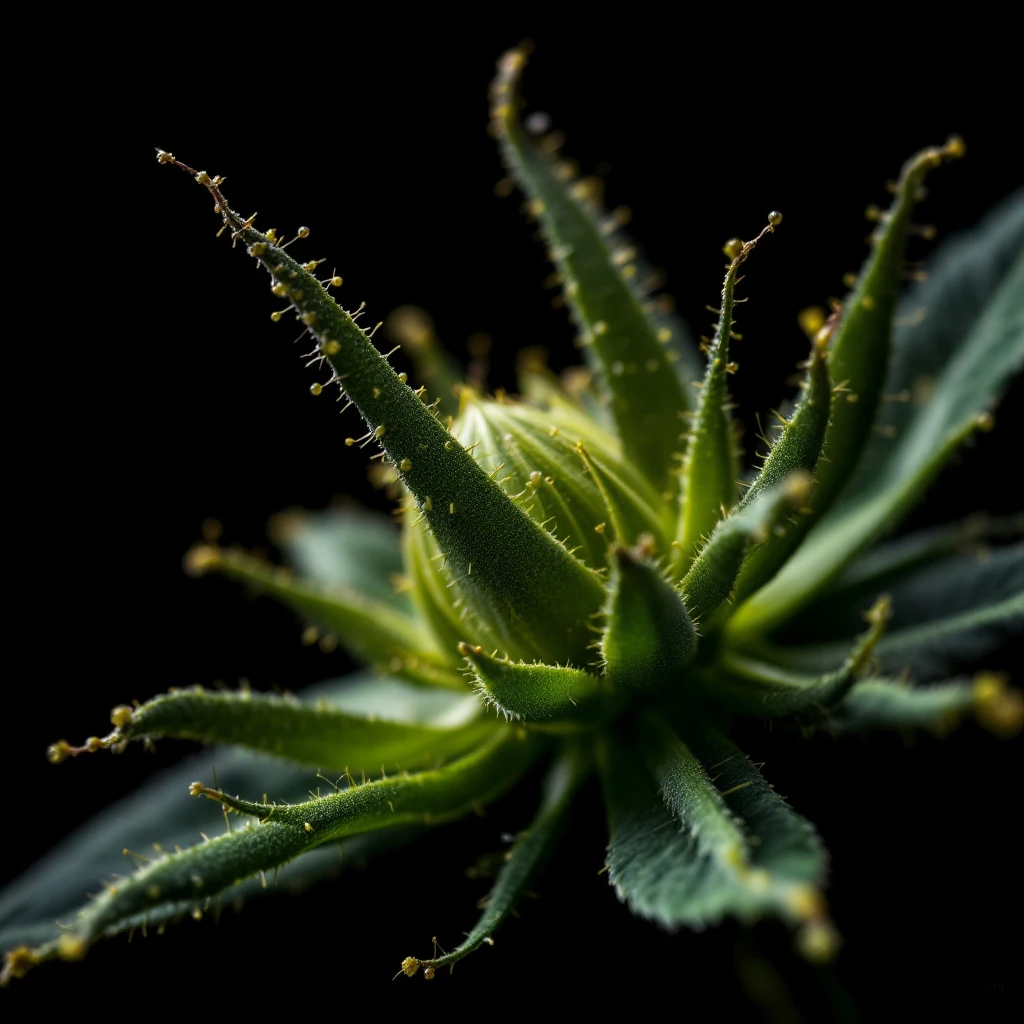
Elemodor (Elemi) is a bright, resinous note harvested from the Philippine Canarium luzonicum tree. Its scent fuses fresh citrus, peppery spice, and a soft pine-like warmth that bridges herbal and woody families in modern perfumery.
Character
How it smells
Philippine resin with a citrus-pepper soul
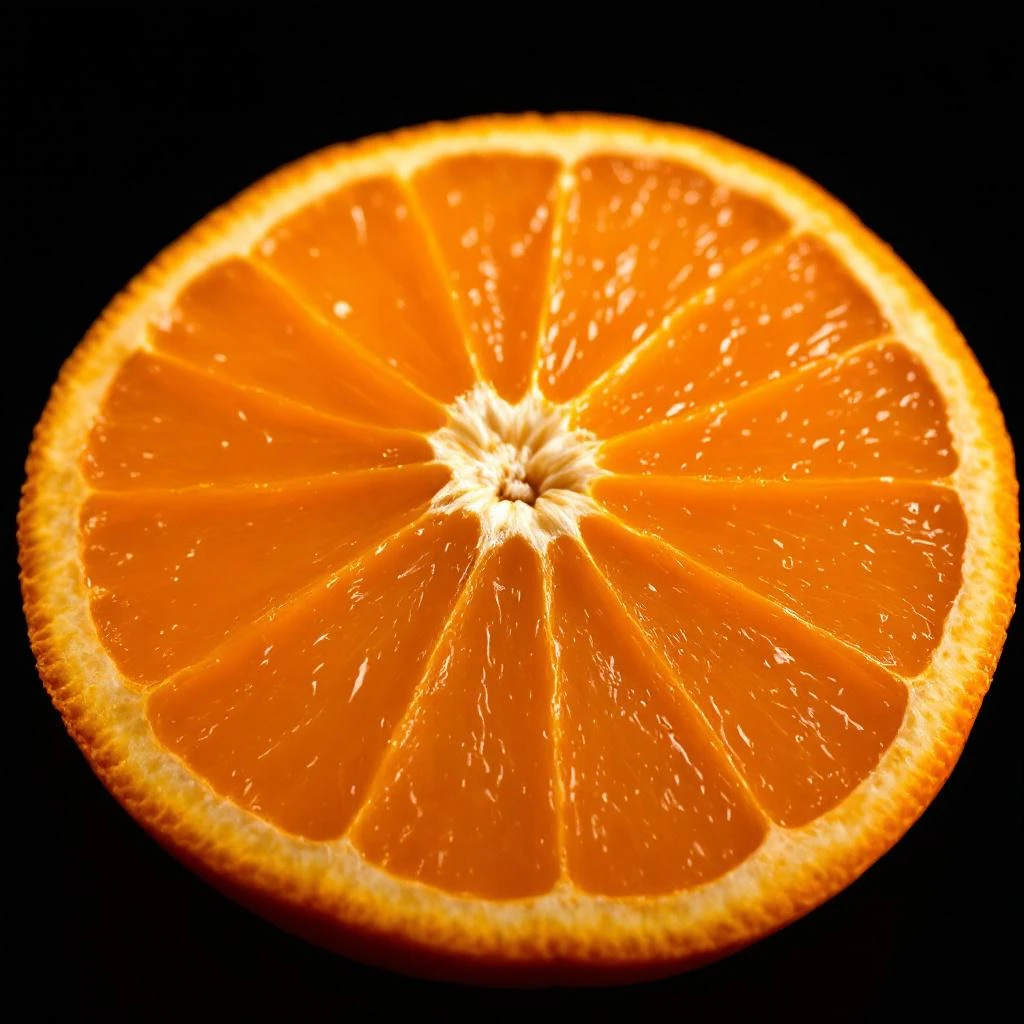
The Canarium luzonicum tree literally 'weeps' elemi resin as a natural defense whenever its bark is wounded, with harvesters scoring trunks to encourage the sticky, fragrant flow.








Origin
Philippines
Elemi resin traveled the Manila galleon route from the Philippine archipelago to Europe as early as the 16th century, where apothecaries valued it for wound dressings and incense. Portuguese and Spanish traders called it 'elemi,' likely derived from an Arabic term for a related resin, and by the 17th century it appeared regularly in European pharmacopoeias as a stimulant and expectorant.
The material entered French perfumery during the 18th century, prized for the lift it gave to heavier oriental compositions. Industrial-scale distillation of the Philippine oleoresin began in Grasse-region workshops in the early 20th century, cementing elemi's role as a citrusy bridge between top and heart notes.
Today, Canarium luzonicum remains the dominant botanical source, with resin tapped year-round from wild and cultivated stands across Luzon and surrounding islands. The ingredient continues to appear in both fine fragrance and traditional incense, a direct link between precolonial Philippine resin traditions and contemporary perfumery.
Wears it best
Fragrances featuring Elemodor
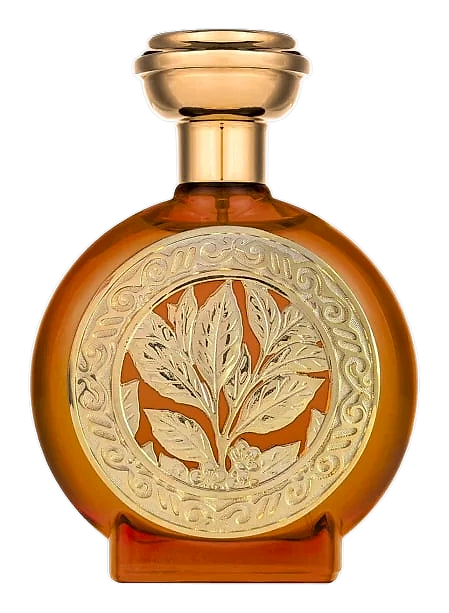
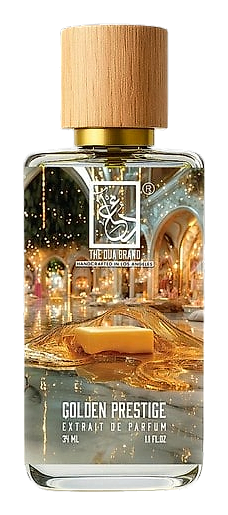
Brands
Brands known for Elemodor
Good to know
Questions, answered
The essentials on Elemodor in perfumery: how it smells, where it comes from, and how it behaves on skin.
What does elemodor smell like?
Elemodor delivers a bright citrus-pepper opening layered over a soft pine and incense undertone. The dominant character is fresh, slightly lemony, and resinous, often compared to a cross between frankincense and freshly cut dill.
Is elemi the same as elemodor?
Elemodor is a branded trade name for elemi oil distilled from Canarium luzonicum. The raw material, resin, and aroma chemistry are identical; the distinction lies only in sourcing and quality grading.
Where does elemi resin come from?
Elemi resin originates almost exclusively from the Philippines, where Canarium luzonicum trees are tapped year-round. The resin weeps naturally when the bark is wounded, making it one of the few sustainably harvested tropical oleoresins.
How is elemi essential oil extracted?
Steam distillation is the standard method. Saturated steam passes through cleaned oleoresin, carrying volatile terpenes into a condenser where they separate as a clear oil. Approximately 80 kilograms of crude resin yield one kilogram of essential oil.
ELEM. by Ermenegildo Zegna and several vintage orientals feature elemi as a top-note bridge. Contemporary niche houses also favor it for adding luminous citrus lift to heavier incense compositions.
ELEM by Ermenegildo Zegna and several classic oriental compositions feature elemi as a top-note bridge. Contemporary niche houses favor it for adding luminous citrus lift to heavier incense structures.
Is elemi safe for skin?
Elemi oil is generally regarded as safe at standard perfumery dilutions and is listed by IFRA without major restrictions for most product types. Like all citrus and resin oils, oxidized batches can sensitize, so fresh storage matters.
Can elemi be synthetically replicated?
Partial replication exists using isolated terpene fractions, but no single synthetic captures the full elemi profile. The natural oil's balance of phellandrene, elemicin, and minor trace components remains difficult to mimic precisely.
How long does elemi oil last in a fragrance?
Elemi behaves as a top-to-heart note with a typical skin life of 2 to 4 hours. Its volatile terpene fraction evaporates quickly, leaving behind a faint resinous trace that anchors mid-phase transitions.
In the same family